
Precision Base Plate CNC Machining Services
Types of Base Plates We Machine at MS Machining
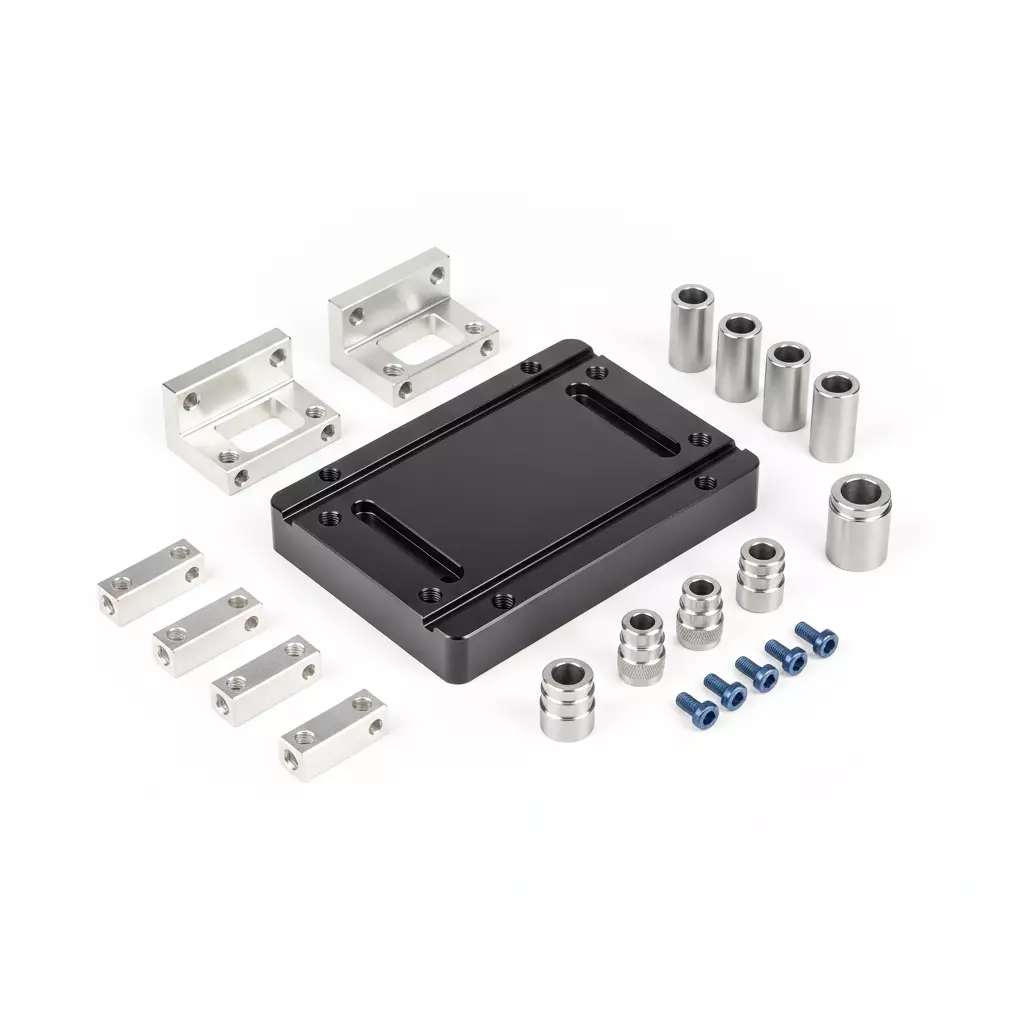
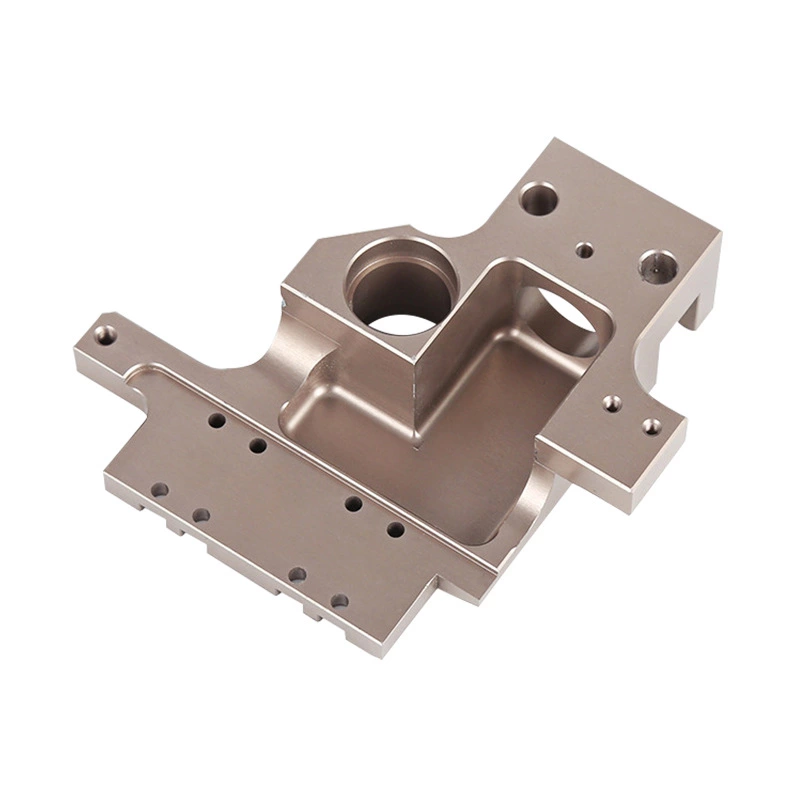
With our complete CNC precision machining production line and years of actual manufacturing experience, MS Machining produces high-accuracy base plates for various industrial applications. Below are the main types of base plates we machine:
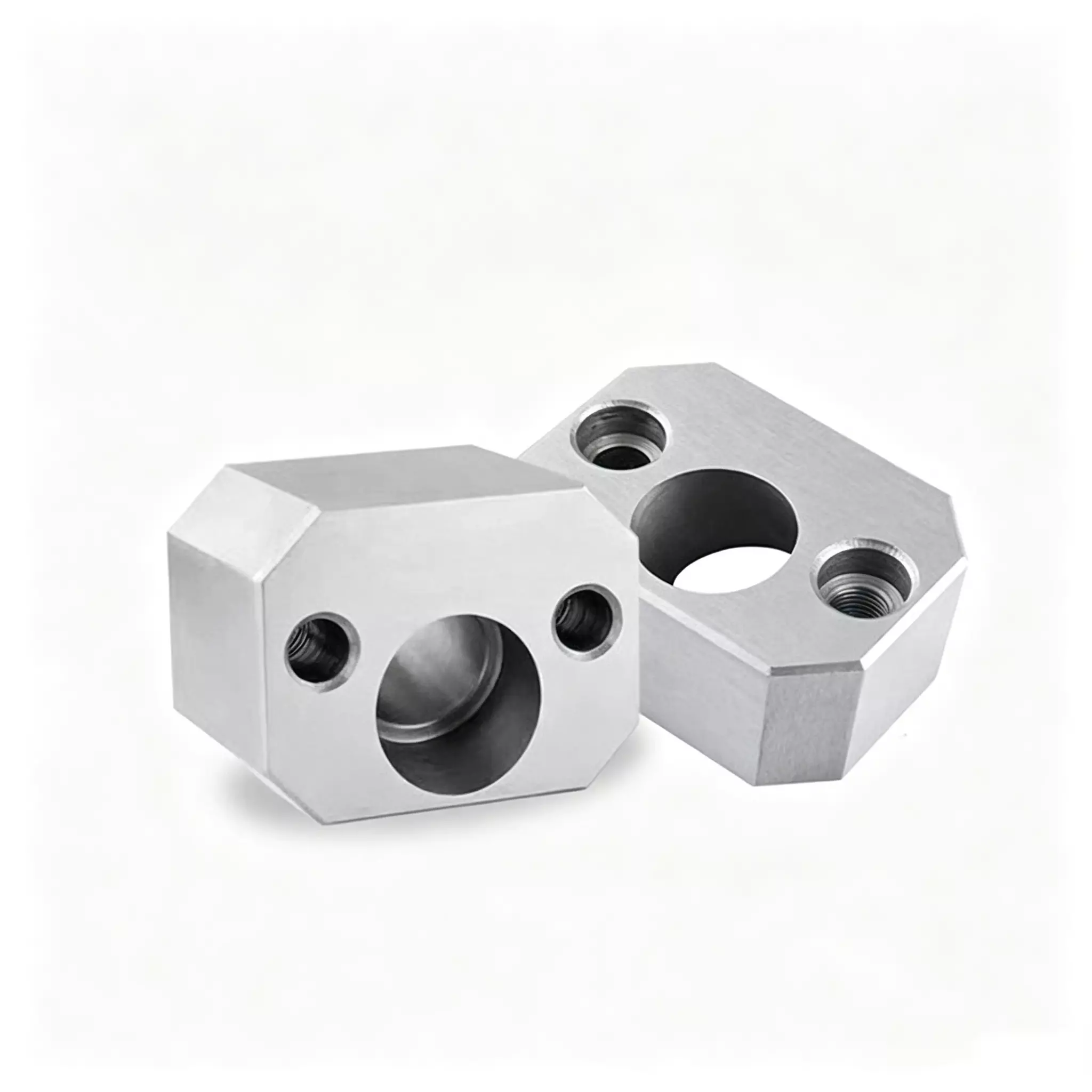
Equipment Base Plates
Equipment Base Plates – Precision CNC machined bases that provide stable foundations for heavy machinery, production lines, and industrial equipment, with excellent vibration damping and structural stability.
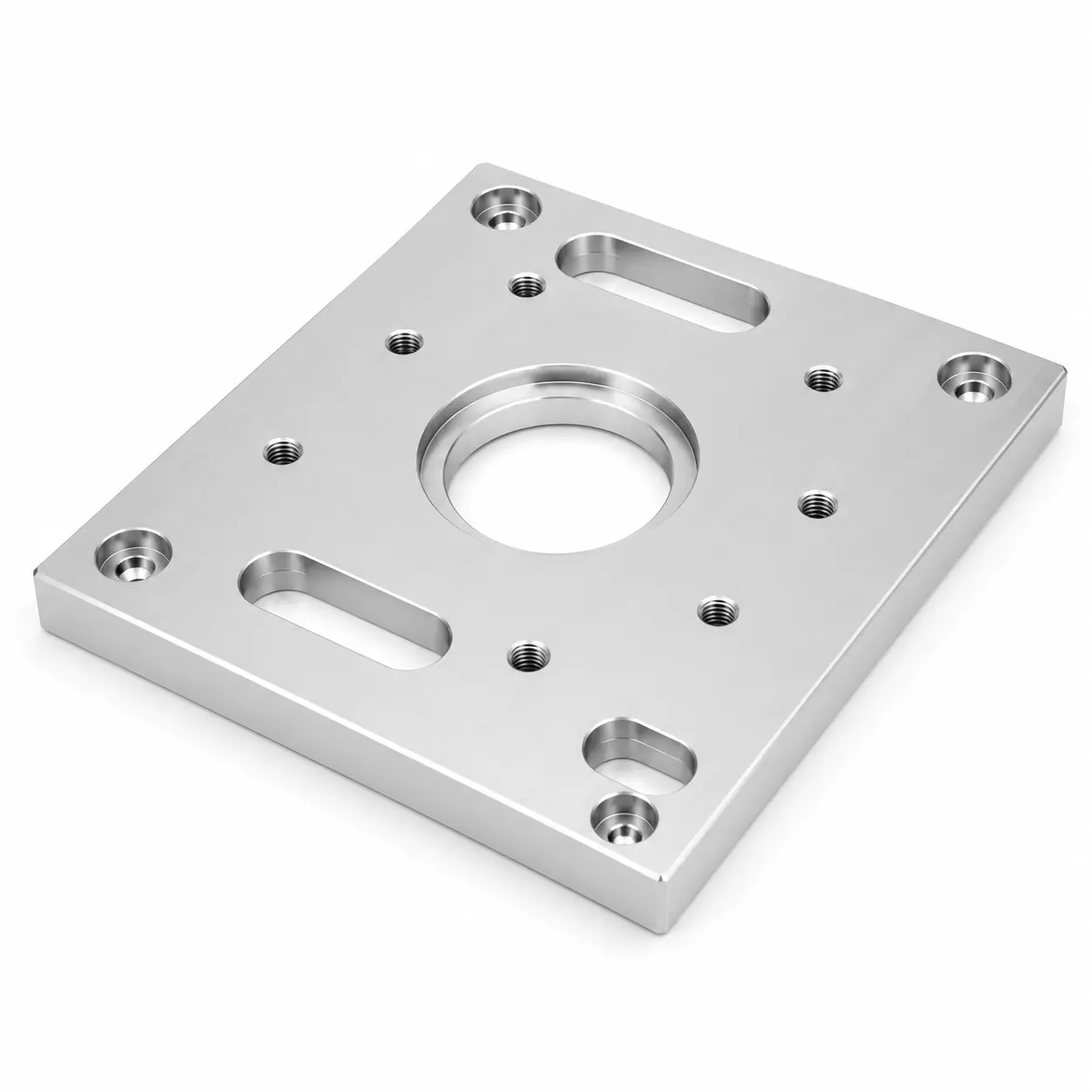
Machine Mounting Plates
Machine Mounting Plates – High-precision mounting plates for CNC machines, milling centers, and other production equipment. Custom hole patterns and threaded inserts are available.
Robot Base Plates
Robot Base Plates – Precision bases for industrial robots and collaborative robots, ensuring accurate alignment and long-term operational stability.
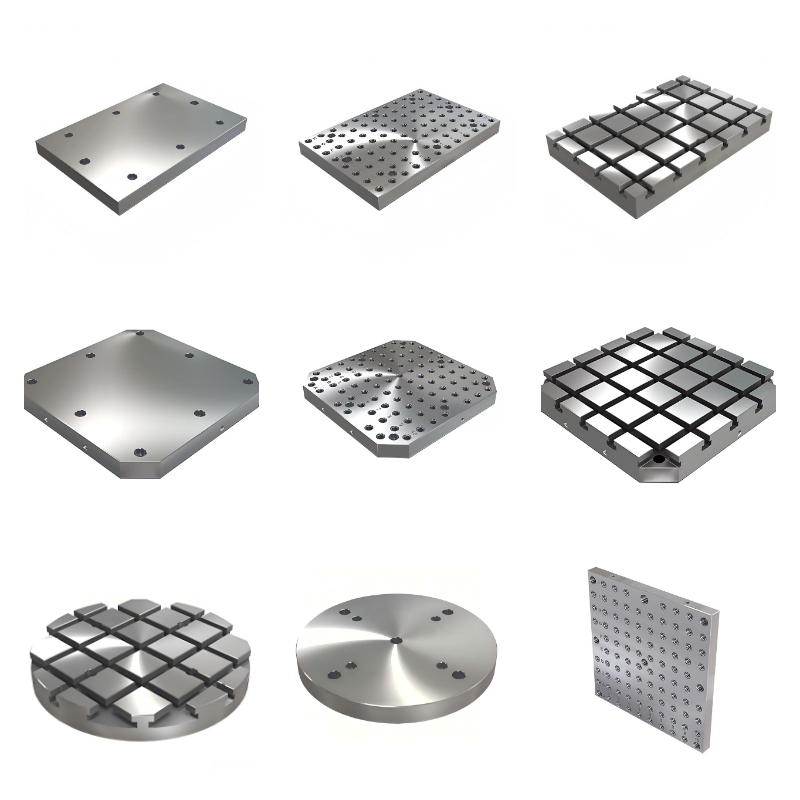
Fixture Base Plates
Fixture Base Plates – Precision fixture bases with T-slots, grid patterns, or custom layouts for workholding and tooling systems.
Motor Mount Base Plates
Motor Mount Base Plates – Precision mounting plates for electric motors, servo motors, and gearboxes, delivering accurate alignment and low vibration.
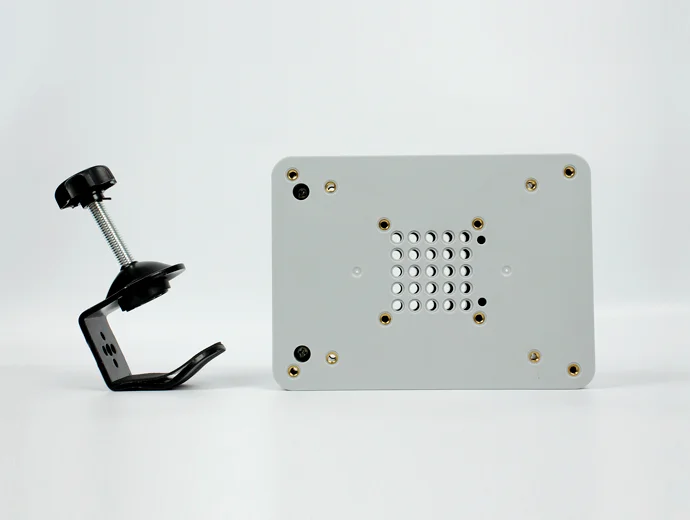
Electronics Base Plates
Electronics Base Plates – High-flatness base plates and enclosure platforms with good thermal management for electronic equipment and control systems.
Optical Base Plates
Optical Base Plates – Ultra-flat precision optical platforms and breadboards for laser systems, photonics, and optical equipment.
Automation System Base Plates
Automation System Base Plates – Large-format base plates for integrated automation lines, supporting robots, conveyors, and complete automation cells.
Materials for CNC Machined Base Plates at MS Machining
We machine base plates using a wide range of high-quality materials to meet different requirements for strength, weight, corrosion resistance, and precision. With our complete production line, we have extensive experience machining aluminum, stainless steel, carbon steel, tool steel, and engineering plastics into flat, accurate base plates.
| Material Category | Common Grades | Typical Applications & Characteristics |
|---|---|---|
| Aluminum | 6061, 6082, 7075, MIC6 | Lightweight, excellent machinability, good strength-to-weight ratio. Ideal for optical, electronics, and automation base plates. |
| Stainless Steel | 303, 304, 316, 17-4PH | High corrosion resistance and durability. Suitable for food, medical, and harsh environment applications. |
| Carbon Steel | A36, 1018, 1045 | High strength and cost-effectiveness. Commonly used for heavy machinery and equipment mounting plates. |
| Tool Steel | D2, A2 | Excellent wear resistance and hardness. Used for high-precision fixtures and long-life industrial base plates. |
| Engineering Plastics | Delrin, PEEK, Nylon, PTFE | Low weight, electrical insulation, and chemical resistance. Perfect for electronics and cleanroom base plates. |
Base Plate Machining Capabilitie
We run a complete CNC precision machining production line equipped with 3-axis, 4-axis, and 5-axis machining centers. With years of practical manufacturing experience, we produce high-accuracy base plates in various sizes for industrial customers.
| Machining Feature | Capability | Description / Advantages |
|---|---|---|
| Max Length | 3000 mm | Suitable for large equipment base plates and automation system platforms |
| Max Width | 1500 mm | Covers most common industrial base plate dimensions |
| Thickness Range | 5 – 200 mm | Handles both thin optical bases and thick heavy-duty bases |
| Flatness | 0.02 mm | Provides good overall flatness to minimize vibration after installation |
| Tolerance | ±0.01 mm | Precise dimensional control for accurate assembly |
| Parallelism | 0.015 mm | Ensures high parallelism between top and bottom surfaces |
| Perpendicularity | 0.02 mm | Good verticality for precise alignment |
| Thread Sizes | M2 – M24 | Standard and custom threads, threaded inserts supported |
| Surface Roughness | Ra 0.8 – 3.2 μm | Adjustable according to customer requirements |
| CNC Equipment | 3-Axis, 4-Axis, 5-Axis | Supports complex structures and multi-face machining |
| Machining Processes | Milling, Drilling, Tapping, Boring | Full capability for complex base plate structures |
Features of Precision Machined Base Plates
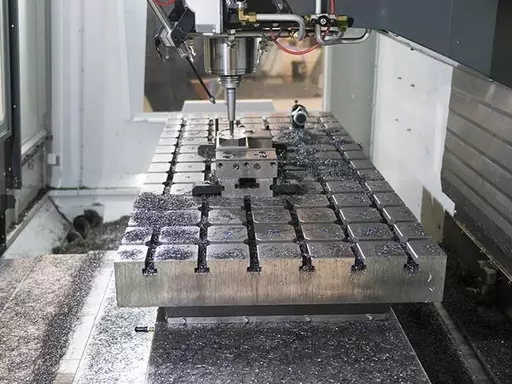
When machining large precision base plates, deformation and dimensional stability are common challenges. We address these through proper clamping methods, aging treatment, and step-by-step processing to ensure accuracy and stability. Below are the main features of our base plates:
High Flatness We can control the flatness of base plates within 0.02 mm. For large or thin plates that tend to warp during machining, we use multiple roughing and finishing steps combined with aging treatment to minimize deformation and maintain flatness after installation.
Accurate Hole Positioning We use 4-axis and 5-axis CNC machines to process threaded holes, dowel pin holes, and hole arrays. For base plates with large hole spans, we perform multiple position corrections and measurements to reduce cumulative error and support accurate alignment during assembly.
Tight Tolerances We can routinely achieve ±0.005 mm tolerances. For critical mating features, we apply step-by-step machining with intermediate resting periods to reduce the effects of temperature and internal stress.
Surface Finish Surface roughness is generally controlled between Ra 0.8 – 3.2 μm. We can provide standard industrial surfaces or smoother finishes according to customer requirements. Tool paths and cutting parameters are optimized to avoid visible tool marks.
Structural Strength We select common materials such as aluminum alloys, carbon steel, and stainless steel. By following a reasonable machining sequence and avoiding excessive material removal, we maintain sufficient rigidity to meet the strength requirements of equipment and automation applications.
Corrosion Resistance Stainless steel base plates are passivated after machining. Aluminum alloy plates can be anodized or hard anodized. We select appropriate surface treatments based on the customer’s operating environment to enhance corrosion resistance.
FAQS
What is a CNC machined base plate?
A CNC machined base plate is a precision-manufactured component used to support, align, and mount equipment, machinery, fixtures, or assemblies. CNC machining ensures accurate dimensions, flat surfaces, and precise hole locations, making base plates ideal for industrial, automation, robotics, aerospace, and electronic applications.
What materials are commonly used for base plates?
Base plates can be machined from a wide range of materials depending on the application requirements. Common choices include aluminum alloys (6061, 7075, MIC-6), carbon steel, stainless steel (304, 316, 17-4PH), brass, copper, and engineering plastics such as PEEK, Delrin, PTFE, and Nylon.
What tolerance can be achieved on a machined base plate?
Standard machining tolerances are typically ±0.05 mm (±0.002″). For precision applications, tolerances as tight as ±0.01 mm (±0.0004″) can be achieved depending on part geometry, material, and size requirements.
How is flatness controlled during machining?
Flatness is controlled through optimized machining strategies, stress-relief processes when required, precision fixturing, and final inspection. For critical applications, surface grinding or additional finishing operations can be performed to achieve tighter flatness specifications.
Can you machine large aluminum base plates?
Yes. We can machine large-format aluminum base plates for industrial equipment, automation systems, and machine assemblies. Please contact us with your drawing and dimensional requirements for a customized manufacturing solution.
Do you provide threaded holes and inserts?
Yes. We can machine threaded holes, tapped holes, counterbores, countersinks, and precision mounting features. Threaded inserts such as Helicoils and Keenserts can also be installed upon request.
Can you manufacture prototype base plates?
Absolutely. We support both prototype and production quantities, from a single custom-machined base plate to high-volume manufacturing runs. Our engineering team can assist with design optimization to reduce lead time and production costs.
What surface finishes are available?
We offer a variety of surface finishing options, including anodizing, hard anodizing, bead blasting, powder coating, passivation, electropolishing, black oxide, zinc plating, nickel plating, and custom finishes based on project requirements.
Do you provide inspection reports?
Yes. Inspection documentation can be provided upon request, including dimensional inspection reports, First Article Inspection (FAI), material certificates, Certificate of Conformance (CoC), and CMM reports for critical components.
What is your lead time?
Lead times depend on part complexity, material availability, quantity, and finishing requirements. Prototype base plates can often be delivered within 3–7 business days, while larger production orders typically require 1–4 weeks.
Can you ship worldwide?
Yes. We provide global shipping services and regularly deliver CNC machined components to customers in North America, Europe, Asia-Pacific, the Middle East, and other international markets. We work with reliable logistics partners to ensure safe and timely delivery.