

If you’re involved in automotive manufacturing, you already know how critical precision and efficiency are when producing high-performance vehicle components. That’s where automotive CNC machining comes into play—delivering unmatched accuracy, consistent quality, and faster turnaround times across everything from engine parts to electric vehicle assemblies. In this post, you’ll discover how CNC machining is revolutionizing the automotive industry and why partnering with a specialized provider like MS Machining can give your projects the competitive edge they need. Ready to see how precision-driven innovation drives automotive excellence? Let’s get started.
What Is Automotive CNC Machining?
If you’re wondering what automotive CNC machining is, it starts with understanding CNC—Computer Numerical Control—a technology that uses computer programming to operate precise machining tools. Instead of manually controlling drills or lathes, CNC machines follow exact digital instructions to cut, shape, and finish parts with incredible accuracy.
Automotive CNC machining has evolved dramatically from traditional machining methods, moving from simple manual tools to advanced, automated multi-axis systems. These multi-axis machines can work on complex shapes from several angles in a single setup, speeding up production while maintaining top-tier precision.
Why is CNC essential in automotive manufacturing? The automotive industry demands parts that meet strict standards for safety, durability, and performance. CNC machining delivers tight tolerances and consistent quality, ensuring every critical component—like engine blocks, transmission gears, or suspension brackets—performs reliably on the road. This precision is vital not only for meeting regulatory requirements but also for improving vehicle performance and longevity.
In short, automotive CNC machining blends automation, accuracy, and repeatability to meet the high demands of modern vehicle manufacturing, driving innovation and quality across the industry.
Key Benefits of CNC Machining for Automotive Applications
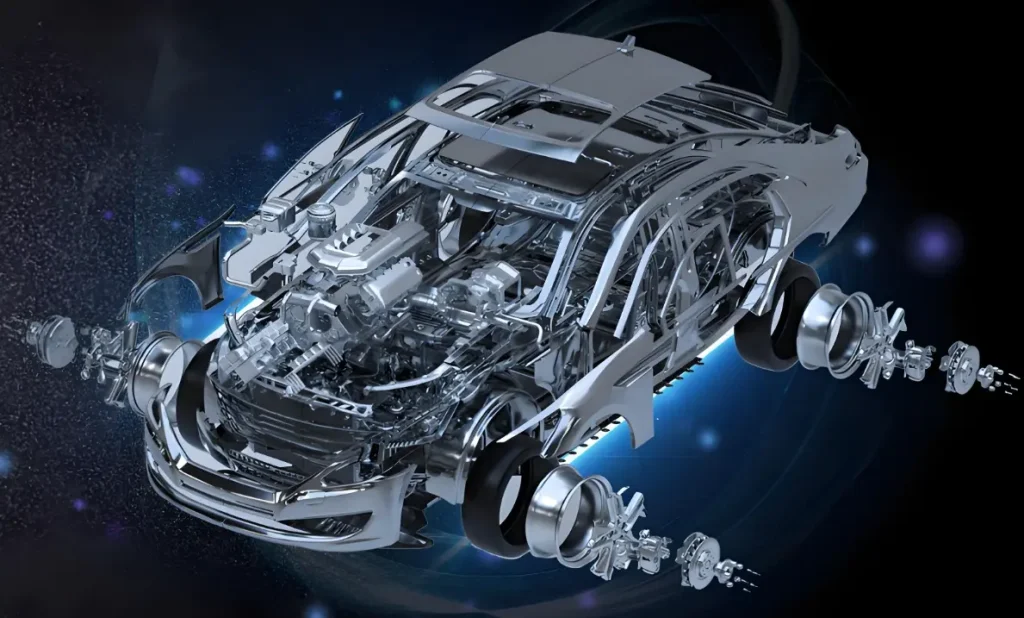
CNC machining brings several key advantages that make it essential for automotive manufacturing:
-
Unmatched Precision & Tight Tolerances
Critical parts like engine blocks and transmission gears demand accuracy. CNC machining delivers tight tolerance auto machining to ensure perfect fit and function.
-
High Repeatability & Consistency
Whether it’s a prototype or full production run, CNC machines provide consistent results, reducing variation between batches.
-
Faster Production & Reduced Lead Times
Automated CNC processes speed up manufacturing, helping you bring new vehicle models to market quicker.
-
Material Versatility
Works seamlessly with metals like aluminum, steel, and titanium, plus plastics and composite materials—ideal for lightweight, durable components.
-
Cost Efficiency Through Automation
Minimizes waste and labor costs by automating complex tasks, making production more economical.
-
Supports Complex Geometries & Lightweight Designs
Advanced multi-axis CNC machining lets you create intricate shapes for improved performance and weight reduction.
| Benefit | Automotive Impact |
|---|---|
| Precision & Tolerances | Reliable engine and drivetrain parts |
| Repeatability & Consistency | Consistent quality over large runs |
| Speed & Lead Time | Faster vehicle development |
| Material Flexibility | Lightweight and durable components |
| Cost Efficiency | Lower production costs |
| Complex Geometries | Innovative design possibilities |
For more on materials and their impact on fluid systems, check out our detailed insights on manifold components and essential elements in fluid control systems.
Common CNC Processes in Automotive Parts Manufacturing
Automotive CNC machining uses several key processes to produce high-quality parts with precision and efficiency:
- Precision CNC turning is ideal for making cylindrical automotive components like shafts and bushings. This process ensures tight tolerance auto machining for parts that must fit perfectly.
- CNC milling tackles intricate shapes and details, perfect for gears, brackets, and complex housings. This is the go-to method for CNC milling for auto components requiring sharp edges and smooth finishes.
- CNC drilling and tapping provide accurate hole placement and threading essential for assembly and functionality in engine parts and chassis components.
- High-speed and multi-axis CNC machining boost production by handling complicated designs faster and with greater accuracy. Multi-axis CNC machining cars’ parts allows for fewer setups and enhanced surface quality.
- These processes also support prototyping and low-volume production, enabling fast design iterations and custom part runs without sacrificing quality.
For precision turning and milling needs, companies rely on experienced shops like MS Machining, which also handles small precision turned parts, ensuring perfect outcomes in both prototyping and production phases.
Typical Automotive Parts Produced with CNC Machining

CNC machining plays a crucial role in manufacturing a wide range of automotive parts that demand precision and durability. Key components include:
- Engine parts like cylinder heads, engine blocks, crankshafts, pistons, and valves, all requiring tight tolerance auto machining for optimal performance.
- Transmission and drivetrain components such as gears, housings, and shafts produced using precision CNC turning and CNC milling for auto components.
- Suspension and chassis parts including bushings, brackets, and control arms, benefiting from multi-axis CNC machining to handle complex shapes.
- Brake systems and fuel delivery parts that rely on accurate CNC drilling and tapping for precise hole placement and assembly.
- Interior and exterior fixtures, such as custom fittings and lighting housings, where custom automotive machined parts meet design and functionality needs.
With the rise of electric vehicles, CNC machining is increasingly used for advanced components like EV battery housings and motor parts, demanding both lightweight materials and intricate details. For lightweight yet strong parts, aluminum CNC machining automotive applications stand out as a preferred choice, offering the balance of strength and reduced vehicle weight.
These parts highlight the versatility and precision of CNC technology in both traditional and emerging automotive manufacturing sectors. For example, exploring detailed aluminum parts production can be done with specialized aluminum CNC machining automotive capabilities.
Materials Commonly Used in Automotive CNC Machining
In automotive CNC machining, material choice plays a big role in performance and durability. Aluminum alloys are a top pick for their lightweight strength, making them perfect for parts where cutting weight improves fuel efficiency without losing toughness. Stainless steel and tool steels bring durability to the table, ideal for components exposed to wear and high stress.
For high-performance applications, titanium stands out with its incredible strength-to-weight ratio and corrosion resistance. Meanwhile, engineering plastics and composites help reduce weight even more, especially in interior or less load-bearing parts, while offering good thermal and corrosion resistance.
When selecting materials for precision CNC automotive parts, factors like strength, corrosion resistance, and thermal properties are key. Different applications demand specific materials to meet strict automotive standards. If you’re exploring options for custom automotive machined parts, MS Machining’s expertise in aluminum CNC machining automotive components and stainless steel machining can guide you toward the best material choice for your project. Learn more about our stainless steel casting CNC machining quality for durable automotive solutions.
CNC Machining for Prototyping vs. Production in Automotive
In automotive manufacturing, CNC machining plays a crucial role both in prototyping and full-scale production. Rapid prototype CNC machining allows engineers to quickly create and test functional parts, speeding up design validation and helping identify issues early. This process supports iterative development, meaning new vehicle models can be refined faster with precise, test-ready components.
When moving beyond prototypes, CNC machining scales smoothly from low-volume runs—perfect for limited edition models or specialty vehicles—to high-volume automotive production with consistent quality and tight tolerance auto machining. This flexibility means manufacturers can meet market demands without sacrificing precision or speed.
Whether it’s precision CNC turning, CNC milling for auto components, or CNC drilling and tapping, adapting machining processes from prototype to production ensures efficiency throughout every stage. For more detailed insights into the CNC milling technologies that power these phases, you can explore our guide on CNC milling machines.
Quality Assurance and Industry Standards in Automotive CNC Machining
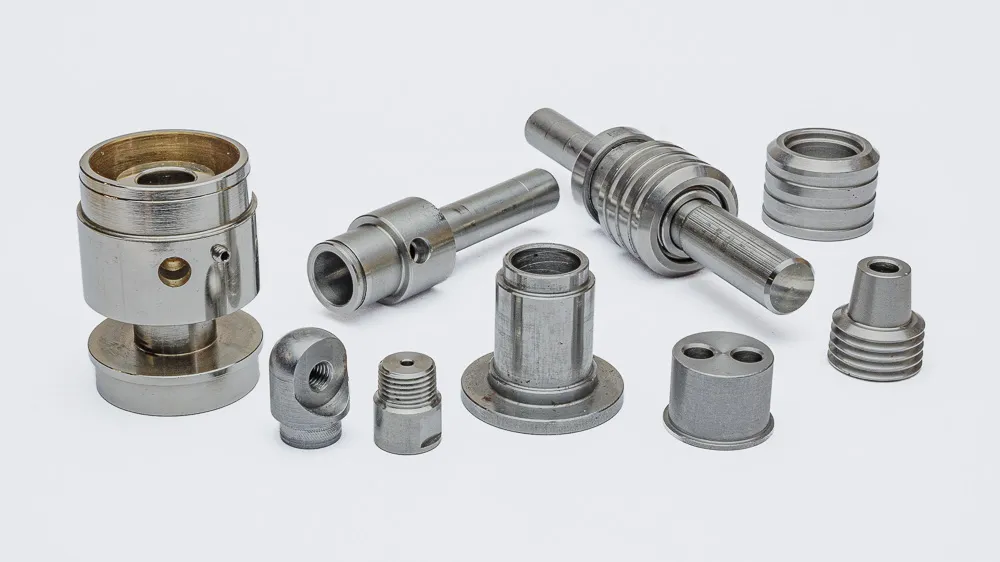
In automotive CNC machining, precision is non-negotiable. Meeting exact tolerances and achieving the right surface finishes are critical to ensuring parts fit and function perfectly. At MS Machining, we follow strict inspection processes using advanced metrology tools to verify every dimension and finish before parts move into production.
Compliance with industry standards like IATF 16949 is a must. This certification guarantees our processes meet automotive quality management system requirements across design, development, and manufacturing. It helps us deliver reliable, safe, and high-performance components that meet the automotive sector’s stringent demands.
Our commitment to quality means applying precision CNC turning, CNC milling, drilling, and tapping with rigorous checks at every step. By leveraging these measures, MS Machining consistently provides top-tier precision CNC automotive parts while maintaining compliance and traceability. This focus on quality translates into durable, reliable parts that support your vehicle’s safety and performance.
For more on advanced machining techniques and material standards, see our detailed guide to the benefits of stainless steel in precision manufacturing.
Case Studies: Real-World Success with MS Machining
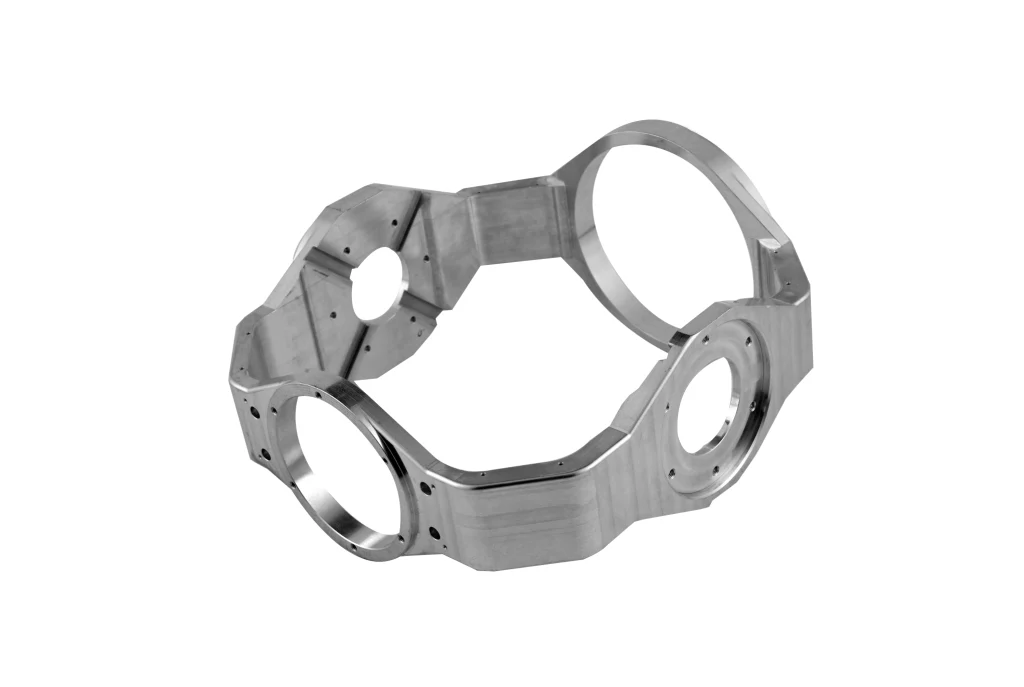
At MS Machining, our expertise in precision CNC automotive parts has delivered outstanding results for clients across the industry. We’ve worked on custom automotive projects including engine prototypes, transmission components, and suspension parts that demand tight tolerance auto machining and multi-axis CNC machining cars capabilities.
One notable example involved CNC machining an engine block prototype, where our high-speed CNC machining and precision CNC turning helped improve thermal efficiency and durability, leading to better performance under stress. Another project focused on transmission gears CNC manufacturing, where we achieved consistent quality and faster turnaround times thanks to our multi-axis CNC and CNC milling for auto components.
Clients consistently report reduced costs due to our efficient processes, less material waste, and streamlined low-volume automotive production. Faster time-to-market is another key benefit, enabling automakers to accelerate new vehicle development without compromising on quality. This is proof of how our tailored solutions for prototype CNC automotive work and production scaling support real-world automotive needs.
For more insight into how CNC machining compares with other technologies, explore our detailed explanation on what CNC machining is and what CNC stands for.
Future Trends in Automotive CNC Machining
The future of automotive CNC machining is tightly linked to the rise of electric vehicles (EVs) and autonomous driving technology. As manufacturers shift focus, precision CNC machining is playing a key role in producing EV battery housings, motor components, and lightweight parts optimized for next-gen vehicles. With demand growing, multi-axis CNC machining cars becomes more critical, enabling more complex geometries and faster processing.
Advances in 5-axis CNC machining and increased automation are transforming how parts are made, improving accuracy while cutting lead times. This tech helps produce intricate components like transmission gears and engine blocks more efficiently and consistently.
Sustainability is also a driving force. Efficient material use, optimized tool paths, and reduced emissions during CNC processes are becoming standard priorities. Manufacturers focus on aluminum CNC machining automotive parts and composites to reduce weight and improve fuel economy, all while minimizing waste.
At MS Machining, we stay ahead of these trends, delivering innovative solutions that support the evolving automotive landscape. For more on rapid, precise manufacturing methods, check out our work on rapid CNC machining for speed and precision applications.
Why Choose MS Machining for Your Automotive CNC Needs
When it comes to automotive CNC machining, MS Machining stands out with deep expertise in precision CNC turning, milling, drilling, high-speed, and multi-axis machining. Whether you need complex engine parts or lightweight chassis components, we deliver tight tolerance auto machining that meets strict automotive standards.
What Sets Us Apart
| Strength | Description |
|---|---|
| Precision & Quality | Consistent accuracy for critical automotive parts |
| Prototype & Low-Volume Focus | Rapid prototype CNC machining and scalable production |
| Customized Solutions | Tailored manufacturing to your specific specs |
| Material Versatility | Skilled with aluminum machining automotive parts, steel, titanium, and composites |
| Certified Quality Processes | Compliance with IATF standards ensuring top quality |
We support both prototype CNC automotive projects and larger scale runs, making transitions smoother from design validation to low-volume production. This flexibility helps clients reduce lead times and bring vehicle components to market faster.
For detailed prototype work, check out our prototype CNC machining capabilities, and for complex shapes, explore our expertise in precision CNC milling parts custom solutions.
Ready to improve your automotive manufacturing process? Contact us today for quotes, consultations, or project discussions tailored to your business needs.