
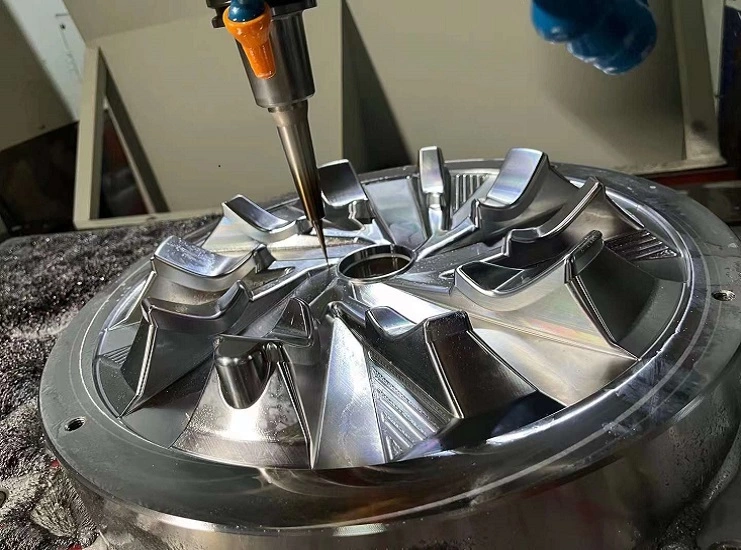
What Is Powder Coating and Where It Fits in CNC Surface Finishing Powder coating is a dry finishing process where electrostatically charged powder particles are applied to a metal surface and then cured under heat to form a durable coating layer. Compared with traditional liquid painting, it provides better coverage...
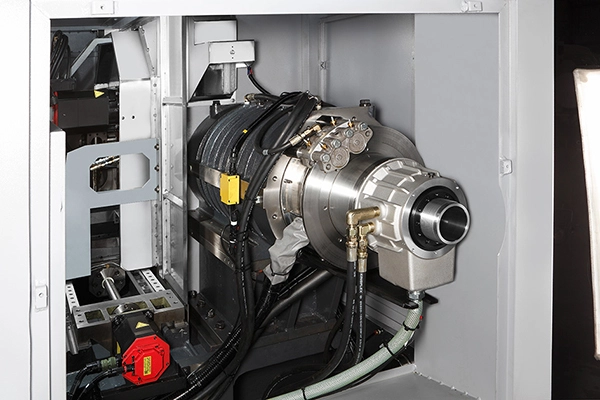
CNC Multi‑Axis Turning: Precision Parts & Industry Applications
If you need precision parts that fit perfectly, last longer, and perform reliably, CNC multi‑axis turning can make it happen. It’s the method behind many of the complex components you see in cars, medical devices, and industrial equipment. You might be wondering: what makes multi‑axis turning different from regular machining,...
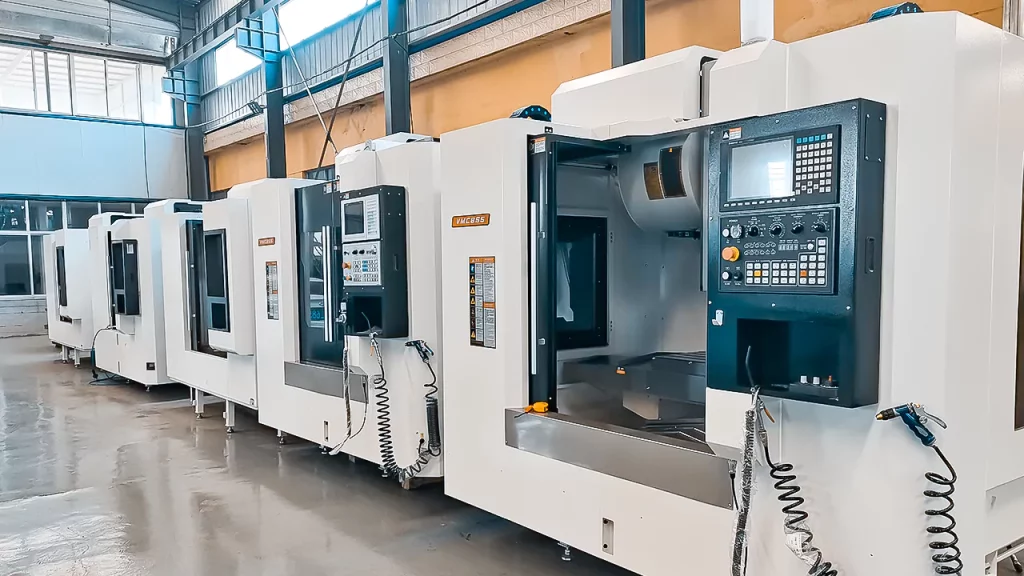
Global CNC Machining Market Outlook 2026–2035
The global market for CNC (Computer Numerical Control) machining is entering a decade of sustained growth and strategic transformation driven by technological innovation, expanding demand for precision manufacturing, and the ongoing integration of digital and automated systems into industrial production lines. CNC machining — encompassing milling, turning, drilling, and multi‑axis...
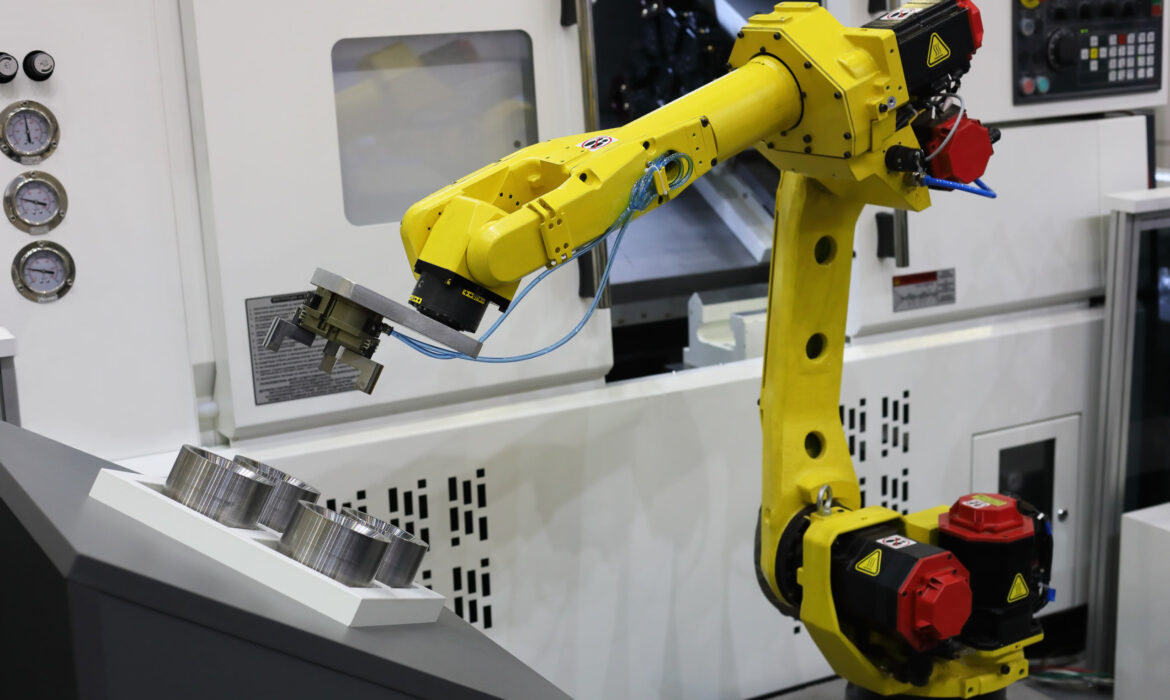
CNC Machining Trends in 2026: Automation, AI and Multi-Axis Manufacturing
CNC machining trends in 2026 are largely driven by automation, artificial intelligence (AI), and multi-axis manufacturing technologies. These innovations are helping manufacturers produce complex parts faster while keeping high precision, reducing setup time, and improving overall efficiency. Whether you’re in aerospace, medical devices, automotive, or robotics, these trends are reshaping...
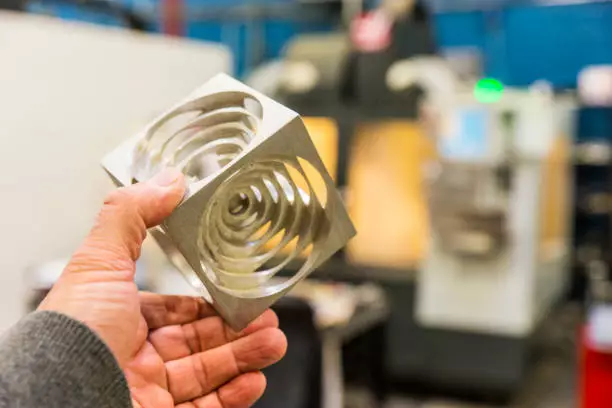
How High Precision CNC Machining Parts Improve Manufacturing Accuracy
If you’re searching for high precision CNC machining parts, you already know that tight tolerances and flawless detail aren’t optional—they’re essential. Whether it’s aerospace, medical devices, or power generation, delivering components with ±0.0005" accuracy and complex geometries demands expert craftsmanship and cutting-edge technology. In this post, you’ll discover why quality precision CNC machined components matter,...
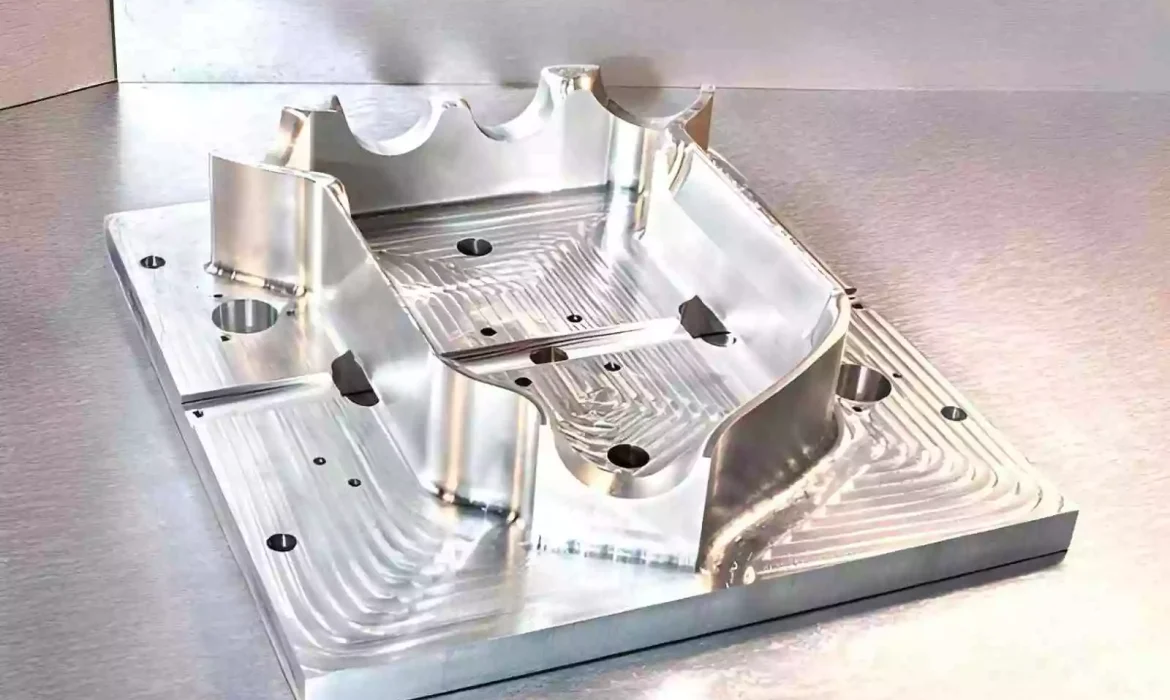
Why Thin-Wall Complex Machined Parts Deform
In CNC machining, thin-wall complex machined parts are widely recognized as the most prone to dimensional deviations. Compared with solid components, these parts have lower structural rigidity and high material removal rates. During precision machining, as material is gradually removed, internal residual stresses are released and overall stiffness decreases, making...