Powder Coating Services for CNC Machined Parts

We provide powder coating for CNC machined parts, with coating, masking, and bare-surface requirements handled according to your drawing.

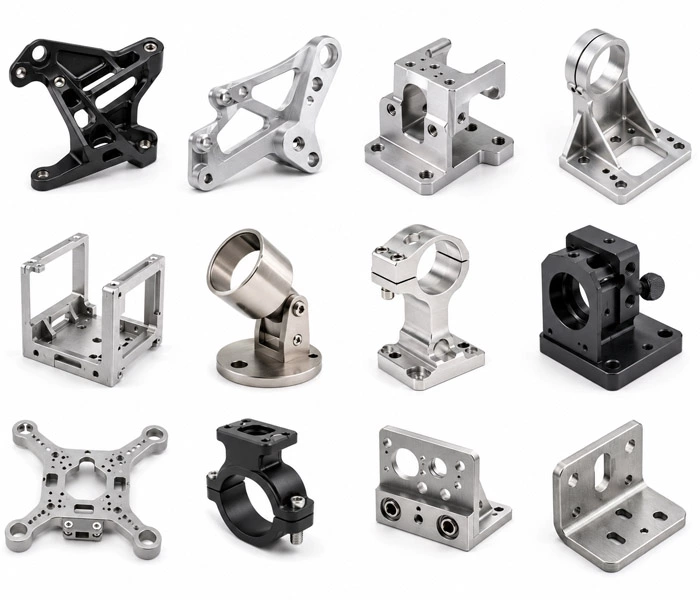
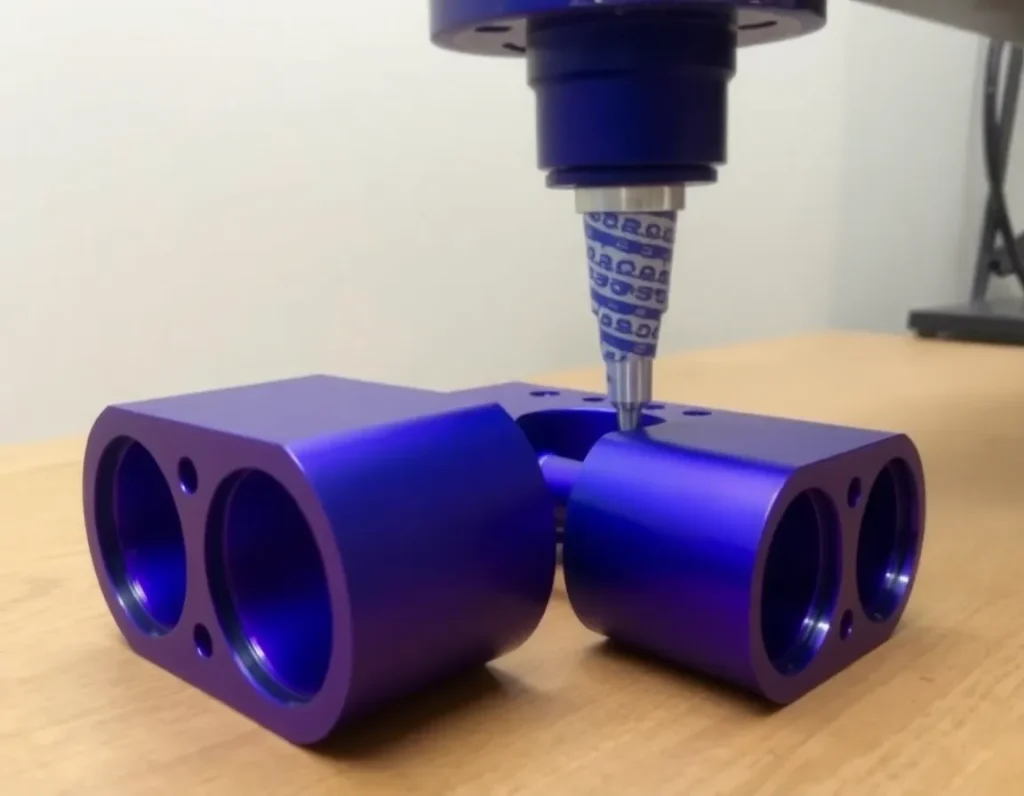
Powder coated CNC machined brackets and housings

Our Service

Which machined parts are a good fit

Brackets, housings, guards, panels, and frames are common candidates for powder coating. Machined faces can typically accommodate a coating build of about 60–120 μm, depending on the specified finish and assembly requirements.

Fits, threads, seals, and datums can be coated or left bare. Mark these requirements on the drawing, including coated and bare faces, target coating thickness, and whether threads or pin holes should be masked or machined after curing. Thin walls and deep pockets should also be identified so the hanging and spray path can be considered during quoting.

Provide the 2D or 3D drawing with coating and keep-out faces identified. We quote the coating and masking requirements around the assembly, rather than treating the part as an “all over” finish.

MS Machining

Materials and powder types

Powder selection depends on the base material and service environment. Provide the material grade and whether the part will be used indoors or outdoors when requesting a quote.

Aluminum

6061-T6, 6063, and 7075 are common aluminum grades for powder-coated CNC parts. Parts are cleaned and prepared before coating according to the alloy and finish requirements. Thin-wall parts and 7075 should be identified on the drawing so the curing process can be considered with the part geometry. Cast aluminum should also be called out because trapped porosity can cause pinholes during curing.

Steel and stainless steel

Carbon steel, low-alloy steel, and stainless steel can be powder coated when the required surface preparation is suitable for the substrate. Common applications include brackets, frames, guards, covers, and machine components.

Powder selection

Polyester is generally used for outdoor parts exposed to UV and weather. Epoxy is more suitable for indoor applications where chemical resistance is important, while epoxy-polyester hybrid powder is commonly used for general industrial parts.

Common stock colors include RAL 9005, RAL 9016, RAL 7035, and RAL 3020. Custom RAL colors are available. Specify the RAL color, gloss level, and texture on the drawing or PO rather than simply stating “black.”

Our Service

From incoming parts to packed parts

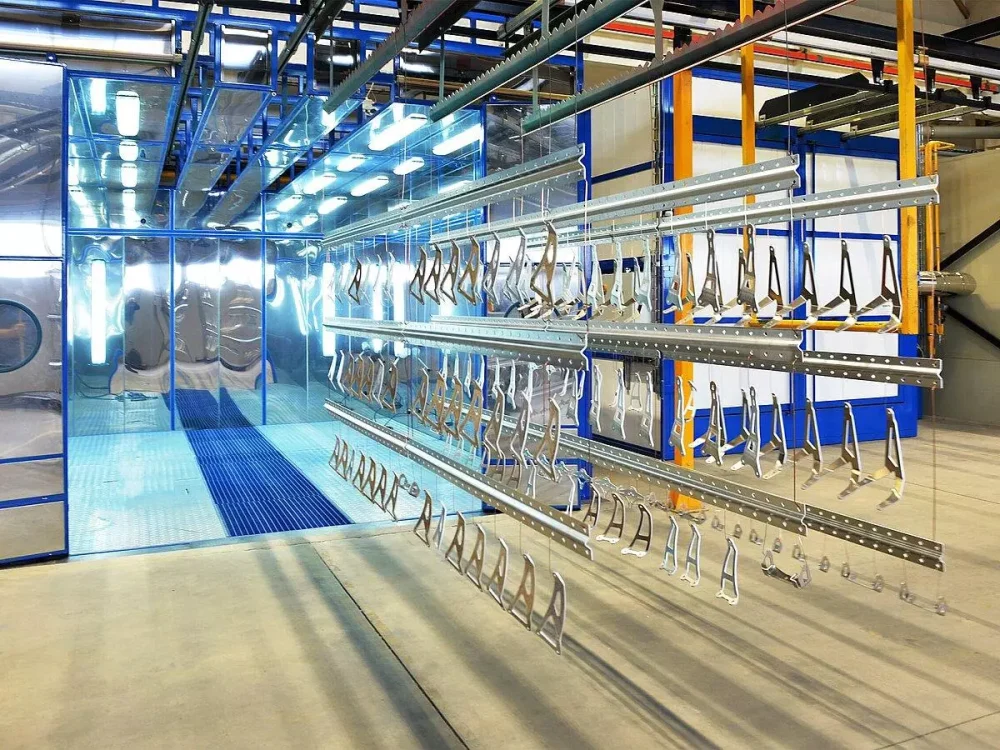
Each lot follows the same basic sequence, from part preparation and pretreatment through masking, coating, curing, inspection, and packing.

Powder coating process for CNC machined metal parts

Our Service

Capacity and specifications

We quote powder coating based on the part size, material, coating thickness, masking requirements, and production quantity. If the part is close to the limits below, include the finished dimensions and weight with your RFQ so we can confirm the coating route before quoting.

SpecificationTypical capability
Film thickness60–120 μm, or to drawing specification
Part sizeConfirmed by part dimensions and coating equipment
MaterialsAluminum, carbon steel, low-alloy steel, stainless steel
ColorsRAL colors; custom colors on request
FinishesSmooth, matte, gloss, and selected textures
InspectionDry film thickness and visual inspection; additional inspection to drawing or PO
ProductionPrototype and low-volume production through repeat batches

Lead time depends on part size, masking, color, quantity, and inspection requirements. Sample and production schedules are confirmed with the quote after the drawing, finish, and color requirements are reviewed.

Powder coated CNC machined components and metal parts

Our Service

Powder coat or anodize

The right finish depends on the material, fit, environment, and appearance requirements. For CNC machined aluminum parts, powder coating and anodizing solve different problems, so the choice should be made around the finished assembly rather than the finish name alone.

Part requirementUsual choice
Aluminum, thin coating, tight fits, or controlled surface buildAnodize
Aluminum or steel, outdoor color and higher coating buildPowder coat
Aluminum with color and masked fitsPowder coat with keep-out faces, or anodize where a thinner finish is required
Parts with deep internal areasReview geometry first; powder coverage may be limited

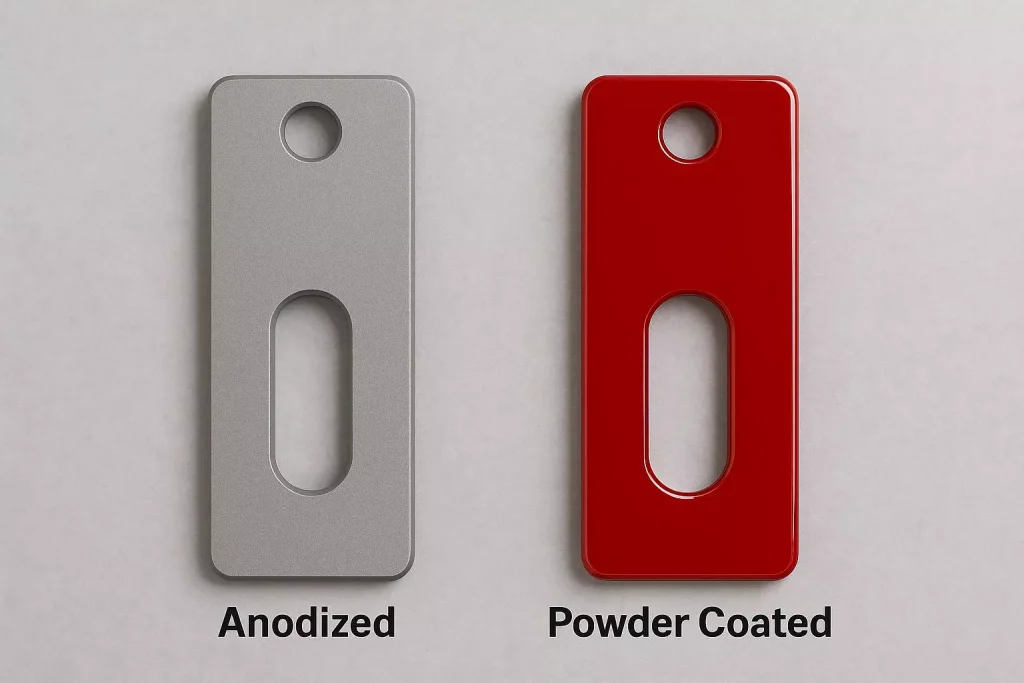
For tight-tolerance aluminum alignment parts that also require color, we can review both options against the drawing. Anodizing keeps the coating relatively thin, while powder coating provides a thicker film and allows more flexibility in color and texture. Critical bores, threads, bearing seats, and locating faces can be kept bare where required.

The final choice should consider the material, dimensional tolerance, service environment, color, and assembly fit rather than choosing a finish from a standard color list.

Related service: Anodizing for CNC Parts

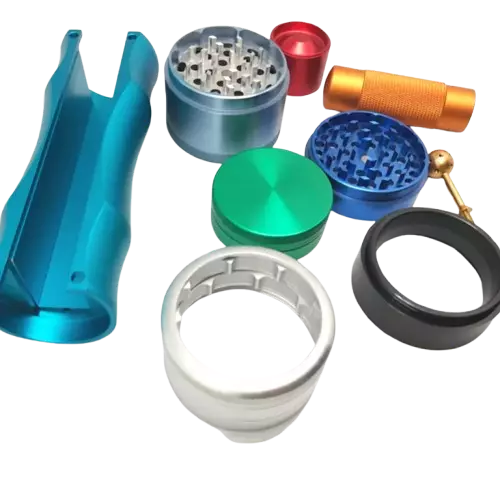
Powder coated and anodized CNC machined aluminum parts
FAQ

Questions Before You Send the Drawing

Common questions about dimensions, threads, materials, coating thickness, quantities, and lead times before sending a CNC drawing for powder coating.

Does powder coating change CNC tolerances?

Yes. Powder coating adds material to coated surfaces, so a finished dimension can change by approximately the coating thickness on each coated side. Critical bores, fits, threads, and mating surfaces should be masked, left with suitable allowance, or machined after curing as specified on the drawing.

How are threads handled?

Working threads are normally masked before coating unless the drawing specifies otherwise. Internal threads can be protected with plugs, while external threads can be masked or chased after curing when required. Thread masking requirements should be identified on the drawing so they can be included in the quote.

Do 6061 and 7075 run the same cycle?

Not necessarily. Pretreatment and curing requirements can vary with the aluminum alloy, temper, and part geometry. Include the material grade, such as 6061-T6 or 7075-T6, on the RFQ rather than specifying only “aluminum.”

How thick is the powder coating?

A typical powder coating thickness is 60–120 μm, depending on the powder system and application requirements. The final target should follow the drawing or purchase specification. For aluminum parts requiring a thinner and more controlled surface build around close-tolerance features, anodizing may be a better option.

Can you coat one piece?

Yes. Prototype quantities and one-piece orders can be quoted. Masking, color, and setup requirements are included in the quotation where applicable. Some CNC powder coating suppliers also quote with no minimum order quantity.

What is the typical lead time?

For reference, prototype powder coating is commonly quoted at around 3–5 working days, while small-batch production can take approximately 5–7 working days and larger production runs around 7–10 working days. Actual timing depends on part quantity, masking, color availability, coating specification, and inspection requirements.

Is powder coating done in-house?

Powder coating can be coordinated with CNC machining as part of the same manufacturing order. Where finishing is performed by a qualified coating partner, finished parts can be inspected before shipment for coating thickness, appearance, masking, and other requirements specified on the drawing or PO.

DRAWING REQUIREMENTS

What to Mark on the CNC Drawing

Mark these requirements on the drawing before requesting a quote. This gives the coating and machining requirements a defined basis.

01

Faces to coat and faces to leave bare

02

Target film thickness and tolerance for example, 80 μm ±20 μm on visible faces

03

Color and gloss RAL color plus matte, satin, or gloss

04

Threads, pin holes, bearing seats, and gasket faces specify whether they should be masked, made oversize before coating, or machined after curing

Unspecified threads are quoted as masked. Precision holes are confirmed on the quote based on the required finished size and assembly fit.

Coat, Mask, and Keep-Out Faces

Non-mating structural and cosmetic surfaces can be coated as specified.

Seals, datums, bearing seats, and precision threads should be identified as keep-out areas when coating would affect fit, sealing, location, or inspection.

Separate coated and uncoated faces on the drawing. An “all over” coating note does not define which surfaces need to remain bare.

How Film Build Affects Holes and Threads

Powder coating adds material to accessible surfaces. A nominal 80 μm film build can reduce an internal diameter by approximately 160 μm when coating is applied to both sides of a hole.

A hole that is already machined to its finished size may therefore require masking, a pre-coat oversize, or machining after cure to maintain the required fit.

Feature Effect of Powder Coating What to Specify
Non-mating OD / skins Adds coating thickness to the surface Coat as drawn
Through-holes / dowel holes Reduces finished diameter when both sides are coated Mask or specify pre-coat size
Internal threads Coating can build on the thread profile Plug/mask, or tap after cure if specified
External threads Coating increases thread profile dimensions Mask or chase after cure
Datums / seals / bearing seats Can affect stack-up, sealing, or runout Mark as bare / keep-out
Sharp CNC edges Coating coverage can be thinner at the edge Break edges 0.2–0.5 mm where permitted