
Robotics Metal Fabrication Services | Custom Robotic Components
We manufacture custom fabricated components and assemblies for robotic equipment, combining metal fabrication, welding, and CNC machining to meet requirements for structural strength, dimensional accuracy, and reliable assembly.
MS Machining
Robotics Metal Fabrication for Industrial Automation Components
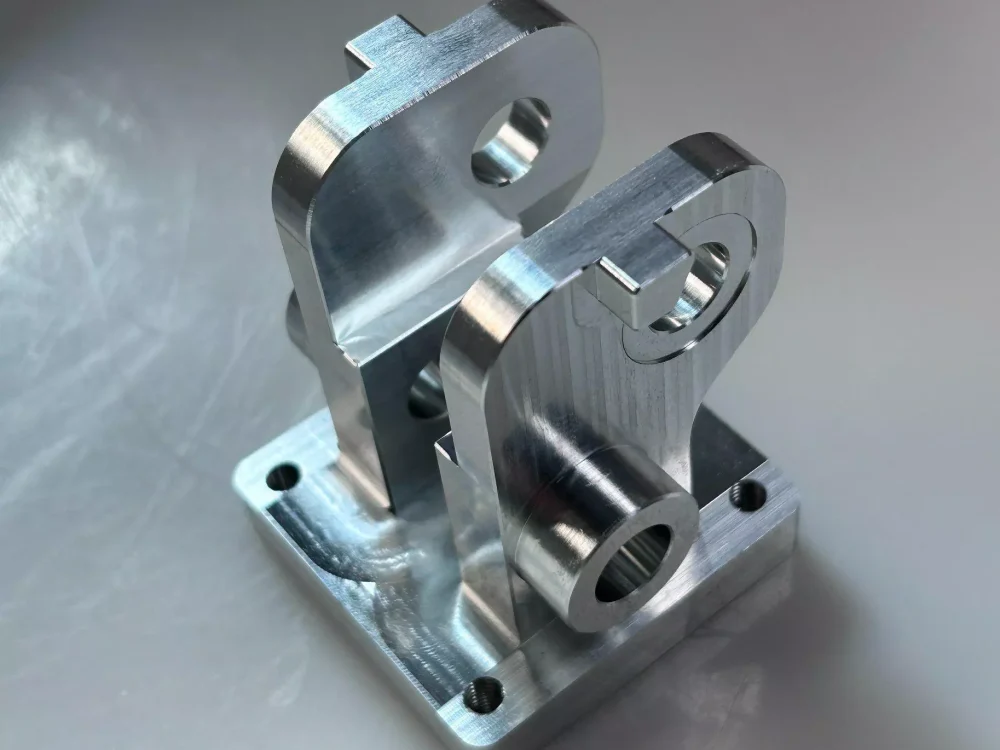
Robotic equipment manufacturers often require custom fabricated metal components designed around specific mechanical structures, installation requirements, and operating conditions. From support frames and mounting structures to brackets and custom assemblies, these parts need to achieve proper fit, stability, and integration with other robotic systems.
Unlike general fabricated parts, robotic components often involve a combination of welded structures and precision-machined features. Factors such as dimensional control, assembly alignment, material selection, and weight considerations play an important role during manufacturing.
Our robotics metal fabrication capabilities combine metal fabrication, welding, and CNC machining to produce custom robotic components that meet project-specific requirements for automation equipment, robotic workcells, and industrial machinery.
- Custom Robotic Components
- Fabrication & CNC Integration
- Structural Strength & Stability
- Dimensional Control
- Material Selection Support
- Assembly-Ready Components
Our Service
Robotics Metal Fabrication Capabilities for Custom Components
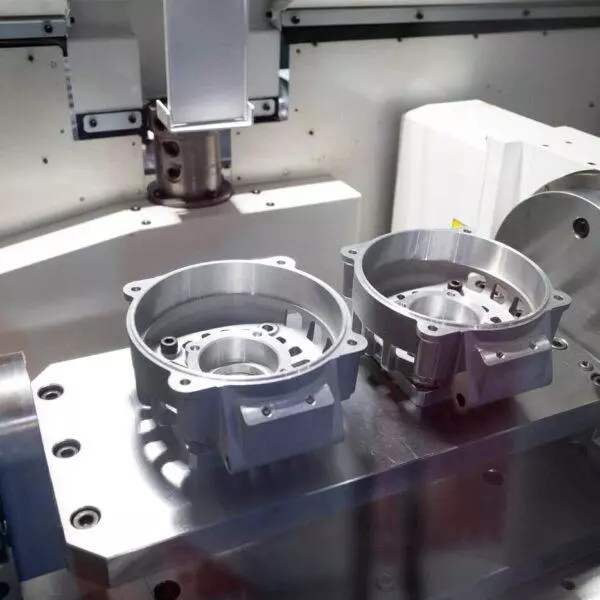
Robotic components are often produced through multiple manufacturing processes depending on their structure, material requirements, and functional needs. Fabrication and CNC machining are combined to create parts with the required strength, dimensional features, and assembly interfaces for automation equipment.
- Welded Structures and Robotic Frames---Fabricated frames and support structures are commonly used in robotic bases, automation equipment, and custom workcells. Welding processes are selected to meet structural requirements and support proper assembly of robotic equipment.
- CNC Machined Interfaces and Mounting Features---Many robotic components require machined holes, threaded features, slots, and mounting surfaces for accurate installation. CNC machining can be integrated into fabricated parts where controlled dimensions and precise interfaces are required.
- Custom Fixtures and End-of-Arm Tooling---Fixtures and tooling components support robotic gripping, positioning, and automated handling operations. These parts are typically designed around specific equipment configurations, mounting conditions, and functional requirements.
- Fabricated Assemblies for Automation Systems---Complex robotic assemblies may combine welded structures, machined components, and surface finishing processes. This approach allows different manufacturing methods to be applied based on part design and assembly requirements.
MS Machining
Integrating Metal Fabrication and CNC Machining for Robotic Components
The manufacturing of robotic components often involves integrating fabricated assemblies with CNC-machined interfaces to achieve the required part geometry, dimensional control, and assembly compatibility.
Fabricated assemblies are commonly used for robotic frames, support structures, and custom automation equipment, while CNC machining is applied to critical features such as mounting surfaces, threaded holes, alignment points, and connection interfaces.
Combining metal fabrication and CNC machining allows robotic components to incorporate both structural elements and precision-machined features, supporting proper installation, component alignment, and connection with automation systems.
- Fabricated Structures
- CNC Machined Interfaces
- Precision Mounting Features
- Alignment Features
- Threaded Connections
- Assembly Compatibility
Our Service
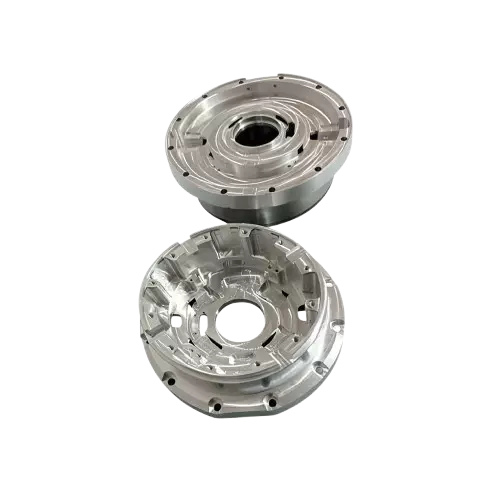
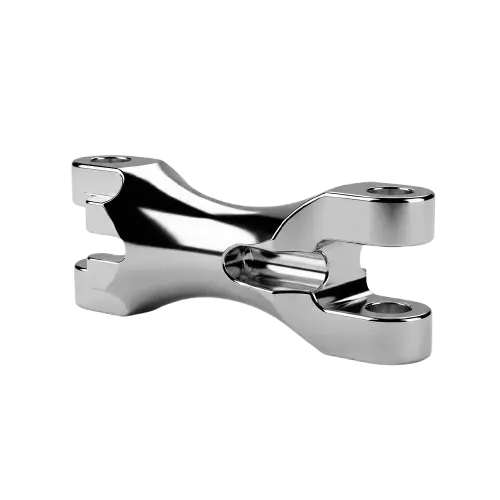
Materials and Surface Finishing for Robotics Metal Fabrication
Material selection plays an important role in robotic component manufacturing, influencing factors such as component weight, structural requirements, machining considerations, and operating conditions. The selected material depends on part design, fabrication methods, and the requirements of the final assembly.
Aluminum alloys are commonly used for robotic frames, base plates, mounting brackets, and CNC-machined components where weight control, machinability, and corrosion resistance are important considerations. Stainless steel is often selected for brackets, fixtures, and fabricated components used in applications requiring corrosion resistance and material durability. Carbon steel is commonly used for larger support structures and welded assemblies where load requirements and component dimensions are key factors.
Surface finishing processes such as anodizing, powder coating, and other treatments can be applied to fabricated and machined parts according to surface requirements, corrosion considerations, and application conditions. These finishing options are selected based on the material type, component function, and intended use of the robotic equipment.
MS Machining
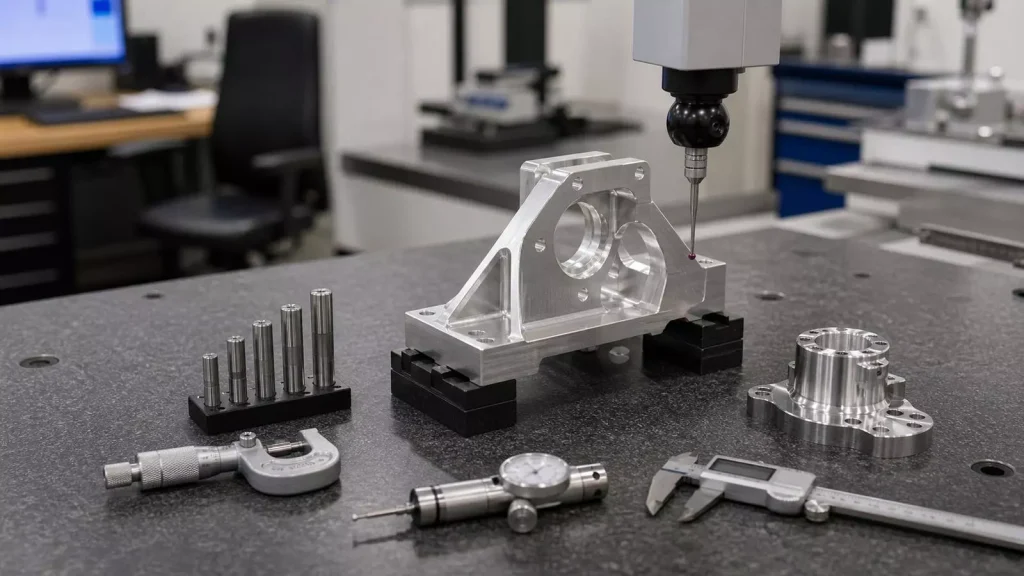
Manufacturing Review for Robotic Component Projects
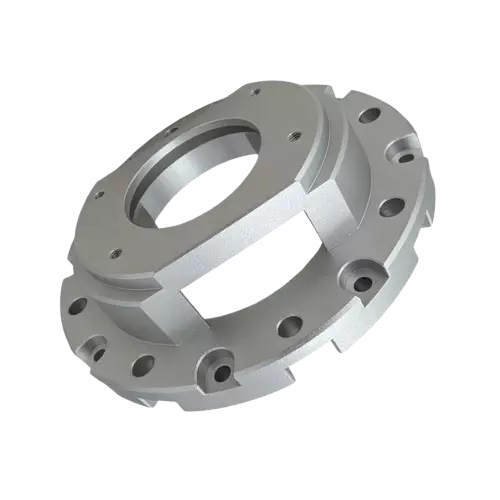
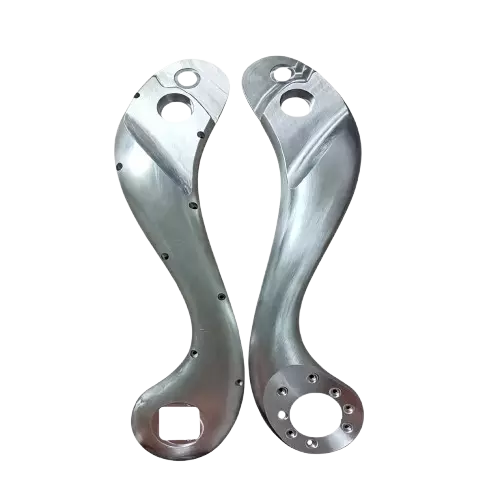
Before production, robotic component projects are evaluated for manufacturability, including fabrication requirements, CNC machining considerations, material selection, and assembly conditions.
The evaluation covers key factors such as part geometry, weld accessibility, machining features, interface locations, and dimensional requirements. These factors help define suitable manufacturing processes and production methods based on the component design.
Early manufacturing review allows fabrication and machining requirements to be identified before production begins, helping align the manufacturing process with the final component specifications.
MS Machining
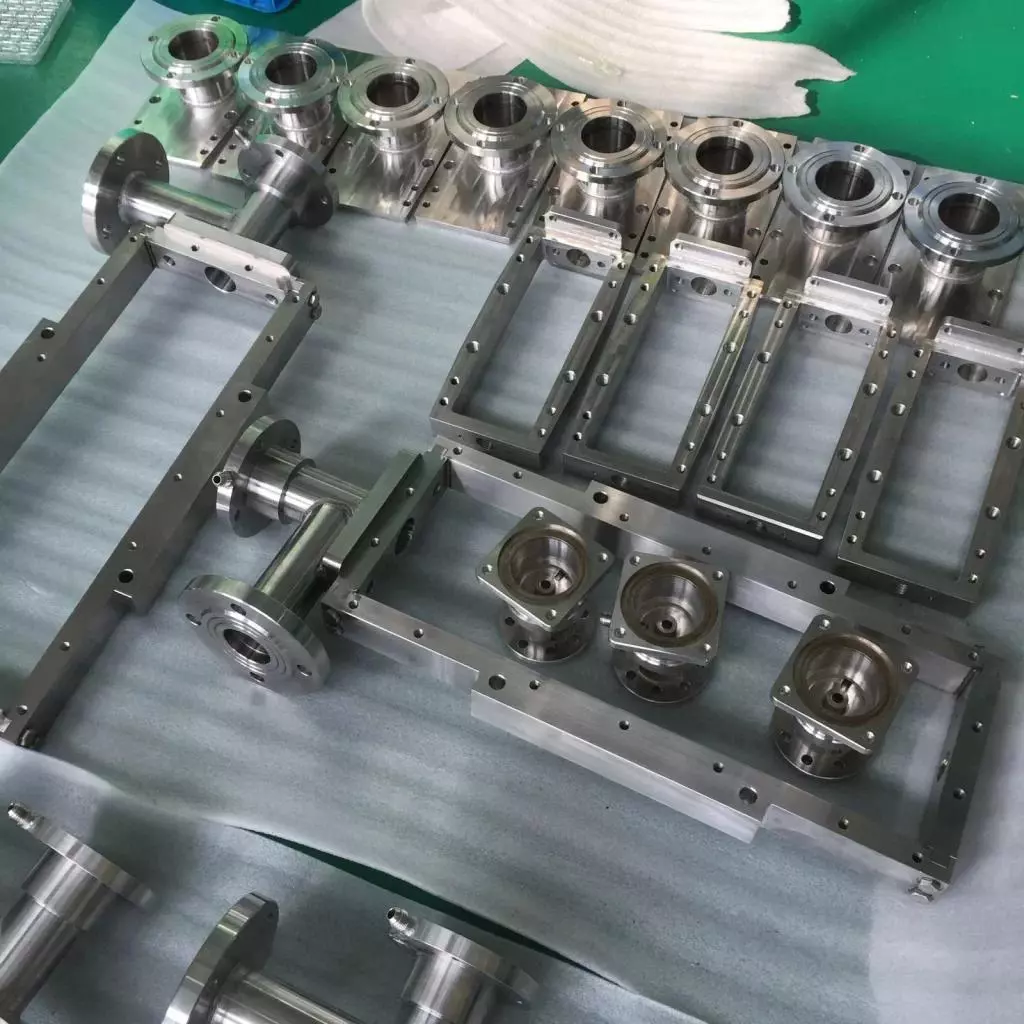
Prototype and Low-Volume Production for Robotic Components
Robotic component projects often require different manufacturing approaches throughout the development and production stages, from prototype parts for testing and validation to low-volume production and repeat orders.
Metal fabrication and CNC machining processes can be applied to prototype components, custom robotic parts, and small production runs based on part geometry, material requirements, manufacturing complexity, and order quantities.
Production methods are selected according to the specific requirements of each component, helping maintain consistency between prototype parts and subsequent production components.
MS Machining
Quality Control for Robotic Components
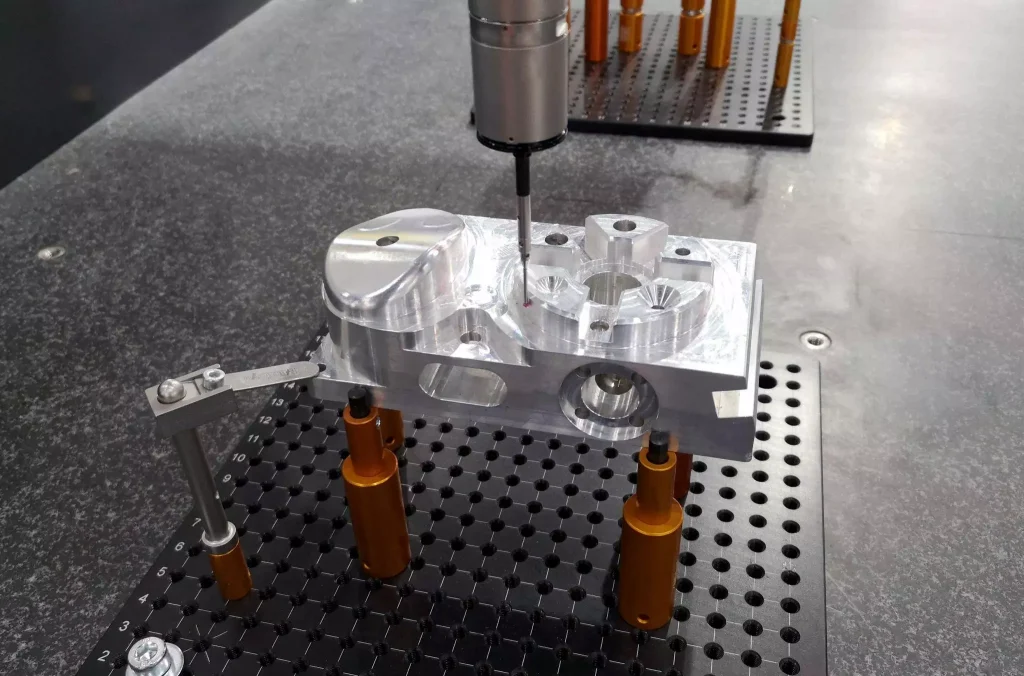
Fabricated and CNC-machined robotic components are inspected according to part specifications, manufacturing requirements, and defined acceptance criteria.
Inspection procedures may include dimensional verification, material confirmation, surface condition checks, and inspection of critical features such as hole locations, threaded sections, and mounting interfaces.
For components with defined measurement requirements, inspection methods such as CMM measurement and precision measuring tools can be used to verify critical dimensions and functional features.
- Dimensional Verification
- Material Confirmation
- Surface Condition Check
- Hole Location Inspection
- Thread Inspection
- CMM Measurement
MS Machining
Custom Robotics Fabrication Projects
Robotic component requirements can vary depending on equipment design, operating conditions, and production needs. We support custom fabrication and CNC machining projects for robotic parts, automation equipment, and related mechanical assemblies.
From prototype components to low-volume production parts, projects can be reviewed based on drawings, material requirements, manufacturing processes, and final assembly considerations.
Submit your drawings or project requirements to discuss the manufacturing approach for your robotic components.
- Custom Robotic Parts
- Prototype Components
- Low-Volume Production
- CNC Machining
- Metal Fabrication
- Assembly Components
Common Questions About Robotics Metal Fabrication Projects
What types of robotic components can you fabricate?
We manufacture custom metal components used in robotic systems and automation equipment, including robotic frames, mounting brackets, base plates, end-of-arm tooling components, fixtures, and structural assemblies.
Components can be produced based on customer drawings, CAD files, and specific assembly requirements.
Can you combine metal fabrication with CNC machining for robotic parts?
Yes. Many robotic components require both fabrication and CNC machining to achieve the required structure, dimensional accuracy, and assembly compatibility.
Metal fabrication is commonly used for welded structures, frames, and larger components, while CNC machining supports precision features such as mounting surfaces, accurate hole locations, threaded connections, and alignment interfaces.
Do you manufacture robotic components from CAD drawings?
Yes. We support manufacturing based on customer CAD files, technical drawings, and project specifications.
Before production, we review factors such as part geometry, material requirements, fabrication methods, machining requirements, tolerance considerations, and assembly interfaces to determine a suitable manufacturing approach.
What materials are commonly used for robotics metal fabrication?
Common materials used for robotic components include aluminum, stainless steel, and carbon steel.
Aluminum is often selected for lightweight robotic structures and machined components. Stainless steel may be suitable for applications requiring corrosion resistance and durability, while carbon steel is commonly used for larger structures where rigidity and load capacity are important.
Do you support prototype and low-volume robotic parts manufacturing?
Yes. We support prototype components, low-volume robotic parts, and repeat production requirements for robotic and automation applications.
Manufacturing processes can be adjusted based on component complexity, production quantity, material selection, and project requirements.
Can you review robotic component designs before manufacturing?
Yes. We can review robotic component designs and CAD files to identify potential fabrication and machining considerations before production.
The review process may include material selection, welding accessibility, machining requirements, tolerance considerations, and assembly interfaces.
What quality checks are used for robotic components?
Quality checks depend on component requirements and may include dimensional measurement, feature inspection, thread verification, surface condition checks, and material confirmation.
For robotic parts requiring tighter dimensional control, CNC machining processes and inspection methods such as CMM measurement can be integrated into the manufacturing process.