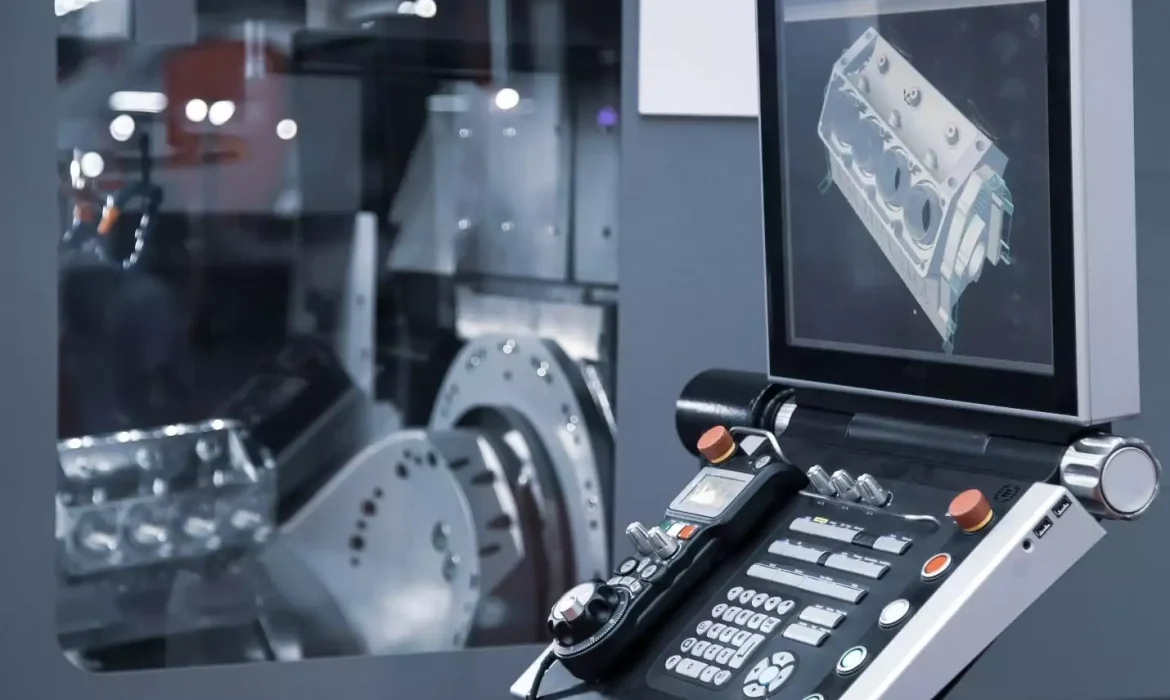
What Is 5-Axis CNC Machining?
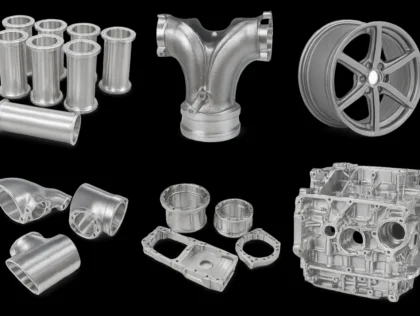
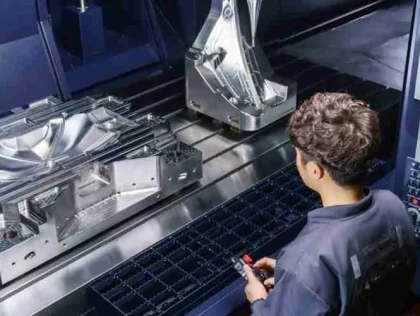
5-axis CNC machining is an advanced manufacturing process where a cutting tool moves simultaneously along five different axes. Unlike traditional 3-axis machining (which works on the X, Y, and Z linear axes), 5-axis adds two rotational axes—commonly labeled A and B or A and C. This allows the tool or the part to tilt and rotate, enabling complex geometry machining with high precision and efficiency.
Core Principles of 5-Axis CNC Machining
- Three Linear Axes: X (left-right), Y (front-back), Z (up-down)
- Two Rotational Axes: A (rotation around X-axis), B (rotation around Y-axis), or sometimes C (rotation around Z-axis)
- Movement along these axes happens either simultaneously or in coordinated steps to reach difficult angles and undercuts.
- Enables machining of complex shapes in a single setup for better accuracy and less manual intervention.
Types of 5-Axis Configurations
| Configuration | Description | Common Use |
|---|---|---|
| Trunnion Table | Rotary table tilts the part on two axes (A and B). | Large, heavy workpieces requiring precise positioning. |
| Swivel Head | The cutting head moves on two rotational axes. | Flexible tool orientation, ideal for intricate details. |
| Full Simultaneous | All five axes move at the same time continuously. | Complex surfaces like turbine blades and medical implants. |
| 3+2 Positioning | Rotational axes set the angle, linear axes do the cut; axes don’t move simultaneously. | Simpler multi-angle machining, faster programming. |
3-Axis vs. 5-Axis Capabilities
| Feature | 3-Axis CNC Machining | 5-Axis CNC Machining |
|---|---|---|
| Movement Axes | X, Y, Z | X, Y, Z + Two Rotational Axes (A/B or A/C) |
| Ability to Machine Undercuts | Limited | Excellent for undercuts and angled features |
| Number of Setups Required | Multiple setups needed | Typically done in a single setup |
| Surface Finish Quality | Moderate; often needs polishing | Superior surface finish, less manual work |
| Handling Complex Geometries | Difficult or impossible | Ideal for complex and intricate parts |
| Tool Accessibility | Restricted | Greater access to tight spaces |
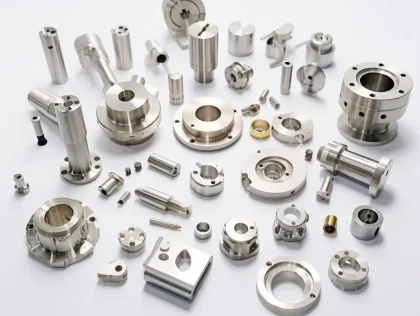
With its multi-axis CNC milling capabilities, 5-axis machining offers unmatched versatility for precision engineering components and complex geometry machining that 3-axis simply can’t achieve efficiently. This is why industries demanding high-precision part production, like aerospace and medical device machining, rely heavily on 5-axis CNC technology.
Key Benefits of 5-Axis CNC Machining for Complex Precision Parts
5-axis CNC machining offers significant advantages when producing complex precision parts. Here’s how it stands out from traditional methods:
Single-Setup Machining

With 5-axis machining, you can complete the entire part in one setup. This eliminates the need to reposition the workpiece multiple times, reducing the risk of errors and improving accuracy.
Superior Precision and Tighter Tolerances
It excels at creating undercuts, deep cavities, and angled features that are tough on 3-axis machines. The simultaneous multi-axis movement ensures higher precision and better adherence to tight tolerances.
Enhanced Surface Finish
Better tool angles lead to smoother cuts, which means superior surface finishes with less manual polishing required. This saves both time and labor in finishing processes.
Handling Challenging Materials
Materials like titanium and Inconel are notoriously hard to machine. 5-axis CNC machining can approach these materials at optimal tool angles, improving cut quality and reducing heat buildup.
Improved Tool Life and Efficiency
Shorter, more rigid tooling reduces deflection and wear, which means tools last longer and maintain consistent quality, even during longer runs.
Faster Production Cycles & Lower Labor Costs
Because it requires fewer setups and polishing steps, 5-axis machining cuts down overall production time and labor costs—especially for high-complexity parts.
| Benefit | Why It Matters |
|---|---|
| Single-Setup Machining | Reduces errors, improves accuracy |
| Superior Precision | Enables complex shapes & tight tolerances |
| Enhanced Surface Finish | Less polishing, faster turnaround |
| Challenging Material Handling | Better machining of tough alloys |
| Improved Tool Life | Cost savings on tooling |
| Faster Production | Lower labor & quicker delivery |
For precision components fabrication involving tough materials like titanium, exploring advanced 5-axis techniques can be a game changer. If you want a professional service that masters these benefits, consider checking out our precision CNC milling parts custom solutions that cater to complex geometry machining with high-precision standards.
Common Challenges and Limitations of 5-Axis CNC Machining
While 5-axis CNC machining opens doors to complex precision parts, it comes with its own set of challenges. First off, the higher initial investment in equipment and tooling can be a barrier for some shops. These advanced machines and the specialized tools they require cost significantly more than typical 3-axis setups.
Programming is another hurdle. The complex CAM software requirements for simultaneous multi-axis CNC milling demand detailed planning and advanced toolpath optimization. Without the right software and expertise, maximizing the machine’s capabilities can be tough.
Skilled operators are critical. Running and troubleshooting 5-axis equipment takes extensive training and hands-on experience, which adds to operational costs. Plus, there’s also a real risk of tool interference and collision, especially when working with tight geometries or intricate designs.
Because 5-axis machines have more moving parts, maintenance needs increase to keep everything running smoothly. This means more downtime and higher upkeep costs compared to simpler CNC machining capabilities.
Lastly, 5-axis machining is not always the most cost-effective choice for simple, high-volume prismatic parts. For straightforward geometries, a 3-axis machine might offer better ROI without the added complexity and expense.
Addressing these challenges unlocks the true potential of 5-axis machining but requires careful planning, investment in training, and the right software tools. For custom part solutions including specialized CAM programming, MS Machining offers expertise and advanced equipment to help you navigate these complexities efficiently. Learn more about our custom machining services to see how we manage these challenges for our clients.
5-Axis vs. 3-Axis Machining: When to Choose 5-Axis
Choosing between 5-axis and 3-axis CNC machining depends largely on your part’s complexity, required tolerances, and production volume. Each has its place, and understanding when to use one over the other can save time and money.
Decision Factors
| Factor | 3-Axis CNC Machining | 5-Axis CNC Machining |
|---|---|---|
| Part Complexity | Simple shapes, mostly flat surfaces | Complex geometries with undercuts and angled features |
| Tolerance Requirements | Moderate precision (±0.005″) | High-precision components (±0.001″ or tighter) |
| Production Volume | High-volume, repetitive parts | Low to mid-volume with complexity or tight tolerances |
| Setup Requirements | Multiple setups and fixtures often needed | Single-setup manufacturing reduces errors |
| Material Handling | Suitable for common materials | Better for tough materials like titanium and Inconel |
When 3-Axis Works Best
- Simple prismatic parts without complex angles
- High-volume runs where cost per part needs to be minimized
- Prototypes where speed is more important than intricate detail
When 5-Axis Delivers ROI
- Parts requiring tight tolerances and fine surface finishes
- Complex designs with deep cavities, undercuts, or multi-angle features
- Job runs where single-setup machining reduces labor and setup time
- Challenging materials needing optimized tool angles and longer tool life
For example, aerospace components like turbine blades or medical implants demand the precision and flexibility that 5-axis machining offers. Meanwhile, simpler automotive molds might only require 3-axis machining.
Understanding these distinctions helps optimize your manufacturing process and budget. For more detailed insight on various machining options, check out our guide on what is CNC milling.
Industry Applications and Case Studies
5-Axis CNC machining plays a crucial role across several industries requiring complex precision parts. In aerospace, it’s key for manufacturing turbine blades, structural brackets, and intricate engine components where tight tolerances and complex geometries are the norm. The medical sector relies on this technology for making implants, surgical instruments, and custom prosthetics that demand exacting precision and biocompatibility.
The automotive industry benefits from 5-axis machining for producing high-quality molds, rapid prototypes, and performance parts that often feature complex undercuts and angled surfaces. In energy, components like compressor blades and valve bodies require the superior surface finish and precision achievable only with advanced multi-axis CNC milling.
At MS Machining, we’ve helped clients overcome tough manufacturing hurdles by applying our advanced 5-axis capabilities. For example, our expertise in machining specialty alloys and complex shapes reduces setup times and enhances part accuracy. We also deliver custom solutions for precision components, including those made from hardened steel or stainless steel, tailored to your exact specifications and production goals. If you’re working with challenging materials or tricky designs, exploring our experience in hardened steel machining and stainless steel components can provide valuable insight into our capabilities.
This versatile machining approach is proving essential for businesses aiming to produce high-precision parts efficiently, especially when quality and reliability can’t be compromised.
Overcoming Challenges: Best Practices and Tips

Tackling the hurdles of 5-axis CNC machining starts with investing in advanced CAM software with simulation tools. These tools help you visualize complex toolpaths and catch potential collisions before machining starts, saving time and avoiding costly mistakes.
Next, ensure your team undergoes thorough operator training and process optimization. Skilled operators who understand multi-axis CNC milling can troubleshoot issues faster and make smarter adjustments, boosting overall precision and efficiency.
Fixture design is another key factor. Designing fixtures that allow maximum part accessibility reduces the need for multiple setups, which is crucial for single-setup manufacturing of complex geometry parts. A well-thought fixture also minimizes risks of tool interference and improves machining consistency.
Finally, prioritize material selection and toolpath planning to maximize machining efficiency and prolong tool life. Choosing the right tools and optimizing cutting paths for tough materials like titanium or Inconel can reduce wear and improve surface finish, essential for high-precision part production.
Implementing these best practices will help you get the most out of sophisticated 5-axis machining technology and overcome common challenges effectively. For industries like aerospace and medical device machining, where precision is critical, these strategies make a tangible difference in quality and turnaround times. Explore how our aerospace CNC parts solutions tackle complex challenges with expert process planning here.
Why Choose MS Machining for Your 5-Axis Projects
MS Machining stands out with its advanced 5-axis CNC machining capabilities, equipped with the latest multi-axis CNC milling technology designed for complex precision parts. Our machines offer simultaneous 5-axis machining that handles intricate geometries and tight tolerances, making us a trusted partner for high-precision part production.
We focus on:
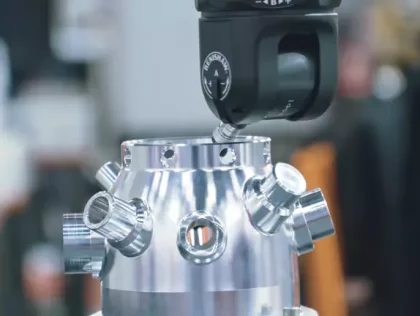
- Precision and Quality Control: Every part undergoes strict inspections to meet your exact specifications, ensuring minimal error and superior surface finish.
- Fast Turnaround: Optimized workflows and expert toolpath planning help us deliver quick results without sacrificing quality.
- Custom Solutions: We tailor machining strategies for challenging materials like titanium and Inconel and develop innovative fixture designs to tackle complex geometry CNC machining.
| MS Machining Advantages | What It Means for You |
|---|---|
| Latest Multi-Axis CNC Milling | Handles complex shapes easily |
| Expert CAM Programming | Smooth, collision-free toolpaths |
| Precision Quality Control | Tighter tolerances, less scrap |
| Fast Delivery Times | Meets tight production schedules |
| Custom Fabrication Solutions | Parts made exactly to spec |
Our experience with diverse industries—from aerospace to medical device machining—ensures we understand and solve your unique challenges. For specialized components, including those requiring enhanced surface finishes or tapered tooling, our approach integrates advanced CAM programming and process optimization.
To learn how we maintain peak quality with advanced material handling, check out our expertise in CNC plastic machining.
At MS Machining, you’re not just getting 5-axis machining—you’re getting a precision partner committed to delivering complex precision parts that push your projects forward.