
Understanding CNC Milling Axis Configurations
What CNC Milling Axes Mean in Machining Operations
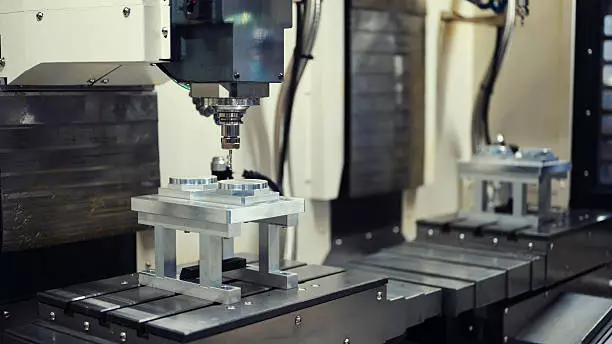
CNC milling axes define the directions in which a machine’s cutting tool can move to shape a part. A 3-axis CNC machine operates along the X, Y, and Z linear axes, allowing the tool to move left-right, front-back, and up-down. In contrast, 4-axis CNC milling adds a rotary axis—usually rotating the part or tool—enabling machining on multiple sides without repositioning. 5-axis CNC machining introduces an additional rotary axis, providing simultaneous movement across all five axes for more complex geometries.
These axis configurations directly influence the scope of what can be machined. 3-axis CNC machining handles simpler, flat parts, while multi-axis CNC milling—including 4-axis and 5-axis machines—opens up possibilities for intricate designs with undercuts and angled features. Understanding these axis movements is crucial when selecting the right CNC milling services tailored to your specific project needs.
How Axis Selection Affects Machining Accuracy and Setup Complexity
Choosing the appropriate axis configuration impacts both machining accuracy and production efficiency. 3-axis machining typically demands multiple setups to access different faces, which can introduce errors due to part repositioning. Conversely, 4-axis and 5-axis CNC machining reduce or eliminate the need for several setups by rotating the workpiece or tool, boosting precision especially in tight tolerance parts.
However, adding more axes increases the machine’s complexity and requires more advanced programming and fixturing solutions. While 5-axis CNC machining offers superior accuracy and surface finishes for complex parts, it can also involve longer setup times and higher initial costs. Balancing these factors assures optimal accuracy without unnecessarily complicating the manufacturing process.
3-Axis CNC Milling for Standard Machined Parts
Typical 3-Axis CNC Milling Applications
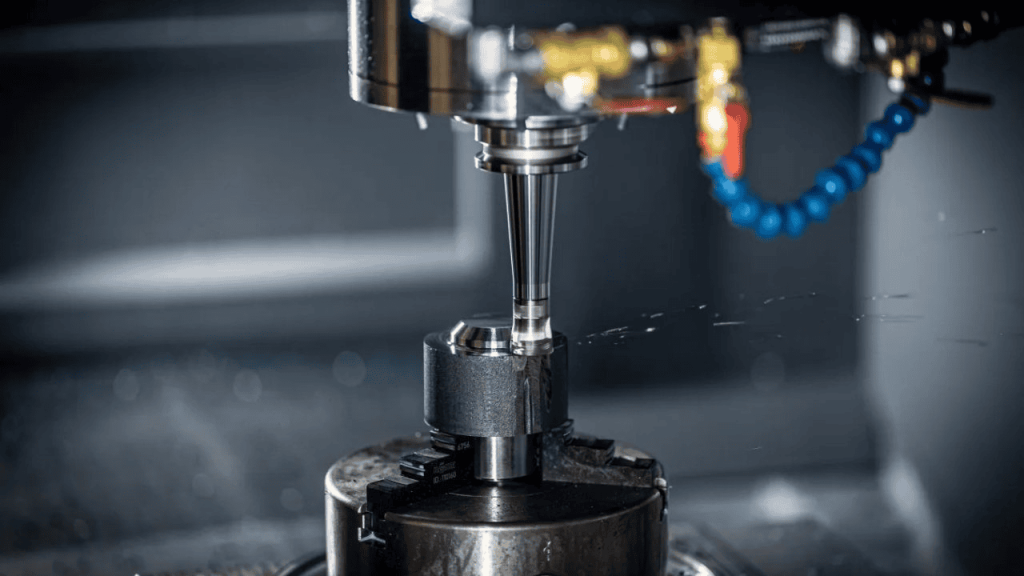
3-axis CNC milling is the go-to solution for many standard parts across industries. It’s ideal for flat or low-complexity shapes like brackets, plates, and simple housings. This method moves the cutting tool along the X, Y, and Z axes, making it perfect for parts that don’t require intricate angles or undercuts. Many manufacturers rely on 3-axis CNC machining for basic prototypes, fixtures, and parts with straightforward features. It’s a solid choice when working with materials like aluminum and steel, often used in precision CNC machining for industries that need consistent quality without complexity.
Cost-Effective CNC Milling for Simple Geometries
If your production involves simple geometries, 3-axis CNC milling offers excellent cost efficiency. The setup is generally quicker, tooling changes are minimal, and programming is less complex compared to multi-axis options. This translates to lower machining costs and shorter lead times. For small to medium production runs, 3-axis machining balances price and quality well. It’s especially effective when dealing with common materials such as stainless steel casting components and standard metals in the U.S. market, providing reliable results without overengineering.
Limitations of 3-Axis Machining in Complex Part Production
While 3-axis CNC milling is powerful, it hits limits with more complex parts. Features like deep undercuts, tight tolerance parts requiring multi-angle access, and 3D contoured surfaces are tough or impossible to machine efficiently. Multiple setups might be needed to reach all sides, increasing the risk of errors and longer lead times. This approach isn’t great for high-precision parts where every micron counts or for intricate designs seen in advanced aerospace or medical components. When project complexity surpasses basic needs, considering 4-axis or 5-axis CNC machining saves time and improves part quality, particularly for sophisticated stainless steel casting CNC machining applications.
4-Axis CNC Milling: Improved Flexibility for Multi-Side Machining
How Rotary Axis Machining Reduces Repositioning

A 4-axis CNC milling machine adds a rotary axis, typically rotating the workpiece around the X or Y axis. This rotation means fewer manual repositioning steps, cutting down setup time and reducing errors. Instead of flipping a part multiple times, the rotary axis allows machining on several sides in a single setup. This improves machining accuracy and saves time, especially for parts needing features on multiple faces.
Best CNC Milling Solution for Cylindrical and Indexed Parts
When dealing with cylindrical shapes, shafts, or parts that require precise angular features, 4-axis CNC milling is often the best choice. The extra rotary axis enables smooth, accurate machining of circular profiles, slots, and holes at specific angles. For indexed parts—those needing machining at fixed angles—4-axis CNC machining keeps things consistent and efficient, producing repeatable results without constant manual alignment.
When 4-Axis CNC Milling Improves Efficiency Without Overengineering
While 5-axis machining offers even more flexibility, 4-axis CNC milling can hit the sweet spot for many projects. It balances improved reach and multi-side machining with lower cost and simpler programming than full 5-axis machines. For jobs that don’t demand extreme complexity or tightest tolerances but benefit from faster turnaround and fewer setups, 4-axis CNC machining shines. It’s a practical solution that optimizes efficiency without adding unnecessary complexity.
For projects involving intricate shapes or precision requirements, combining 4-axis milling with materials from our comprehensive CNC machining materials list can further enhance results and durability.
5-Axis CNC Milling for Complex and High-Precision Components
Simultaneous vs Indexed 5-Axis CNC Machining

5-axis CNC milling offers two main operating modes: simultaneous and indexed. In simultaneous 5-axis machining, the cutting tool moves along five axes all at once, allowing for smooth, continuous toolpaths that handle complex shapes efficiently. This is ideal for parts with intricate curves and compound angles. Indexed 5-axis machining, on the other hand, rotates the part or tool to specific angles between machining steps. It’s a simpler approach that still enhances flexibility over 3- or 4-axis options but may require more setups. Choosing between these modes depends largely on part complexity and production volume.
Reducing Tolerance Stack-Up in Multi-Axis Machining
One key advantage of 5-axis CNC milling is its ability to minimize tolerance stack-up. By machining multiple features in a single setup, it reduces the cumulative errors that occur when parts are repositioned. This leads to tighter accuracy and consistent dimensions, which is essential for tight tolerance parts and precision CNC machining. For manufacturers needing reliability in every detail, 5-axis machining ensures fewer defects and better quality control.
Surface Finish and Feature Accessibility Advantages
5-axis CNC milling significantly improves surface finish by allowing optimal tool angles and smoother cutting paths. Complex features and undercuts become easily accessible without extra setups or manual corrections. This results in fewer marks and better overall aesthetics. For parts requiring fine finishes, like aerospace components or medical devices, 5-axis machining is often the best choice. If your project involves advanced materials or detailed contours, check out professional aluminum CNC machining services that leverage multi-axis milling for superior results.
Key Factors That Determine the Right CNC Milling Method
Part Geometry, Undercuts, and Feature Accessibility
Choosing the right milling axis depends heavily on your part’s shape and complexity. For parts with simple shapes and no undercuts, 3-axis CNC machining usually works fine. But when your design includes undercuts, deep cavities, or hard-to-reach features, 4-axis or 5-axis CNC milling offers better access and precision.
- 3-axis: Best for flat surfaces and straightforward cuts.
- 4-axis: Adds rotary motion to handle cylindrical parts and indexed features.
- 5-axis: Ideal for intricate shapes, complex angles, and multiple undercuts without repositioning the part.
Make sure your milling service understands how your part’s geometry affects machining. This improves overall machining accuracy and reduces the chance of errors during production.
Tolerance Requirements and Dimensional Consistency
Tight tolerance parts demand high precision and consistency. Multi-axis CNC milling—especially 5-axis machining—helps maintain tolerances across complex features by minimizing manual repositioning. This reduces tolerance stack-up and ensures dimensional accuracy throughout your part.
| Milling Type | Tolerance Capability | Best For |
|---|---|---|
| 3-axis | Moderate precision | Standard tolerance parts |
| 4-axis | Improved accuracy | Cylindrical parts, moderate tolerances |
| 5-axis | High precision, tight tolerances | Complex, critical parts |
Material Type and Machinability Considerations
Material significantly influences which CNC milling method fits best. Harder materials like hardened steel may require more rigid machines and precise toolpaths, usually found in advanced 5-axis CNC machining centers. Softer metals, such as brass or aluminum, often work fine on 3- or 4-axis machines.
- Hard materials = Need 5-axis CNC for better tool control
- Soft or standard metals = 3-axis or 4-axis usually sufficient
- Learn more about machining hardened steel parts in precision CNC processes here.
Production Volume and Process Repeatability
How many parts you need and how often you’ll repeat the run influences milling choice too.
- Low volume or prototypes: 3-axis might be the cheapest and fastest option.
- Medium volume with complex parts: 4-axis can reduce setups and improve throughput.
- High volume and tight repeatability: 5-axis milling offers consistent quality and less manual adjustment.
Balancing cost and efficiency is key here. Higher axis counts often mean higher upfront costs but lower per-part costs for complex, repeat runs.
Selecting the correct axis configuration for your CNC milling needs ensures better quality, lower costs, and smoother production—key for any manufacturing setup. For a deeper dive into precision cnc machining options, check out our guide on CNC machining basics and terminology.
Total Manufacturing Cost: More Than Just Machine Time
Setup Time, Fixturing Complexity, and Tool Changes
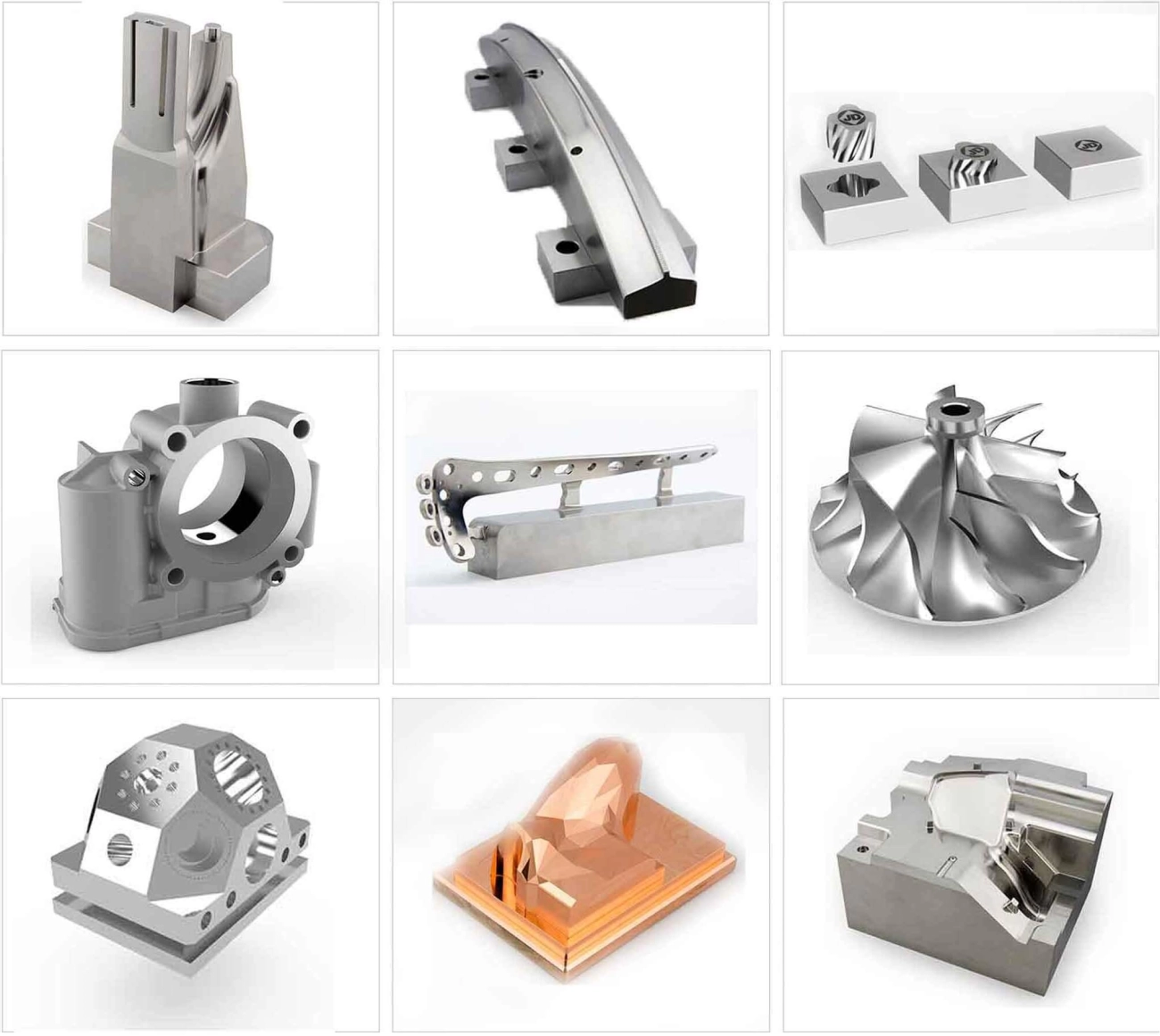
When evaluating the cost of CNC milling, it’s important to look beyond just the machine run time. Setup time can significantly impact your total manufacturing cost. Complex fixturing or multiple tool changes add hours to the process, increasing labor and overhead. For example, 5-axis CNC machining often requires more intricate setups to handle the machine’s full motion range, while 3-axis CNC machining typically involves simpler fixturing. Choosing the right axis configuration helps minimize these extra tasks, making your project more efficient and cost-effective.
Why Fewer Setups Can Improve Overall Part Quality
Every time you reposition a part for machining, there’s a risk of shifting and misalignment, which can cause dimensional inconsistencies. Using multi-axis CNC milling, such as 4-axis or 5-axis CNC machining, often reduces the need for multiple setups because the machine can access more surfaces without manual repositioning. Fewer setups lead to better machining accuracy, less tolerance stack-up, and ultimately higher quality parts. This precision is especially crucial when working on tight tolerance parts or complex components requiring smooth surface finishes.
Balancing CNC Machining Cost and Performance
Finding the right balance between cost and performance starts with matching the milling method to your part’s geometry and tolerance needs. While 3-axis CNC machines offer cost-effective solutions for simple designs, 4-axis or 5-axis CNC machining might be necessary for parts with complex features or tight tolerances despite their higher price. Working with experienced CNC milling services can help you optimize this balance by recommending the ideal machining strategy, reducing costly trial runs, and improving long-term efficiency. For precision CNC machining that fits your budget without compromising quality, consider partners skilled in multi-axis CNC milling and machining accuracy strategies. Explore detailed custom options through custom CNC machining services to streamline your manufacturing costs.
Common Buyer Mistakes When Selecting CNC Milling Services
Choosing Based Only on Machine Capability
One common mistake buyers make is picking a CNC milling service just because they offer the latest 3-axis, 4-axis, or 5-axis CNC machining equipment. While machine capability matters, it’s not the whole story. A powerful multi-axis CNC milling machine doesn’t guarantee the best results if the shop lacks experience with your specific part or material. Instead, focus on the provider’s track record with similar jobs and their ability to deliver consistent machining accuracy and tight tolerance parts that meet your needs.
Ignoring Design for Manufacturability (DFM) Feedback
Many buyers overlook the importance of Design for Manufacturability (DFM) input early in the process. CNC machining services often offer valuable guidance that can simplify your design or improve production efficiency. Ignoring this feedback can lead to costly reworks, longer lead times, and wasted materials. Collaborating closely with your machining partner helps ensure your design fits the capabilities and limitations of 3-axis, 4-axis, or 5-axis CNC milling, ultimately reducing costs and improving quality. For precision projects, working with experienced CNC machining services that provide strong DFM recommendations is key.
Overlooking Long-Term Scalability for Repeat Orders
Another frequent oversight is not considering scalability when choosing a CNC milling service. Your current job might be small, but will you need more parts later? Selecting a shop capable of handling increased production volumes without sacrificing quality or lead times saves hassle down the road. Look for providers who understand how to balance machining accuracy, setup complexity, and repeatability, whether using multi-axis CNC milling for simple or complex parts. Planning ahead means smoother process repeatability and better cost control as your production grows.
For deeper insights on optimizing CNC machining processes, consider exploring how precision CNC machining tackles varied part requirements and materials to help you make informed decisions.
How CNC Machining Services Help Optimize Axis Selection
Process Planning Based on Part Requirements
A smart CNC machining service starts by evaluating your part’s geometry, material, and tolerances. This helps determine if 3-axis, 4-axis, or 5-axis CNC milling fits best. For example:
- Simple flat parts usually suit 3-axis CNC machining.
- Parts needing extra side access work better on a 4-axis CNC machine.
- Complex shapes and tight tolerance parts often require 5-axis CNC machining for precision.
Choosing the right axis setup upfront cuts down on costly revisions and ensures manufacturing is smooth and efficient. Professional services tailor the plan to match your design needs, reducing waste and boosting accuracy.
Reducing Risk Through Machining Strategy Evaluation
Experienced CNC machining providers assess risks like part repositioning errors, fixture complications, and tool accessibility before production. They help you:
- Avoid unnecessary setups by selecting the ideal axis count.
- Minimize tolerance stack-up, keeping precision tight.
- Streamline tool paths, improving turnaround time.
This evaluation lowers risks linked to costly delays or quality issues, especially for tight tolerance parts. Partnering with a service focused on strategy evaluation means you get reliable, consistent outcomes.
Aligning Quality Expectations With Lead Time
Balancing quality with lead time is a common challenge. CNC machining services help by:
| Quality Goal | Typical Axis Choice | Impact on Lead Time |
|————————|—————————-|——————————-|
| Standard parts | 3-axis CNC milling | Fast setups, quicker delivery |
| Moderate complexity | 4-axis CNC milling | Slightly longer, better access |
| High precision/complex | 5-axis CNC machining | Longer prep, top quality finish |
They advise you on realistic lead times without compromising your quality needs. This way, you avoid surprises and get parts ready when promised — a must for high-volume or tight-deadline jobs.
For deeper insights on custom parts and how machining choices affect production timelines, check out our detailed guide on best custom CNC machining parts manufacturing.
By working with professional CNC milling services, you ensure axis selection is optimized to your specific part, offering the best balance of cost, quality, and delivery time.