
What Is CNC Threading?
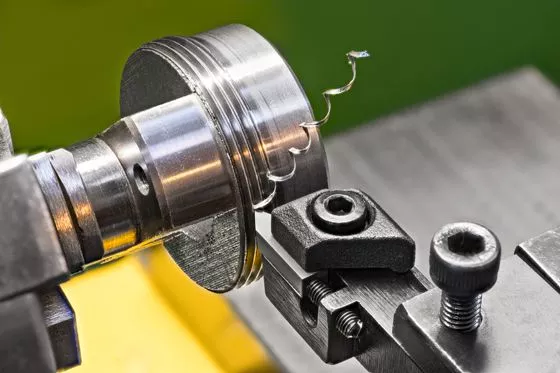
CNC threading is the process of using computer-controlled machines to cut precise helical grooves, creating threads on parts. Unlike manual threading, where an operator guides tools by hand, CNC threading relies on programmed instructions for accuracy and repeatability. This automation delivers consistent thread quality and speeds up production.
CNC machines produce two main types of threads:
- Internal threads (female): Threads cut inside holes, like in nuts or threaded holes.
- External threads (male): Threads cut on the outside of cylindrical parts, like bolts or screws.
These threads follow various standards to fit different applications. Common standards supported include:
| Thread Standard | Description |
|---|---|
| Metric | Worldwide standard, measured in millimeters |
| Imperial (UNF/UNC) | Unified National Fine/Coarse threads, standard in the US |
| Tapered | Threads that narrow or widen, used for sealing (e.g., pipe threads) |
| Multi-start | Threads with multiple grooves for faster engagement or strength |
CNC threading easily adapts to these standards, allowing manufacturers to meet diverse project requirements with precision.
Can CNC Machines Cut Threads? Key Capabilities
Yes, CNC machines routinely cut high-quality threads with great precision and consistency. Both CNC lathes and mills are well-equipped to produce threads, but each excels in different areas.
CNC lathes are ideal for cutting external threads on cylindrical parts. They spin the workpiece while the cutting tool follows a precise helical path, making them perfect for fast, accurate external threading, especially on round shafts or bolts.
On the other hand, CNC mills offer more versatility. They can cut both internal and external threads on complex geometries, including non-cylindrical shapes. Using multi-axis CNC mills allows for threading at precise angles, including tapered or multi-start threads, which would be tough to manage on a lathe.
Multi-axis CNC threading machines combine these benefits by increasing efficiency and ensuring tight tolerances through synchronized tool movement. This precision is especially important when working with custom thread profiles or difficult materials, delivering superior results for various industrial applications.
For high-quality machining of a wide range of materials, including metals like brass, stainless steel, and aluminum, consider checking out our detailed CNC machining materials list to understand the best options for your thread-cutting projects.
Common CNC Threading Methods
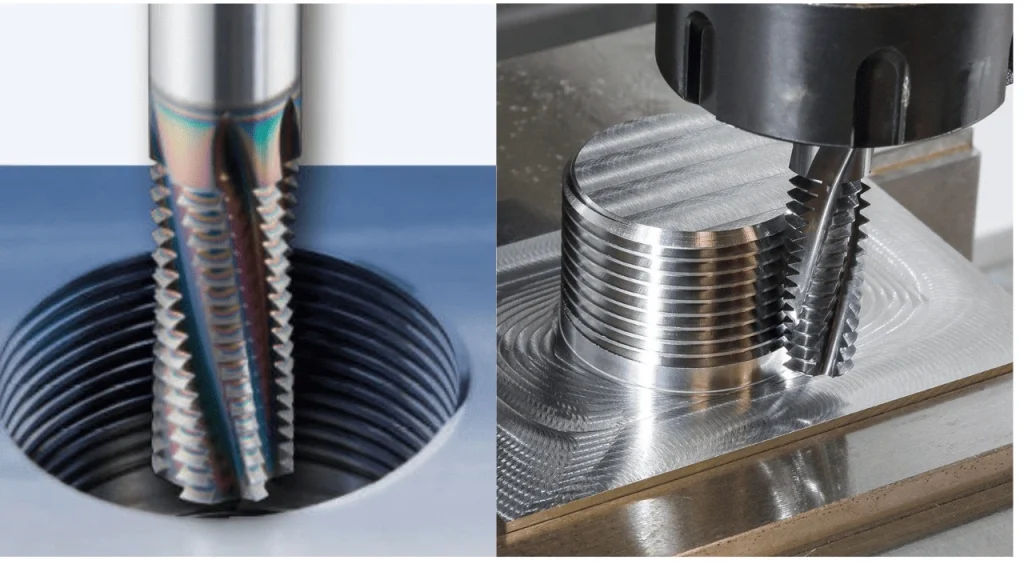
When it comes to CNC threading, there are three main methods used depending on the part requirements and machine type: single-point threading, tapping, and thread milling.
Single-Point Threading
This method is mainly done on CNC lathes. It involves using a single cutting tool, often with indexable inserts, to machine threads one at a time. Single-point threading is ideal for custom thread pitches and large-diameter external threads on cylindrical parts. It offers high precision and flexibility, especially for one-off or low-volume runs where unique thread profiles are needed.
Tapping (Rigid Tapping)
Tapping is the fastest way to create internal threads on CNC machines, especially for high-volume production. Using taps (usually solid carbide), the process requires precise synchronization between the spindle and the tap’s rotation to avoid tool breakage and ensure thread quality. Rigid tapping is effective for standard metric and imperial threads and is common when speed and efficiency are critical.
Thread Milling
Thread milling is versatile and works for both internal and external threads on CNC mills or mill-turn machines. This method uses helical interpolation to cut threads, making it perfect for hard materials and thin walls since it removes less material at once. Thread mills come in single-form or multi-form designs, allowing flexible machining of different thread profiles with longer tool life. Multi-axis CNC threading with thread milling enhances precision for complex geometries and difficult-to-reach areas.
| Method | Speed | Precision | Tool Life | Best Materials/Parts |
|---|---|---|---|---|
| Single-Point | Moderate | High | Moderate | Custom pitches, large diameters |
| Tapping (Rigid) | Fast | Good | Limited by tap | Standard threads, high volume |
| Thread Milling | Moderate-Slow | Very High | Long | Hard materials, thin walls |
Choosing the right CNC threading method depends on your part’s thread type, volume, material, and required precision. For more on CNC machining equipment, check out our detailed guide on CNC milling machines.
Tools and Equipment for CNC Threading
CNC threading requires the right tools and equipment to ensure precision and efficiency. The most common threading tools include threading inserts and holders, which are widely used on CNC lathes. These inserts come in various profiles designed to cut specific thread types, handling everything from fine, delicate threads to coarse, heavy-duty ones.
For internal threading, taps and thread mills are standard. Solid carbide taps offer high stiffness and durability, making them ideal for hard materials and high-volume production. On the other hand, indexable thread mills give extra flexibility with replaceable cutting edges, perfect for custom profiles and variable thread sizes, especially when paired with mill-turn machines.
Programming these tools correctly is essential for good results. CNC machines commonly use G-codes like G76 for multi-pass threading on lathes and helical interpolation paths for thread milling on CNC mills. Familiarity with these codes helps ensure consistent thread quality and machine efficiency.
Proper coolant use and chip management are also crucial. Using the right coolant reduces heat and tool wear, while efficient chip evacuation prevents damage to both the workpiece and the tool—especially important in internal threading where chip clearance is limited.
For precise, reliable threading on CNC machines, having the right tools combined with skilled programming and maintenance keeps production smooth and on target. Explore our capabilities in CNC turning to see how advanced threading tools and programming come together for quality parts.
Internal vs. External Threads in CNC Machining
When it comes to CNC threading, internal and external threads each come with their own challenges and best practices.
Internal threading—like threading inside blind holes—can be tricky due to limited space and chip evacuation issues. Proper chip removal is key; otherwise, chips can cause tool breakage or poor thread quality. Using techniques such as peck tapping or programmed chip-clearance pauses helps keep the thread clean and precise. Coolant flow and tool selection also play major roles in ensuring smooth internal thread cutting.
On the other hand, external threading—commonly done on CNC lathes—tends to be faster and more straightforward. Lathes excel at producing external threads on cylindrical parts with high repeatability and productivity. For external threads, maintaining consistent speeds and proper tool alignment prevents chatter and produces crisp threads.
Best practices for internal threading:
- Use rigid tapping or thread milling for better chip control.
- Optimize coolant and chip evacuation.
- Program precise depth steps to avoid overloading the tool.
Best practices for external threading:
- Choose the right threading insert for pitch and form.
- Maintain steady spindle speeds and feed rates.
- Monitor tool wear regularly for consistent quality.
Understanding these differences helps maximize efficiency and part quality whether you’re producing internal threads in tight spaces or quick external threads on lathe setups. For more insights on advanced CNC machining techniques, you might explore our detailed overview of advanced 5-axis CNC machining services.
Advantages of CNC Threading
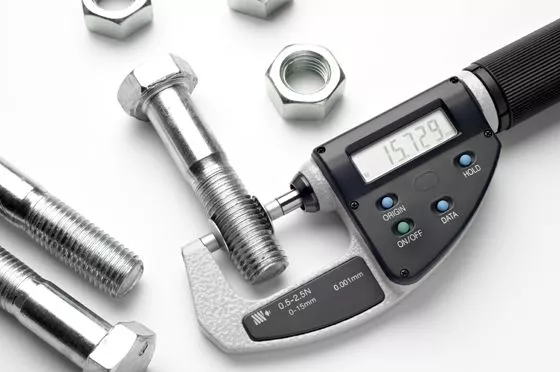
CNC threading offers superior precision and consistency compared to traditional manual methods. Because the process is computer-controlled, it ensures every thread meets exact specifications, which is crucial for high-quality, reliable parts. This precision reduces errors and waste, saving both time and materials.
Another advantage is reduced downtime. CNC machines switch quickly from prototype runs to full production without extensive retooling, giving manufacturers great flexibility across different jobs. Whether you need a custom thread profile or large volume runs, CNC threading adapts efficiently to your needs.
Finally, CNC threading is cost-effective, especially for complex or high-value parts. The automation cuts labor costs and minimizes defects, which helps control expenses. For businesses focused on durable, precision-threaded components, CNC threading provides an excellent return on investment, supporting reliable manufacturing at scale. For more insight on precision machining, check out our detailed guide on precision CNC machining.
Best Practices and Tips for Successful CNC Threading
To get the most out of CNC threading, a few key practices can boost precision and tool life while avoiding common headaches.
Material Considerations:
- Aluminum: Easy to machine with faster speeds but watch for gummy chips. Use sharp, high-helix threading inserts to prevent chip buildup.
- Steel: Requires slower feeds and tougher tooling, especially for hardened grades. Coolant helps manage heat and reduce wear.
- Titanium: Demands careful control of speeds and feeds to avoid overheating and tool wear. Use rigid tapping or thread milling with carbide tools for best results.
Speeds, Feeds, and Infeed Methods:
- Use manufacturer-recommended speeds and feeds tailored to the threading method and material.
- For single-point threading, gradual infeed per pass reduces tool stress and improves thread finish.
- Avoid excessive depth per pass to limit chatter, which causes poor surface quality and reduced precision.
Avoiding Common Defects:
- Burrs: Minimize burr formation by keeping sharp tools and proper feed rates. Deburr manually or with secondary operations if necessary.
- Chatter: Ensure rigid setup, balanced tooling, and controlled feed to prevent vibration during cutting.
Quality Control:
- Regularly use thread gauges and optical inspection to verify thread form and dimensions.
- Monitor tool wear to avoid off-tolerance parts and maintain consistent threaded CNC parts quality.
Following these tips ensures your CNC threads come out clean, precise, and ready for reliable assembly every time. For additional support on precision thread machining and maintaining optimal machining conditions, working with a dedicated specialist like MS Machining can make a big difference. Explore our precision CNC milling parts custom services for expert help in manufacturing complex, high-quality threaded components.
Why Choose MS Machining for Your Threaded Parts
At MS Machining, we specialize in precise, reliable CNC threading tailored for your exact needs. Our advanced CNC machines handle everything from custom thread profiles to standard metric and imperial threads, ensuring consistent quality on every part.
We work with a wide range of materials — from aluminum and stainless steel to tougher alloys like titanium. This experience allows us to deliver threaded CNC parts that meet your strength and durability requirements without compromise.
Here’s why MS Machining stands out:
| Feature | Benefit |
|---|---|
| Advanced multi-axis CNC machines | High precision, complex thread geometries |
| Wide material expertise | Versatility for all industrial needs |
| Quick turnaround times | Faster delivery without sacrificing quality |
| Skilled programming team | Accurate G-code for perfect threads |
| Quality control processes | Consistent and reliable thread geometry |
If you’re looking for trusted precision thread machining, MS Machining combines technology and experience to deliver exactly what your project needs. Check out our CNC precision machining services for more on how we can help you with threaded CNC parts that stand up to your toughest demands.