
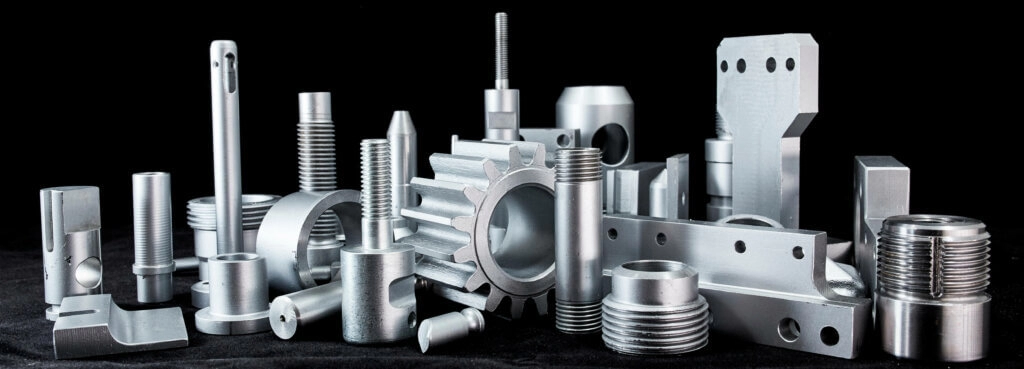
If you’ve ever wondered what CNC precision machining is and why it’s a critical process in manufacturing, you’re not alone. Whether you’re an engineer specifying parts, a product designer exploring options, or just getting started in industrial production, understanding this process can make all the difference. In short, CNC precision machining is a highly accurate, computer-controlled method that shapes materials down to tolerances as tight as ±0.0001″—think parts so precise they fit and function perfectly in aerospace engines or medical devices. With demand soaring for smaller, lighter, and more complex components in 2026, mastering how this technology works and what sets it apart is essential. Keep reading to learn how CNC precision machining delivers unmatched quality, why precision really matters, and what to look for when choosing a machining partner like MS Machining.
What Exactly Is CNC Precision Machining?
CNC precision machining is a highly specialized process that uses computer numerical control (CNC) to create parts with extremely tight tolerances, consistent repeatability, and superior surface finishes. While standard CNC machining automates cutting and shaping, precision machining focuses on parts that demand exacting accuracy — often within thousandths or even ten-thousandths of an inch.
Difference Between Standard CNC and Precision Machining
| Feature | Conventional Machining | Standard CNC Machining | CNC Precision Machining |
|---|---|---|---|
| Accuracy/Tolerance | ±0.005″ or more | ±0.001″ to ±0.005″ | ±0.0001″ to ±0.001″ |
| Repeatability | Low to moderate | Good | Exceptional |
| Surface Finish | Rough to moderate | Good | Superior, mirror-like |
| Automation Level | Manual or semi-automatic | Fully automated | Advanced CNC controls + sensors |
| Suitable Parts | Simple, larger tolerances | Medium complexity | High complexity, tight specs |
Key Characteristics of CNC Precision Machining
- Repeatability: Consistently produces identical parts, crucial for industries like aerospace and medical devices.
- Tight Tolerances: Maintains dimensional accuracy down to ±0.0001 inches.
- Superior Surface Finish: Achieves fine surface texture suitable for functional and cosmetic uses.
In real-world terms, CNC precision machining is what you turn to when an off-the-shelf machine or regular CNC just won’t cut it. It’s the difference between a part that just fits and one that performs flawlessly under critical conditions.
How CNC Precision Machining Works (Step-by-Step)
CNC precision machining follows a detailed, step-by-step process to deliver parts with tight tolerance and superior surface finish. Here’s how it typically works:
Design Phase → CAD Model
The process starts with creating a detailed 3D CAD model of the part. This digital design includes all dimensions and specifications needed for production.
CAM Programming & Toolpath Generation
Next, CAM software takes the CAD model and generates toolpaths—the exact movements the machine tools will follow. This ensures precise cutting and efficient machining.
Machine Setup (Fixturing, Workholding, Tool Selection)
Proper setup is crucial. The workpiece is securely fixtured and held in place. Tool holders and cutting tools are carefully selected based on the material and operation to ensure accuracy and tool life.
Cutting Operations
Depending on the part design, multiple cutting operations may be used, such as:
- CNC milling (3- to 5-axis or more)
- CNC turning, including advanced Swiss-type machining for small, complex components
- Grinding processes for ultra-smooth surface finishes
These steps shape the raw material into the final part.
In-Process and Final Inspection
Precision machining demands rigorous quality checks. In-process inspection uses Coordinate Measuring Machines (CMM), optical comparators, or laser scanning to measure tolerances and detect any deviation early. Final inspection confirms all dimensions and surface finishes meet specifications before shipping.
This structured CNC precision machining process ensures repeatability and tight tolerances, essential for high-precision parts in industries like aerospace and medical device manufacturing. For specialized turning needs, explore our detailed CNC turning services, tailored for complex precision components.
Core Technologies & Machines Used in Precision Machining

CNC precision machining relies on advanced technologies and specialized machines to deliver the tight tolerances and superior finishes required. Here are the key players:
3- to 5-axis (and beyond) CNC Mills: These multi-axis machines move cutting tools along multiple axes simultaneously, allowing complex shapes and undercuts to be machined in a single setup. The extra axes boost flexibility and precision, especially for intricate parts.
CNC Swiss-type Lathes: Known for their ability to produce small, high-precision components, Swiss lathes feed bar stock through a guide bushing for exceptional stability. They’re perfect for micro precision machining in medical and aerospace applications.
Multi-axis Mill-Turn Centers: Combining milling and turning capabilities in one machine, these centers reduce setups and improve accuracy for parts requiring both operations. This integration is ideal for custom precision parts manufacturing.
Wire EDM and Sinker EDM: Electrical Discharge Machining (EDM) methods use electrical sparks to cut hard metals with minimal mechanical stress. Wire EDM is great for fine, complex profiles, while sinker EDM excels in producing cavities and tool features.
Precision Grinding and Lapping: After cutting, grinding and lapping improve surface finish and achieve ultra-tight tolerances. These processes are crucial when the highest dimensional accuracy and mirror-like finishes are needed.
Each of these machines plays a vital role in the CNC precision machining process, enabling manufacturers to meet demanding specs in industries like aerospace and medical device machining. For example, MS Machining’s expertise with 5-axis CNC milling delivers complex geometries with unmatched repeatability. Learn more about our precision milling capabilities here.
Materials Commonly Used in Precision CNC Machining

Precision CNC machining works best with a wide range of materials depending on the application’s strength, durability, and finish requirements. Here are some of the most common materials you’ll find in this process:
- Aluminum (6061, 7075, MIC-6): Lightweight and corrosion-resistant, aluminum alloys like 6061 and 7075 are favorites for aerospace and automotive parts. MIC-6 is a cast aluminum plate known for its stability and flatness.
- Stainless Steel (17-4PH, 316L, Nitronic 60): These stainless grades are widely used for their strength and corrosion resistance, especially in medical devices and harsh environments.
- Titanium (Ti-6Al-4V): Known for its excellent strength-to-weight ratio and corrosion resistance, titanium is popular in aerospace and medical applications.
- Inconel & Hastelloy: These superalloys excel in high-temperature and corrosive environments, making them ideal for aerospace engines and chemical processing equipment.
- Engineering Plastics (PEEK, Ultem, Torlon): High-performance plastics like PEEK and Ultem offer great chemical resistance and strength, often used when metal weight or conductivity is a concern.
- Copper Alloys and Brass: Thanks to their excellent thermal and electrical conductivity, copper alloys and brass are common in electrical components and heat exchangers.
Each of these materials requires specific cutting tools and settings, making CNC machining metal parts a specialized skill that precision shops excel at handling efficiently.
Achievable Tolerances & Surface Finishes
CNC precision machining delivers impressive tolerance levels, ranging from standard ±0.001″ down to ultra-precision tolerances as tight as ±0.0001″. This makes it ideal for parts that demand exact dimensions and fit, such as aerospace or medical components. When it comes to surface finishes, typical Ra (roughness average) values can go from about 63 microinches (µin) all the way down to 4 µin—or even better, achieving a mirror-like finish.
Several factors influence how precise the final part can be, including:
- Machine accuracy and stability
- Tool condition and wear
- Material properties and hardness
- Cutting parameters like speed and feed rate
- Fixturing quality and vibration control
- Environmental conditions, such as temperature and cleanliness
Mastering these helps achieve consistent, high-precision results. For parts needing exceptionally tight tolerances or superior finishes, advanced CNC mills and Swiss-type lathes paired with thorough inspection methods ensure nothing is left to chance.
If you’re looking for complex shapes with tight tolerance machining, explore our CNC milling services for complex components to understand how precision machining meets demanding specifications.
Industries That Depend on CNC Precision Machining
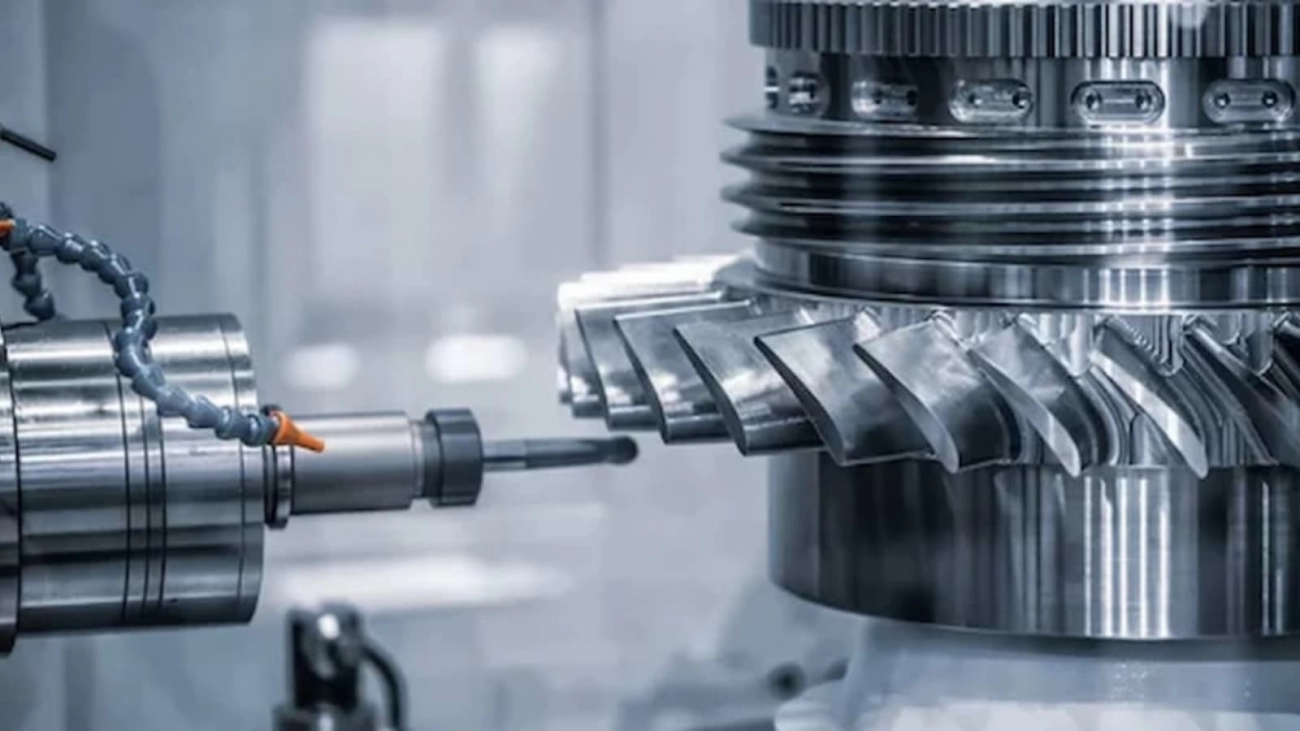
CNC precision machining plays a critical role across multiple high-tech industries where exactness and reliability are non-negotiable. Here are some key sectors that rely heavily on precision machined components:
- Aerospace & Defense: Quality and safety standards demand tight tolerance machining for parts like turbine blades, structural components, and defense equipment. Aerospace CNC machining ensures reliability under extreme conditions.
- Medical Devices & Surgical Instruments: Precision is vital in producing implants, surgical tools, and diagnostic equipment. Medical device machining requires biocompatible materials and ultra-fine surface finishes.
- Semiconductor Equipment: Components used in semiconductor manufacturing require micro precision machining to achieve tiny, complex geometries with flawless accuracy.
- Automotive & EV Powertrain: From engine parts to electric vehicle powertrains, CNC precision machining provides durable, high-performance parts that maintain tight tolerances for efficiency and longevity.
- Optics and Photonics: Precision-machined mounts, lenses, and housings require superior surface finishes and exact dimensions for effective optical performance.
- Robotics and Automation: High-precision CNC parts are essential for robotic joints, sensors, and automation equipment where repeatability and durability matter.
These industries rely not only on the machining process itself but also on expert CAD/CAM programming and advanced quality inspections to meet complex specifications. For processes like these, advanced multi-axis machines and high-precision tools are common.
If you want to explore how rapid CNC machining speeds up production without sacrificing accuracy, check out our detailed insights on rapid CNC machining speed and precision.
Benefits of CNC Precision Machining
CNC precision machining offers several key advantages that make it a top choice for manufacturers across many industries:
Unmatched accuracy and repeatability
CNC precision machines maintain extremely tight tolerances consistently, ensuring every part is virtually identical—critical for aerospace, medical, and automotive applications.
Complex geometries in one setup
Advanced CNC machines, especially 5-axis and multi-axis centers, handle intricate shapes without multiple setups. This saves time and reduces errors.
Superior material properties vs. additive methods
Since precision machining is subtractive, it preserves the original material’s strength and integrity, unlike some 3D printed parts that can have weaker microstructures.
Scalability from prototype to high-volume production
Whether you need one prototype or thousands of parts, CNC precision machining scales efficiently, adapting to your project’s size without losing quality.
| Benefit | Why It Matters |
|---|---|
| Accuracy & repeatability | Consistent parts meet strict specs every time |
| Complex part capability | Reduces assembly time and handling errors |
| Material integrity | Parts perform better under stress and wear |
| Scalable production | Cost-efficient from prototype to mass output |
For businesses looking to optimize performance, CNC precision machining balances precision with flexibility, making it a reliable way to manufacture high-precision components. If you’re interested in how precision machining enhances component efficiency, check out details on impeller polished machining for a real-world example.
Limitations and When Not to Use CNC Precision Machining
While CNC precision machining offers outstanding accuracy and surface finish, it’s not always the best fit for every project. Here are some key limitations to consider:
- Higher Cost for Low-Volume Simple Parts: The setup and programming for precision CNC machining can be expensive. For small runs of simple parts, this cost might not justify the benefits compared to other methods.
- Material Waste: Since CNC machining is a subtractive process, it removes material from a solid block, which can generate significant scrap, especially with expensive alloys like titanium or Inconel.
- Longer Lead Times for Complex Setups: Precision machining sometimes requires multiple setups or specialized tooling, possibly extending production time.
Alternatives to Consider
For projects where CNC precision machining doesn’t make sense, several other options could provide better efficiency and cost savings:
- 3D Printing: Ideal for rapid prototyping or complex geometries without the material waste, though surface finish and material strength may not match CNC parts.
- Metal Injection Molding (MIM): Good for high-volume production of small, complex metal parts with tight tolerances at lower unit costs.
- Die Casting: Suitable for large runs of complex shapes, offering fast production and minimal waste but limited to castable metals.
Choosing the right manufacturing method depends on your volume, complexity, material, and finish requirements. For expert advice on CNC milling and turning or more advanced CNC precision machining services, check out our detailed guide on CNC turning and milling.
How to Choose a CNC Precision Machining Partner in 2026
Picking the right CNC precision machining partner can make or break your project’s success. Here’s what to look for in 2026:
| Key Factor | Why It Matters |
|---|---|
| Certifications | AS9100 for aerospace, ISO 13485 for medical, ITAR compliance ensure strict quality and security standards. |
| Metrology Capabilities | Accurate inspections using CMM, laser scanning, and optical comparators guarantee parts meet tight tolerances. |
| Material Traceability | Full documentation of materials ensures part reliability, especially critical in aerospace and medical industries. |
| Engineering Support & DFM | Expert feedback on Design for Manufacturability (DFM) reduces costs and prevents delays. |
| Quick-Turn vs. Capacity | Balance between turnaround time for prototypes and the ability to handle high-volume production. |
Why MS Machining Stands Out
MS Machining is a trusted name in aerospace and medical device CNC precision machining because it ticks all these boxes. Their strict adherence to certifications like AS9100, advanced metrology systems, and thorough material traceability combine to deliver dependable, high-quality parts. Plus, their engineering team offers hands-on DFM support for smoother project workflows. For businesses needing quick-turnaround projects or full-scale production runs, MS Machining offers flexible capacity without sacrificing quality.
If you’re exploring precision machining for stainless steel components, their expertise in stainless steel casting CNC machining applications is a great example of their precision and reliability.
Choosing a partner that blends technical capability with proven industry experience—like MS Machining—will give your next project the edge it deserves.
The Future of CNC Precision Machining
CNC precision machining is evolving quickly, driven by new tech that boosts efficiency and quality. One major trend is AI-driven toolpath optimization, where artificial intelligence crafts smarter, faster cutting paths. This means less waste, quicker cycles, and improved accuracy on every run.
We’re also seeing more hybrid additive-subtractive machines that blend 3D printing with traditional CNC machining. These setups let manufacturers build complex parts layer-by-layer, then refine them with precise cuts, opening up new possibilities for design and materials.
Another breakthrough is the use of digital twins—virtual replicas of machines and processes that enable real-time monitoring and predictive maintenance. This reduces downtime and keeps everything running smoothly, saving time and money.
Sustainability is becoming a key focus, too. Technologies like coolant recycling systems and energy-efficient spindles help cut environmental impact while maintaining tight tolerances and fine surface finishes. These green upgrades align with industry demands for eco-friendly manufacturing without sacrificing performance.
Together, these advances will shape the next decade of precision machining, delivering better parts faster and with less waste—a clear win for aerospace, medical, and other high-demand industries.
For insights on precision milling, check out our detailed overview of the 4-axis CNC mill and how it fits into modern machining workflows.