
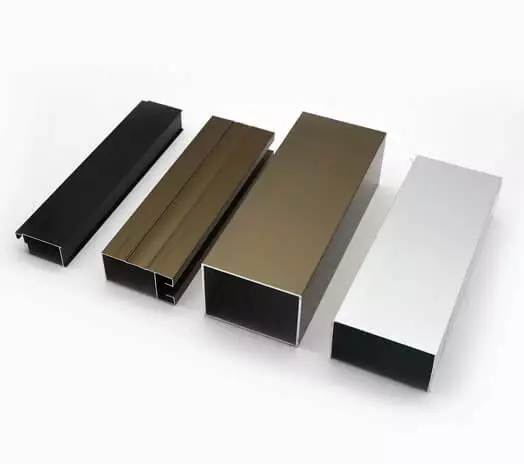
The Science Behind Anodizing
Anodizing is an electrochemical process that enhances the natural oxide layer on metals, most commonly aluminum. Unlike the thin, fragile oxide film that forms naturally when metal reacts with oxygen, anodizing creates a thicker, more durable oxide layer bonded tightly to the metal surface. This enhanced coating improves corrosion resistance, hardness, and surface adhesion for dyes or lubricants.
Natural vs. Enhanced Oxide Layer
| Feature | Natural Oxide Layer | Anodized Oxide Layer |
|---|---|---|
| Thickness | 2-5 nanometers | 5-25 micrometers (Type II) |
| Durability | Fragile, easily scratched | Hard, abrasion-resistant |
| Porosity | Non-porous | Porous surface before sealing |
| Corrosion Resistance | Limited | High, with proper sealing |
Anodizing creates a controlled oxide coating that’s 10-10,000 times thicker than the natural layer, fundamentally changing the metal’s surface properties.
Electrochemical Basics of Anodizing
At its core, anodizing works by immersing the aluminum part into an electrolyte bath (usually sulfuric acid). The part acts as the anode (positive electrode), while a cathode completes the circuit. When electrical current passes through:
- Oxygen ions combine with aluminum atoms at the surface.
- A porous aluminum oxide layer builds up, growing from the metal outward.
- Thickness and properties depend on current, temperature, and electrolyte type.
Differences from Plating and Coating
| Process | Anodizing | Plating | Coating/Painting |
|---|---|---|---|
| Layer Formation | Grows oxide layer from metal base | Applies metal layer onto base | Applies polymer or paint layer |
| Adhesion | Integral to metal surface | Physically bonded | Surface adhesion, can peel |
| Durability | Very high, hard and corrosion resistant | Variable, can wear off | Less durable under abrasion |
| Environmental Impact | Generally eco-friendly, minimal waste | Can use hazardous chemicals | May release VOCs and solvents |
Anodizing Setup Diagram
+————————-+
| Power Supply |
+————+————+
|
| (+) Anode (Aluminum part)
+——–|——–+
| Sulfuric Acid |
| — |
| Electrolyte Bath |
+——–|——–+
|
| (-) Cathode (Lead or stainless steel)
|
Ground or Neutral
This simple setup ensures a controlled oxide layer grows uniformly over the aluminum surface during anodizing.
By understanding the science behind anodizing—the controlled growth of a natural oxide layer into a powerful, protective finish—we set the foundation for mastering the rest of the anodizing process. In Wyoming’s tough environments, this means parts that last longer, resist corrosion, and look sharp under any condition.
Step-by-Step Anodizing Process

The anodizing process starts with cleaning and etching the metal surface to remove dirt, grease, and any existing oxide layers. This step is crucial because a clean surface ensures consistent oxide growth and better adhesion of the anodized layer. After cleaning, the metal often undergoes pre-treatment rinsing and desmutting to eliminate residual contaminants and smooth out the surface for uniform anodizing.
Next is immersion into the electrolyte bath, usually sulfuric acid for most aluminum anodizing. When an electric current is applied, an oxide layer forms on the metal surface through an electrochemical reaction. This oxide layer is what gives anodized aluminum its corrosion resistance and durability. Controlling current density and bath temperature is key to achieving the right oxide layer thickness and quality.
For added aesthetics or functional reasons, you can apply optional coloring and dyeing techniques during the porous stage of anodizing. These dyes penetrate the oxide, allowing for a range of colors while still maintaining corrosion resistance.
The final critical step is sealing, which closes the pores of the anodized layer to lock in dye and increase corrosion protection. Common sealing methods include hot water sealing or using chemical sealants, both of which significantly enhance performance in harsh environments.
To wrap it up, maintaining quality and compliance throughout the anodizing process is essential. This means regular testing of thickness, adhesion, and corrosion resistance, ensuring parts meet specifications such as MIL-A-8625 standards. Following these steps guarantees a durable, high-quality anodized aluminum finish suitable for a wide range of industrial and consumer applications, including precise parts requiring CNC machining anodizing services.
By following these tried-and-true steps, your anodizing results will be consistent, reliable, and tailored to your specific needs.
Types of Anodizing
Anodizing comes in different types, each suited for specific needs:
Type I: Chromic Acid Anodizing
- Uses chromic acid electrolyte.
- Produces a thin oxide layer (~0.5 to 1 micron).
- Best for parts needing corrosion protection with minimal thickness increase.
- Common in aerospace and defense for delicate components.
Type II: Sulfuric Acid Anodizing
- Most widely used method.
- Creates a thicker oxide layer (5 to 25 microns).
- Offers good corrosion resistance and better dye absorption for vibrant finishes.
- Common in architectural, automotive, and consumer products.
Type III: Hardcoat Anodizing
- Known as hard anodizing or hardcoat anodizing.
- Forms a very thick (25 to 150 microns), extremely hard and wear-resistant surface.
- Ideal for industrial tooling, machinery parts, and outdoor applications needing abrasion resistance.
Variant & Specialty Types
- Organic acid anodizing for specific chemical properties.
- Titanium anodizing for color variations beyond aluminum.
- Custom coatings mixing anodizing with sealing for advanced corrosion or electrical properties.
Comparison Table of Common Anodizing Types
| Type | Oxide Layer Thickness | Hardness (HV) | Cost | Typical Applications |
|---|---|---|---|---|
| Type I | 0.5 – 1 micron | Moderate (~100-200) | Low to medium | Aerospace, thin corrosion layers |
| Type II | 5 – 25 microns | Medium (~200-350) | Medium | Automotive, consumer products |
| Type III | 25 – 150 microns | High (~400-600+) | Higher | Tooling, industrial wear parts |
Each anodizing method has its role in enhancing aluminum and other metals for durability, corrosion resistance, and aesthetics. Selecting the right type depends on your part’s environment, wear conditions, and finish needs.
For precision anodizing tailored to your manufacturing needs, consider working with local experts who combine CNC machining with metal surface treatments, ensuring the best finish and protection for your parts. Explore MS Machining’s CNC precision machining services for integrated manufacturing solutions.
Key Benefits of Anodizing
Anodizing offers several standout advantages that make it popular for metal surface treatment, especially aluminum anodizing:
-
Durability and Hardness
The anodizing process creates a hard, protective oxide layer that’s much tougher than untreated metal. This layer resists scratches and wear, improving the lifespan of parts without adding bulk.
-
Corrosion Resistance
Anodized surfaces are highly resistant to corrosion from moisture, salt, and chemicals. This makes anodizing ideal for outdoor and industrial applications where metals face harsh environments.
-
Aesthetic Options and Finishes
Beyond protection, anodizing enhances appearance. You can dye anodized metal in various colors, or keep a clear finish that highlights the metal’s natural texture. The finish is smooth and uniform, giving products a premium look.
-
Functional Properties
The anodized layer offers electrical insulation (dielectric properties), improved lubrication where needed, and better adhesion for paints or adhesives. These traits add value in manufacturing.
-
Environmental and Cost Advantages
Anodizing uses fewer hazardous materials compared to other coatings. The process is energy-efficient and produces minimal waste. Plus, anodized parts last longer, reducing replacement costs over time.
| Benefit | Description | Impact |
|---|---|---|
| Durability & Hardness | Tough oxide layer resists scratches and wear | Extends product life |
| Corrosion Resistance | Shields metal from rust and chemical attack | Ideal for outdoors & harsh use |
| Aesthetic Finish | Options for coloring or clear metallic shine | Enhances visual appeal |
| Functional Properties | Dielectric, lubrication, adhesion benefits | Improves product performance |
| Environmental & Cost | Less waste, energy-efficient, cost-effective | Sustainable & budget-friendly |
This solid combination of benefits makes anodizing a preferred metal surface treatment in many industries, including aerospace, automotive, and consumer products. For manufacturing that demands precision and durability, integrating anodizing with high-precision processes like CNC machining can deliver exceptional results.
Applications in Modern Manufacturing

Anodizing plays a vital role across many industries, enhancing the durability and appearance of metal parts used in demanding environments.
-
Aerospace and Defense Components
Aluminum anodizing is critical here for corrosion resistance and wear protection. Aircraft parts, missile casings, and defense equipment benefit from the hard, protective oxide layer, meeting strict MIL-A-8625 standards.
-
Automotive and Outdoor Metal Parts
From engine parts to exterior trims and outdoor fixtures, anodized aluminum resists weather damage and adds appealing finishes. This makes it ideal for vehicles that face harsh elements daily.
-
Industrial Machining Tools and Equipment
Hardcoat anodizing extends tool life by boosting surface hardness and reducing friction. This improves performance and reliability for precision tools used in manufacturing.
-
Consumer Product Anodizing
Electronics, appliances, and sporting goods often use anodized surfaces for improved aesthetics and scratch resistance. Custom coloring and finishes also give brands a unique edge.
-
Local Wyoming Industry Case Studies
Here in Wyoming, businesses manufacturing aerospace components and heavy machinery rely heavily on anodizing for parts durability and corrosion protection. Our local industries trust precision anodizing services to meet both technical and environmental standards.
If you’re looking for professional anodizing combined with expert machining, check out our manufacture hardened steel machining parts services to see how we support local manufacturing needs with quality surface treatments.
Anodizing vs Alternatives
When deciding on the best metal surface treatment, it helps to compare anodizing with other popular options like powder coating, electroplating, and painting.
Powder Coating Comparison
Powder coating involves applying a dry, baked-on paint that creates a thick, colorful finish. While powder coating offers excellent color variety and impact resistance, it doesn’t provide the same corrosion protection or wear resistance as anodizing. Anodized aluminum finishes are thinner but much harder and more durable, ideal for components needing long-lasting performance without peeling or chipping.
Electroplating Differences
Electroplating adds a metal layer (like nickel or chrome) onto the surface, improving appearance and corrosion resistance. However, plating can chip or flake over time and might be less environmentally friendly due to chemical waste. In contrast, anodizing enhances the natural oxide layer on aluminum, locking in corrosion resistance and hardness without adding a separate coating layer—making it more integral and lasting.
Painting Pros and Cons
Painting is inexpensive and allows extensive color options, but it generally offers the least durability against scratches, UV damage, and corrosion. Paint also requires frequent maintenance or reapplication. Anodized surfaces provide built-in protection and maintain their finish longer, especially for outdoor or industrial use.
Decision Factors for Anodizing Selection
Choose anodizing when you need:
- Durability: Hard, wear-resistant finish that won’t chip or peel
- Corrosion Resistance: Long-term protection in harsh environments
- Functional Features: Enhanced surface for adhesion, lubrication, or dielectric needs
- Aesthetics: Subtle, natural colors with options for dyeing
- Environmental Benefit: A more eco-friendly process with less hazardous waste
For industries like aerospace, automotive, or outdoor equipment manufacturing—where performance and longevity matter—anodizing often outperforms alternative coatings.
Looking to explore how anodizing pairs with precision machining? Check out our insights on innovative CNC sheet metal fabrication methods that complement anodized parts perfectly.
Common Challenges, Standards, and Quality Control
Anodizing metal surfaces isn’t without its challenges. Typical pitfalls include uneven oxide layers, color inconsistencies during dyeing, and defects like pitting or peeling. These often result from poor surface preparation, incorrect current settings, or contamination in the electrolyte bath. To avoid these issues, thorough cleaning and strict process control are essential.
Measuring the oxide layer thickness and corrosion resistance is key to quality control. Common testing methods include eddy current gauges for thickness and salt spray tests for corrosion resistance. These help ensure the anodized aluminum finish meets both performance and aesthetic requirements.
Compliance with standards like MIL-A-8625, widely used in aerospace and defense, guarantees consistency and reliability for many applications. Adhering to such certifications ensures your anodizing meets industry expectations.
Sustainability is growing in importance too. Modern anodizing focuses on reducing water and energy use and recycling electrolyte solutions. Choosing environmentally responsible anodizing processes benefits both the planet and your production costs.
For precision anodizing that meets quality and compliance standards, local expertise like MS Machining’s precision CNC machining services can perfectly complement your metal finishing needs.

MS Machining: Your Partner for Precision Anodizing in Wyoming
At MS Machining, we specialize in high-quality aluminum anodizing tailored to meet the specific needs of businesses in Wyoming and beyond. Our precision anodizing services cover everything from Type II sulfuric acid anodizing to hardcoat anodizing, ensuring your parts achieve the right balance of corrosion resistance, durability, and finish. Backed by advanced equipment and strict quality control, we handle complex metal surface treatments with consistency and reliability.
Local Manufacturing Advantages
Choosing a local partner like MS Machining comes with clear benefits. We understand Wyoming’s industries—from aerospace components to outdoor metal parts—and deliver fast turnaround times without sacrificing quality. Our proximity helps reduce shipping costs and speeds up project timelines, giving your manufacturing process an edge. Plus, our team is always ready to collaborate closely with you, offering expert advice on anodizing process steps that best suit your applications.
Customer Success Stories
Our commitment to quality shows in every project. For example, a local aerospace supplier relied on us for durable, corrosion-resistant anodized aluminum that met MIL-A-8625 standards. Another Wyoming-based manufacturer improved outdoor gear longevity using our Type III hardcoat anodizing services. These partnerships highlight how MS Machining’s expertise turns challenges into lasting solutions tailored for the regional market.
Get a Quote or Consultation Today
Ready to improve your metal parts with professional anodizing? Contact MS Machining for quotes or consultations on custom anodizing solutions designed for your industry and budget. Our knowledgeable team is here to guide you through the process and ensure your parts meet the highest standards of corrosion resistance and finish quality. Explore how precise anodizing can enhance your manufacturing by starting with our expert services today.
For those interested in comprehensive machining along with anodizing, check out our detailed aluminum CNC machining services to streamline your production workflow.