
Understanding 1 Micron Tolerance in Context
Achieving 1 micron tolerance—equivalent to ±0.001 mm accuracy—is a hallmark of ultra precision machining. This level of precision goes far beyond standard machining practices, entering a realm where even sub-micron variations matter. To put this in perspective:
- Standard Machining typically holds tolerances around ±0.01 mm to ±0.1 mm, suitable for many general manufacturing needs.
- Precision Machining tightens this range to about ±0.005 mm to ±0.01 mm, commonly used in aerospace, automotive, and high-quality industrial parts.
- Ultra Precision Machining operates at or below the 1 micron (±0.001 mm) level, essential for advanced applications like semiconductor tooling, medical implants, and optical components.
Key to consistently reaching these ultra-fine tolerances are highly specialized processes and environmental controls:
- Machining processes often include ultra precision CNC milling, diamond turning, and ultra precision grinding.
- Maintaining a temperature-controlled environment is critical to counteract material expansion or contraction.
- Vibration isolation and clean-room conditions ensure minimal external disturbances.
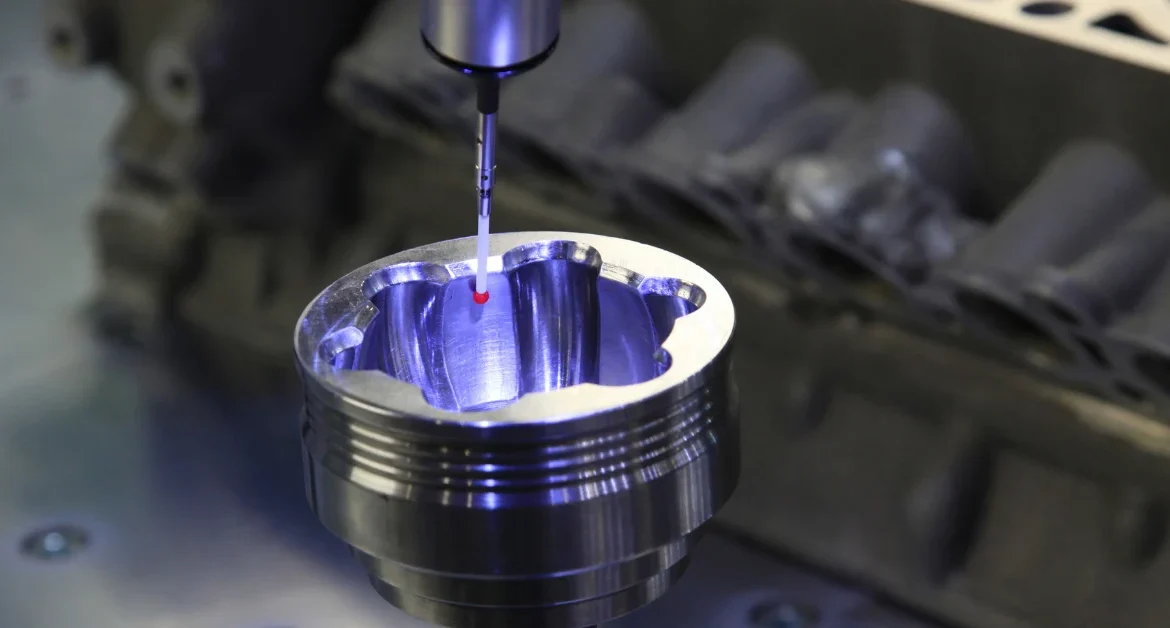
- Advanced metrology tools, such as laser interferometers and coordinate measuring machines (CMMs), verify micron-level repeatability.
Only by integrating these factors can manufacturers reliably produce micron level precision parts demanded by modern high-tech industries. Understanding the gap between standard and ultra-precision benchmarks is essential to grasp the complexity and cost implications of achieving 1 micron accuracy machining.
Key Factors Driving Cost Per Part at 1 Micron
When aiming for ultra precision machining with 1 micron tolerance, the cost per part is influenced by several critical factors. First off, specialized equipment and setup are essential. Machines capable of maintaining ±0.001 mm tolerance require advanced ultra precision CNC machining centers or hybrid machines with tight environmental controls to minimize vibration and thermal expansion.
Machining processes at this level take longer. Achieving 1 micron accuracy machining means slower feed rates, multiple finishing passes, and sometimes combining techniques like ultra precision grinding or EDM. These steps add to cycle time, directly impacting cost.
Tooling and consumables also play a big role. Tools must be made from wear-resistant materials, often requiring diamond turning inserts or specialized coatings, increasing tooling expenses. Given the tight tolerances, consumables must be carefully managed, adding overhead.
Material selection can be tricky too. Exotic alloys or hard-to-machine metals often drive costs higher because they demand more machining time and specialized handling to maintain micron level precision parts standards.
Inspection and quality assurance at this precision are stringent. Metrology equipment capable of sub-micron tolerance measurements is expensive, and testing often slows down production, pushing up costs further.
Finally, volume impacts pricing significantly. Low production runs spread setup and inspection costs over fewer parts, increasing the per-piece expense. Higher volumes typically reduce costs due to amortized overhead and streamlined processes. For machining services interested in these details, a look at CNC grinding processes can reveal how finishing treatments affect ultra precision costs.
Understanding these components helps in anticipating the true investment when specifying 1 micron tolerance parts.
Realistic Cost Benchmarks for 1 Micron Tolerance Parts
When it comes to ultra precision machining with 1 micron tolerance, costs can vary widely depending on factors like complexity, material, and production volume. Typically, per-part pricing for micron level precision parts starts at several hundred dollars for simple geometries in small batches and can escalate into the thousands for highly intricate designs or exotic materials.
Compared to standard machining tolerances (±0.01 mm or more), expect costs to multiply by 5 to 10 times—or even higher—due to the need for specialized equipment, tighter environmental controls, and precise inspection. For example, a straightforward stainless steel part with 1 micron accuracy machining might cost around $300-$500 each in moderate volume, but a complex aerospace component with intricate features and tight surface finishes could exceed $2,000 per piece at low quantities.
Material selection heavily impacts pricing as well. Hard-to-machine alloys or exotic metals, common in medical and aerospace sectors, may require slower machining speeds, diamond turning, or ultra precision grinding EDM processes, pushing costs up. Meanwhile, higher volumes generally reduce per-part expenses thanks to setup distribution and optimized workflows.
For those interested in detailed examples and real-world scenarios, exploring custom CNC machining real scenarios at MS Machining provides valuable insights into pricing ranges and part complexities in ultra precision manufacturing. Understanding these benchmarks helps set realistic expectations for tight tolerance manufacturing expenses while balancing quality and cost.
The Tolerance Cost Curve: Why Tighter Means Exponentially More Expensive
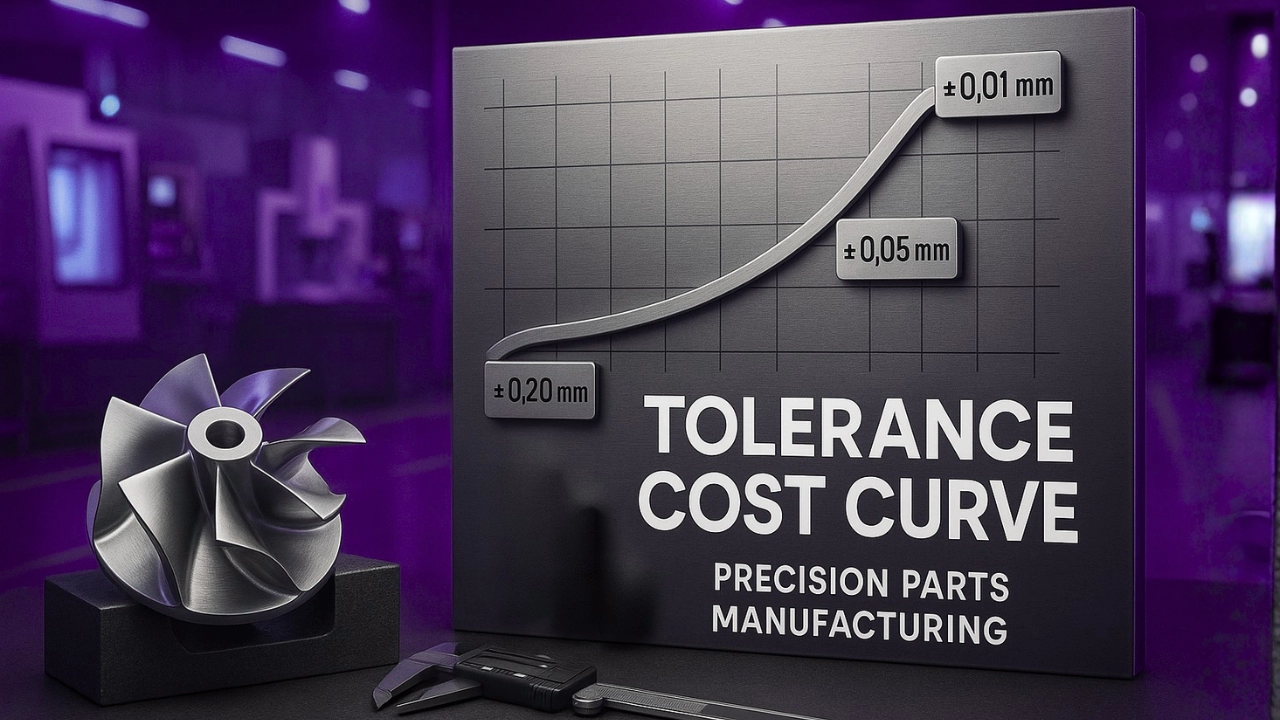
When aiming for ultra precision machining with a 1 micron tolerance, the cost doesn’t just increase steadily—it jumps sharply. This non-linear cost relationship happens because achieving micron-level precision demands more advanced equipment, longer machining times, and stricter environmental controls. Each step tighter than standard precision adds complexity, which drives up expenses dramatically.
Beyond a certain point, you get diminishing returns. Spending much more to tighten tolerances beyond 1 micron often doesn’t improve part performance noticeably but can blow up your machining costs. This is called over-specification, where the extra precision isn’t worth the price.
For example, relaxing a ±0.001 mm tolerance to ±0.005 mm can cut costs significantly while still meeting many aerospace or medical micron parts requirements. These savings come from less frequent tool changes, reduced inspection intensity, and simpler machining processes.
Understanding this tolerance cost curve helps manufacturers choose the right balance between precision and budget. It’s smart to work with experienced shops that can guide you through these trade-offs based on your application. For those interested in detailed cost vs tolerance insights, MS Machining offers expertise in ultra precision CNC and grinding that can help optimize your project’s value.
Strategies to Optimize Costs Without Compromising Critical Precision

When aiming for ultra precision machining at 1 micron tolerance, controlling costs without losing accuracy takes smart planning. Here are key strategies:
- Value Engineering and Selective GD&T Application: Focus tight tolerances only where absolutely necessary. Applying geometric dimensioning and tolerancing (GD&T) selectively reduces needless precision in non-critical areas, lowering machining time and inspection effort.
- Material and Process Optimization: Choose materials that machine well at micron-level accuracy to avoid excessive tool wear and scrap rates. For example, some metals require less ultra precision grinding or EDM, cutting costs. Consider hybrid machining methods like diamond turning or ultra precision CNC machining to balance speed and precision.
- Partnering with Experienced Ultra-Precision Providers: Work with suppliers who specialize in 1 micron accuracy machining and have robust environmental and process controls. Experienced partners improve yield and reduce trial runs, directly impacting cost per part. Seeing providers offering comprehensive metrology and engineering support is a bonus.
- Volume Planning and Prototyping Approaches: Early prototypes validate the critical dimensions and machining strategy before large runs—avoid overpaying for each part in low volumes. Discuss part volume upfront; higher quantities typically decrease cost per piece due to setup amortization.
- Environmental and Process Controls: Ultra precision machining must happen in temperature-controlled environments with vibration damping and clean air. Investing upfront in these controls reduces part rejection and rework, saving money over multiple production cycles.
By applying these approaches, you can manage the high machining costs typically tied to micron-level precision parts without compromising on quality or delivery. For best results, combining these strategies in collaboration with your machining partner is key—especially if they have well-optimized workflows in ultra precision CNC machining cost structures. Check out our expertise in CNC precision parts materials and CNC spindle capabilities to learn how we support cost-effective, tight tolerance manufacturing.
Why Choose MS Machining for Your 1 Micron Tolerance Projects
When it comes to ultra precision machining with 1 micron tolerance, MS Machining stands out for several reasons:
Advanced Capabilities
- Ultra-precision CNC and hybrid machining ensure ±0.001 mm tolerance parts with consistent 1 micron accuracy machining.
- Expertise in ultra precision grinding, EDM, and diamond turning supports complex micron level precision parts.
Competitive Pricing
- Optimized workflows reduce waste and lower the ultra precision CNC machining cost without sacrificing quality.
- Strategic material sourcing and process planning help manage tight tolerance manufacturing expenses effectively.
In-House Support
- Full metrology lab on-site guarantees thorough inspection and quality control needed for high precision machining pricing.
- Engineering team assists with design for manufacturability (DFM), improving part performance and cost-efficiency.
Get Started Today
- Easily request quotes and project reviews tailored to your micron tolerance needs.
- Partner with a U.S.-based provider trusted for aerospace, medical micron parts, and other sub-micron tolerance machining demands.
For customers looking for specialty materials or custom processes, check out our custom CNC machining services and tungsten machining services.
| Feature | Benefit |
|---|---|
| 1 Micron Repeatability | Tight, reliable tolerances |
| Hybrid CNC & Ultra Precision EDM | Complex shapes, high accuracy |
| In-House Metrology | Fast feedback, assured quality |
| Engineering & DFM Review | Optimized cost and manufacturability |
MS Machining offers a balanced approach to achieving ultra-precision parts at competitive costs, making us the go-to partner for your 1 micron tolerance projects.