
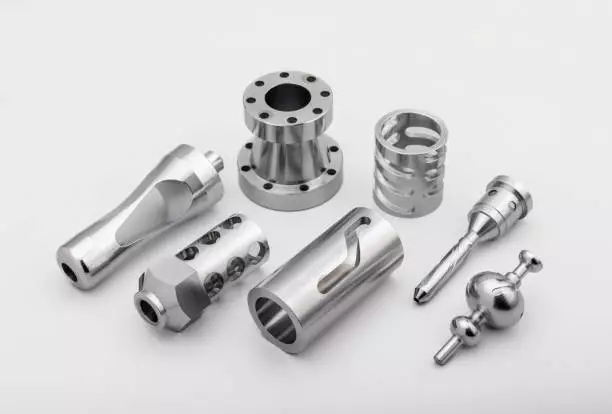
If you’re involved in manufacturing or engineering, you’ve likely come across the term turned parts—but what exactly makes them so essential? Simply put, turned parts are precision components shaped using CNC turning or lathe machining, trusted for their accuracy, strength, and versatility. Whether you’re sourcing custom turned components for aerospace, automotive, or medical applications, understanding the process and benefits can save you time and cost while ensuring top quality. In this guide, we’ll break down what makes precision turned parts stand out and why partnering with an expert like MS Machining can elevate your projects. Let’s get started!
What Are Turned Parts?
Turned parts are precision components made through turning, a subtractive machining process. In turning, a cutting tool removes material from a rotating workpiece to create shapes with rotational symmetry. This process is essential for making parts like shafts, pins, or bushings that require high precision and smooth finishes.
Turning Process Basics
| Feature | Description |
|---|---|
| Process type | Subtractive machining (material is cut away) |
| Workpiece motion | Rotates around a fixed axis |
| Tool motion | Moves linearly along or across the workpiece |
| Common shapes | Cylindrical, conical, stepped |
| Precision level | Typically high; tight tolerances achievable |
Conventional Turning vs. CNC Turning
| Aspect | Conventional Turning | CNC Turning |
|---|---|---|
| Operation | Manual control by skilled operator | Computer-controlled precision machining |
| Repeatability | Subject to human variability | High repeatability and consistency |
| Complexity | Limited to simpler shapes | Handles complex geometries with ease |
| Setup time | Longer setup and adjustment | Faster setup with automated tool paths |
| Production volume | Best for low volumes or one-offs | Ideal for medium to high volumes |
Turned parts produced by CNC turning benefit from better accuracy, faster turnaround, and the ability to create intricate features that conventional turning can’t easily achieve.
In , turned parts are typically cylindrical with smooth, symmetrical surfaces — perfect for applications demanding precision machined components, whether manufactured via conventional lathes or CNC lathe parts technology.
The CNC Turning Process Step-by-Step
The CNC turning process starts with selecting the right material based on the part’s intended use and machinability. Once the raw material is prepped, the workpiece is securely clamped into a CNC lathe, where it rotates precisely around its axis. This rotation allows cutting tools to shape the part with consistent accuracy.
Tool paths are carefully programmed to include multiple stages such as roughing—removing large amounts of material quickly—followed by finishing passes that deliver tight tolerances and a smooth surface. Additional operations like grooving, threading, and parting are incorporated depending on the component’s design.
Advanced CNC turning often involves live tooling and multi-axis capabilities, enabling the creation of complex features without moving the part between machines. This multi-function approach ensures greater precision and shorter production times.
Throughout production, in-process inspection and quality control measures are in place to catch discrepancies early. This constant monitoring helps maintain the high standards required for precision machined components.
For a deeper dive into machining technology, you can check out our explanation of the CNC turning process and how it fits within modern manufacturing.
Common Materials for Precision Turned Parts
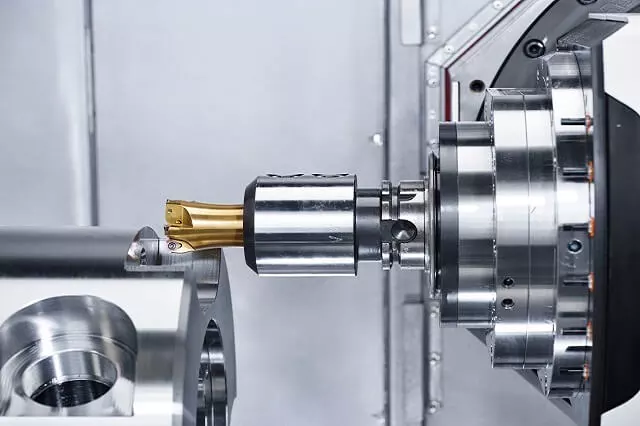
Precision turned parts are commonly made from a variety of metals, each chosen for specific properties that match their intended use. Stainless steel turned parts are popular for their excellent corrosion resistance and strength, making them ideal for medical and food processing applications. Brass precision components stand out for their good electrical conductivity and machinability, which is why they’re often used in electrical fittings and connectors.
Other frequently used materials include aluminum, known for its lightweight and good strength-to-weight ratio; carbon steel, prized for its toughness and versatility; copper, which offers excellent thermal and electrical conductivity; and titanium, favored in aerospace and medical fields due to its high strength and biocompatibility.
Choosing the right material depends on factors such as corrosion resistance, machinability, strength requirements, and cost. For example:
- Brass: Best for electrical components and decorative fittings
- Stainless steel: Suited for medical instruments and food-grade parts
- Aluminum: Great for lightweight automotive and aerospace components
- Titanium: Used in high-performance, biocompatible parts
Selecting quality materials is a crucial step in the CNC turning process to ensure your precision machined components meet performance and durability expectations. For custom metal turned parts and detailed material options, you might also explore our CNC precision machining services.
Types of Turned Components and Features

Turned parts come in a wide variety, from simple to complex designs. Here’s a quick look:
| Type | Examples | Features |
|---|---|---|
| Simple Parts | Shafts, pins, bushings, fittings | Basic cylindrical shapes, smooth finishes |
| Complex Parts | Threaded components, grooved parts, multi-diameter designs | Fine thread cutting, precise grooves, varied diameters |
| Secondary Operations | Milling integration, drilling, knurling | Added details for specialty use, surface grip, custom shapes |
Simple turned parts like shaft and bushing are common in general machinery. More complex ones often require multi-axis turning and sometimes live tooling to add grooves, threads, or stepped diameters. Secondary machining can enhance these components with milling, drilling holes, or knurling for grip and function.
If you need specialty turned parts with tight tolerances and intricate features, combining turning with other machining processes ensures you get exactly what your application demands. These custom turned components are essential in many industries, from automotive fittings to aerospace precision shafts.
For examples of precision machining that integrates turning with other processes, check our metal CNC machining services.
Advantages of CNC Turned Parts
CNC turned parts offer several key benefits that make them the preferred choice for many industries. First, they provide high accuracy and tight tolerances, ensuring each piece fits perfectly without the need for extensive post-processing. This level of precision is essential for critical applications requiring consistent quality.
Another advantage is the excellent surface finish and repeatability achievable with CNC turning machines. Whether producing a single prototype or multiple high-volume runs, you get uniform, smooth parts every time, reducing waste and rework.
CNC turned parts are also cost-effective for medium to high volumes. Automation minimizes manual labor, speeds up production, and lowers costs, especially when manufacturing custom turned components repeatedly.
Finally, CNC turning offers great versatility across prototypes and production runs. From simple lathe machined parts to complex multi-axis turned components, it adapts easily to different designs and materials without sacrificing quality or efficiency.
For those looking to explore materials beyond standard metals, check out our detailed guide on aluminum CNC machining to understand more about versatile metals used in precision parts.
Applications and Industries for Turned Parts
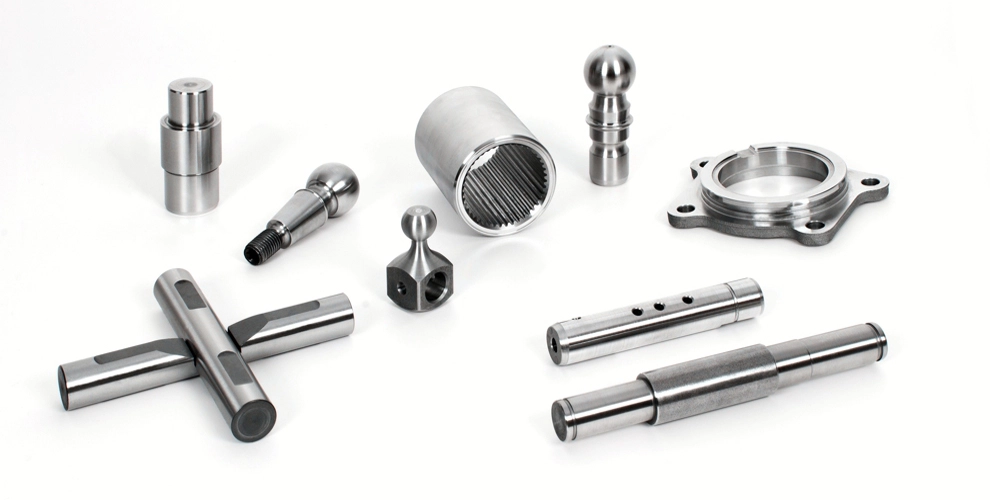
Turned parts are essential across many industries thanks to their precision and versatility. In automotive manufacturing, CNC turned parts like valves, connectors, and fasteners are common because they require tight tolerance machining for reliability. The aerospace sector relies heavily on precision shafts, fittings, and bushings made through multi-axis turning to meet strict performance and safety standards.
In medical applications, stainless steel turned parts are used for surgical instruments and implants, where biocompatibility and accuracy are crucial. The hydraulics and fluid power industry needs durable turned valves and pistons that handle high pressure and flow control with precision. Lastly, electronics and general engineering fields use custom turned components for connectors and housings that demand consistency and fine detail.
With such a broad range, metal turning services provide the specific precision and repeatability these industries depend on to keep their operations running smoothly. For specialized applications, such as electrical connectors, check out our brass CNC machining services which offer excellent machinability paired with corrosion resistance.
Key Considerations When Sourcing Turned Parts
When sourcing turned parts, it’s critical to keep a few key factors in mind to ensure you get the quality and performance you need.
Tolerances and Specifications
Precision turned parts require tight tolerance machining to meet exact dimensions. Be clear about your specifications upfront so your supplier can deliver parts that fit perfectly into your assembly or final product.
Volume Requirements
Are you ordering prototypes or planning for high-volume turning? Prototype runs might allow for some flexibility in turnaround, whereas larger production volumes need consistent quality and efficient machining to keep costs down.
Lead Times and Supply Chain Reliability
Quick turnaround and reliable delivery schedules are essential, especially when you rely on turned components to keep your manufacturing line running smoothly. Look for suppliers experienced in handling your volume and timelines.
Certifications and Quality Standards
Make sure your supplier complies with relevant certifications like ISO standards and follows industry-approved quality control methods. This ensures consistent performance and peace of mind, particularly for demanding sectors like aerospace or medical devices.
By focusing on these considerations, you’ll find CNC precision turned parts that meet your exact needs and keep your projects on track.
For more details on engineering precise metal components, check out our page on CNC engineering precision metal plastic parts.
Why Choose MS Machining for Your Turned Parts Needs
At MS Machining, we specialize in delivering high-quality CNC precision turned parts tailored to your exact specifications. Our advanced CNC lathes and multi-spindle machines handle everything from simple shafts to complex, custom turned components with tight tolerance machining.
What Sets Us Apart
| Feature | Benefit |
|---|---|
| Advanced CNC Lathe Machines | Consistent accuracy and excellent surface finish |
| Multi-Spindle Turning | Faster production for medium to high volumes |
| Expertise in Custom Components | Solutions perfectly matched to your needs |
| Strict Quality Control | Reliable, defect-free parts every time |
| Competitive Pricing | Great value without compromising quality |
| On-Time Delivery | Keep your production on schedule |
We understand how important precision and reliability are, especially in demanding sectors like aerospace, automotive, and medical manufacturing. Our team is committed to meeting your deadlines while maintaining the highest quality standards.
For comprehensive metal turning services and expert handling of materials like stainless steel, brass, and carbon steel, trust our skilled operators and robust equipment. We also integrate multi-axis turning and live tooling techniques to produce complex features efficiently.
Ready to get started? Contact us today to request a quote or consultation for your next batch of CNC lathe parts. Experience precision machining and dependable service tailored for U.S. manufacturers.
Explore how our expertise aligns with your needs, along with insights on related processes like carbon steel machined components and multi-axis milling.