

What Is Anodizing? A Quick Overview
Anodizing aluminum is an electrochemical process that creates a durable layer of aluminum oxide (Al2O3) on the metal’s surface. This oxide layer is hard, corrosion-resistant, and wear-resistant, significantly enhancing the material’s performance. Unlike regular aluminum, anodized aluminum can also be dyed in vibrant colors such as black, blue, or left clear, offering both functional and aesthetic benefits.
There are different types of anodizing relevant to identifying anodized aluminum. The most common is Type II sulfuric acid anodizing, typically used for general-purpose applications, producing a clear or colored finish with moderate durability. For tougher environments, Type III hardcoat anodizing provides an extra-thick, harder layer suited for extreme wear and corrosion resistance. Clear anodized aluminum can look very similar to bare metal but includes this invisible protective oxide, while colored anodizing features integrated dyes that won’t peel or chip like paint.
Understanding these basics helps when you need to identify anodized aluminum or compare anodized vs bare aluminum in your projects.
Visual and Tactile Indicators of Anodized Aluminum
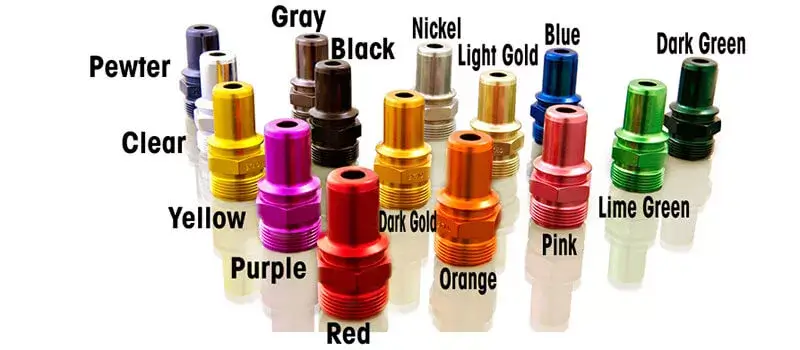
To identify anodized aluminum, start with a close look and feel. The surface usually has a uniform matte or satin finish—unlike bare aluminum, which is shiny or polished and tends to dull unevenly over time. This steady, even look comes from the anodizing process forming a consistent oxide layer.
Color is another key clue. Anodized aluminum often shows vibrant, integrated dyes, such as blue anodizing or black, that won’t peel or chip like paint. These colors are part of the aluminum’s surface, not just a coating, so they stay strong over time.
When you touch anodized aluminum, you’ll notice the texture and gloss are different. The anodizing creates a porous surface that absorbs light, reducing reflectivity compared to bare metal. This also makes the surface feel smoother and harder to the touch.
One big limitation: clear anodized aluminum can look almost identical to bare aluminum, making visual checks tricky. Because of this, relying on appearance alone often isn’t enough to confirm anodizing.
For projects needing precise finishing or colors, like automotive or aerospace components, understanding these visual and tactile signs helps, but combining them with testing is best. Companies offering specialized services, such as MS Machining, provide both machining and anodizing options, including clear and colored finishes, ensuring top-quality results. Learn more about their automotive CNC machining capabilities for anodized parts.
Simple At-Home Tests to Identify Anodized Aluminum
If you want to quickly check whether aluminum is anodized, some easy at-home tests can help you spot it without damaging the surface.
1. Electrical Conductivity Test
This is the most reliable non-destructive way to test for anodizing. Anodized aluminum has an insulating oxide layer (Al2O3), which means it won’t conduct electricity well, unlike bare aluminum. Here’s how to do it:
- Grab a digital multimeter and set it to measure resistance or continuity.
- Place the probes on the aluminum surface and a clean exposed spot or another contact point.
- Bare aluminum will show low resistance or continuity (close to zero ohms).
- Anodized aluminum will give a high or infinite resistance reading due to the oxide barrier.
Safety note: Be sure to avoid short circuits and keep the multimeter probes steady for accurate results.
2. Scratch or Hardness Test
Anodized aluminum is much harder than bare aluminum, thanks to the thick, tough oxide layer on the surface. To test:
- Gently try scratching the metal with a fingernail or a hardened steel object like a key or screwdriver.
- Bare aluminum will scratch or dent easily.
- Anodized aluminum resists scratches and feels tougher, reflecting hardness levels from about 150 to over 300 HV (Vickers hardness).
3. Feel and Sound Check
Sometimes, your senses can help:
- Anodized surfaces often feel a bit “grippier” or smoother than polished bare aluminum.
- Tapping anodized aluminum may produce a clear, ringing sound due to the harder surface layer.
Using these simple tests can save you time before moving on to more advanced verification methods. For professional-grade anodized parts or custom finishes, companies like MS Machining offer precise CNC machining and anodizing services tailored to different needs.
Advanced or Professional Verification Methods
When simple at-home tests aren’t enough to confidently identify anodized aluminum, advanced or professional methods step in. One common approach is a corrosion or chemical resistance test. By exposing the aluminum to a mild acid or alkaline solution, you can observe how it reacts: anodized aluminum typically shows minimal to no change, thanks to its protective oxide layer, while bare aluminum usually develops noticeable pitting or surface damage. This test clearly highlights the enhanced corrosion resistance anodized aluminum offers compared to untreated metal.
For a more detailed analysis, microscopic or cross-section examinations reveal the actual porous oxide layer created by anodizing. Labs or expert technicians use this method to confirm the presence and thickness of the anodizing layer, something impossible to detect with the naked eye.
Other professional indicators include specialized tests like higher infrared emissivity measurements—which reflect the coating’s heat radiation properties—and dye stain tests designed to check how well an anodized part has been sealed. These techniques provide precise evidence of anodizing quality, essential for strict industrial applications.
If you want to understand more about surface treatments and how anodizing fits into overall metal finishing, check out our guide on CNC milling surface finishes for some practical insights on how anodizing compares to other coatings.
Common Challenges and How to Avoid Mistakes
Identifying anodized aluminum isn’t always straightforward. One big challenge is telling clear anodized aluminum apart from natural oxide layers or the typical mill finish. Both can look similar since clear anodizing doesn’t add color, making visual checks less reliable.
Another factor is the difference between sealed and unsealed anodizing. Unsealed anodized surfaces can absorb moisture and contaminants more easily, slightly changing how they look or feel. This can throw off simple tests like conductivity or scratch checks if you’re not aware of the sealing status.
Welded or machined areas often lose their anodized layer due to heat or mechanical removal. These spots may appear bare, so testing only those sections might give false results. Always inspect multiple areas to get an accurate idea of anodizing coverage.
Sometimes test results conflict—thin anodizing layers might conduct electricity more than expected or scratch more easily if damaged. Damaged or worn anodizing can mimic bare aluminum behaviors, so combining visual differences, tactile checks, and electrical tests gives the best accuracy.
If you want to avoid these pitfalls and need expert help verifying or applying anodized finishes, partnering with specialized services like MS Machining—who offer precision aluminum CNC processes and anodizing options—is a smart move. Check out our parts for aerospace and automotive page to see how we handle precision anodized components for demanding industries.
Why Choose Anodized Aluminum for Your Projects?
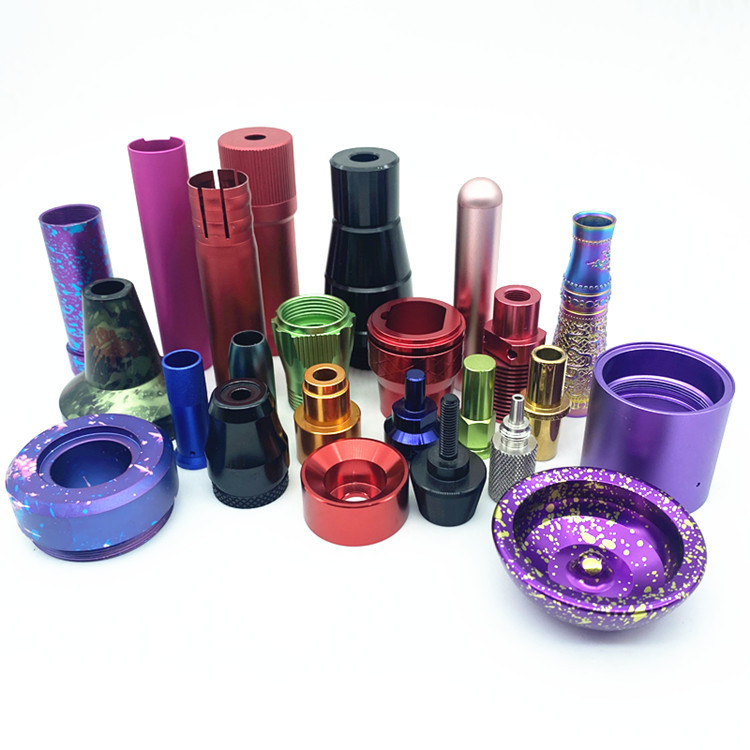
Anodized aluminum offers unmatched durability, corrosion resistance, and an attractive finish that stands up to tough conditions. At MS Machining, we specialize in precision CNC machining paired with expert anodizing services, including Type II sulfuric and Type III hardcoat anodizing. This gives you options from vibrant custom colors to clear finishes that protect parts without hiding the natural aluminum look.
Benefits Across Industries
| Industry | Why Anodized Aluminum Works |
|---|---|
| Aerospace | Lightweight, corrosion-resistant parts that withstand extreme conditions |
| Automotive | Durable finishes resist wear and weather while offering design flexibility |
| Consumer Goods | Enhanced aesthetic options with scratch and fade resistance for long-lasting appeal |
By combining our advanced machining capabilities with high-quality anodizing, MS Machining provides components that meet strict performance standards while looking great. Whether your project needs extra surface hardness or just a sharp, matte finish, we deliver consistent quality with quick turnaround.
Contact MS Machining for expert advice on identifying anodized aluminum or to get your parts precisely machined and anodized with custom colors and finishes tailored for your application. Learn more about our CNC precision machining services to see how we can support your next project.