
What Is Sulfuric Acid Anodizing and How Does It Work?
If you’ve ever wondered how aluminum parts get that durable, corrosion-resistant finish, sulfuric acid anodizing is a common and effective process used especially for CNC aluminum parts. Here’s how it works:
Sulfuric acid anodizing is an electrochemical process where the aluminum part acts as the anode in a dilute sulfuric acid bath. When an electrical current is applied, oxygen ions react with the aluminum surface to form a highly porous aluminum oxide layer. This layer is hard, corrosion-resistant, and ideal for further finishing.
Typical Aluminum Anodizing Thickness and Structure
- The anodized oxide layer thickness typically ranges from 5 to 25 microns (0.0002 to 0.001 inches).
- This layer consists of about 67% penetration into the aluminum surface and 33% buildup above the surface.
- The porous nature of the oxide layer allows for excellent dye absorption and strong sealing later on.
Key Steps in the Sulfuric Acid Anodizing Process
- Cleaning/etching: The aluminum part is thoroughly cleaned and etched to remove impurities and prepare for uniform anodizing.
- Anodizing: The part is submerged as the anode in a sulfuric acid solution with an electric current applied.
- Optional dyeing: The porous oxide layer can absorb dyes for decorative or functional coloring.
- Sealing: Finally, the pores are sealed to lock in corrosion resistance and improve durability.
Industry Standards for Sulfuric Anodizing
For consistent results and quality assurance, sulfuric anodizing often follows MIL-A-8625 Type II standards. This U.S. military specification defines performance requirements for the sulfuric acid anodizing process on aluminum parts, ensuring reliable corrosion resistance and finish quality.
Understanding this process gives a solid foundation for why sulfuric acid anodizing is a top choice for finishing CNC machined aluminum, combining durability, versatility, and aesthetic options.
Key Advantages of Sulfuric Anodizing for CNC Aluminum Parts
Sulfuric anodize offers an excellent balance of corrosion and wear resistance, making it ideal for everyday and moderate-demand CNC aluminum parts. This type II anodizing aluminum process creates a durable oxide layer that shields your parts from rust and abrasion without adding bulk or compromising precision.
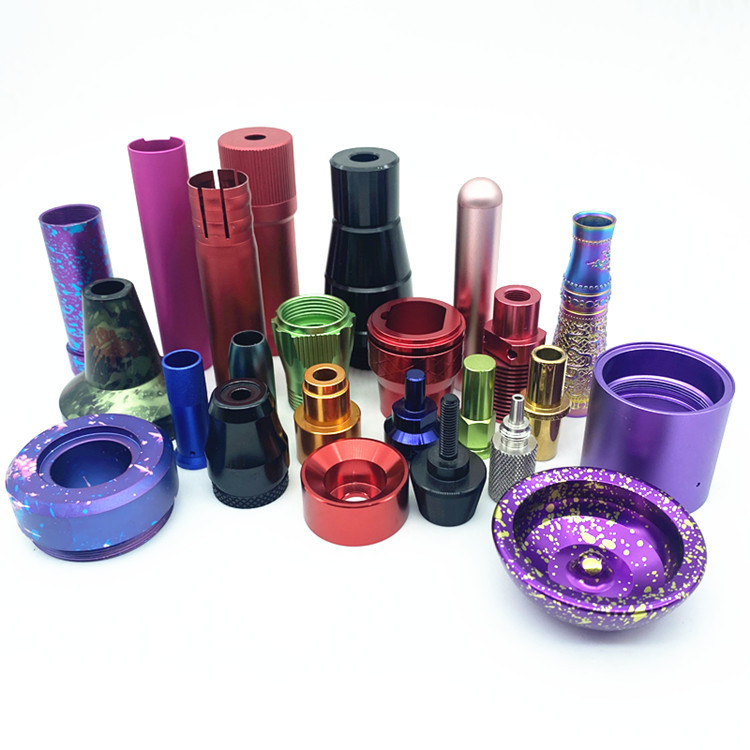
A big plus is its superior aesthetic options. The porous oxide layer formed during sulfuric acid anodizing allows for vibrant, long-lasting dyeing — from clear coatings to deep blacks and bright colors — all with excellent color fastness. This makes it great for decorative anodizing CNC machined parts that need both beauty and durability.
Cost-effectiveness is another major advantage. Compared to chromic or hard anodizing, sulfuric anodizing uses less energy and chemicals, processes faster, and runs simpler. This efficiency helps keep production costs down without sacrificing quality.
Sulfuric anodizing works particularly well with common CNC aluminum alloys like 6061, 6082, and 7075, producing uniform, predictable oxide layers suited for precision machining. It enhances surface hardness and abrasion resistance without excessive dimensional growth, crucial for tight tolerance parts.
Finally, the process improves electrical insulation and boosts adhesion for paints, primers, or adhesives—important for parts in electronics or assemblies requiring additional coatings. For CNC aluminum machining tips centered on surface finishing and durability, sulfuric anodizing remains a top choice. Learn more about best practices on our Aluminum CNC machining tips.
Why Sulfuric Anodizing Is Preferred Over Other Anodizing Types for CNC Parts
Sulfuric anodizing (Type II anodizing aluminum) stands out when compared to other anodizing types for CNC machined aluminum parts. Here’s a quick look at how it stacks up against Type I (Chromic) and Type III (Hardcoat) anodizing:
| Feature | Type I (Chromic) | Type II (Sulfuric) | Type III (Hardcoat) |
|---|---|---|---|
| Oxide Layer Thickness (microns) | 1–3 | 5–25 | 25–150 |
| Corrosion Resistance | Moderate | Excellent | Superior |
| Wear Resistance | Low | Good | High |
| Dyeing & Decorative Options | Poor (thin, less porous) | Excellent (porous, vibrant) | Limited (hard, less porous) |
| Environmental Impact | Higher chemical concerns | Lower chemical impact | Moderate |
| Cost & Processing Time | Higher | Cost-effective, faster | Higher cost & slower |
| Dimensional Change | Minimal | Low | Higher (may affect fits) |
Why Sulfuric Anodizing Wins for CNC Aluminum Parts
- Balanced Protection: Sulfuric anodizing provides solid corrosion and wear resistance without the extreme hardness that can cause brittleness or dimensional issues, making it ideal for precision CNC parts.
- Better Color Options: Its porous oxide layer accepts dyes well, so it suits decorative CNC machined parts needing aesthetics like consumer electronics enclosures, brackets, or trim.
- Cost-Effective & Efficient: Compared to chromic and hard anodizing, sulfuric anodize uses less energy and chemicals, cuts down processing time, and simplifies operations.
- Compatible with Common CNC Alloys: Works uniformly on popular alloys like 6061, 6082, and 7075, ensuring consistent finish and predictable performance.
- Maintains Dimensions: The moderate oxide thickness means parts keep tight tolerances, essential for CNC components needing precise fits and smooth operation.
Overall, sulfuric anodizing fits the needs of most everyday and moderate-duty CNC aluminum parts, balancing durability, appearance, and cost. It’s a smart choice for everything from functional automotive housings to lightweight aerospace components.
For more on CNC manufacturing basics and materials, check out our guide on what CNC stands for in manufacturing.
Common Applications in CNC Machining
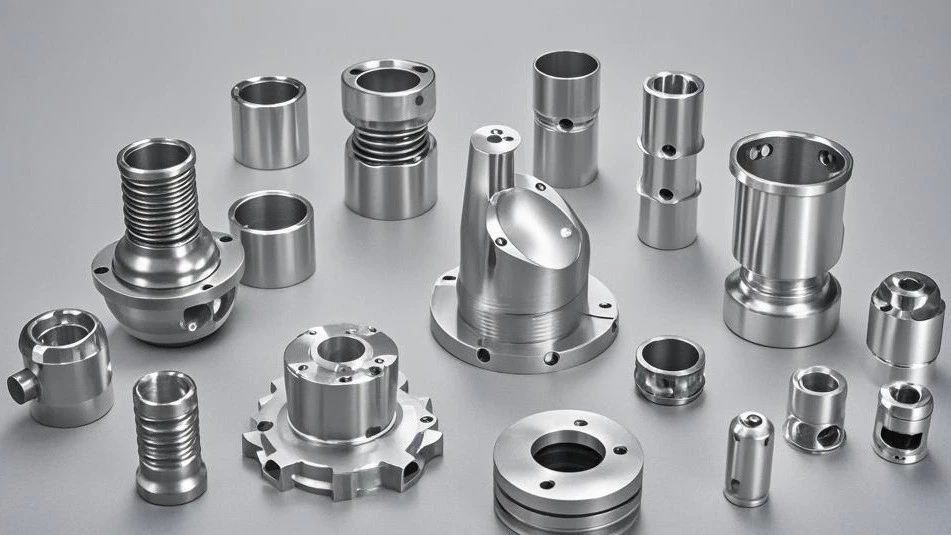
Sulfuric anodizing is widely used across various CNC aluminum parts thanks to its balanced protection and finish quality.
- Aerospace: Lightweight structural components rely on sulfuric acid anodizing for reliable corrosion resistance while keeping weight low. This ensures durability without compromising performance in demanding environments.
- Automotive: Many trim pieces, housings, and functional parts benefit from anodized aluminum CNC parts for their enhanced wear resistance and attractive finishes. The process supports vibrant color options to boost aesthetic appeal.
- Electronics: Enclosures and heatsinks made from anodized aluminum gain excellent electrical insulation and surface durability, essential for protecting delicate internal components.
- Consumer Products: From prototypes to full production runs, sulfuric anodizing offers appearance-critical parts vibrant, durable finishes that hold up well in everyday use.
- Medical and Industrial: General-purpose CNC machined parts in these fields take advantage of the moderate wear and corrosion resistance sulfuric anodizing provides, ensuring longevity without excessive cost or processing time.
For specialized CNC components used in demanding settings, consider exploring military machining and defense components for a deeper understanding of materials and finishing methods.
Considerations and Best Practices for Sulfuric Anodizing CNC Aluminum Parts
When choosing sulfuric anodizing for your CNC aluminum parts, alloy selection is critical. The 6000-series alloys, like 6061 and 6082, offer the best and most uniform finish with sulfuric anodize. These alloys provide consistent oxide layer formation, making it easier to achieve predictable results.
In terms of design, avoid sharp edges and corners on your parts. Sharp points can cause “burning” or uneven thickening of the anodized layer during the sulfuric acid anodizing process. Also, keep in mind that the oxide layer grows slightly—typically around 0.0002 to 0.001 inches—so you should add allowances in your CNC machining tolerances to accommodate this dimensional change.
Post-processing steps enhance the final product significantly. Dyeing anodized aluminum parts allows you to add vibrant, durable colors with excellent fastness. Sealing the anodized layer is essential to lock in corrosion resistance and protect the porous oxide surface. This step ensures long-lasting performance, especially for parts exposed to moisture or mild chemicals.
However, sulfuric anodizing has its limitations. It’s not the best option for parts exposed to extreme wear or harsh corrosive environments. In such cases, consider Type III hard anodizing, which offers thicker and harder coatings. Still, sulfuric anodizing strikes a great balance of wear resistance, corrosion protection, and cost-effectiveness for everyday CNC machined components.
For those looking to dive deeper into CNC finishing techniques and best practices, exploring resources about advanced CNC machining methods can be invaluable. For example, understanding the impact of surface finishing on 5-axis CNC machine performance helps optimize part quality before anodizing.