
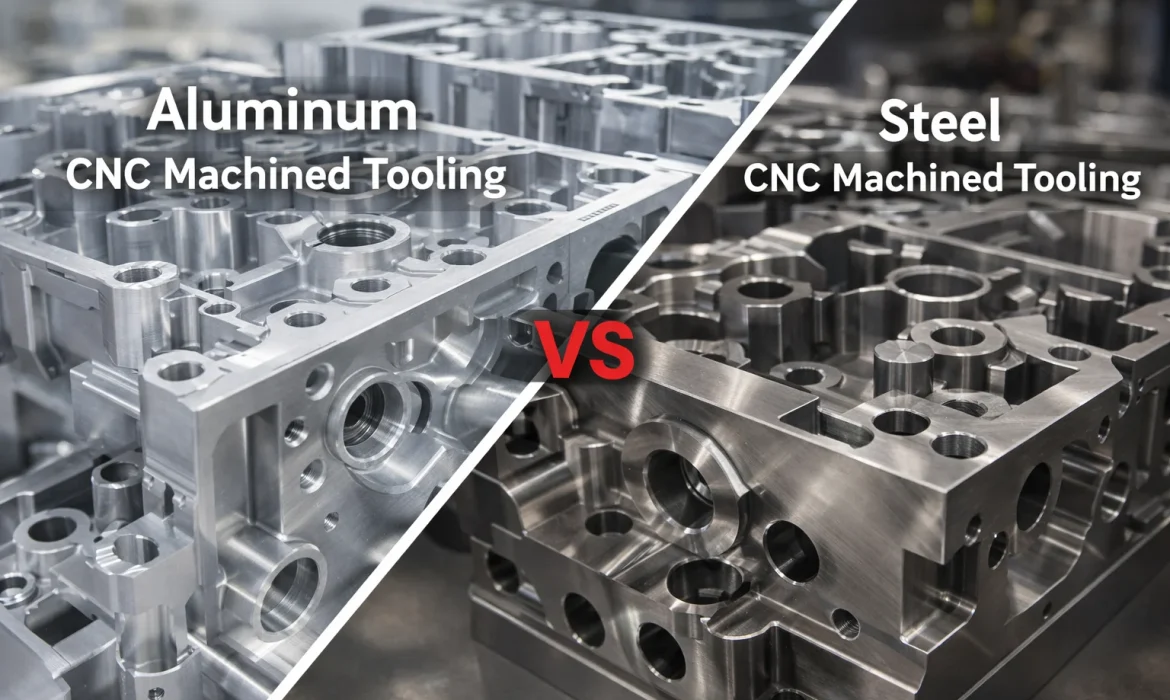
Introduction: Why Material Choice Matters in CNC Machining
Selecting the right material is the foundational step in manufacturing cnc precision parts that perform reliably in the field. At MS Machining, we understand that the decision between steel and aluminum is not merely about cost; it dictates the manufacturing strategy, lead time, and the ultimate longevity of the component. With over 15 years of experience in precision machining, we guide clients through selecting alloys that align perfectly with their specific engineering goals.
How steel and aluminum properties affect machining outcomes
The physical properties of a metal directly influence how it behaves under the cutting tool. Aluminum alloys, such as 6061 and 7075, are softer and more malleable, allowing for high-speed machining and rapid material removal. This machinability enables us to produce complex geometries quickly, often delivering samples within 3-7 days.
In contrast, steel and stainless steel (like 4140, 1018, or 304) possess significantly higher hardness and tensile strength. Machining these materials requires rigid setups, slower cutting speeds, and robust tooling to manage heat generation and tool wear. Despite the increased difficulty, our advanced CNC centers maintain tight tolerances of ±0.01mm to ±0.05mm across both material groups, ensuring consistency regardless of hardness.
The link between material selection and part performance
The functionality of precision cnc parts is inextricably linked to the material’s inherent characteristics. A mismatch here can lead to catastrophic failure or unnecessary weight.
- Aluminum: Ideal for applications requiring a high strength-to-weight ratio, such as aerospace components and robotics frames. Its natural corrosion resistance (enhanced by anodizing) makes it suitable for general environmental exposure.
- Steel: Essential for high-load environments where yield strength and wear resistance are paramount. Components like drive shafts, gears, and heavy machinery parts rely on steel’s density and durability to withstand repetitive stress without deformation.
Balancing cost, efficiency, and load requirements
Optimizing a project involves balancing three critical factors: budget, production speed, and mechanical requirements. While basic steel grades (like 1018) may have lower raw material costs than premium aluminum, the machining time is often longer, which can increase the total part cost. Conversely, aluminum parts are faster to machine, reducing labor and machine time, but specific high-grade alloys can be expensive.
We help customers navigate these trade-offs by analyzing the load requirements first. If a part does not require the extreme yield strength of steel, switching to a high-grade aluminum can reduce weight and production costs simultaneously. Our ISO 9001:2015 certified processes ensure that whether you choose steel for strength or aluminum for efficiency, the final product meets strict quality standards.
Steel in CNC Machining: Strength, Durability, and Machinability
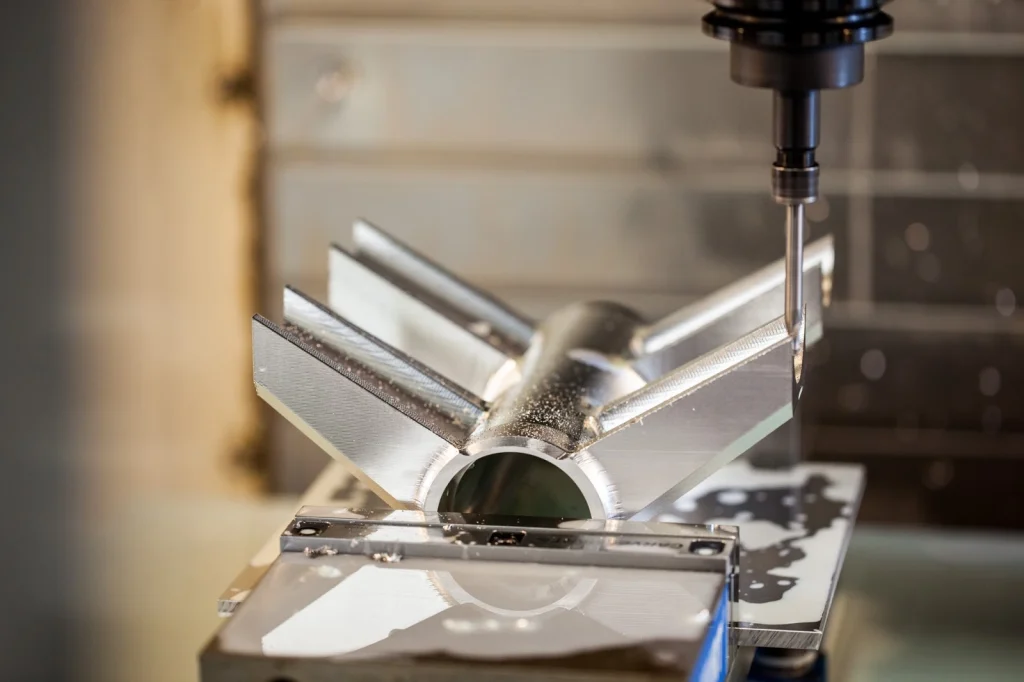 Steel CNC Machining
When a project demands uncompromising strength, steel is often the default choice over lighter alternatives. While it requires more robust equipment and slower machining speeds than aluminum, the payoff is a component that can withstand significant stress and wear. At MS Machining, we leverage over 15 years of experience to handle the unique demands of steel processing, ensuring that even the hardest alloys are machined to tight tolerances.
Key steel alloys for CNC machining and their mechanical properties
Selecting the right grade of steel is the first step in ensuring part performance. We work with a wide range of carbon and stainless steels, each offering distinct mechanical advantages for precision CNC parts:
- Low Carbon Steel (1018): Excellent machinability and weldability, ideal for rivets and fixtures.
- Medium Carbon Steel (1045): Offers higher strength and impact resistance, suitable for gears and shafts.
- Alloy Steel (4140/4340): Known for high tensile strength and toughness, often used in aerospace and automotive applications.
- Stainless Steel (303, 304, 316, 17-4 PH): Provides superior corrosion resistance and hygiene properties, essential for medical and marine environments.
Machining challenges with steel: tooling, cutting speeds, and heat
Machining steel presents specific challenges that differ significantly from softer metals. The material’s hardness generates substantial heat during the cutting process, which can lead to tool deflection and rapid wear if not managed correctly. To maintain our standard tolerances of ±0.01mm to ±0.05mm, we utilize rigid, high-speed CNC centers and optimize our cutting speeds. Proper coolant application and tool path strategies are critical to prevent thermal expansion, ensuring that the final dimensions remain accurate regardless of the heat generated during material removal.
Surface finish and post-machining treatments for steel parts
Unlike aluminum, which naturally forms a protective oxide layer, many steel grades require secondary operations to prevent oxidation and improve surface hardness. Our CNC machined components made from carbon steel frequently undergo post-processing to meet environmental and aesthetic requirements.
Common treatments we apply include:
- Passivation: Essential for stainless steel to remove surface contaminants and enhance corrosion resistance.
- Plating: Zinc or nickel plating to protect carbon steel from rust.
- Heat Treatment: Hardening and tempering to increase wear resistance and mechanical strength.
- Powder Coating: Provides a durable, decorative finish that withstands harsh conditions.
Applications requiring high load capacity, wear resistance, or impact strength
Steel is the superior option when the application involves heavy static or dynamic loads. Its high modulus of elasticity means it is less likely to deform under stress compared to aluminum. We recommend steel for cnc precision parts that serve as structural components, drive shafts, high-pressure valves, and fasteners. If the environment involves abrasive wear or repetitive impact, the durability of grades like 4140 or hardened 17-4 PH stainless steel ensures a longer lifecycle and reliable performance where failure is not an option.
Aluminum in CNC Machining: Lightweight and Efficient
Common aluminum alloys for CNC machining and performance traits
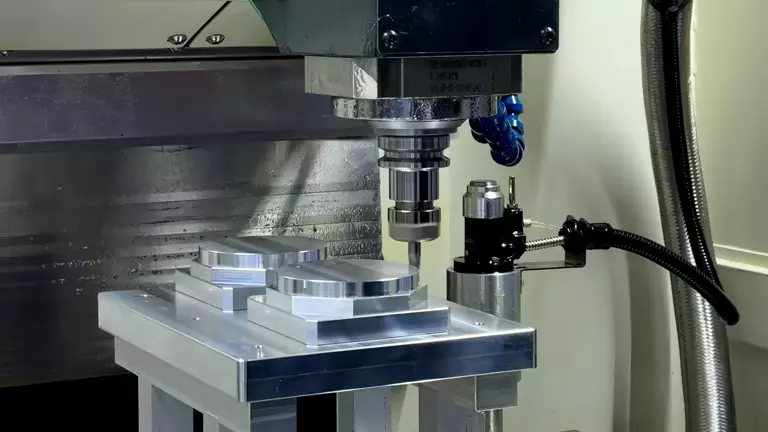 Aluminum CNC Machining
When weight reduction is critical without sacrificing too much structural integrity, aluminum is often our first recommendation. At MS Machining, we work extensively with a variety of grades to match specific project needs. Aluminum 6061 is the industry standard for general-purpose cnc precision parts, offering a great balance of strength and weldability. For high-stress applications like aerospace components, we utilize Aluminum 7075, which offers a strength-to-weight ratio comparable to some steels. We also machine 2026 for fatigue resistance, 5052 for marine environments, and 6063 for architectural trims. You can explore the full range of our capabilities on our material for CNC machining page to see which grade fits your specific load requirements.
Advantages of aluminum: speed, machinability, and corrosion resistance
From a production standpoint, aluminum is significantly easier to machine than steel. This machinability allows us to run our high-speed CNC centers at optimal rates, reducing cycle times and lowering overall production costs. We can consistently achieve tight tolerances of ±0.01mm to ±0.05mm with excellent surface finishes (Ra 0.4 – Ra 3.2). Beyond speed, aluminum forms a natural oxide layer that protects against rust, making it a superior choice for parts exposed to moisture compared to untreated carbon steel. This efficiency enables us to deliver samples and prototypes in as little as 3-7 days.
Design considerations for aluminum parts to maintain strength
While modern alloys like 7075 are incredibly strong, aluminum has a lower modulus of elasticity than steel. This means parts may deflect more under load if not designed correctly. When we review CAD files for precision cnc parts, we often look at wall thickness and geometry. To maintain stiffness, we might recommend slightly thicker walls or the addition of ribs, which adds minimal weight but significantly increases rigidity. This approach ensures you get the lightweight benefits of aluminum while handling the necessary mechanical loads.
Surface finishing, anodizing, and cosmetic requirements
One of the biggest benefits of choosing aluminum is its versatility in post-processing. While the as-machined finish is often sufficient, we offer a range of secondary operations to enhance durability and aesthetics. Anodizing (Type II and Type III) is our most popular treatment, increasing corrosion resistance and surface hardness while allowing for color customization. We also provide bead blasting for a matte texture and chemical film (chem-film) for electrical conductivity. For specialized projects, our alloy CNC machining services ensure that every part meets both functional and cosmetic specifications before shipping.
Load Considerations: How Part Function Drives Material Selection
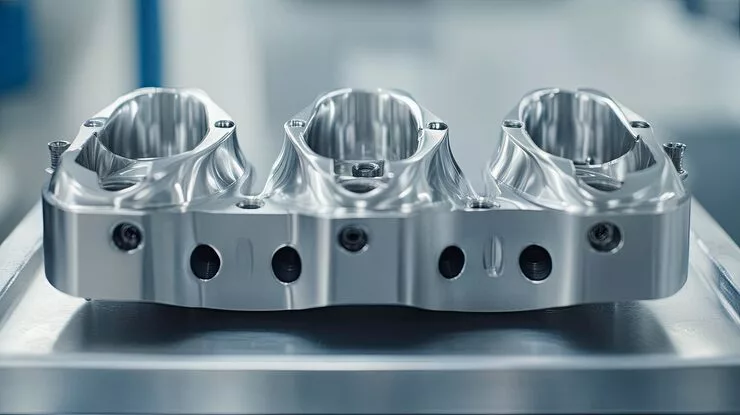 Aluminum CNC Machining Part
When we evaluate a project at MS Machining, the first question isn’t just about geometry; it’s about the physical forces the part must endure. Choosing between steel and aluminum often comes down to the specific type of load—whether the part is holding a static weight or enduring millions of cycles of motion. Understanding these mechanical demands ensures that the precision CNC parts we manufacture perform reliably in the field.
Static vs dynamic loads and fatigue behavior
The nature of the load is the primary driver for material selection. Static loads are constant and unchanging, while dynamic loads involve fluctuating forces, often leading to fatigue over time.
- Steel (e.g., 4140, 4340): Steel generally possesses a distinct fatigue limit. As long as the stress remains below a certain threshold, the part can theoretically endure an infinite number of cycles without failing. This makes steel the preferred choice for critical structural components in heavy machinery.
- Aluminum (e.g., 6061, 7075): Aluminum does not have a defined fatigue limit. Regardless of how low the stress is, it will eventually fail if subjected to enough cycles. However, for static applications where weight is a concern, aluminum offers excellent performance without the penalty of heavy mass.
Impact, vibration, and torsion considerations
Beyond simple weight bearing, parts often face sudden shocks or twisting forces. Steel is typically superior for components that must resist deformation under high impact or torque. For example, our custom shafts, rods, and mandrels are frequently machined from stainless or alloy steel to handle high rotational torque without twisting or snapping.
Conversely, aluminum is softer and can absorb energy, but it is more prone to denting or deforming under heavy impact. However, its lower density can be an advantage in reducing vibration in high-speed reciprocating mechanisms where a heavier steel part would generate excessive inertia.
Designing aluminum parts for light-weighted yet strong structures
When weight reduction is the priority—such as in aerospace or robotics components—aluminum is the standard. By utilizing high-strength alloys like 7075, we can achieve strength comparable to some mild steels at a fraction of the weight.
To maximize the potential of our aluminum CNC machining services, we recommend designing with features that enhance stiffness without adding unnecessary bulk:
- Ribbing and Gussets: Adding structural ribs allows for thinner walls while maintaining rigidity.
- Geometry Optimization: Using I-beam or T-beam cross-sections to handle bending loads efficiently.
- Anodizing: While this doesn’t increase core strength, a Type III hard anodize improves surface wear resistance, compensating for aluminum’s natural softness.
Designing steel parts for high durability under repetitive stress
For applications requiring maximum durability, steel remains the king. When designing CNC precision parts for repetitive stress, the focus shifts to hardness and tensile strength. Materials like Stainless 17-4 PH or 1045 Carbon Steel are ideal because they resist wear and maintain tight tolerances (up to ±0.005mm) even under thermal and mechanical stress.
Key design strategies for steel include:
- Fillets and Radii: Avoid sharp internal corners to reduce stress concentrations that could lead to cracking.
- Heat Treatment: Designing parts with allowances for post-machining heat treatment to increase surface hardness.
- Wall Thickness: Steel parts can generally have thinner walls than aluminum equivalents due to higher modulus of elasticity, allowing for compact designs in tight spaces.
Environmental Factors Affecting Material Choice
When selecting materials for Steel vs Aluminum CNC Machining, the operating environment is just as critical as the mechanical load. A part that performs perfectly in a climate-controlled factory might fail rapidly on an oil rig or inside an engine bay. We evaluate environmental exposure early in the design phase to ensure longevity and reliability.
Exposure to moisture, chemicals, or outdoor conditions
Moisture and chemical exposure dictate whether a raw metal can survive or if it requires significant protection.
- Aluminum: Alloys like 6061 and 5052 naturally form a thin oxide layer that provides decent resistance to atmospheric corrosion. This makes them suitable for general outdoor enclosures and consumer electronics.
- Stainless Steel: For marine environments or exposure to harsh solvents, Stainless Steel 316 is the industry standard. Its molybdenum content resists pitting and chloride corrosion far better than aluminum or standard carbon steel.
- Carbon Steel: While mechanically strong, grades like 1018 or 4140 will rust quickly in humid environments without aggressive surface protection.
Temperature variations and thermal expansion impacts
Thermal stability is a major differentiator between steel and aluminum. Aluminum has a coefficient of thermal expansion roughly twice that of steel. If your precision cnc parts are subjected to extreme heat cycles, aluminum components may expand and contract enough to affect tight tolerances or cause interference in an assembly.
For high-heat applications or assemblies requiring strict dimensional stability, steel is often the safer choice. Whether we are producing components via milling or using our CNC turning services for cylindrical parts, understanding how the material reacts to thermal stress is vital for maintaining accuracy in the field.
Corrosion resistance and protective treatments for steel and aluminum
Raw material properties often need augmentation through secondary operations. At MS Machining, we apply specific finishes to extend the life of cnc precision parts:
- Aluminum: We recommend Anodizing (Type II or Type III). This electrochemical process thickens the natural oxide layer, making the surface harder and corrosion-resistant. Chemical film (Chromate conversion) is another option for maintaining electrical conductivity while preventing oxidation.
- Stainless Steel: We use Passivation to remove free iron from the surface, enhancing its natural corrosion resistance without altering dimensions.
- Steel: Carbon steel almost always requires Zinc Plating, Nickel Plating, or Powder Coating to create a physical barrier against the environment.
Maintenance considerations over part lifecycle
The initial cost of the material often correlates with long-term maintenance needs. Stainless steel parts generally offer the lowest lifecycle maintenance cost because they do not rely on a coating that can chip or wear off. Painted or plated steel requires periodic inspection to ensure the barrier remains intact; once the coating is breached, structural integrity can degrade rapidly due to rust. Aluminum offers a middle ground—it is low maintenance regarding rust but may require hard anodizing to prevent surface wear in abrasive environments.
Cost and Production Efficiency in CNC Machining
When evaluating Steel vs Aluminum CNC Machining, the bottom line often comes down to a balance between raw material price and the cost of machine time. At MS Machining, we help clients navigate these trade-offs to ensure they get the most value, whether they are ordering a single prototype or thousands of units.
Material cost comparison and scrap reduction strategies
Raw material costs fluctuate, but generally, standard carbon steels (like 1018) are cheaper per pound than aluminum alloys. However, because steel is much denser, a specific volume of steel will weigh roughly three times as much as the same volume of aluminum, potentially offsetting the price-per-pound advantage. Stainless steels (like 304 or 316) and specialty alloys are significantly more expensive than standard aluminum grades like 6061.
To keep costs down, we focus on efficient nesting and selecting stock sizes that minimize waste. For precision cnc parts, choosing standard bar stock sizes close to the final part diameter reduces the amount of material we need to remove, directly lowering material waste and cycle time.
Machining time, tooling wear, and labor efficiency for steel vs aluminum
While raw steel might be cheaper, aluminum often wins on total part cost due to “machinability.” Aluminum is softer and chips easily, allowing us to run our CNC milling operations at much higher speeds and feeds. This drastically reduces cycle time.
- Aluminum: High material removal rates, low tool wear, and fast production cycles.
- Steel: Requires slower cutting speeds to manage heat and tool life. Harder alloys (like 4140 or Stainless) increase tool wear, leading to more frequent tool changes and higher consumable costs.
If a part has complex geometry requiring extensive material removal, the labor and machine time savings of using aluminum often outweigh the raw material savings of using mild steel.
Balancing low-volume prototyping with high-volume production
Our facility is set up to handle both rapid prototyping and mass production. For low-volume orders (1-50 parts), material cost is a smaller percentage of the total price compared to setup time and programming. In these cases, we often recommend sticking to the material that best fits the functional requirement, as the cost difference is negligible.
For high-volume production, however, every second of cycle time counts. We optimize tool paths to shave off seconds per part. If the application allows, switching to a free-machining steel (like 12L14) or a specific aluminum grade can yield massive savings over a production run of thousands of cnc precision parts. Our 3-7 day sample turnaround allows us to validate these efficiencies quickly before scaling up.
Post-machining finishing costs and process optimization
The cost of a part isn’t finalized until it is finished. Aluminum parts frequently require anodizing (Type II or Type III) for corrosion resistance and cosmetic appeal, which adds a processing step but is generally cost-effective.
Steel parts, particularly carbon steels, almost always require secondary operations to prevent rust. We offer various treatments to address this:
- Plating: Zinc or nickel plating for corrosion protection.
- Powder Coating: Durable, aesthetic finishes for industrial parts.
- Passivation: Essential for stainless steel to maximize corrosion resistance.
We integrate these secondary operations into our workflow to minimize lead times and logistics costs, ensuring you receive a finished, ready-to-use component.
Part Design Guidelines for Steel and Aluminum CNC Machining
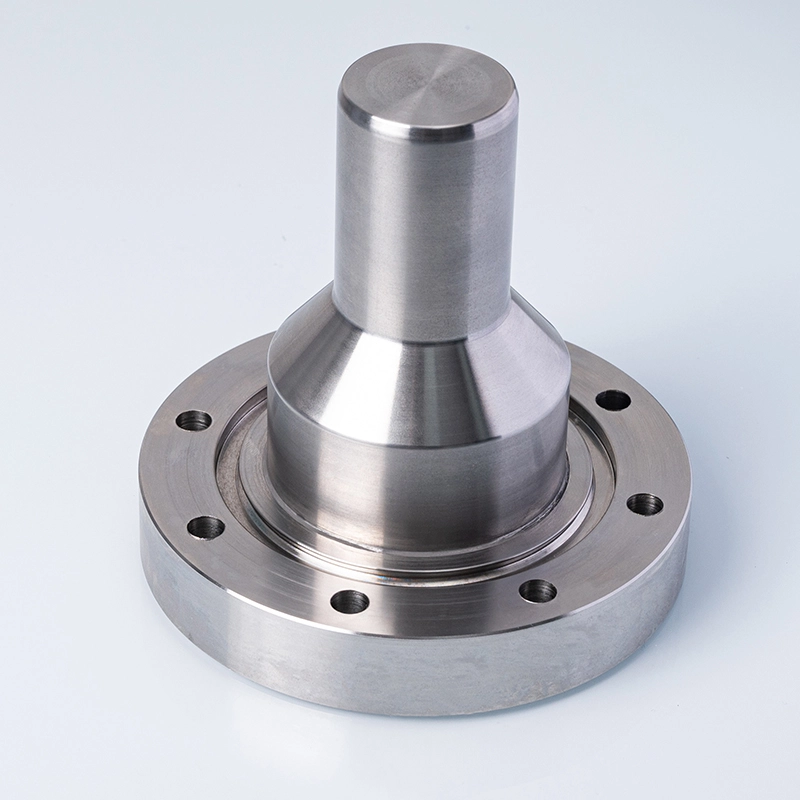 CNC Machining In Stainless-steel
Designing for manufacturability (DFM) is just as critical as selecting the right material. Whether you are working with the rigidity of steel or the malleability of aluminum, the geometry of your part dictates how easily—and affordably—it can be machined. We approach design with a focus on minimizing tool wear and cycle time while maximizing structural integrity.
Wall thickness, draft angles, and fillets
The physical limitations of cutting tools play a huge role here. Since end mills are round, you cannot machine a perfectly sharp internal corner. We always recommend adding fillets (rounded corners) with a radius slightly larger than the tool radius. This prevents the tool from stopping abruptly in the corner, reducing chatter and improving surface finish.
-
Wall Thickness:
- Aluminum: You can generally get away with thinner walls (down to ~0.020 inches in some cases), but be careful of warping due to clamping pressure or heat buildup.
- Steel: Requires thicker walls (usually min 0.030-0.040 inches) to maintain rigidity against the higher cutting forces needed to shear the metal. Thin steel walls are prone to vibration, which ruins the finish.
-
Draft Angles: While crucial for molding, draft angles in CNC are mostly used for deep pocketing to prevent tool rubbing. If you plan to transition your precision cnc parts from machining to casting later, incorporating draft angles now saves redesign time.
Optimizing geometry for stress distribution and load handling
Geometry determines how a part reacts to load just as much as the material does. In steel parts, we often deal with high-stress applications, so avoiding sharp internal corners is non-negotiable; they act as stress concentrators where cracks begin.
For aluminum, which has a lower modulus of elasticity (stiffness) than steel, we often design ribs and gussets into the structure. This adds the necessary stiffness to prevent flexing under load without adding the massive weight penalty of a solid block. By optimizing the geometry, we ensure that cnc precision parts perform reliably whether they are bearing static weight or dynamic vibration.
Minimizing secondary machining while maintaining tolerances
Achieving tight tolerances is expensive. The tighter the spec, the longer the machine runs, and the more specialized the tooling becomes. To keep costs down, we advise applying tight tolerances only to critical mating surfaces and leaving open tolerances for non-functional areas.
Efficiency also comes from the equipment used. Utilizing a modern milling machine with CNC capabilities ensures that we can hit complex geometries and precise dimensions in a single setup whenever possible. This reduces the need for manual deburring or secondary grinding. We also recommend standardizing hole sizes to common drill bit diameters to avoid the need for custom tooling.
Prototyping and testing functional performance before production
Before committing to a full production run of hardened steel components, it is often smart to prototype. We frequently machine initial designs in softer aluminum to verify fit and form. However, for functional testing involving high loads or abrasion, the prototype must be made from the final intended material.
Testing allows us to identify weak points in the design. If a steel part is too heavy, we might pocket out material in low-stress areas. If an aluminum part deflects too much, we might increase wall thickness. Validating the design through physical testing ensures that the final production run meets all environmental and load requirements without unexpected failures.
Decision-Making: When to Choose Steel or Aluminum
Selecting the right material is often a trade-off between mechanical performance and manufacturing efficiency. At MS Machining, we help you navigate these decisions to ensure your Steel vs Aluminum CNC Machining projects meet both technical requirements and budget targets.
High-load, wear-resistant, or impact-critical parts favor steel
When durability is the primary requirement, steel is the superior choice. Components subjected to high stress, repetitive impact, or abrasive environments require the high tensile strength and hardness found in alloys like 4140 or 1045 steel.
- Wear Resistance: Steel maintains tight tolerances longer in high-friction applications.
- Load Capacity: Essential for structural components that must not deform under heavy weight.
- Heat Resistance: Stainless steels like 316 retain integrity at higher temperatures compared to aluminum.
For example, industrial power transmission components, such as a heavy-duty CNC gear, almost exclusively require the toughness of hardened steel to prevent tooth failure under torque.
Weight-sensitive, corrosion-prone, or easily machinable parts favor aluminum
If your application demands a high strength-to-weight ratio, aluminum is the industry standard. Alloys like 7075 provide strength comparable to some mild steels but at roughly one-third the weight, making them ideal for aerospace, automotive, and robotics components.
- Corrosion Resistance: Aluminum naturally forms a protective oxide layer, which we can enhance through anodizing (Type II or Type III) for superior environmental protection.
- Machinability: Aluminum chips easily and dissipates heat well, allowing for faster machining speeds.
- Thermal Conductivity: Excellent for heat sinks and electronic enclosures.
Because aluminum is easier to cut, we can produce complex cnc precision parts with faster cycle times, which directly lowers the cost per part compared to harder metals.
Production volume, lead time, and budget constraints
Your project’s scale and timeline significantly influence material selection. While raw material costs fluctuate, the machining time is often the biggest cost driver.
| Factor | Aluminum | Steel |
|---|---|---|
| Machining Speed | High (Lower Cost) | Low to Medium (Higher Cost) |
| Tool Wear | Low | High (Increases tooling costs) |
| Lead Time | Faster processing | May require post-process heat treatment |
| Volume Suitability | Excellent for high volume | Good, but cycle times are longer |
For rapid prototyping, aluminum allows us to deliver precision cnc parts quickly—often within our standard 3-7 day turnaround window—because it is less demanding on tooling. However, if the part requires the specific mechanical properties of steel, we optimize our tool paths and cutting strategies to minimize the added time and cost. We ensure that regardless of the material, the final product meets our strict ISO 9001:2015 quality standards.
Best Practices for Material Selection in CNC Machining
Collaboration between design engineers and CNC specialists
Achieving the perfect balance between performance and manufacturability rarely happens in isolation. While design engineers understand the functional requirements of the final assembly, our CNC specialists understand how specific metals behave under the cutter. By collaborating early in the development phase, we can identify potential issues—such as deep pockets in hard steel that might induce chatter or thin walls in aluminum prone to vibration. We encourage you to contact us early in your design process so we can provide DFM (Design for Manufacturability) feedback that saves time and reduces scrap.
Using CAM and simulation tools to predict material performance
Before we machine a single piece of stock, we utilize advanced CAM software to simulate the entire machining process. This digital verification allows us to predict how different alloys will react to specific toolpaths and cutting speeds.
- Collision Detection: Prevents machine damage and ensures safety.
- Toolpath Optimization: Reduces cycle times for both steel and aluminum.
- Stress Prediction: Helps anticipate potential warping in lightweight aluminum parts.
Maintaining quality, tolerances, and repeatability across batches
Consistency is critical, especially when scaling from prototyping to mass production. We adhere to strict ISO 9001:2015 standards to ensure that every batch of cnc precision parts meets the same rigorous specifications. Whether we are holding tolerances of ±0.005mm on a hardened steel shaft or achieving a specific Ra 0.8 surface finish on an aluminum housing, our 100% inspection process guarantees repeatability. We verify dimensions and finishes before shipping to ensure your parts integrate seamlessly into your final product every time.
Monitoring material availability and cost trends in the market
Material costs fluctuate based on global supply chain conditions. We actively monitor the market trends for both steel and aluminum to provide accurate pricing and lead time estimates. Sometimes, a minor adjustment in alloy selection—such as switching from a specialized grade to a more widely available standard like 6061 Aluminum or 1018 Steel—can result in significant cost savings without compromising the part’s function. We help you navigate these trade-offs to keep your project on budget and on schedule.