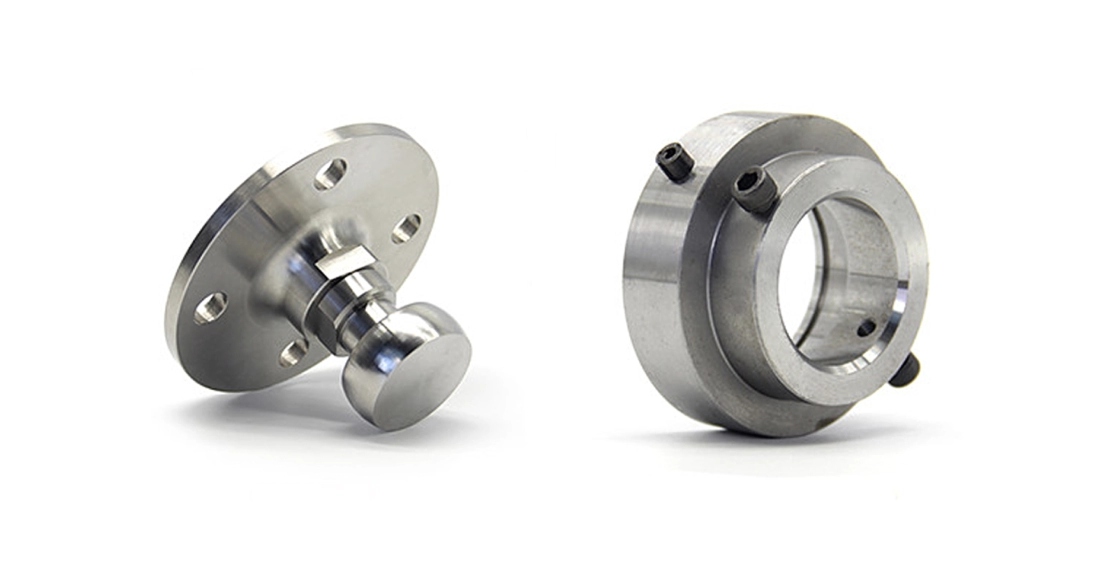
What Makes Stainless Steel an Ideal Material for Durable Components?
In the realm of high-performance manufacturing, material selection dictates the longevity and reliability of the final product. Stainless steel remains the industry standard for components that must withstand rigorous operational environments. At MS Machining, we leverage the inherent properties of this alloy to produce parts that meet strict ISO 9001:2015 standards, ensuring every component delivers maximum value and lifecycle performance.
1. Corrosion Resistance
The primary driver for selecting stainless steel is its exceptional resistance to oxidation and chemical attack. The chromium content within the alloy forms a passive surface layer that self-heals in the presence of oxygen, preventing rust.
- Grade 304: Ideal for general industrial applications where moisture is present.
- Grade 316: Offers superior resistance to chlorides and acids, making it essential for marine environments and medical devices.
Our CNC machining services ensure that the surface integrity of these corrosion-resistant grades is maintained throughout the milling and turning process, providing long-term protection against environmental degradation.
2. Strength and Durability
Durability goes beyond surviving the elements; it requires handling intense mechanical stress. Stainless steel offers an impressive strength-to-weight ratio, allowing components to endure high pressure without deformation. We frequently machine robust alloys like 17-4 PH, known for their high hardness and tensile strength. These materials are crucial for aerospace and heavy machinery parts that face constant impact and load. By utilizing advanced CNC equipment, we process these tough materials into precise geometries without compromising their structural core.
3. Temperature Resistance
Extreme thermal cycling can cause lesser materials to warp, crack, or lose structural integrity. Stainless steel maintains its mechanical properties across a vast temperature spectrum. Whether subjected to cryogenic freezing or the intense heat of automotive engines and energy turbines, stainless steel components retain their shape and strength. This thermal stability ensures that critical assemblies remain operational and safe, regardless of the operating environment.
Why CNC Machining is the Best Method for Stainless Steel Components
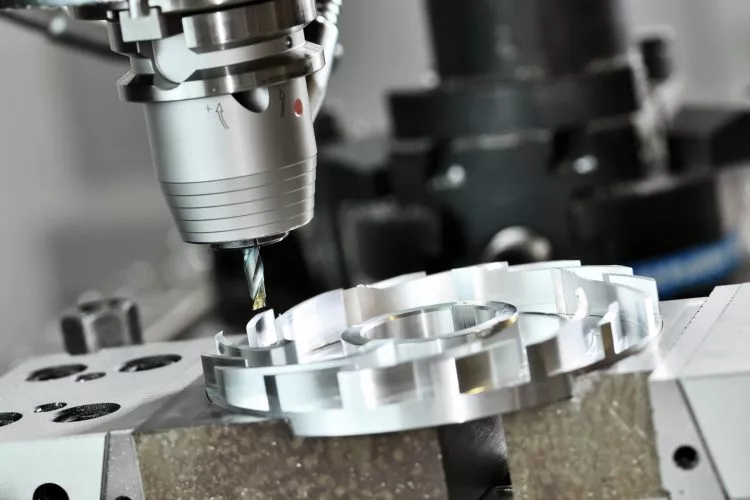
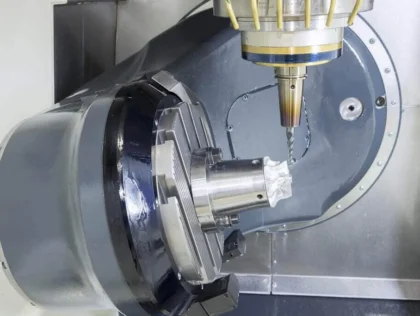
When dealing with a material as tough and unforgiving as stainless steel, manual processing often leads to tool breakage and inconsistent results. To get the most out of this alloy, we rely on advanced manufacturing technology. Stainless Steel CNC Machining Services provide the rigidity and control necessary to cut through hard metals without compromising the structural integrity of the final product.
1. Precision and Accuracy
Stainless steel is notorious for work-hardening if not cut correctly. This means if the tool dwells too long or doesn’t cut deep enough, the material becomes harder and more difficult to machine. CNC systems eliminate this guesswork by controlling feed rates and speeds with mathematical exactness.
By automating the tool paths, we achieve micron-level accuracy that manual operations simply can’t match. If you want to dive deeper into the mechanics, understanding how CNC machining works reveals why it is the superior choice for hard metals. This process ensures every cut is executed with calculated precision, preventing material deformation.
2. Complex Geometries and Tight Tolerances
Modern engineering demands more than just simple blocks and cylinders. We frequently encounter designs featuring intricate internal channels, undercuts, and compound curves that are impossible to mold or cast effectively in stainless steel.
Using multi-axis CNC mills, we can approach the workpiece from various angles to create cnc precision parts with complex geometries. This capability allows us to hold extremely tight tolerances—often down to +/- 0.0005 inches—which is critical for components used in high-stakes industries like aerospace and medical technology.
3. Consistency and Reproducibility
For manufacturers in the US, reliability is everything. Whether we are running a single prototype or a production run of ten thousand units, the quality must be identical across the board.
- Automated Repeatability: Once the G-code is programmed and optimized, the machine repeats the exact same motion every time.
- Scalability: We can ramp up production without sacrificing quality.
- Reduced Human Error: Automation minimizes the risk of operator mistakes during long production runs.
This consistency guarantees that the thousandth part off the line is just as durable and precise as the first, ensuring seamless integration into your assembly lines.
How Stainless Steel CNC Machining Services Enhance Durability of Components

When we manufacture parts, our goal isn’t just to make them fit; it’s to make them last. Stainless Steel CNC Machining Services play a pivotal role in transforming raw stock into components that can survive the toughest conditions in the US market. Here is how the process directly boosts durability.
1. Minimizing Material Waste and Defects
One of the biggest threats to durability is inconsistency. Manual machining leaves room for human error, which can introduce microscopic stress points or structural weaknesses. With CNC machining, we rely on automated, computer-controlled paths that replicate the design perfectly every single time.
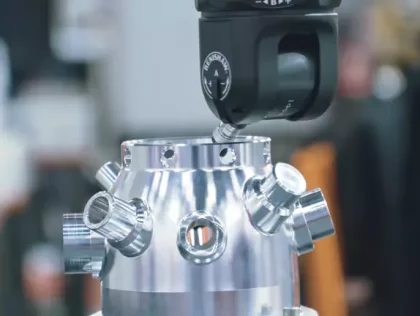
This precision significantly lowers the chance of internal defects that could cause a part to fail under load. By integrating strict metrology and precision in manufacturing protocols, we verify that every dimension is within tolerance, ensuring the material integrity remains compromised. This results in a solid, reliable component with minimal waste.
2. Increased Longevity of Parts
Durability is often a game of fatigue resistance. CNC precision parts are machined to exact specifications, meaning they fit perfectly within their assemblies. A loose fit causes vibration and hammering, while a tight fit causes binding—both lead to early failure.
Furthermore, the machining process allows us to utilize specific alloys effectively. Choosing the right material from the various stainless steel grades ensures the part has the chemical and mechanical properties necessary to resist wear over decades, not just months. We machine these tough materials without degrading their temper, maintaining their inherent strength.
3. Enhanced Surface Finish and Reduced Friction
The surface condition of a part dictates how it interacts with its environment. Stainless Steel is naturally tough, but a rough surface finish can become a breeding ground for corrosion or a source of mechanical friction. CNC machining allows us to achieve extremely fine surface finishes (low Ra values).
- Reduced Friction: Smoother surfaces generate less heat and wear when moving against other parts.
- Corrosion Resistance: Eliminating micro-pits and tool marks prevents moisture and chemicals from pooling and starting rust.
- Fatigue Strength: A polished surface is less likely to develop cracks under cyclic stress.
Common Applications of Stainless Steel CNC Machining in Various Sectors
Stainless steel is the backbone of industries that cannot afford equipment failure. When we combine this material’s inherent toughness with our advanced manufacturing capabilities, we deliver components that perform reliably in the most demanding environments. Here is where CNC machining services make the biggest impact.
1. Precision Parts for High-Performance Machinery
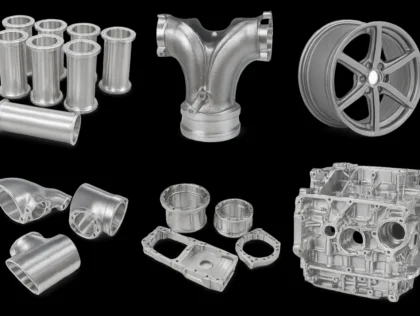
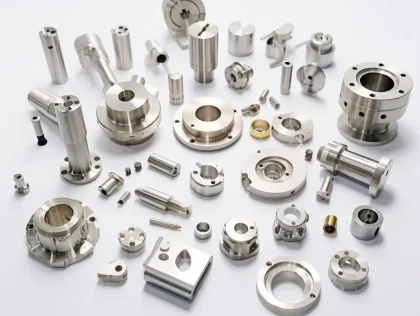
Industrial equipment often operates 24/7, subjecting components to constant vibration and stress. We use CNC milling and turning to create **cnc precision parts** like gears, shafts, and fasteners that maintain their integrity over long operational lifecycles. By holding tolerances as tight as +/- 0.01mm, we ensure these parts fit perfectly into complex assemblies, reducing wear and preventing costly downtime.
2. Medical Devices and Implants
The medical field demands absolute precision and biocompatibility. Stainless steel (particularly grades like 316L) is essential for surgical instruments, orthopedic implants, and diagnostic equipment because it is easy to sterilize and resists corrosion from bodily fluids. Our ISO 9001:2015 certified processes ensure that every component meets the strict regulatory standards required for patient safety.
3. Food Processing and Pharmaceutical Equipment
Hygiene is non-negotiable in food and drug manufacturing. We machine stainless steel components that withstand frequent washdowns with harsh chemical cleaners without corroding or leaching contaminants.
* **Mixing Blades:** High strength to handle viscous materials.
* **Conveyor Parts:** Durable enough to resist friction wear.
* **Valves and Fittings:** Leak-proof precision for fluid handling.
4. Energy Sector Components
The oil and gas industry operates in some of the harshest conditions on earth, requiring materials that can survive high pressure and corrosive elements. We manufacture robust components using tough alloys like 17-4 PH stainless steel. This includes critical infrastructure parts such as [casing hangers for oilfield applications](https://ms-machining.com/casing-hangers-everything-you-need-to-know-about-this-critical-oilfield-component/), which must support immense weight and seal pressure effectively deep underground.
5. Automotive Components
In the automotive world, durability equals performance. **Stainless Steel** is frequently used for exhaust systems, engine components, and suspension parts due to its high heat resistance and strength-to-weight ratio. Our rapid prototyping services allow automotive engineers to test these designs quickly, moving from concept to finished part in as little as 3–7 days.