
What Is Rapid CNC Machining Exactly?
Rapid CNC machining is all about delivering custom machined parts faster than traditional methods, without sacrificing precision or quality. Unlike standard CNC machining, which typically has longer lead times due to batch scheduling and more manual setup, rapid CNC focuses on speed and flexibility—perfect for prototyping, urgent production runs, or low-volume parts.
Quick-Turn vs. Rapid CNC: What’s the Difference?
- Standard CNC Machining: Lead times often range from 2 weeks to several months, depending on complexity and order size.
- Quick-Turn CNC Machining: Faster than standard, usually 5–10 days, with some prioritization but still limited by machine availability and tooling.
- True Rapid CNC Machining: We define this as 24 hours to 5 days for most parts, enabled by streamlined workflows, 24/7 operations, and tech like 5-axis machining.
At MS Machining, “rapid” means you get fast, reliable delivery—cutting lead times down to days, not weeks. Whether you need a few prototype parts or a small production run, we optimize for speed without compromising accuracy.
Rapid CNC vs. Traditional CNC vs. 3D Printing
| Feature | Rapid CNC Machining | Traditional CNC Machining | 3D Printing |
|---|---|---|---|
| Lead Time | 1–5 Days | 2+ Weeks | 1–7 Days |
| Precision | ±0.0005″ | ±0.001″ or more | ±0.005″+ |
| Material Options | Metals & Plastics | Metals & Plastics | Limited (mainly plastics) |
| Surface Finish | Excellent (machined) | Very Good | Rough – often needs finishing |
| Cost (Low Volume) | Moderate | Higher | Lower |
| Best For | Functional Prototypes, Small Runs | Large Production | Visual Models, Rapid Concepts |
Rapid CNC machining fills the gap between traditional machining and 3D printing—offering speed and precision with a strong material range that supports functional, end-use parts.
In the fast-paced U.S. manufacturing environment, knowing the difference can save you time and money while hitting your quality goals.
How Fast Is “Rapid” in Real Life?

When we say “rapid” CNC machining, we’re talking real turnaround times that can fit tight schedules without sacrificing quality. Typical lead times depend on the part complexity:
- Simple parts: 1–3 days
- Moderately complex parts: 3–7 days
- Highly complex parts: 7–10 days
At MS Machining, we’ve delivered on these promises many times. For example, we completed 50 aluminum enclosures within just 48 hours for a client who needed quick prototyping without delays. This kind of fast turnaround CNC machining is possible thanks to our ready-to-go material stock and efficient workflow.
Factors that influence speed include how finished your design is (design readiness), availability of the raw materials, and the finishing processes like anodizing or plating. Early communication here is key to hitting those accelerated lead times.
For complex parts, you might want to check out how our aluminum machining processes help speed production while maintaining precision.
The Precision Myth – Does Speed Sacrifice Accuracy?
A common misconception is that faster turnaround in rapid CNC machining means cutting corners on quality. At MS Machining, that’s simply not true. We consistently hold tight tolerances around ±0.0005″ even on quick-turn jobs, proving rapid machining doesn’t mean sacrificing precision.
Our use of advanced 5-axis CNC machines allows complex geometries to be machined accurately and efficiently from multiple angles without repositioning the part. This capability, combined with high-speed spindles and adaptive toolpaths, means we maintain tight quality control even on expedited projects.
Plus, every order includes first-article inspection and comprehensive digital inspection reports. These reports detail exact measurements against your specs and guarantee your parts meet or exceed quality standards — giving you confidence that speed never compromises accuracy.
For projects needing specific finishes or stainless steel components, we recommend seeing how our manufacture components of stainless steel services maintain the same precision under rapid timelines.
Materials Available for Rapid CNC Machining
When it comes to rapid CNC machining, having the right material on hand is crucial to meet tight deadlines without sacrificing quality. At MS Machining, we offer a wide range of metals and plastics suited for quick-turn projects, ensuring you get exactly what you need—fast.
Metals
- Aluminum 6061 & 7075: Lightweight, strong, and perfect for aerospace and electronics.
- Stainless Steel 304 & 316: Great for corrosion resistance and medical-grade applications.
- Titanium: High strength-to-weight ratio ideal for aerospace and defense.
- Brass & Copper: Excellent for electrical components and heat conductive parts.
Plastics
- ABS & PC (Polycarbonate): Durable and impact-resistant for prototypes and end-use parts.
- POM (Delrin): Low friction and high stiffness, often used in mechanical components.
- PEEK & Ultem: High-performance plastics with exceptional temperature and chemical resistance.
- Nylon: Versatile with good strength and wear resistance.
Quick Selection Table: Material vs. Lead Time Impact
| Material | Typical Lead Time Impact | Key Mechanical Properties |
|---|---|---|
| Aluminum 6061 | Low | Lightweight, good machinability |
| Stainless Steel 316 | Moderate | Corrosion resistant, strong |
| Titanium | Moderate to High | Extremely strong, lightweight |
| Brass | Low | Excellent electrical conductivity |
| ABS | Low | Impact resistant, easy to machine |
| PEEK | Higher | High temp resistance, durable |
Choosing the right material early helps speed up your project by ensuring stock availability and minimizing finishing delays. For example, aluminum 6061 and ABS plastic are typically available in stock for the fastest turnaround, while specialty metals like titanium may add a few extra days.
If you want to see how different materials affect your project timeline and mechanical needs, check out our detailed CNC milling machine capabilities to help you pick the right fit for your rapid CNC machining job.
Key Technologies That Make Rapid CNC Possible

Rapid CNC machining relies on advanced technology to deliver speed without sacrificing quality. At MS Machining, 5-axis and 3+2 machining setups are the backbone of our fast, precise cutting processes. These multi-axis machines allow complex parts to be completed in fewer setups, dramatically cutting lead times while boosting accuracy.
High-speed spindles combined with adaptive toolpaths optimize cutting conditions in real time, pushing material removal rates without pushing tool life or surface finish quality to the limit. This means we can run jobs faster while maintaining tight tolerances and excellent finishes.
Another big advantage is our full in-house capability for anodizing, plating, and heat treatment. By handling these finishing steps on-site, we avoid the delays and quality risks that come with third-party vendors—keeping turnaround times razor-sharp.
Finally, our lights-out manufacturing setup and 24/7 operations ensure jobs keep moving around the clock. Automated tools and constant monitoring mean we maximize machine uptime and respond quickly to any issues, supporting true expedited CNC services you can rely on.
These technologies combine to make rapid CNC a reality—fast, precise, and ready when you need it.
For more on how CNC machining works and why precision matters, check out our detailed guide on how does CNC machining work and our article on metrology and precision in manufacturing.
Industries That Depend on Rapid CNC Machining
Rapid CNC machining is a game-changer across many industries where speed and precision matter most. Here are some key sectors that rely heavily on this technology:
- Aerospace & Defense: Parts must meet strict tolerances and often require quick turnaround for prototyping and emergency repairs. Rapid CNC ensures components are ready when schedules are tight.
- Medical Devices and Surgical Instruments: Precision and material quality are critical. Rapid CNC machining supports fast development cycles, especially in medical manufacturing devices and equipment where accuracy is non-negotiable.
- Robotics and Automation: Custom machined parts, often from tough metals, are needed fast to keep automation projects moving ahead.
- Consumer Electronics: Rapid CNC becomes essential for prototyping housings, brackets, and functional parts before mass production.
- Automotive Prototyping: From early design models to functional parts, rapid CNC keeps car development on the fast track.
For example, we’ve supported an aerospace client with precision aluminum components delivered within 48 hours, helping them hit critical launch deadlines. Likewise, a medical device company relied on our quick-turn CNC parts for surgical instrument prototypes with tight tolerances and fast delivery.
These real-world examples highlight how on-demand CNC manufacturing drives innovation and cuts down time-to-market across sectors. For more on how CNC competes with other manufacturing methods, check out our detailed investment casting vs CNC guide.
When Should You Choose Rapid CNC Over 3D Printing?
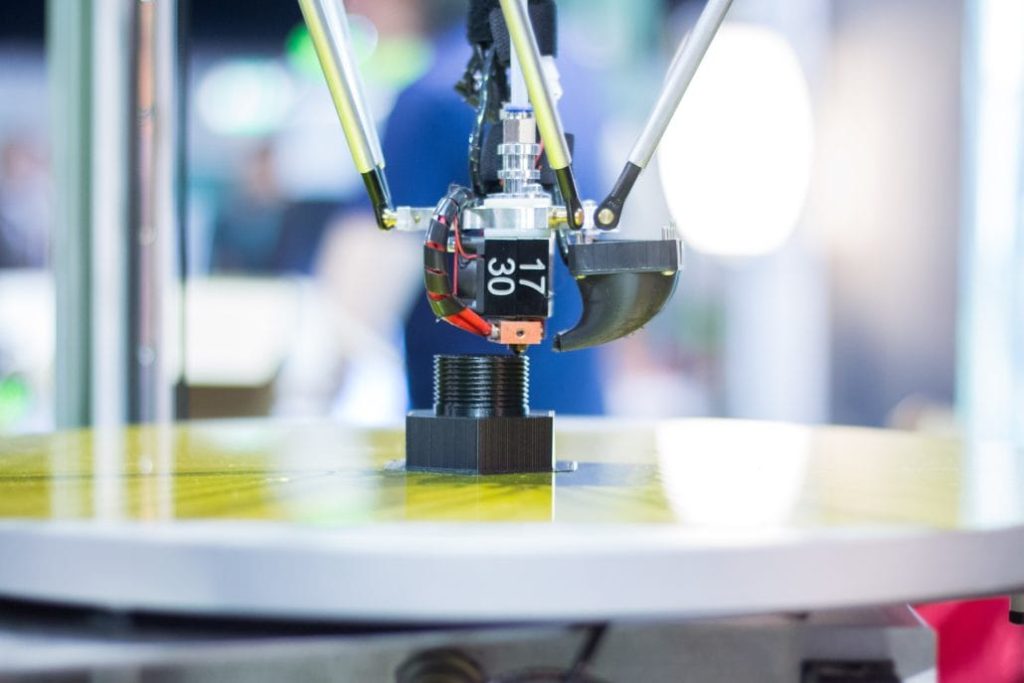
Deciding between rapid CNC machining and 3D printing comes down to your part’s needs for strength, finish, cost, and quantity. Here’s a quick side-by-side look at how they compare for orders from 1 to 500 pieces:
| Feature | Rapid CNC Machining | 3D Printing |
|---|---|---|
| Strength | Superior mechanical strength; great for metals and engineering plastics | Lower strength, best for prototypes and visual models |
| Surface Finish | Smooth, ready for use; minimal post-processing | Often rough, may need sanding or coating |
| Material Variety | Wide: aluminum, steel, titanium, plastics | Limited by printer types and materials |
| Cost (1–10 pcs) | Higher due to setup but fast turnaround | Lower for very low quantities |
| Cost (10–500 pcs) | More cost-effective and faster per unit | Increasingly expensive and slower |
| Accuracy & Tolerance | High precision, often ±0.0005″ | Less precise, varying by technology |
| Lead Time | 1–5 days typical for rapid runs | Can be same-day for simple parts |
Break-even quantity:
- For simple prototypes or visual models, 3D printing is usually cheaper at 1–5 pieces.
- Once you hit around 10+ parts, rapid CNC machining becomes more cost-effective and delivers stronger, better-finished parts.
If you need strong, precision parts quickly in low to mid volumes, rapid CNC machining is often the better choice. It’s especially true for functional prototypes or end-use parts requiring tight tolerances and durable materials — something 3D printing can’t always match.
For more on the advantages of advanced machining, check out our detailed explanation of how a 5-axis CNC machine boosts precision and speed.
How to Get the Fastest Possible Turnaround (Design Tips)
Speeding up your rapid CNC machining starts with smart design choices. Following Design for Manufacturing (DfM) guidelines tailored to rapid machining can make a huge difference. Here are some tips to help you get the quickest turnaround:
- Wall Thickness: Keep walls consistent and avoid extremely thin sections. Ideal walls are usually 0.040″ or thicker to ensure both strength and easier machining.
- Undercuts: Minimize or avoid undercuts since they require complex toolpaths or additional setups, adding time.
- Threads: Use standard thread sizes and consider thread inserts instead of tapping deep threads in hard materials to save machining time.
- Text and Features: Keep engraved text simple, with a minimum stroke width of 0.020″ and avoid overly intricate details that slow down cutting.
- Tolerances: Use tolerances no tighter than ±0.005″ where possible. Tighter tolerances increase inspection time and slow down production.
Applying these design tips not only speeds up manufacturing but also reduces costs and lowers the chance of delays or rework. For a quick checklist you can follow, download our free Rapid CNC Design Checklist—it’s a handy reference to keep your projects moving fast.
For more details on design best practices, check out our guide on special CNC machining processes that also influence turnaround time.
The MS Machining Rapid CNC Advantage

At MS Machining, we back our rapid CNC machining with some serious capability. With 50+ CNC machines running 24/7, we keep your projects moving around the clock, ensuring fast turnaround times without sacrificing quality. Need a quick answer? Our same-day quoting system lets you upload your CAD files and get a detailed quote in less than 2 hours, so there’s no waiting to get started.
We believe in flexibility—that’s why we have no minimum order quantity, making us ideal for everything from one-off prototypes to low-volume CNC production runs. Quality is non-negotiable here, supported by our ISO 9001 and AS9100 certifications, which means your parts meet the highest industry standards.
Based in [City, Country], we provide direct shipping worldwide, so your rapid CNC machined parts arrive where you need them, right when you need them. For the best in speed, precision, and reliability, MS Machining is your trusted partner for expedited CNC services.
Explore how our 5-axis CNC milling machine capabilities enhance rapid machining efficiency and precision.
Pricing Transparency – What Influences Cost?
When it comes to rapid CNC machining, understanding what drives cost helps you plan better and avoid surprises. Here are the main factors that influence pricing:
- Material: Metals like titanium or stainless steel usually cost more than aluminum or plastics due to raw material costs and machining difficulty.
- Quantity: Small runs often have a higher per-piece cost, while larger volumes bring the price down.
- Complexity: Intricate parts with tight tolerances or multiple setups require more machine time and skilled labor, increasing the cost.
- Tolerance: The tighter the tolerance (e.g., ±0.0005″), the more careful and precise the machining needs to be, which adds to the price.
- Finishing: Post-machining processes like anodizing, plating, or heat treatment can affect both time and cost.
Typical Price Ranges for Common Parts
- Aluminum enclosures: $50–$150 each in runs of 50–100 pcs
- Small stainless steel components: $30–$80 each for prototype quantities (under 20 pcs)
- Plastic parts (ABS, POM): $15–$40 each depending on size and finish
These prices reflect the balance between speed and precision for rapid CNC machining services in the U.S. market.
For those looking to reduce costs while maintaining quality, consider design optimizations or selecting materials like aluminum that machine faster and cheaper. You can also get a same day CNC quote by uploading your CAD files for an instant price estimate, so you know exactly where your project stands before committing.
If you’re working with aluminum parts, our detailed guide on aluminum CNC machining parts can help you understand cost-saving options specific to that material.