What Are Precision CNC Components?
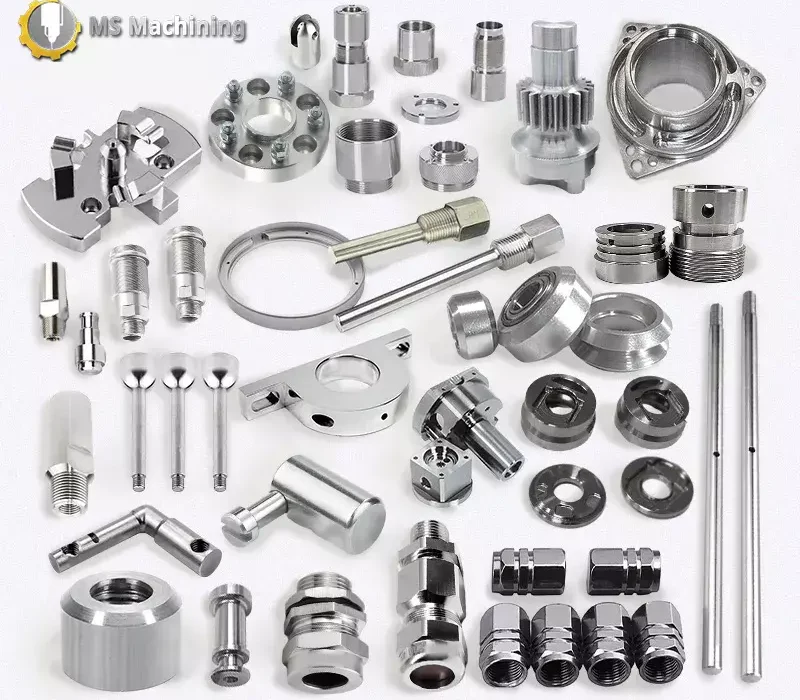
Precision CNC components are parts manufactured using advanced computer numerical control (CNC) machining processes designed for exceptional accuracy and consistency. Unlike standard machining, precision CNC components are produced with extremely tight tolerances and superior repeatability, ensuring each part meets exact specifications. This level of precision is critical for applications where even minor deviations can impact performance or safety.
Key differences from standard machining include:
- Tight Tolerances: Precision CNC machining holds tolerances often within microns, far narrower than typical machining limits.
- Repeatability: Each CNC machined component matches the design repeatedly, eliminating variability between batches.
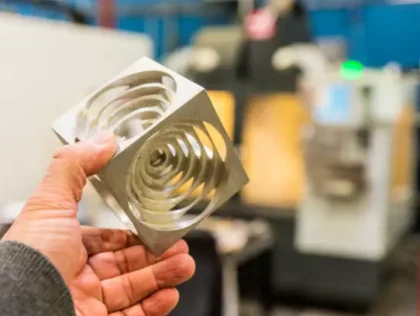
- Complex Geometries: Precision CNC allows for intricate shapes and detailed features unattainable through manual or less advanced methods.
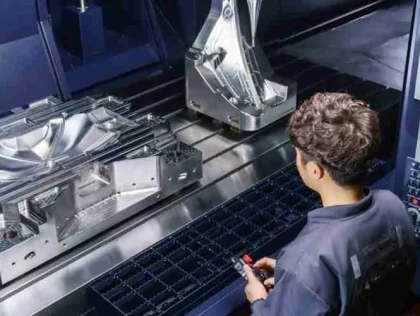
- Advanced Control: Use of high-precision CNC lathes, milling machines, and multi-axis centers enables fine adjustments and consistent output.
These attributes make precision CNC machined components indispensable in industries where quality and reliability cannot be compromised.
Key Processes in Manufacturing Precision CNC Components
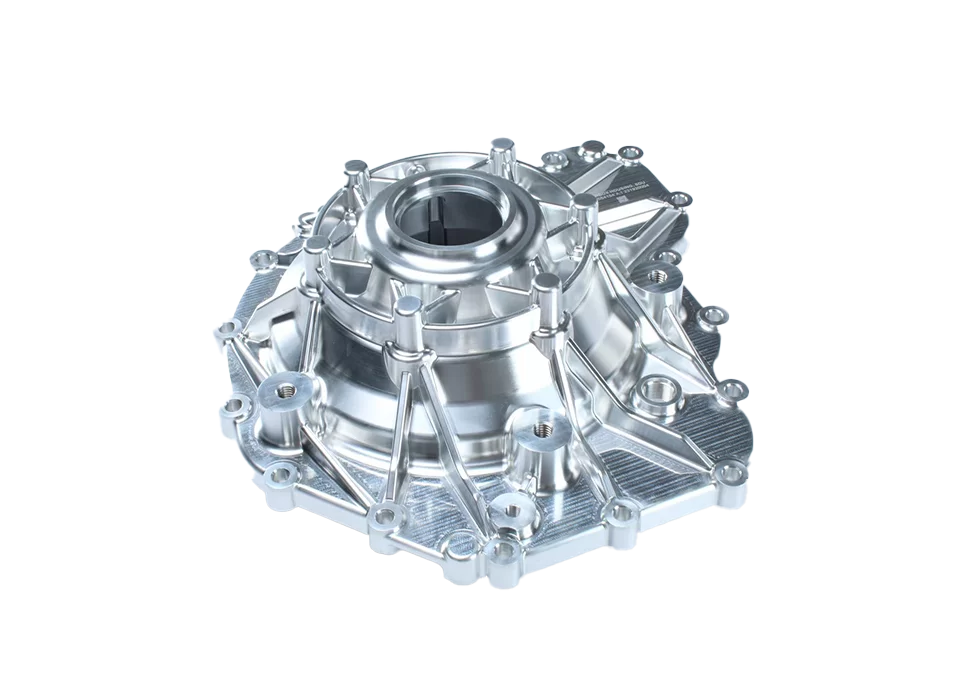
Manufacturing precision CNC components relies on several advanced processes to ensure tight tolerance machining and consistent quality. The foundation is usually CNC milling components and precision CNC turning parts, which shape metals and plastics with exact dimensions. For complex geometries, multi-axis CNC machining—especially 4-axis and 5-axis machining—enables intricate cuts and angles not possible with traditional methods. These multi-axis techniques allow for efficient, precise production of custom CNC precision parts with superior surface finishes and accuracy.
Secondary operations play a crucial role in refining the parts. Processes like grinding and EDM (Electrical Discharge Machining) enhance the precision and finish, removing any micro-imperfections. Deburring smooths out sharp edges, while surface finishing treatments protect the components and improve performance.
At MS Machining, our expertise in both multi-axis CNC machining and secondary processes combined with strict quality controls ensures every precision CNC machined component meets even the toughest standards. Learn how we produce top-tier parts with our precision CNC milling parts custom solutions and advanced 5-axis CNC machining techniques that outpace traditional machining.
Materials Commonly Used for Precision CNC Components
Precision CNC machined components rely heavily on the choice of materials to meet specific performance and durability needs. The most common materials include aluminum alloys, stainless steel, titanium, brass, copper, and various engineering plastics.
- Aluminum alloys are lightweight, corrosion-resistant, and easy to machine, making them ideal for aerospace CNC components and automotive parts.
- Stainless steel offers excellent strength and corrosion resistance, perfect for medical device machining and harsh environments.
- Titanium is favored for high-strength, lightweight precision machined parts in aerospace and defense sectors, although it requires more careful handling during CNC milling.
- Brass and copper are often used for excellent electrical conductivity and wear resistance in electronics and fluid control systems.
- Engineering plastics provide corrosion resistance and reduce weight where metallic strength isn’t essential, supporting complex designs in prototyping and custom CNC precision parts.
Material selection depends on factors like mechanical properties, machinability, heat resistance, and the end-use environment. Choosing the right material ensures you get high precision CNC machining parts that perform reliably in their specific applications. For example, advanced CNC milling components may need specific metals for tighter tolerances and surface finishes, which directly affect overall quality and function.
Critical Tolerances and Quality Standards
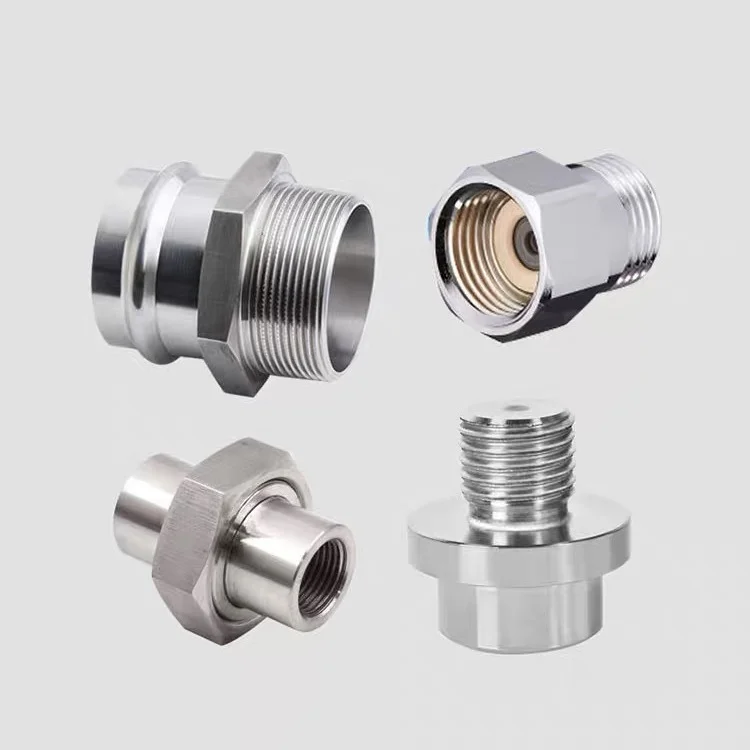
Precision CNC components demand extremely tight tolerance ranges, often measured in microns, to ensure parts fit and function perfectly. Typical tolerances for high precision CNC machining parts can range from ±0.001 inches down to ±0.0001 inches or better, depending on the application. Achieving these tight tolerances depends heavily on factors like regular machine calibration, selecting the right cutting tools, and secure fixturing to minimize movement during machining.
Quality control is key in maintaining these standards. Most precision CNC machining shops use advanced inspection tools such as coordinate measuring machines (CMM) to verify every critical dimension before parts move forward. This ensures repeatability and that CNC machined components meet specifications consistently. Additionally, compliance with ISO standards, such as ISO 9001, guarantees a certified quality management system is in place for ongoing process control.
For projects requiring precision CNC turning parts or multi-axis CNC machining, these quality protocols ensure every part from prototypes to production runs meets exact specifications, reducing scrap and costly rework.
If you’re interested in the costs tied to maintaining tight tolerance machining or how fixturing and tooling can impact precision, you might find insights valuable on our CNC machining service costs page. Also, for precision turned parts, check out our dedicated turned parts service details.
Industries and Applications Relying on Precision CNC Components
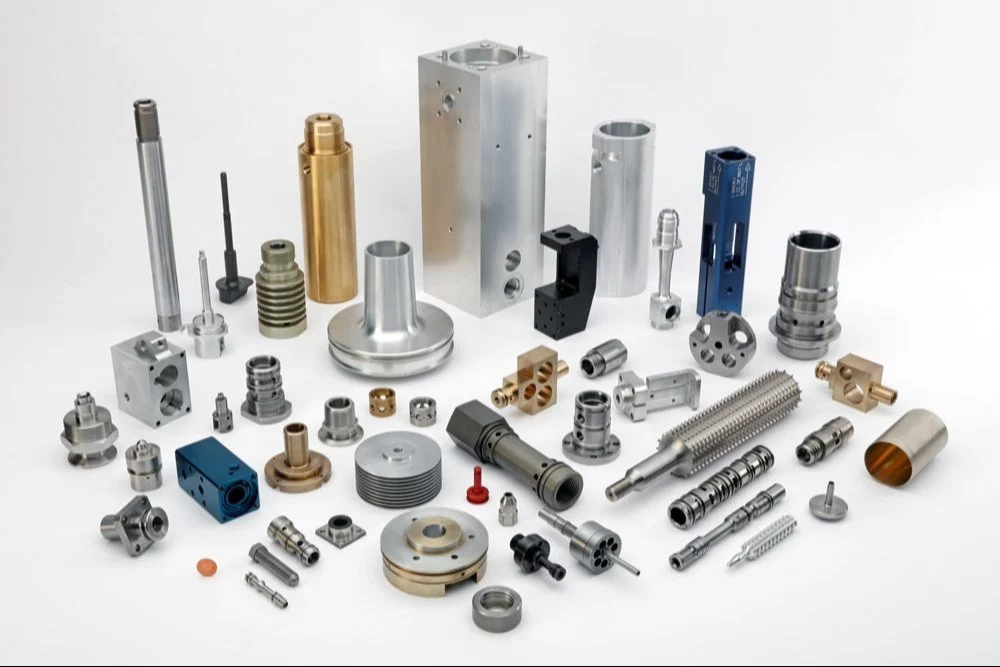
Precision CNC components are crucial across a wide range of industries where accuracy and reliability can’t be compromised. The aerospace sector depends heavily on high precision CNC machining for parts that must perform flawlessly under extreme conditions. Medical device machining is another key application, where precision machined parts ensure safety and effectiveness in implants, surgical tools, and diagnostic equipment.
The automotive industry uses precision CNC turning parts and CNC milling components for engines, transmissions, and complex assemblies demanding tight tolerance machining. Electronics manufacturers require custom CNC precision parts for circuit boards and housings that support miniaturization and high functionality. Defense applications also rely on precision CNC machined components to meet strict military standards for durability and performance.
In these fields and others, the consistent quality and repeatability of precision CNC components make them indispensable. If you want to explore how advanced multi-axis CNC machining and other processes contribute to these industries, check out our 4-axis CNC machining services. For insights on quality assurance, see our detailed what is CNC precision machining overview.
Advantages of Choosing Precision CNC Components
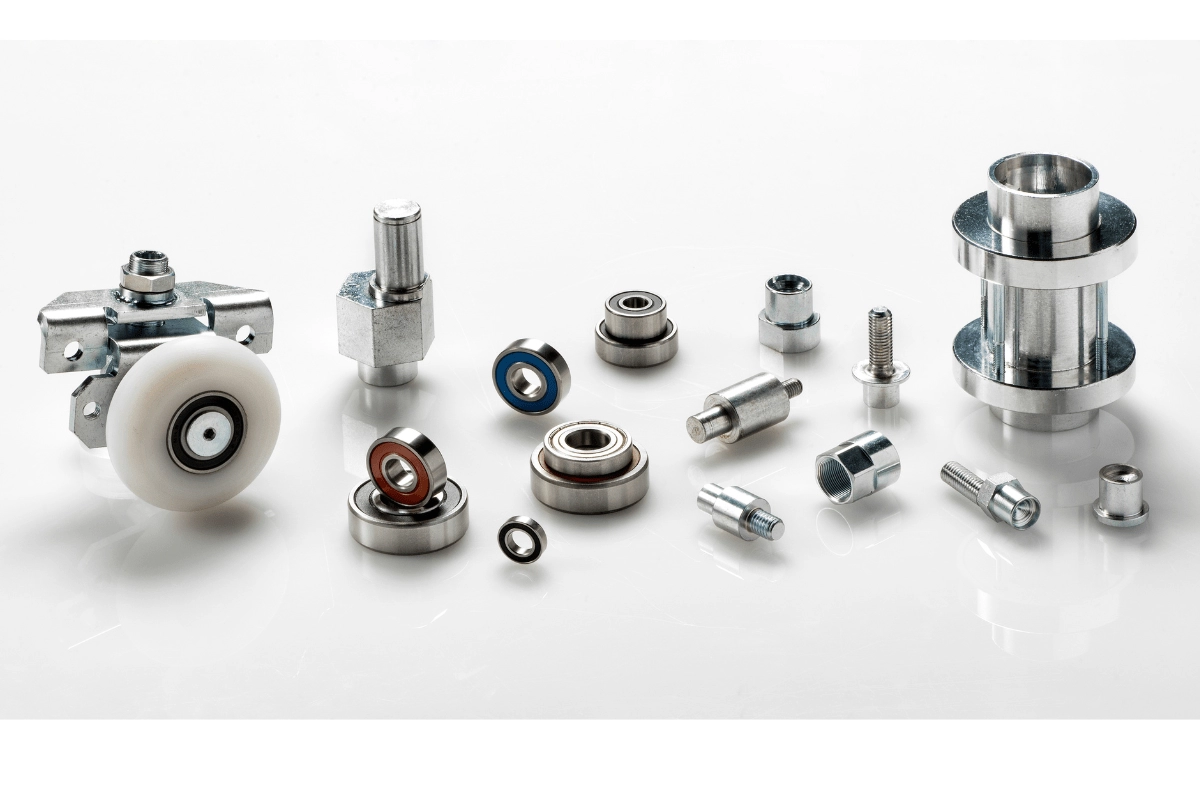
Opting for precision CNC components means you get exceptional accuracy and consistency every time. Thanks to high precision CNC machining, parts come out with tight tolerances that standard machining just can’t match. This level of precision leads to better fitting components and less need for manual adjustments or rework.
Another big plus is the ability to create complex designs that are difficult or impossible with traditional methods. Multi-axis CNC machining allows intricate shapes and detailed features, giving you custom CNC precision parts tailored exactly for your application.
Using precision CNC machined components also reduces assembly time. Parts often come ready to install, which cuts down labor and speeds up your overall production cycle. This means from CNC prototyping services to finished products, your turnaround is faster and more efficient.
Finally, investing in precision CNC parts can be cost-effective in the long run. Fewer defects, less waste, and better durability all contribute to lower overall costs. Whether you’re in aerospace, automotive, or medical device machining, this approach boosts reliability and performance without breaking your budget.
Challenges in Precision CNC Machining and How to Overcome Them
Precision CNC machining comes with its share of challenges that can impact the quality of your CNC machined components if not managed properly. Key issues include:
- Thermal Expansion: Heat generated by cutting tools can cause materials and machines to expand, affecting tolerances and causing slight distortions.
- Tool Wear: Over time, tools lose sharpness which reduces accuracy and surface finish quality.
- Vibration: Even minor vibrations can create surface imperfections and reduce repeatability in tight tolerance machining.
- Material Behavior: Different materials react uniquely under cutting forces, making it crucial to adjust processes accordingly.
To tackle these challenges, best practices include:
- Using advanced CAM programming to optimize tool paths that minimize heat buildup and tool stress.
- Implementing effective coolant management to control temperature and reduce thermal expansion during cutting.
- Applying rigorous process validation to monitor tool wear and vibration, ensuring every part meets precision standards.
By carefully addressing these factors, manufacturers can maintain the high precision CNC machining parts that clients expect, delivering consistent quality in complex and custom CNC precision parts.
For more insight on expert machining techniques, check out our detailed guide on custom CNC machining services that highlights solutions for precision challenges.
How MS Machining Delivers Superior Precision CNC Components
At MS Machining, we combine state-of-the-art equipment with a team of experienced engineers to produce precision CNC machined components that meet the highest standards. Our expertise in tight tolerance machining ensures consistent accuracy, even for the most demanding projects. Whether you need complex multi-axis CNC milling components or precision CNC turning parts, we have the advanced capabilities to deliver exceptional results.
We prioritize rapid turnaround times without sacrificing quality, so your projects stay on schedule. Our commitment to quality is backed by rigorous inspection processes, including Coordinate Measuring Machine (CMM) checks, and strict adherence to ISO standards. Choosing MS Machining means getting custom CNC precision parts crafted with care and precision, all tailored to the unique needs of your industry.
Explore more about our expertise in CNC milling components and precision CNC lathe parts to see how we bring your designs to life with unmatched precision.