
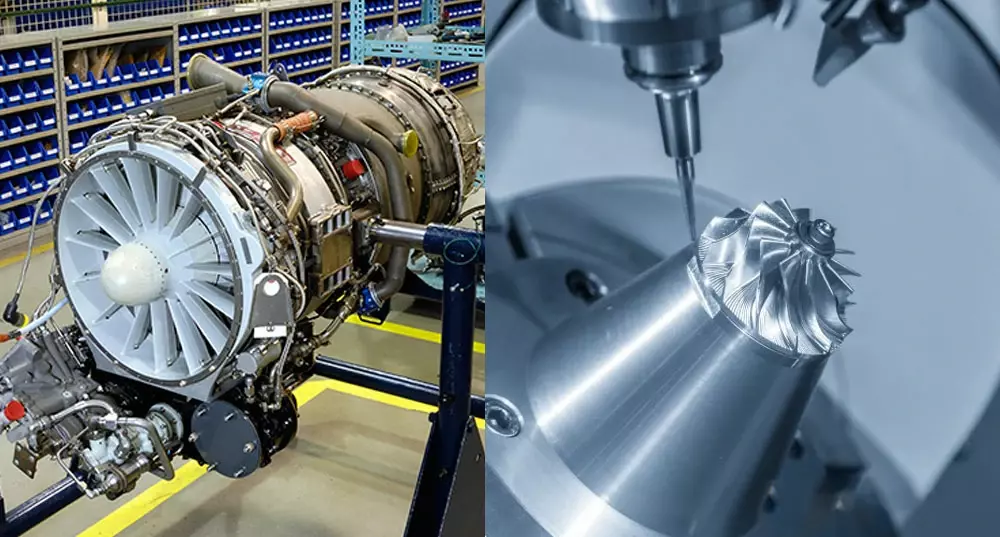
Why Aluminum is the Preferred Material for Precision CNC Parts
When choosing materials for precision CNC parts in aerospace and automotive sectors, aluminum stands out. Its unique combination of properties makes it the go-to choice for many engineers and manufacturers focused on performance and reliability.
Exceptional Strength-to-Weight Ratio
Aluminum offers a high strength-to-weight ratio that directly benefits fuel efficiency and payload capacity:
- Lighter parts mean less weight to carry, improving fuel economy in aircraft and vehicles.
- Increased payload capacity enables better overall performance without sacrificing durability.
- This lightweight advantage is crucial for aerospace and automotive applications where every pound counts.
Superior Corrosion Resistance and Thermal Conductivity
Aluminum also delivers unmatched resistance to corrosion and excellent thermal properties:
| Property | Aluminum | Steel | Titanium |
|---|---|---|---|
| Corrosion Resistance | High | Moderate (rust-prone) | Very High |
| Thermal Conductivity | Excellent (205 W/m·K) | Low (50 W/m·K) | Moderate (22 W/m·K) |
| Machinability | Easy | Difficult | Challenging |
- Aluminum’s corrosion resistance extends part life, especially in harsh environments.
- Its thermal conductivity helps dissipate heat efficiently in engines and electronic housings.
- Exceptional machinability enables precise cuts with less wear on tools, reducing production costs and lead times.
Comparison with Steel and Titanium
While steel and titanium have their niches, aluminum outperforms in several areas for CNC precision parts:
- Steel: Strong but significantly heavier and prone to corrosion, which can increase maintenance costs.
- Titanium: Offers superior strength and corrosion resistance but comes with higher material and machining expenses.
- Aluminum: Balances strength, weight, cost, and ease of machining, making it an ideal choice for both aerospace aluminum parts and automotive CNC aluminum components.
In , whether the focus is lightweight CNC parts or custom aluminum parts with tight tolerances, aluminum’s overall package makes it the preferred material for precision CNC machining aluminum parts in demanding industries.
Common Aluminum Alloys for Aerospace and Automotive CNC Machining

When it comes to CNC precision parts in aluminum for aerospace and automotive applications, choosing the right alloy is key to meeting strength, durability, and performance requirements.
Aluminum 6061 is one of the most versatile alloys used in CNC machining aluminum parts. It offers excellent weldability and corrosion resistance, making it ideal for structural components like frames and brackets where strength and reliability are essential.
For high-stress, critical parts, Aluminum 7075 is preferred thanks to its superior strength-to-weight ratio. This alloy is common in aerospace and automotive components that need to withstand heavy loads and stress, such as wing spars, chassis parts, and suspension elements.
Aluminum 2026 and 5052 are used in more specialized contexts. Aluminum 2026 is popular in aircraft fittings due to its fatigue resistance, while 5052 stands out for its corrosion resistance, especially in automotive parts exposed to harsh environments like fuel tanks and marine applications.
Selecting the Right Alloy
- Project Requirements: Consider load, stress, and environmental exposure.
- Machinability: Some alloys are easier to machine with tighter tolerances.
- Weight vs. Strength: Balance lightweight benefits without compromising durability.
- Post-Processing Needs: Certain alloys respond better to anodizing or plating.
For custom aluminum parts tailored to your exact needs, understanding these common alloys can guide you toward the best fit. And if you’re looking to work with a partner experienced in 5-axis CNC aluminum machining that handles complex alloy requirements, check out MS Machining’s capabilities in prototype CNC machining and full production.
Advantages of CNC Machining Aluminum Precision Parts
CNC machining aluminum parts offers unmatched precision, with tolerances as tight as ±0.01mm achievable using advanced 3-axis, 4-axis, and 5-axis aluminum CNC machining. This level of accuracy is crucial for aerospace aluminum parts and automotive CNC aluminum parts that demand exact fit and finish.
Another big plus is the ability to handle complex designs. Whether it’s thin walls, intricate features, or multi-faceted geometries, modern CNC milling aluminum technology can complete the job in a single setup—saving time and reducing costs. This makes custom CNC aluminum parts not only possible but practical.
From rapid prototyping to consistent high-volume production, CNC precision parts in aluminum offer scalability without sacrificing quality. You get lightweight CNC parts every time, with the reliability required for critical aerospace and automotive applications.
For more on how precision machining impacts aerospace and automotive manufacturing, check out our detailed page on CNC precision engineering.
Applications in Aerospace
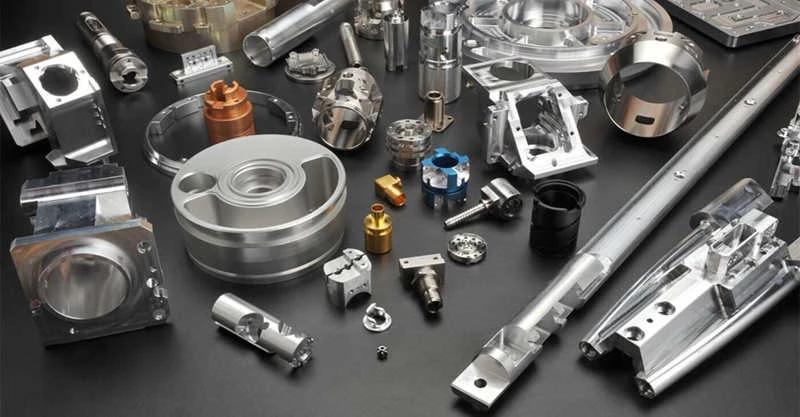
Aluminum CNC precision parts play a vital role in aerospace, from structural brackets and fuselage components to wing parts and landing gear elements. These lightweight CNC machined parts help reduce overall aircraft weight, which directly improves fuel efficiency and increases payload capacity. Using aluminum alloys like 6061 and 7075 ensures the high strength-to-weight ratio needed for demanding aerospace applications.
Additionally, aerospace aluminum parts must meet strict industry standards. Compliance with AS9100 standards guarantees traceability and reliability for critical components, giving manufacturers and operators confidence in part performance. At MS Machining, we specialize in producing precision aerospace CNC machined parts that adhere to these rigorous quality requirements, supporting your projects from prototype to full production runs. For more details on our manufacturing capabilities, check out our precision CNC milling parts for custom applications.
Applications in Automotive
Aluminum CNC precision parts are key in automotive manufacturing, especially for engine components, transmission housings, suspension brackets, and chassis parts. These parts help reduce overall vehicle weight, which boosts performance, improves fuel efficiency, and extends the driving range of electric vehicles (EVs). Lightweight CNC machined parts made from aluminum support emissions reduction by lowering the energy needed to move the vehicle.
Meeting strict industry standards like IATF 16949 is crucial, ensuring these automotive CNC aluminum parts can withstand constant vibration, thermal stress, and harsh operating conditions. This makes aluminum a reliable choice for high-strength, durable components that perform consistently over time.
For tailored solutions, many manufacturers turn to expert providers of CNC milling parts specialized in aluminum machining, delivering the precision and quality that today’s automotive sector demands.
Surface Finishes and Post-Processing for Enhanced Performance
Surface finishes and post-processing play a crucial role in boosting the durability and functionality of CNC precision aluminum parts used in aerospace and automotive applications. Anodizing, especially Type II and the more robust Type III, is widely applied to improve corrosion resistance and wear protection. This electrochemical process forms a hard oxide layer on aluminum CNC machined parts, extending their lifespan even in harsh environments.
Beyond anodizing, other finishing options like powder coating, plating, and polishing provide additional benefits. Powder coating adds a durable, uniform layer that resists scratches and environmental damage, while plating can enhance conductivity or appearance depending on the material used. Polishing not only improves the aesthetics of lightweight CNC parts but also reduces surface roughness, which can improve aerodynamic or fluid flow properties.
Investing in the right surface finish is essential for custom aluminum parts to withstand the demanding conditions found in aerospace and automotive industries. Proper treatments help maintain performance, reduce maintenance costs, and ensure compliance with industry standards.
For a deeper dive into precise finishing techniques, explore our expertise in prototype machining that supports both complex designs and practical post-processing steps.
Quality Assurance and Industry Certifications
Ensuring top quality is critical when it comes to CNC precision parts in aluminum for aerospace and automotive applications. At MS Machining, we use rigorous inspection processes like Coordinate Measuring Machines (CMM) to verify tight tolerances and exact dimensions on every part. Material traceability is strictly maintained, so you always know the origin and specifications of the aluminum alloys used.
Our quality systems are built to meet and often exceed aerospace AS9100 and automotive IATF 16949 standards. This means every aluminum CNC machined component we deliver complies with industry-specific requirements for durability, reliability, and safety.
We’ve successfully completed numerous projects involving complex aerospace aluminum parts and automotive CNC components, always delivering precision and consistency. From high-strength aluminum alloys machined with 5-axis CNC aluminum equipment to lightweight CNC parts tailored to your specifications, MS Machining ensures your parts perform exactly as needed.
For added capabilities, we also offer specialized processes like CNC turning to support complex part geometries, further enhancing the quality and precision of your custom aluminum parts.
Choosing the Right Partner for Custom Aluminum CNC Parts
When selecting a partner for custom aluminum CNC parts, consider these key factors:
| Factor | Why It Matters |
|---|---|
| Experience | Proven ability to handle aerospace and automotive standards ensures reliable precision CNC aluminum machined components. |
| Advanced Equipment | Access to 3, 4, and 5-axis aluminum CNC machining capabilities supports complex, tight tolerance parts. |
| Turnaround Time | Fast development from prototype to production keeps your project on schedule. |
| Customization | Flexibility in design adjustments and finishing options like anodizing or powder coating enhances final part performance. |
Partnering with MS Machining means you get a team skilled in producing high-quality, lightweight CNC precision parts tailored to aerospace and automotive needs. We ensure your parts meet strict tolerances and comply with industry standards, from initial prototypes through large production runs.
For additional insights on precision aluminum components, explore our detailed guide on aluminum alloy die castings—a valuable resource for understanding material options and applications.
By choosing MS Machining, you’re backed by expertise, cutting-edge CNC milling aluminum technology, and a commitment to quality that keeps your parts performing in the toughest conditions.