
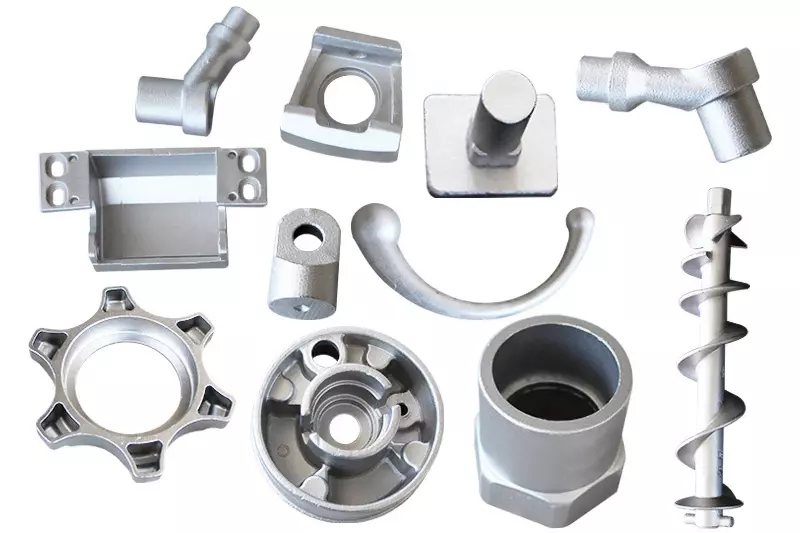
Are you struggling to find a nickel alloy casting that can actually survive your most extreme industrial environments? Selecting the wrong material isn’t just a mistake—it’s a recipe for costly downtime and catastrophic equipment failure.
I’ve spent years testing high-performance alloys in the field, and I’ve put together a definitive guide on how to choose the right casting for maximum durability and heat resistance. Whether you’re looking for better corrosion protection or superior thermal stability, these insights will ensure your project holds up under pressure.
Let’s dive right in.
Would you like me to outline the specific technical sections for this guide or perhaps draft a comparison table of different nickel grades?
Understanding Nickel Alloy Casting Fundamentals
When I look at the demands of modern engineering, nickel alloy casting stands out as the backbone for components that simply cannot fail. The process involves melting nickel-based superalloys and pouring them into precise molds to create parts that handle the world’s harshest environments. While some ask, is nickel an alloy?, it is technically a pure element, but in the foundry world, we almost exclusively use it in alloyed forms like nickel chromium casting alloy to achieve the desired mechanical properties.
The Mechanics of the Casting Process
The core of our foundry processes revolves around precision. We utilize the investment casting process to transform molten metal into precision metal components.
- Melting: Nickel alloys require high-temperature furnaces to reach their melting points, often exceeding 2,400°F.
- Pouring: The molten alloy is introduced into a ceramic mold, often under vacuum to prevent oxidation.
- Solidification: Controlled cooling ensures a uniform grain structure, which is critical for high-temperature strength.
Why Nickel-Based Superalloys Excel in Heat
I’ve found that when the temperature rises, standard steels soften, but nickel-based superalloys remain “beasts.” They maintain their structural integrity and creep resistance even when operating at a high fraction of their melting point. This makes them indispensable for:
- Thermal Stability: Minimal deformation under constant thermal cycling.
- Oxidation Resistance: Forming a protective layer that prevents the metal from degrading in high-heat air.
- Corrosion Resistance: Surviving chemically aggressive atmospheres that would destroy lesser metals.
Advantages for Complex Geometries
Choosing nickel casting isn’t just about the material’s strength; it’s about the freedom of design. We use this process to achieve dimensional accuracy in shapes that are impossible to reach through traditional machining.
- Intricate Internal Channels: Perfect for cooling passages in turbine components.
- Net Shape Production: Reducing the need for expensive post-process machining.
- Material Efficiency: Minimizing waste by casting close to the final required dimensions.
| Feature | Benefit for Engineers |
|---|---|
| High Nickel Content | Exceptional resistance to stress-corrosion cracking. |
| Chromium Additions | Enhanced protection against high-temperature oxidation. |
| Precision Molding | Ability to cast thin-walled, lightweight structures. |
Comparing Common Nickel Alloys Used in Casting
Selecting the right chemistry is the most critical step in a successful nickel alloy casting project. While pure nickel is an element, for industrial applications, we almost always utilize it as a nickel chromium casting alloy or a nickel-copper blend to achieve the necessary durability. We focus on matching the specific environmental stressors—whether heat, pressure, or acid—to the metallurgical properties of the alloy.
Inconel 625 and 718: The Heat-Resistant Powerhouses
When we deal with extreme temperatures, nickel-based superalloys like Inconel are the industry standard. Inconel 718 casting is particularly valued in the U.S. aerospace sector for its high-strength and creep-rupture properties.
- Inconel 718: Offers excellent weldability and maintains high strength up to $1300^{\circ}F$.
- Inconel 625: Known for superior fatigue strength and high-level resistance to oxidation.
Monel: The Marine Standard
Monel 400 properties make it the “king” of salt-water environments. This nickel-copper alloy resists rapid corrosion in flowing seawater and remains stable under high-stress marine applications where other metals pitted or cracked.
Hastelloy: Ultimate Corrosion Resistance
For chemical processing, Hastelloy C276 is often the only viable choice. It thrives in aggressive environments where most corrosion resistant alloys fail, particularly when exposed to wet chlorine gas, hypochlorites, or strong oxidizing salts.
Nickel-Copper vs. Nickel-Chromium
Choosing the right chemistry depends on the primary threat to your component:
| Alloy Type | Primary Benefit | Common Use Case |
|---|---|---|
| Nickel-Copper (Monel) | Saltwater & HF acid resistance | Marine valves, pump shafts |
| Nickel-Chromium (Inconel) | Oxidation & Heat resistance | Jet engines, exhaust systems |
| Nickel-Moly-Chromium (Hastelloy) | Extreme chemical stability | Acid vapor piping, reactors |
These alloys are notoriously difficult to shape after the nickel casting is complete because they work-harden quickly. To ensure your precision metal components meet tight tolerances, we often integrate CNC milling services for complex components to refine the final geometry. Utilizing a high-torque milling machine with CNC capabilities is essential for managing the inherent toughness of these superalloys.
Precision Casting Methods for Nickel Alloys
Choosing the right method for nickel alloy casting depends entirely on your part’s complexity and end-use. I focus on techniques that preserve the material’s integrity while hitting those tight specs required by US industrial standards.
Investment Casting for High Accuracy
The investment casting process is my top choice for parts requiring extreme dimensional accuracy and a “near-net-shape” finish. By using a ceramic shell mold, we can create precision metal components with complex internal galleries that are nearly impossible to machine from a solid block.
- Best for: Turbine blades, manifold components, and thin-walled housings.
- Benefit: Superior surface finishes that significantly reduce the need for aggressive post-processing.
- Finishing: Even with high-precision pours, many critical surfaces eventually undergo CNC grinding to achieve mirror-like tolerances.
Sand Casting for Large-Scale Parts
When we talk about heavy-duty industrial hardware, sand casting is the workhorse. It is the most cost-effective way to produce large-scale nickel-based superalloys components that weigh hundreds or even thousands of pounds.
- Application: Large pump bodies, heavy valve housings, and marine hardware.
- Trade-off: You get a rougher surface detail compared to investment casting, but it’s the only way to go for massive structural bulk.
Centrifugal Casting and Vacuum Melting
For symmetrical or cylindrical parts, centrifugal casting uses high-speed rotation to force the molten metal against the mold wall. This process creates a very dense, uniform grain structure by eliminating air pockets.
To ensure the highest quality during these foundry processes, I utilize vacuum melting (specifically Vacuum Induction Melting or VIM). This is non-negotiable for aerospace and medical grades. By melting the alloy in a vacuum, we strip away impurities and prevent oxidation, ensuring the structural integrity of the metal parts fabrication remains uncompromised.
Comparison of Primary Casting Methods
| Method | Best Use Case | Dimensional Accuracy |
|---|---|---|
| Investment Casting | Complex, small-to-medium parts | Highest |
| Sand Casting | Massive, heavy-duty components | Moderate |
| Centrifugal Casting | Tubes, rings, and cylinders | High (Dense structure) |
By matching the casting method to the specific chemistry of the alloy, we ensure the final component can survive the high-stress environments it was designed for.
Key Industrial Applications for Nickel Alloy Casting

Nickel-based superalloys are the backbone of industries that demand performance under fire. When standard steel fails, I provide nickel alloy casting solutions that thrive in the most extreme conditions found across American infrastructure.
Aerospace and Defense
In the aviation sector, turbine blade manufacturing is where nickel truly shines. We utilize Inconel 718 casting to ensure parts can withstand the brutal heat and mechanical stress of modern jet engines.
- High-temperature strength: Maintains structural integrity even at red-hot temperatures.
- Vacuum melting: Ensures the extreme purity required for flight-critical components.
Chemical Processing
Handling aggressive acids and alkalis requires corrosion resistant alloys like Hastelloy C276. I focus on delivering cnc precision engineering solutions for valves and pump housings that prevent leaks and equipment failure in volatile environments. These precision metal components are essential for maintaining safety in high-stakes chemical plants.
Oil and Gas Exploration
Downhole environments are a nightmare of high pressure and corrosive brine. We rely on the unique Monel 400 properties to produce hardware that won’t snap or corrode miles underground.
- High-pressure zones: Heavy-duty castings for blow-out preventers and drill tools.
- Saltwater resistance: Ideal for offshore platforms and subsea infrastructure where salt air destroys lesser metals.
Medical Technology
The medical field demands precision metal components with exceptional dimensional accuracy. We cast biocompatible nickel alloys for specialized surgical instruments and diagnostic equipment, ensuring they meet the strict hygiene and durability standards required by US healthcare providers. These castings provide the strength needed for delicate procedures without the risk of material degradation.
Overcoming Technical Challenges in Nickel Alloy Casting

Nickel alloy casting presents unique hurdles, primarily due to the intense heat and chemical sensitivity of the metal. We focus on controlling the environment and the cooling cycle to ensure the structural integrity of every part we produce.
Managing High Melting Points and Thermal Expansion
Nickel-based superalloys demand melting temperatures that push standard foundry equipment to its limit. Because nickel has a significant thermal expansion coefficient, we must precisely calculate mold dimensions to account for shrinkage. Maintaining high dimensional accuracy involves using high-grade ceramic shells that can withstand the heat without deforming or reacting with the molten metal.
Preventing Defects with Vacuum Melting
Gas porosity and shrinkage are the two biggest threats to a clean cast. Molten nickel acts like a sponge for nitrogen and oxygen, which leads to internal voids and structural failure. To solve this, we utilize vacuum induction melting to pull gases out of the alloy before the pour, ensuring the purity required for mission-critical parts.
| Casting Challenge | Root Cause | Technical Solution |
|---|---|---|
| Gas Porosity | Atmospheric absorption | Vacuum melting environments |
| Shrinkage Voids | Uneven solidification | Advanced gating and riser design |
| Surface Inclusions | Mold-metal reaction | Specialized refractory coatings |
Ensuring Structural Integrity Through Controlled Cooling
Getting the cooling rate right is a science. If the part cools too quickly, it risks internal cracking; too slow, and the grain structure weakens, compromising its high-temperature strength. We also prioritize post-casting heat treatments to maximize the performance of corrosion resistant alloys. These steps are vital for producing precision metal components used in high-stress industrial zones.
- Solution Annealing: Dissolves secondary phases to improve chemical resistance.
- Age Hardening: Essential for Inconel 718 casting to reach peak mechanical properties.
- Stress Relieving: Eliminates internal tensions created during the investment casting process.
Smart Budgeting for Nickel Alloy Casting

Managing the bottom line in nickel alloy casting requires a tight grip on material chemistry and design efficiency. Since nickel is a premium commodity, the specific alloy grade you choose is the biggest lever for your total production cost. I always advise clients to look closely at the operating environment—sometimes a mid-range nickel-chromium blend does the job just as well as a high-end superalloy for a fraction of the price.
How Alloy Composition Drives Price
The more exotic the elements, the higher the invoice. Nickel-based superalloys containing cobalt, rhenium, or high percentages of molybdenum are significantly more expensive than standard grades.
| Factor | Impact on Cost | Why it Matters |
|---|---|---|
| Nickel Content | High | Base market price fluctuates; higher % equals higher raw material spend. |
| Alloying Elements | Variable | Elements like Cobalt or Tantalum add extreme heat resistance but spike costs. |
| Purity Requirements | Moderate | Vacuum melting for high-purity aerospace parts adds processing time and energy. |
Performance vs. Budget: Knowing When to Downspec
You don’t always need an “over-engineered” solution. While Inconel is the gold standard for jet engines, it might be overkill for basic industrial valves.
- Skip the Superalloys: if your operating temperatures stay below 1200°F, a high-grade stainless steel or a lower-nickel alloy might suffice.
- Focus on Corrosion: If the primary threat is chemical rather than thermal, prioritize Hastelloy or Monel rather than heat-resistant aerospace grades.
- Post-Processing: Factor in the cost of finishing. Utilizing precision CNC machining services early in the design phase ensures your cast parts are optimized for final dimensions, reducing expensive scrap rates.
Design Tips to Reduce Nickel Casting Waste
Every ounce of wasted metal is lost profit. To keep your nickel casting projects lean, focus on these design fundamentals:
- Uniform Wall Thickness: Prevents shrinkage defects and reduces the need for heavy risers that just end up back in the melt pot.
- Minimize Mass: Use ribbed structures instead of solid blocks to maintain strength while cutting down on expensive alloy volume.
- Net-Shape Thinking: Aim for designs that require minimal material removal. This is especially vital for fluid vacuum components where tight seals and internal geometries are critical.
- Draft Angles: Proper tapers ensure the part exits the mold cleanly, slashing the “reject” pile and saving you from re-casting costs.
Nickel Alloy Casting FAQs
We understand that choosing the right nickel alloy casting for your project involves balancing performance, time, and budget. Here are the most common questions we encounter from our partners regarding the foundry processes and material capabilities.
What is the typical lead time for custom nickel castings?
Lead times generally depend on the complexity of the part and the chosen investment casting process. For custom orders, you should typically plan for:
- Prototyping: 3–5 weeks.
- Production Runs: 8–12 weeks.
- Expedited Services: Can reduce time by 20% but often impact the total nickel casting cost.
Factors like vacuum melting requirements or complex turbine blade manufacturing specs can extend these windows to ensure total dimensional accuracy.
How does nickel alloy compare to stainless steel in casting?
While both offer corrosion resistance, nickel-based superalloys are in a different league when it comes to extreme environments.
| Feature | Stainless Steel | Nickel Alloy |
|---|---|---|
| High-Temperature Strength | Moderate (loses strength at 1200°F) | Excellent (stable up to 2000°F+) |
| Corrosion Resistance | Good for general use | Superior for acids and chlorides |
| Cost | Budget-friendly | Premium |
| Primary Use | Structural/Consumer | Aerospace/Chemical/Nuclear |
Is nickel an alloy? While pure nickel exists, industrial applications almost exclusively use a nickel chromium casting alloy or other blends to achieve the necessary mechanical properties for precision metal components.
Can nickel castings be easily machined after the process?
Yes, but it requires the right approach. Nickel alloys are notorious for “work-hardening” during the process. Because these alloys are designed for high-temperature strength, they resist cutting tools more than aluminum or standard steel. To achieve tight tolerances on an Inconel 718 casting, we recommend using high-performance 5-axis CNC milling machine setups with rigid tooling and specific coolant strategies to prevent tool wear.
Which nickel alloy is best for sulfuric acid exposure?
When navigating chemical corrosion resistance, Hastelloy C276 is the undisputed heavy hitter. It is specifically engineered to handle aggressive oxidizing and reducing environments.
- For Concentrated Sulfuric Acid: Hastelloy C276 or Hastelloy B-series.
- For Marine/Sea Water: Monel 400 properties make it the better, more cost-effective choice compared to the C-series.
- For Nitric Acid: Alloys with high chromium content are preferred.
Selecting the right chemistry early in the nickel alloy casting design phase prevents premature part failure and saves significant maintenance costs down the line.