

CNC Milling Machine for Metal Precision
When it comes to CNC milling for metal, the milling machine is a go-to workhorse. Its core function involves material removal by rotating multi-point cutting tools, allowing you to create pockets, slots, contours, and even complex 3D shapes with high precision.
Key Functions
- Uses rotating cutters to carve out metal surfaces
- Capable of creating detailed pockets and complex geometries
- Supports 3 to 5 axes for versatile machining angles and shapes
Common Metal Applications
- Prototyping new metal parts fast and accurately
- Manufacturing engine components with tight tolerances
- Producing molds used in various industries
Advantages of CNC Milling Machines
- Extremely versatile—works on many metals like aluminum, steel, and titanium
- High accuracy with multi-axis options ensures precise cuts
- Ideal for both simple and complex metalworking projects
In metal CNC fabrication, the milling machine’s ability to handle different metals and complex designs makes it an essential tool for precision machining and reliable production.
CNC Lathe (Turning Center)
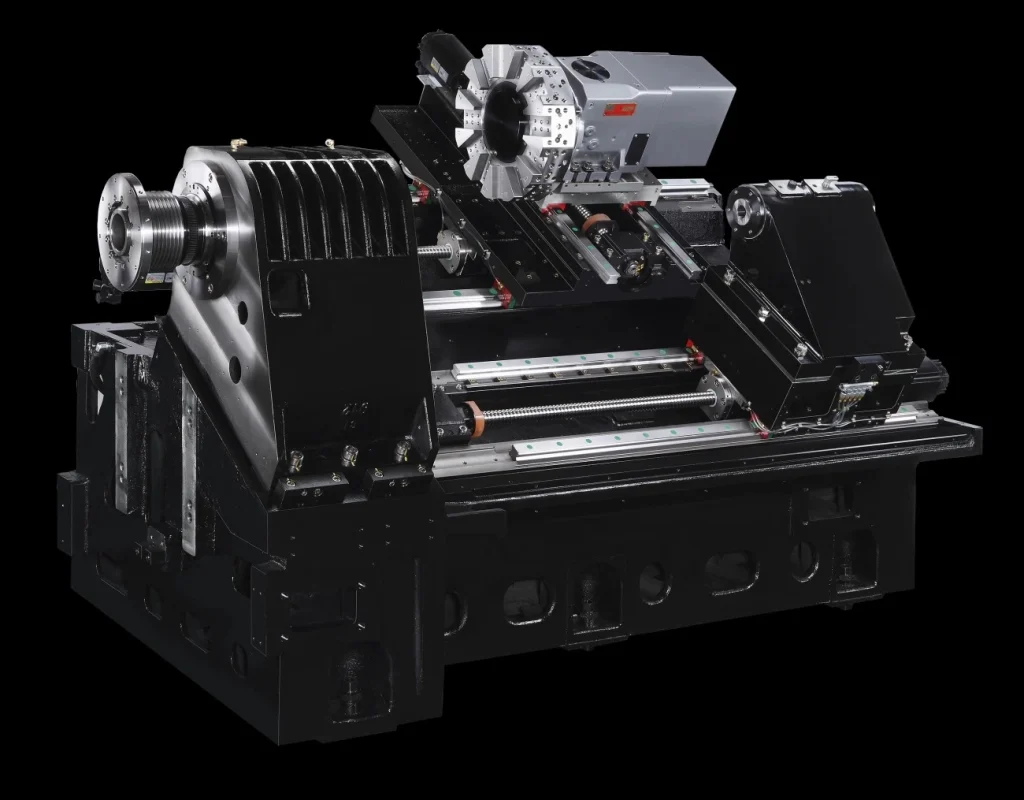
A CNC lathe, also known as a turning center, works by rotating the metal workpiece while stationary cutting tools shape it. This process is key for creating precise cylindrical parts, threading, and facing operations. It’s widely used for making shafts, bushings, fasteners, and other symmetrical metal components that demand tight tolerances.
The biggest advantage of a CNC turning lathe is its ability to deliver high-speed production with excellent surface finishes. For intricate, small-diameter parts, Swiss-type CNC lathes excel by providing extreme precision and detailed control in compact geometries.
CNC lathes are essential in metal CNC fabrication where accuracy and efficiency are crucial. Whether producing high volumes or complex shapes, these machines help maintain consistent quality while reducing manual labor. For more on precision machining of metal parts like these, check out MS Machining’s prototype machining services.
CNC Drilling Machine for Precision Metalwork
A CNC drilling machine excels at creating precise holes with exact control over depth, angle, and position. It’s a go-to tool for making bolt holes and assembly points in structural metal components where accuracy matters most. Thanks to its repeatable precision, it ensures every hole aligns perfectly across high-volume runs.
One big advantage is how well CNC drilling integrates with milling operations, allowing combined processes on the same machine. This synergy boosts workflow efficiency, cutting down production time while maintaining tight tolerances. For anyone needing reliable, consistent hole drilling in metal CNC fabrication, this machine is essential.
Learn more about how advanced CNC machines handle materials effectively in our detailed guide on what materials can a CNC machine cut.
CNC Grinding Machine
A CNC grinding machine uses an abrasive wheel to deliver precise surface finishing, achieve tight tolerances, and sharpen tools. It excels at refining parts where smoothness and accuracy matter the most, making it essential for precision metalworking.
Key applications include tool and die making, camshafts, and bearings—parts that require a flawless finish and exact dimensions. One major advantage of CNC grinding is its ability to work with hardened metals, handling materials too tough for many other processes.
This machine ensures superior surface quality, which is critical in industries demanding long-lasting, reliable components. Whether working on complex surfaces or simple cylindrical shapes, CNC grinding machines provide consistent accuracy.
For those involved in high-precision metalworking, CNC grinding complements other machining steps and is often part of specialized workflows like those detailed in special CNC machining processes. Its capacity to maintain tight tolerances improves final product reliability and performance.
CNC Plasma Cutter
A CNC plasma cutter uses a high-temperature plasma torch to cut through conductive metals by melting the material. This process makes it perfect for fast, precise cutting of thick metal plates, especially in 2D profiles. It’s widely used in sheet metal fabrication, crafting custom brackets, and even artistic metalwork where detailed metal shapes are needed.
The main advantage of plasma cutting metal is its speed and cost-effectiveness compared to other cutting methods. Plus, it handles a variety of metals like steel, aluminum, and stainless steel efficiently. For businesses focused on rapid production and complex metal fabrication, plasma cutters offer a reliable solution without sacrificing quality.
If you’re interested in how plasma cutting fits into broader CNC metal fabrication, you might find insights on our tool and die maker services useful, which highlight precision processes that complement plasma cutting in producing finished metal parts.
CNC Laser Cutter
A CNC laser cutter uses a focused laser beam to melt, burn, or vaporize metal materials with high precision. It’s ideal for creating intricate patterns, cutting thin metal sheets, and engraving detailed designs directly onto metal surfaces. This process stands out for its minimal heat-affected zone, which means less warping or distortion in delicate metals during cutting.
Laser cutting precision is one of its biggest advantages, delivering clean edges without tool wear. This makes CNC laser cutters perfect for applications requiring fine detail and repeatability, such as metal signage, custom brackets, and decorative metalwork.
For those interested in precision metalworking, the laser cutter offers a reliable tool with consistent accuracy and minimal post-processing. It’s a popular choice when working on thin metals or projects where clean, sharp cuts are essential.
CNC Waterjet Cutter

A CNC waterjet cutter uses a high-pressure stream of water mixed with abrasive particles to cut through a wide range of metals and materials without generating heat. This cold cutting method makes it ideal for heat-sensitive metals and composites that could warp or change properties with traditional thermal cutting techniques.
Key Applications
- Cutting thick metal plates where precision is critical
- Working with reflective metals like aluminum and copper
- Handling composites that can’t tolerate heat distortion
Advantages
- No thermal distortion or heat-affected zones, ensuring material integrity
- Versatile on hard, reflective, or brittle metals where laser or plasma cutting might struggle
- Clean cuts with minimal finishing required
For those dealing with precision metal fabrication, a CNC waterjet cutter offers unmatched accuracy and material safety. Its cold cutting ability complements other CNC processes, making it a valuable tool in complex projects.
Learn more about precision metalworking and related CNC processes at MS Machining’s guide on fast CNC machining.
CNC Electrical Discharge Machine (EDM)
A CNC Electrical Discharge Machine (EDM) uses spark erosion to precisely shape extremely hard metals that are tough to machine by other methods. It works by generating controlled electrical sparks that remove material bit by bit, making it perfect for creating intricate cavities, molds, and dies in tool steel and other tough alloys.
Key applications include mold making, die manufacturing, and fine detail work where traditional cutting can’t reach or may cause damage. One of the biggest advantages is its ability to machine very hard metals with high precision, delivering fine details without applying mechanical forces.
For anyone working with complex tool steel parts or requiring high-precision metalworking, an EDM is an invaluable CNC metal fabrication tool that complements milling and grinding processes seamlessly.
Multi-Axis CNC Machine (4-/5-Axis)
Multi-axis CNC machines, including 4- and 5-axis options, allow simultaneous multi-directional machining, making them ideal for handling complex geometries with precision. These machines rotate the workpiece or the cutting tool through multiple angles in one setup, reducing the need for repositioning and ensuring tighter tolerances.
Key uses include aerospace impellers, turbine blades, and medical implants—parts that demand intricate contours and fine details. The main advantage is superior accuracy on contoured surfaces, plus significant time savings by minimizing setups.
If you’re focused on high-precision metalworking for complex shapes, multi-axis machining offers unmatched flexibility and detail. For more on precision metal projects, check out our detailed insights on CNC machining metal.
CNC Machining Center with Automatic Tool Changer (ATC)
A CNC machining center equipped with an automatic tool changer (ATC) streamlines multi-operation tasks by switching tools automatically during the machining process. This automation is essential for high-volume production runs where multiple milling, turning, and drilling operations are combined into one smooth sequence.
Core Functions:
- Automated tool switching without manual intervention
- Supports complex, multi-step machining programs
- Enables continuous operation, reducing setup time between tasks
Key Applications:
- Large-scale manufacturing where speed and precision are critical
- Components requiring various machining processes in one setup
- High-mix, low-volume production needing quick tool changes
Advantages:
- Greatly reduces machine downtime caused by manual tool swaps
- Increases overall productivity and throughput
- Enhances precision by minimizing repositioning errors
Using a CNC machining center with ATC is a smart choice for businesses focused on high-precision metalworking to meet tight production deadlines. For applications like aerospace impellers or complex equipment parts, the integration of an ATC ensures smooth transitions between tools, boosting efficiency.
For further insights, you can explore how optimized tooling improves complex part machining through reliable setups like those discussed in impeller performance enhancements.
CNC Router (Metal-Capable Variants)
CNC routers designed for metal work excel at high-speed routing on softer metals like aluminum and thin profiles. These machines are perfect for producing aluminum panels, custom signage, and lightweight enclosures where precision and speed matter. One big advantage is their large working areas, which allow for handling bigger parts or multiple smaller components in one run. This makes CNC metal routers a go-to choice for rapid prototyping and short production runs in industries needing fast turnaround.
If you’re working with aluminum parts or need efficient prototyping, exploring specialized options like those for aluminum CNC machining parts can really boost productivity while keeping metal fabrication precise.
Their ability to quickly carve out shapes and detailed profiles without sacrificing accuracy makes metal-capable CNC routers versatile for many fabrication jobs requiring clean cuts and smooth edges.
CNC Turn-Mill Center (Mill-Turn)
A CNC turn-mill center, or mill-turn machine, combines the capabilities of both turning and milling in a single setup. This combination allows you to handle complex parts that need both rotational and prismatic features without moving the workpiece between different machines.
Key Functions:
- Simultaneous turning and milling operations
- Handling intricate shapes with precision and efficiency
- Reducing setup times by completing multiple machining steps in one go
Applications:
- Manufacturing complex components like aerospace parts, automotive components, and medical devices
- Parts that require both cylindrical and flat surfaces or holes
Advantages:
- Single-machine completion minimizes handling errors and improves accuracy
- Saves time by cutting down on machine setups and transfers
- Ideal for precision machining of metal components requiring diverse features
For manufacturers looking to enhance workflow and precision, these mill-turn centers are a reliable choice for efficient CNC metal fabrication. They align well with production goals where reducing downtime and increasing throughput are critical.
To learn how advanced setups like these fit within broader CNC machining workflows, check out our insights on contract CNC machining services, which highlight efficient production strategies for complex metal parts.
Factors to Consider When Choosing CNC Machines for Metal Precision Machining
Selecting the right CNC machine for metal precision machining depends on a few key factors that impact your production quality and efficiency.
Material compatibility and hardness:
First, consider the types of metals you’ll work with—aluminum, steel, titanium, or hardened alloys. Different CNC machines handle material hardness differently. For example, CNC grinding machines are perfect for hardened metals, while waterjet cutters are better suited for heat-sensitive materials.
Tolerance requirements and axis configuration:
Precision demands vary by part. High-tolerance work often requires multi-axis CNC machines (like 4- or 5-axis) for complex shapes and tight accuracy. Simpler parts might only need 3-axis milling or turning centers.
Production volume vs. setup time:
For large batches, machines with automatic tool changers or turn-mill centers reduce downtime and increase throughput. Smaller runs or prototypes may benefit from flexible machines like CNC routers or Swiss-type lathes.
Cost, maintenance, and software integration:
Initial price isn’t everything. Look at ongoing maintenance costs and how well the machine’s software integrates with your existing systems. Reliable support from manufacturers like MS Machining ensures smooth operation and reduces unexpected delays.
If you need guidance choosing machines optimized for metal CNC fabrication, exploring detailed applications like heavy CNC machining or automotive CNC machining can provide valuable insight into matching equipment to your project’s materials and precision needs.