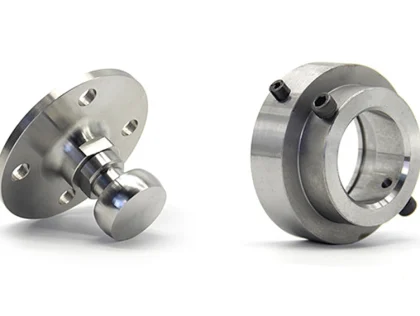
The Basics of CNC Machining Materials
1. What is CNC Machining?
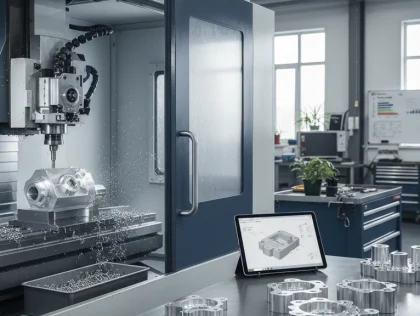
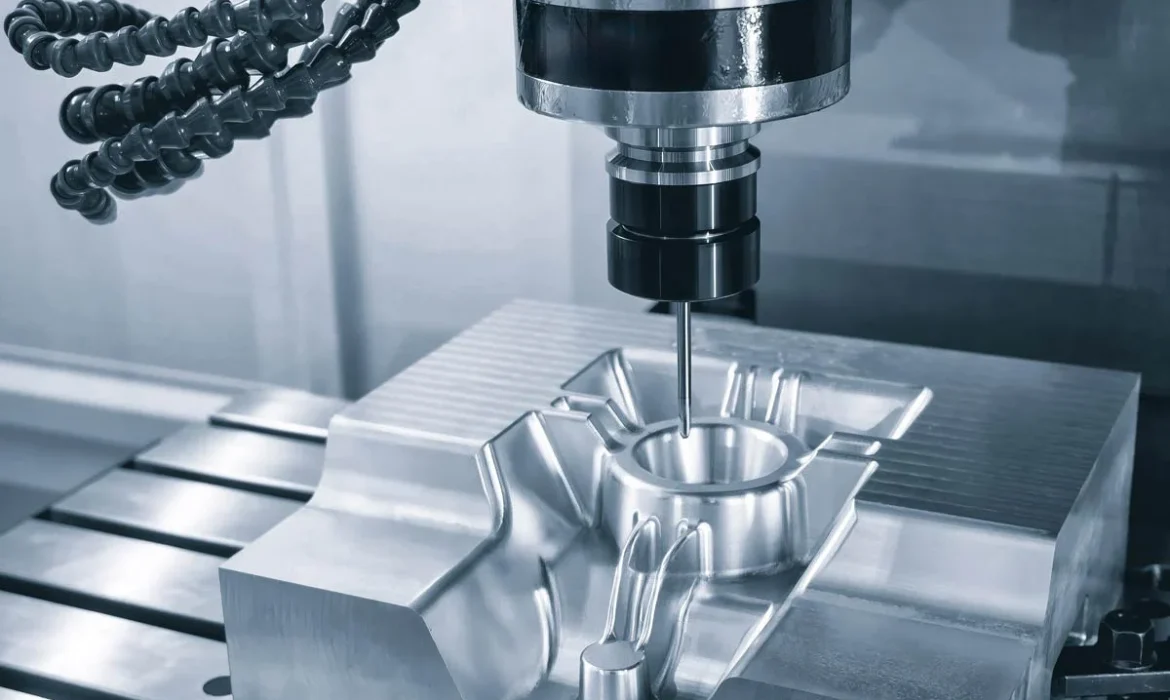
CNC machining is a precise manufacturing process that uses computer-controlled machines to cut, shape, and finish materials. It allows for the creation of complex parts with tight tolerances and consistent quality. CNC machines follow programmed instructions to efficiently produce components used across various industries, from aerospace to automotive and electronics.
2. Material Selection in CNC Machining
Choosing the right material is crucial for successful CNC machining. The material impacts the part’s strength, appearance, cost, and machinability. Common options include stainless steel, brass, and aluminum—each offering unique advantages depending on the application. Selecting the proper material ensures the final product meets performance requirements while optimizing production efficiency and cost.
Key Factors to Consider When Choosing CNC Machining Materials
1. Strength and Durability
When selecting materials for CNC machining, strength and durability are top priorities. You want a material that can withstand the demands of your application without wearing out quickly. For parts that need to handle heavy loads or stress, tougher materials like stainless steel are often the best choice. On the other hand, if the part will experience lighter use, materials such as aluminum or brass might be sufficient. Knowing the mechanical requirements upfront helps avoid costly material failures down the road.
2. Corrosion Resistance
Corrosion resistance is crucial, especially for parts exposed to moisture, chemicals, or harsh environments. Stainless steel excels here, offering excellent resistance against rust and oxidation, making it ideal for outdoor or industrial applications. Brass also provides good natural corrosion resistance, often used in plumbing or marine parts. Aluminum resists corrosion well too but may need protective coatings depending on the environment. Considering how your CNC machined part will be used will help you pick a material that lasts longer without degradation.
3. Weight and Density
Weight can be a big factor, especially in industries like aerospace, automotive, and robotics where reducing mass improves efficiency. Aluminum is favored for its light weight and decent strength, helping reduce the overall weight of assemblies. Brass is heavier, with a density that gives it good stability but can add bulk. Stainless steel is the heaviest among the three but offers superior strength. Balancing weight with other performance needs is key in choosing the right metal for your CNC project.
4. Machining Complexity and Cost
Material choice also affects how complex and costly CNC machining will be. Aluminum is easier and faster to machine, often keeping costs down for prototypes and small runs. Brass machines fairly well too, providing smooth finishes at moderate cost. Stainless steel presents more challenges due to its hardness and toughness, which can mean longer machine times and higher tool wear, increasing expenses. If you’re working on tight budgets or complex parts, assess how the material impacts your machining process and overall cost. For example, combining your material choice with advanced machining services like prototype machining can optimize outcomes and budget.
Understanding these factors makes it easier to match the right material—stainless steel, brass, or aluminum—to your project’s needs, ensuring quality, performance, and cost-effectiveness.
Comparing Stainless Steel, Brass, and Aluminum for CNC Machining
1. Stainless Steel
Stainless steel is known for its exceptional strength and durability, making it ideal for parts that need to withstand heavy wear and harsh environments. It offers excellent corrosion resistance, especially in marine or chemical settings. However, its hardness makes it tougher to machine, often increasing production time and costs. Stainless steel is perfect when you need reliability and a long lifespan in your CNC machined components.
2. Brass
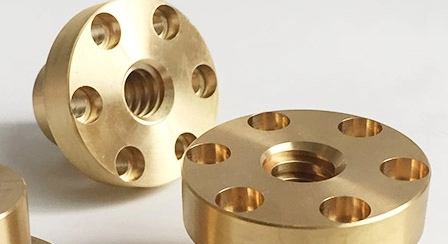
Brass is prized for its machinability and attractive finish. It’s softer than stainless steel, which makes it easier to work with and allows for precise details in complex parts. Brass also offers good corrosion resistance, especially against saltwater, and provides excellent electrical conductivity. This material is a solid choice for decorative pieces, plumbing components, or electrical fittings where machining speed and detail matter.
3. Aluminum
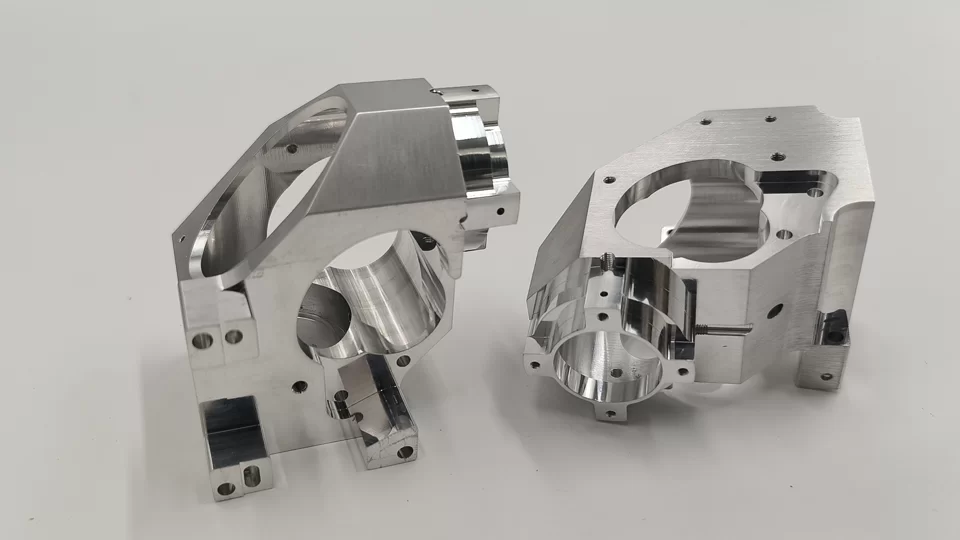
Aluminum stands out for being lightweight and versatile. It machines quickly, saving time and lowering costs compared to stainless steel or brass. Its good corrosion resistance and thermal conductivity make it popular in automotive, aerospace, and consumer products. Although not as strong as stainless steel, aluminum’s balance of weight, cost, and machinability makes it a go-to material for many CNC projects.
Each material suits different needs depending on your project’s demands, so understanding these basics helps you choose the best option for your CNC machining job. For more detailed insights on precision manufacturing, consider reviewing our guide to precision in manufacturing.
When to Use Stainless Steel, Brass, or Aluminum
1. Choosing Stainless Steel
Pick stainless steel when you need high strength and excellent corrosion resistance. It’s perfect for parts exposed to harsh environments or heavy wear, like medical tools, automotive components, and food processing equipment. Stainless steel is also great for applications requiring durability with a sleek finish. Keep in mind, it can be tougher to machine and may cost more, but the long-term benefits often outweigh the extra effort.
2. Choosing Brass
Brass is your go-to when you want good machinability combined with corrosion resistance and an attractive appearance. It works well for decorative components, electrical fittings, and plumbing parts. Its low friction and antimicrobial properties make it ideal for precise, small parts and custom fittings. Brass machines easily, reducing machining time and costs, but it’s softer than stainless steel and aluminum, so it’s best for less demanding strength needs.
3. Choosing Aluminum
Aluminum is perfect if you’re aiming for lightweight parts without compromising strength. It’s widely used in aerospace, automotive, and consumer electronics due to its excellent machinability and corrosion resistance. Aluminum’s lower density makes it easy to handle and reduces weight in finished products. It’s also budget-friendly, letting you produce parts faster and more economically. For parts that don’t demand extreme strength but require versatility and cost-effectiveness, aluminum is often the best choice.
Each material shines in different roles, so considering your specific project’s requirements will help you choose the right one for efficient, cost-effective CNC machining. For more insights on machining processes and material use, check out our detailed guide on CNC machining manufacturing.