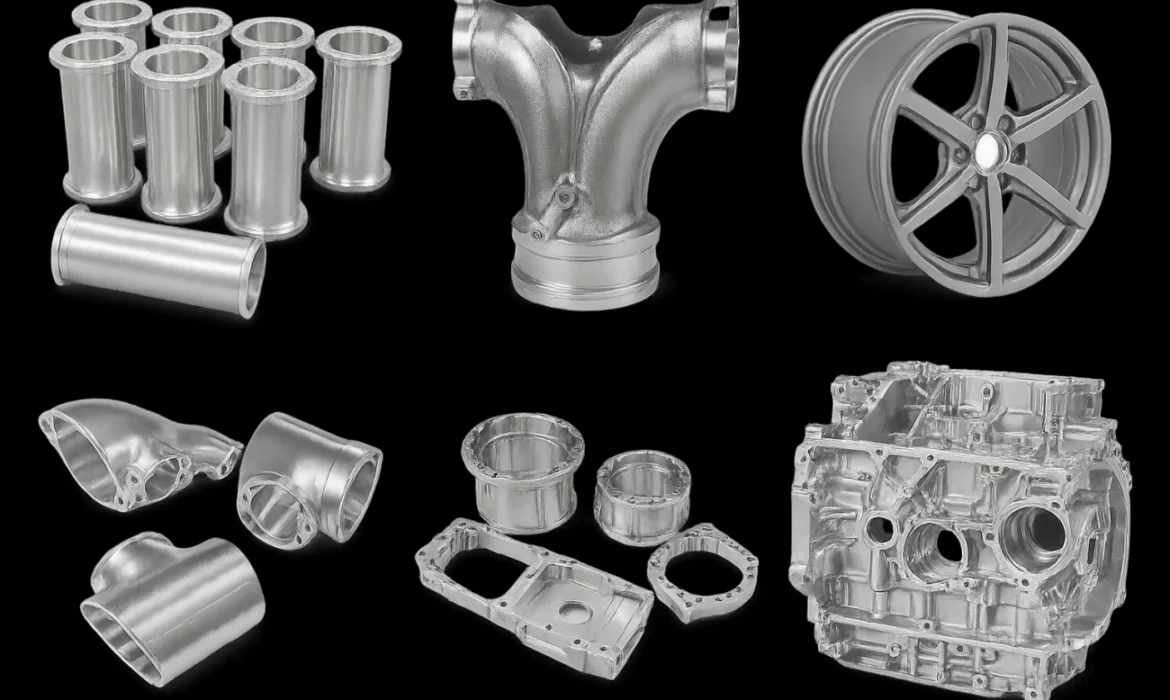
Understanding Magnesium and Its Alloys in CNC Machining
Magnesium and its alloys are becoming popular choices in CNC machining due to their excellent strength-to-weight ratio and machinability advantages. But what sets pure magnesium apart from its common alloys like AZ31, AZ91, and WE43? Let’s break it down.
Pure Magnesium vs. Common Alloys
| Material | Density (g/cm³) | Strength (MPa) | Corrosion Resistance | Typical Uses |
|---|---|---|---|---|
| Pure Magnesium | 1.74 | ~90 | Low (high corrosion rate) | Limited; mostly experimental |
| AZ31 | 1.77 | ~250 | Moderate | Automotive, aerospace components |
| AZ91 | 1.81 | ~280 | Good | Structural parts, housings |
| WE43 | 1.80 | ~320 | Excellent (rare earth alloy) | Aerospace, high-performance |
Magnesium alloys like AZ31 and AZ91 improve strength and corrosion resistance while maintaining lightweight benefits. WE43, a rare-earth alloy, offers the best performance but at a higher cost.
Key Material Properties at a Glance
- Density: Magnesium alloys are about 33% lighter than aluminum, making them ideal for weight-sensitive applications.
- Strength-to-weight ratio: High, which means you get strong parts without the extra bulk.
- Thermal conductivity: Excellent, helping in heat dissipation for electronic housings and heat sinks.
- Corrosion behavior: Pure magnesium corrodes quickly; alloys reduce this risk but often need coatings for long-term durability.
Magnesium vs. Aluminum: When Does Magnesium Outperform?
| Feature | Magnesium | Aluminum |
|---|---|---|
| Weight | ~33% lighter | Heavier |
| Machinability | Easier to machine, less tool wear | Harder, more tool wear |
| Strength (specific) | Higher specific strength in forged conditions | Higher absolute strength |
| Heat resistance | Lower—better for moderate temperatures | Better at higher temps |
| Corrosion resistance | Needs coatings or treatments | Naturally forms protective oxide |
In , magnesium’s exceptional weight savings and machinability advantages often make it the preferred choice over forged aluminum, especially where reducing mass without sacrificing strength is crucial.
If you’re exploring magnesium alloy CNC machining for your next project, understanding these core differences will help you choose the best material for performance and safety. Reach out to MS Machining for expert guidance tailored to your exact needs.
Primary Benefits of CNC Machining Magnesium
Magnesium stands out in CNC machining for several key reasons that bring real value to U.S. manufacturers focused on lightweight, efficient production. Here’s what makes magnesium alloy CNC machining a go-to choice:
-
Exceptional Lightweight Performance
Magnesium is about 33% lighter than aluminum, making it ideal for parts where portability and fuel efficiency matter—perfect for automotive and aerospace sectors aiming to reduce weight without compromising strength.
-
Superior Machinability
Compared to aluminum, machining magnesium requires lower cutting forces, enabling higher speeds and feeds. This means less tool wear and faster production while achieving excellent surface finishes. These machinability advantages allow for tight tolerances and precision CNC magnesium parts with lower operating costs.
-
High Damping Capacity
Magnesium’s natural ability to absorb vibrations improves impact resistance and noise reduction. This makes it ideal for applications like power tools and sporting goods where vibration control is crucial.
-
Electromagnetic Shielding & Thermal Properties
Magnesium alloys provide good EMI shielding alongside high thermal conductivity, benefiting electronics and heat sink components.
-
Cost Efficiencies in Production
Due to the ability to run at high speeds and material removal rates, CNC-machined magnesium parts can be produced more quickly and at lower costs per unit, especially in large-volume runs.
| Key Benefit | Impact |
|---|---|
| Lightweight | Fuel efficiency, portability |
| Low Cutting Forces | Faster machining, reduced wear |
| Vibration Damping | Noise reduction, improved durability |
| EMI Shielding | Better electronics performance |
| Cost Efficiency | Lower production costs |
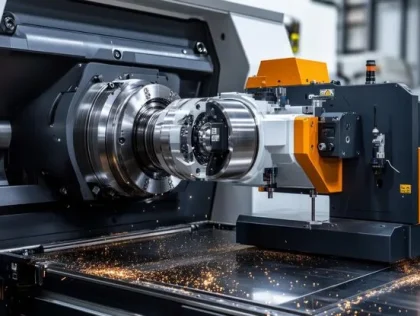
If you want expert machining for magnesium’s unique properties, our advanced 5-axis CNC milling machines handle these alloys with precision and speed. This ensures you get maximum benefit from magnesium’s advantages without compromising quality or safety.
Common Challenges and Disadvantages of Magnesium CNC Machining
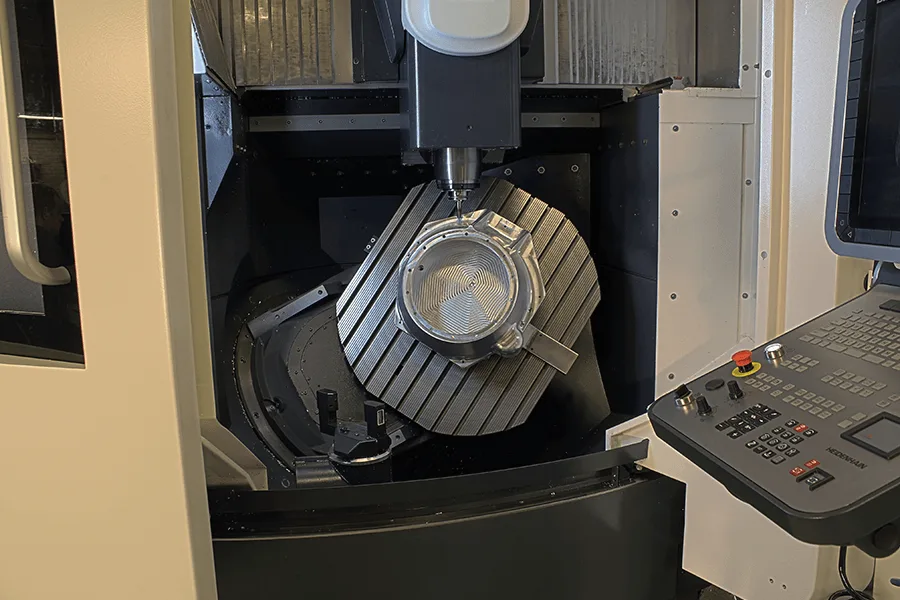
While magnesium alloy CNC machining offers great benefits, it also comes with specific challenges you should keep in mind.
- Flammability of Fine Chips and Dust: The biggest risk is that magnesium chips and dust can ignite easily, especially when they’re fine or airborne. This flammability demands strict safety controls and specialized fire prevention measures during machining.
- Galvanic Corrosion Risk: Magnesium can suffer from galvanic corrosion when in contact with other metals without proper protective coatings. This requires careful material pairing and surface treatment.
- Lower Absolute Strength: Compared to some alloys, magnesium has lower absolute strength. This means designers often need to adjust parts to maintain durability without adding weight.
- Limited Heat Resistance: Magnesium doesn’t handle high temperatures as well as aluminum or steel, which limits its use in high-heat environments.
- Higher Material and Handling Costs: Although machining magnesium can be fast and efficient, the raw material costs and special handling requirements may add to overall expenses.
Understanding these downsides, especially the fire risks and corrosion concerns, is crucial for anyone planning magnesium machining projects. Proper planning and expertise make a big difference in managing these issues effectively. For detailed guidance on complex parts and setups, check out MS Machining’s resource on CNC machining complex parts.
Key Applications of Machined Magnesium Parts
Magnesium CNC machining offers a wide range of applications thanks to its exceptional strength-to-weight ratio and machinability advantages. In the automotive industry, magnesium alloys are used for lightweight brackets, transmission cases, and steering components, which help improve fuel economy and handling by significantly reducing vehicle weight.
In aerospace, magnesium parts are favored for structural elements, housings, and drone frames where cutting weight without sacrificing strength is critical. These precision CNC magnesium parts contribute to overall performance and efficiency in aircraft and UAV designs.
For electronics, magnesium’s good electromagnetic shielding makes it ideal for laptop chassis, camera bodies, and heat sinks, protecting sensitive components while keeping devices lightweight.
In the medical field, magnesium alloy CNC machining enables the production of lightweight surgical tools and device housings that enhance ease of use without compromising durability.
Lastly, in consumer and industrial sectors, magnesium is popular for power tools, sporting goods, and prototypes needing strength without bulk. Its vibration damping properties and machinability make it perfect for demanding precision applications.
Choosing magnesium for these uses not only boosts product performance but can also lower overall manufacturing costs through efficient machining processes. For custom precision solutions tailored to magnesium, partnering with CNC specialists like MS Machining ensures optimal results. See our CNC machining solutions for more details on advanced capabilities.
Best Practices for CNC Machining Magnesium
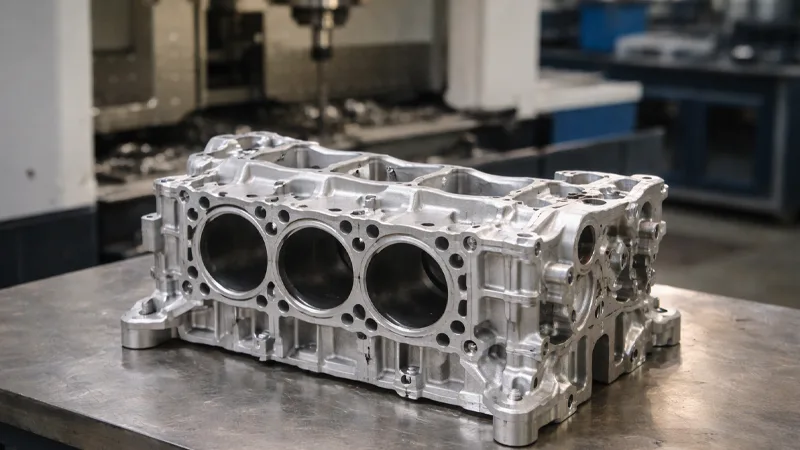
When CNC machining magnesium, following best practices is essential for safety, efficiency, and quality. Here’s what we recommend:
- Tool selection: Use sharp carbide tools with specific geometries designed to create clean, short chips. This helps prevent chip ignition and improves surface finish.
- Cutting parameters: Opt for high spindle speeds and low feed rates to produce discontinuous chips. This strategy reduces heat buildup and lowers the risk of fire during machining.
- Coolant choices: Avoid water-based coolants since they can react with magnesium. Instead, use mineral oil-based coolants, dry machining, or even argon gas inerting to keep temperatures in check safely.
- Machine setup: Dedicate machines or setups specifically for magnesium to prevent cross-contamination with other metals. This reduces galvanic corrosion risks and maintains precision.
- Post-machining care: After machining, thoroughly clean and deburr parts. Applying surface treatments or coatings protects against corrosion and extends part life.
Following these best practices ensures you get the most out of magnesium alloy CNC machining while minimizing fire risks and material challenges. For precision CNC magnesium parts, a detailed approach like this is key to success. Learn more about our 5-axis CNC milling capabilities tailored to lightweight metals that excel in machining magnesium alloys safely.
Essential Safety Tips and Risk Mitigation for Magnesium CNC Machining
Magnesium CNC machining comes with unique safety challenges, mainly because magnesium ignites very easily when in fine forms like chips or dust. Sparks or heat from cutting tools can trigger fires or even explosions. That’s why understanding these fire and explosion hazards is critical for any shop working with magnesium alloys.
Key Preventive Measures:
- Use Class D fire extinguishers only—never water, as it can worsen magnesium fires.
- Keep fire suppression systems nearby and ensure good ventilation to disperse flammable dust.
- Manage chips and dust carefully: collect larger magnesium chips promptly, use explosion-proof vacuums, and avoid any accumulation of fine dust in the work area.
- Maintain grounding and avoid open flames to prevent static sparks.
- Mandatory PPE and training: operators should wear proper protective equipment and be trained on magnesium-specific hazards.
Emergency Response Steps:
- Shut down equipment immediately if ignition occurs.
- Use Class D extinguishers or smother the fire with dry sand.
- Evacuate personnel if the fire grows beyond control and call emergency responders.
Regulatory Compliance:
It’s essential to follow OSHA rules and industry standards for handling flammable metals like magnesium to reduce risk and meet legal safety requirements.
For shops machining lightweight metals like magnesium, these safety protocols are non-negotiable to protect your team and facility. For more detailed guidance on machine setups and tool choices that minimize fire risks, see our expert tips on design considerations for machining.
Why Choose MS Machining for Your Magnesium Projects
When it comes to magnesium CNC machining, safety and precision are key — and MS Machining delivers both. Here’s why we stand out:
| Strength | Detail |
|---|---|
| Expertise with High-Risk Materials | Skilled in machining magnesium alloys safely, backed by a strong safety record. |
| Advanced Machining Capabilities | Equipped with 5-axis, high-speed CNC machining services designed specifically for magnesium’s unique properties. |
| Custom Solutions | From prototyping to full production runs, we guide you through material selection and machining strategies to optimize results. |
| Commitment to Quality and Safety | Focused on delivering efficient, reliable parts without compromising on client safety or product standards. |
Our experience with precision CNC magnesium parts ensures parts that meet demanding standards while minimizing risks linked to magnesium’s flammability and handling challenges. For projects requiring lightweight metals with superior strength-to-weight ratio and vibration damping, MS Machining is a partner you can trust.
Ready to explore the benefits of magnesium for your next project? Check our expertise in 5-axis CNC machining services and custom solutions to get started.