
Understanding Graphite Material
Graphite is a stable allotrope of carbon that serves as a cornerstone for industries requiring exceptional thermal and electrical performance. In precision manufacturing, conductive graphite is indispensable for producing EDM electrodes and specialized molds, offering capabilities that standard metals cannot match. As a high-temperature resistant material, it withstands extreme environments without deforming, ensuring reliability in critical applications ranging from aerospace to semiconductor production.
However, the physical properties that make graphite valuable also make it notoriously difficult to process. Unlike ductile metals like aluminum or copper, graphite does not shear into chips; it fractures. This places it squarely in the category of brittle material machining, where the risk of edge chipping and surface pitting is high. Furthermore, abrasive graphite dust acts like sandpaper on cutting tools, causing rapid wear on standard equipment. To achieve the high-precision tolerances our clients expect, handling this material requires specialized knowledge of its granular structure and the utilization of rigid, high-performance CNC machinery.
2. CNC Machining Techniques for Graphite
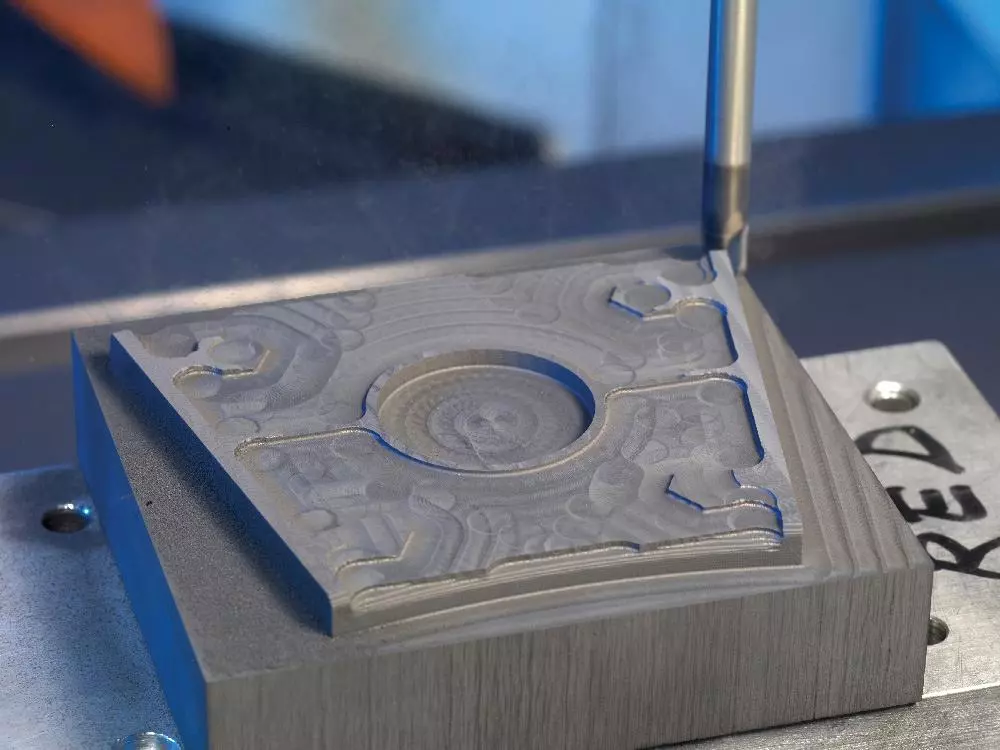
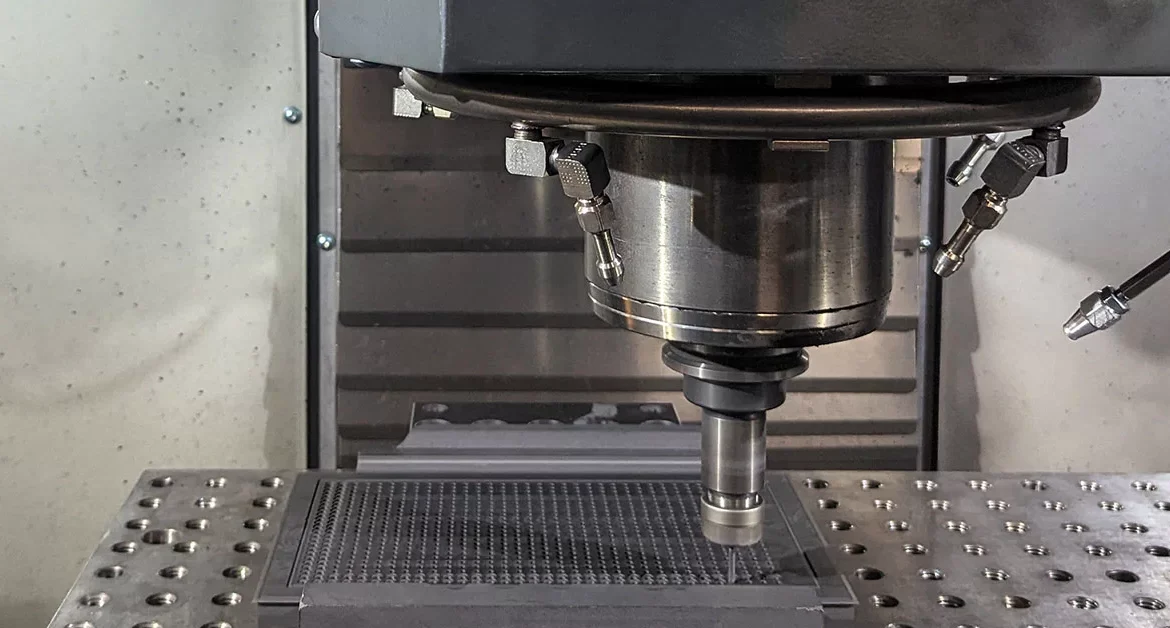
Graphite behaves differently than the metals we typically handle. It is brittle and creates fine, conductive dust rather than chips. To achieve efficient CNC machining of graphite, we have to adjust our approach to prevent material fracture and protect our equipment.
2.1 Optimizing Cutting Parameters
Precision is everything when working with this material. Because graphite is prone to edge chipping, we cannot push the tooling as hard as we might with aluminum or steel. We focus on chip load optimization to maintain structural integrity.
- Feed Rate Control: We keep feed rates lower to reduce the cutting force exerted on the material. This prevents the workpiece from fracturing at the edges.
- Speeds and Feeds: High spindle speeds are generally effective, but they must be balanced with the feed rate to ensure a clean cut without inducing vibration.
- Tool Path: We utilize climb milling strategies to direct cutting forces into the bulk of the material, which significantly improves surface finish in high-precision milling.
Unlike our standard CNC metal machining setups where thermal management is key, graphite machining focuses almost entirely on managing the brittle nature of the block.
2.2 Dry Machining and Dust Management
Using liquid coolant on graphite is a major mistake. Graphite is porous and will absorb the coolant, creating an abrasive slurry that acts like grinding paste. This slurry can clog the machine and ruin the surface finish of the part.
We strictly employ dry machining graphite techniques. Instead of liquid, we use high-pressure air blasts or vacuum systems.
Key Dust Management Tactics:
| Method | Purpose | Benefit |
| :— | :— | :— |
| Vacuum Dust Extraction | Suction at the spindle source | Removes dust before it settles on rails or sensors. |
| Air Blast | Clears the cutting zone | Prevents re-cutting of chips and keeps the tool path clean. |
| Coolant-Free Machining | Prevents slurry formation | Keeps the graphite dry and easy to extract. |
2.3 Operator Safety and Environmental Control
Graphite dust is not just messy; it is highly conductive. If this dust gets into the electrical cabinets of a CNC machine, it can short out circuit boards and cause catastrophic failure. Machine electrical protection is non-negotiable in our facility.
We ensure our workshops are equipped with robust ventilation systems to maintain air quality. For graphite dust safety, operators wear appropriate personal protective equipment (PPE), including dust masks and goggles. Maintaining a clean environment ensures that our high-end 5-axis machines remain accurate and reliable for every production run.
Cutting Tool Selection for Graphite
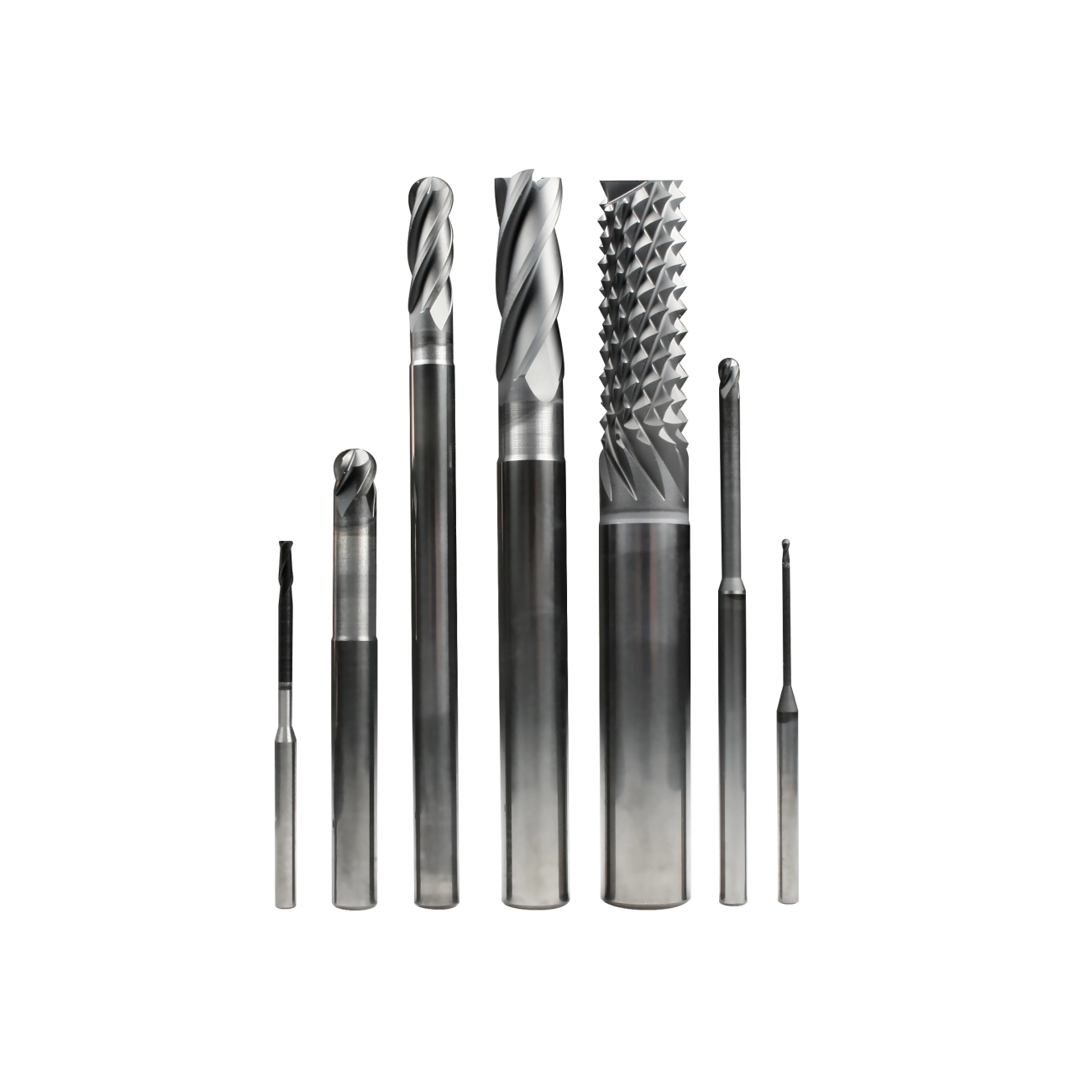
Graphite is notoriously abrasive. If you attempt to machine it with standard uncoated carbide tools, the cutting edges will degrade rapidly. This rapid carbide tool wear leads to poor surface finishes and lost tolerances, which is unacceptable for high-precision parts like EDM electrodes. At MS Machining, we rely on CVD (Chemical Vapor Deposition) diamond-coated end mills to handle the aggressive nature of this material.
To ensure tool life extension and part accuracy, we focus on specific tooling characteristics:
- Diamond Coatings: We use CVD diamond coatings because they offer a much thicker and harder protective layer compared to PVD coatings, providing superior resistance against abrasive graphite.
- Tool Geometry: Selecting the right geometry is critical. We often utilize tools with specific helix angles and flute designs that minimize cutting pressure, preventing the brittle graphite from chipping at the edges.
- Clearance: Proper relief angles are necessary to reduce friction between the tool and the workpiece.
Using the correct abrasive material tooling is the only way to guarantee the dimensional accuracy required for complex projects. Whether we are producing graphite components or engaging in broader metal CNC machining, our commitment to using the right tool for the job ensures that every part meets our strict ISO 9001:2015 quality standards.
4. Strategies to Improve Graphite Machining Efficiency
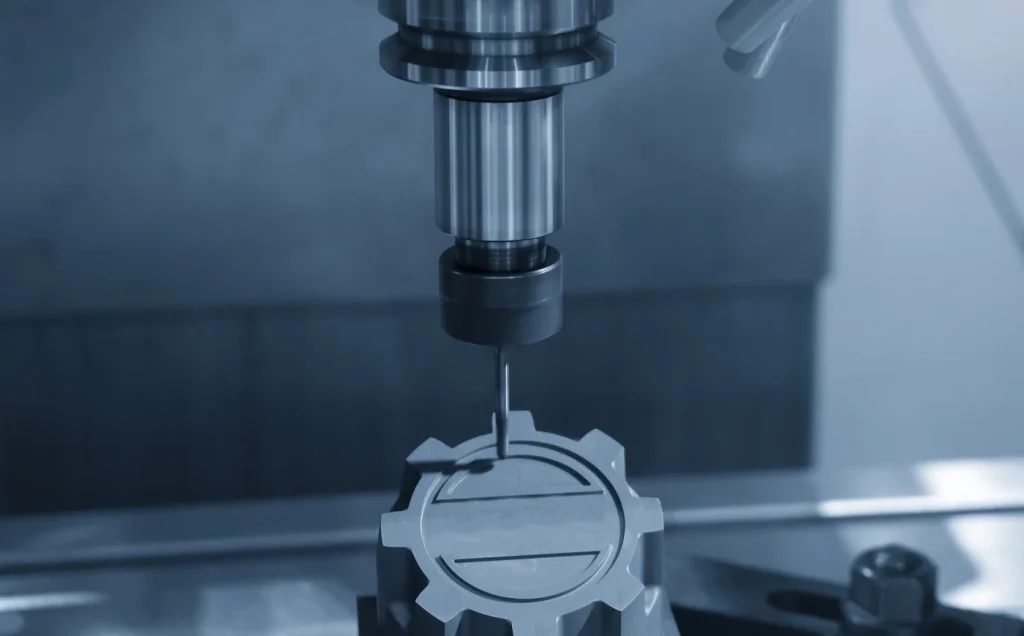
To achieve efficient CNC machining of graphite, you need a holistic approach. It is not just about picking a diamond-coated tool; it is about synchronizing that tool with precise cutting parameters and a rigorous dry machining setup. When we focus on rapid CNC machining for speed and precision, balancing these factors is non-negotiable to prevent bottlenecks and ensure part quality.
Here is how we drive production optimization in the shop:
- Leverage Five-Axis CNC: For complex graphite electrodes or intricate components, five-axis CNC machines are a game changer. They allow us to machine complex geometries in a single setup, which drastically improves accuracy and reduces overall cycle times.
- Prioritize Maintenance: Abrasive material handling is tough on equipment. Since graphite dust is conductive, it can short out electronics if left unchecked. Regular deep cleaning and maintenance of vacuum systems are critical to prevent unexpected downtime.
- Optimize Tool Paths: Use modern CAM strategies like trochoidal milling. This maintains constant tool load, preventing the chipping common with brittle materials and extending the life of your cutters.
5. Future Trends in Graphite Machining
As we look ahead, the landscape of manufacturing is shifting toward smarter, more autonomous systems. At MS Machining, we recognize that automated machining and intelligent workflows are essential for maintaining consistency, especially when dealing with tricky materials like graphite. The integration of AI-driven monitoring systems allows us to predict tool wear before it impacts part quality, ensuring that every component meets strict specifications.
Key advancements shaping the future include:
- Smart CNC Machining: Utilizing real-time data to adjust feed rates and spindle speeds dynamically, reducing the risk of material fracture.
- Next-Generation Tooling: The development of advanced graphite cutting tools with superior diamond coatings that last significantly longer than current standards.
- Optimized Path Planning: Advanced software algorithms that create smoother tool paths to minimize stress on the graphite workpiece.
By adopting these innovations, we enhance our CNC precision machining services, delivering faster turnaround times and tighter tolerances for complex graphite electrodes and molds.