
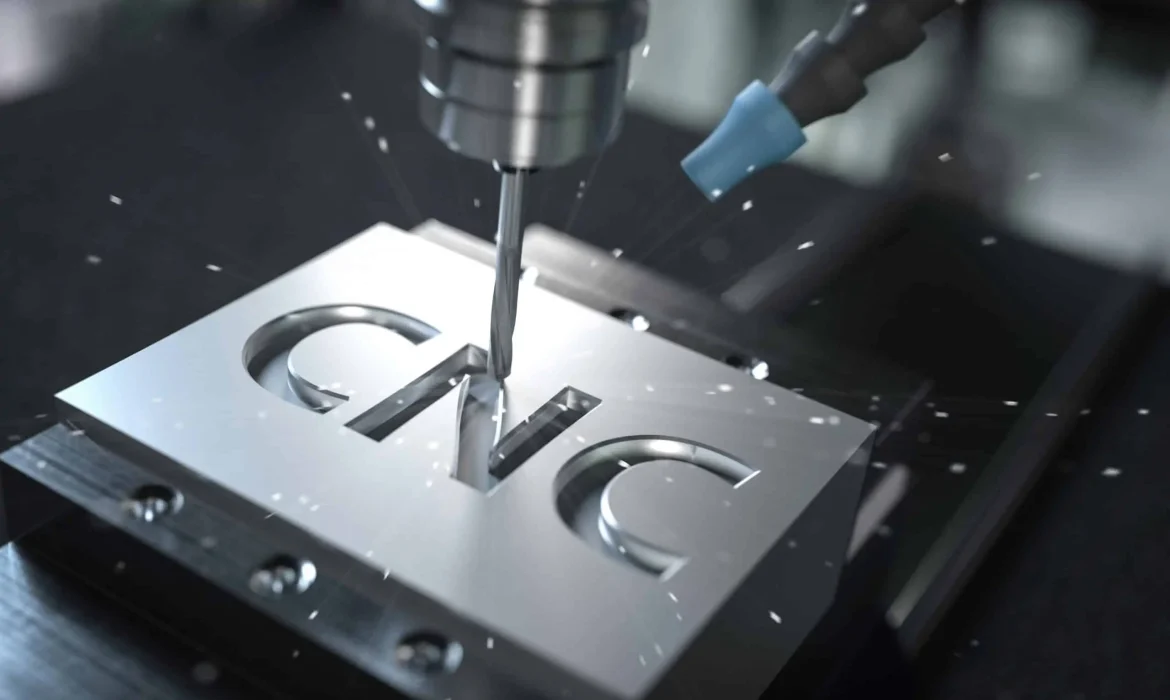
Why Large Part CNC Machining Is Different
When you think about CNC machining, “large” might mean something very different than usual. So, what counts as a large part in CNC machining? Generally, it involves:
| Factor | Typical Large-Part Threshold |
|---|---|
| Size | Components over 6 feet (72 inches) in any dimension |
| Weight | Parts weighing 500 lbs or more |
| Machining Envelope | Machines with table travels exceeding 10 feet |
These big parts need specialized equipment and expertise beyond standard CNC work.
Industries That Need Oversized Precision Parts
Oversized machining isn’t just a niche—it’s essential in major fields like:
- Aerospace (wing spars, large fuselage sections)
- Oil and gas (valve bodies, pump housings)
- Heavy equipment (base frames, chassis components)
- Energy (wind turbine hubs, large brackets)
- Defense and space (satellite mounts, missile components)
If you’re involved in one of these sectors, you know the stakes are high when machining large parts.
Why Getting Large-Part Machining Wrong Costs More Than Money
Mistakes with large part CNC machining aren’t just annoying—they’re costly and time-consuming. Imagine these scenarios:
- Material waste: Scrapping a 2,000 lb casting due to a machining error.
- Schedule delays: Waiting weeks for a rework on a critical oilfield valve body.
- Fit issues: Oversized parts that don’t align in assembly cause expensive downtime.
- Quality failures: Missing tight tolerances (±0.0005″) leads to part rejection and customer lost trust.
The bigger the part, the higher the penalty for hiccups. That’s why you need proven processes and specialists who understand large component machining inside and out.
At MS Machining, we handle these challenges every day to keep your projects on time and on spec.
Key Challenges in Large Part CNC Machining
Working with large part CNC machining comes with its own set of unique challenges that you don’t usually find in smaller components. One of the biggest headaches is fixturing and workholding—heavy, unbalanced parts need solid support to prevent movement or distortion during machining. Without proper fixturing, you risk damaging the part or missing tolerances.
Thermal expansion is another tricky issue. As large metal pieces heat up from cutting, they expand, which can throw off your dimensions and cause distortion. Controlling the temperature and planning for these changes is critical to maintain accuracy.
Speaking of accuracy, getting tight tolerances of ±0.0005″ or better on big components is tough but essential in many industries. It takes careful setup, top-notch machines, and constant monitoring to hit those numbers consistently.
Chip evacuation and coolant delivery also become more complicated in deep pockets or complex cavities. Cutting debris needs to be cleared efficiently to avoid tool damage or surface flaws, and coolant must reach the tool effectively to keep temperatures stable.
Finally, machining large parts on machines with long travel distances can mean issues with machine deflection and vibration. Even slight flex or shake can ruin finishes or push parts out of spec, so specialized equipment and techniques are needed to minimize these effects. Addressing these challenges head-on is what sets true large part CNC machining experts apart.
Essential Equipment for True Large-Part Capability
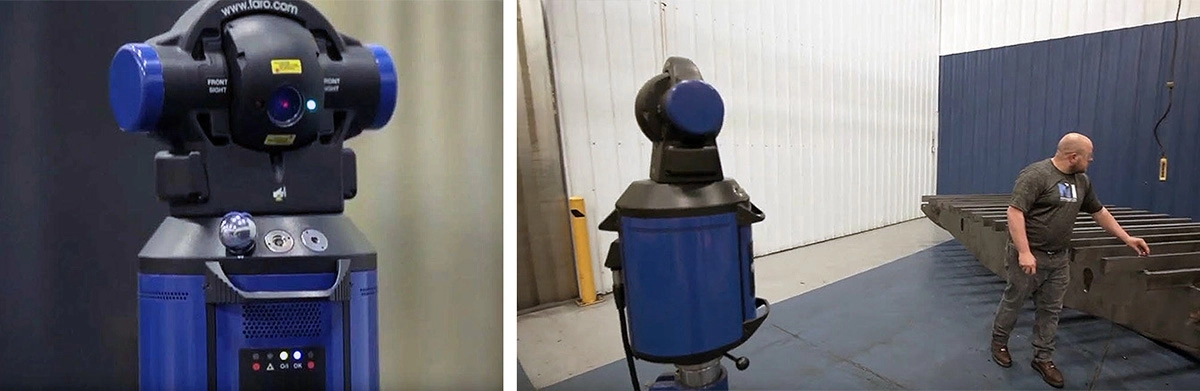
Handling large part CNC machining requires specialized equipment designed for big jobs. Large-travel 5-axis gantry mills and horizontal boring mills are the backbone of true large-part capability. These machines offer table sizes that can easily accommodate parts measuring several feet or more, paired with travel ranges often exceeding 10 feet in X, Y, and Z axes. For example, gantry mills with 20+ feet of travel and heavy-duty spindle power—often 40+ horsepower—ensure consistent, high-precision cutting on large aluminum, steel, or titanium components.
On-machine probing and in-process inspection systems are essential for maintaining tight tolerances during machining. These tools let us verify dimensions without removing parts from the machine, streamlining quality controls and reducing errors.
Material handling is another critical piece of the puzzle. Overhead cranes with capacities ranging from several tons to 20,000+ pounds are necessary for safely lifting and positioning heavy components inside the shop. Efficient, safe handling equipment protects both the workpiece and operators while keeping workflow smooth.
If you’d like to learn more about the various milling options involved, check out our detailed overview of 5-axis CNC milling machines and horizontal boring mills for large component machining.
Material Considerations for Large CNC Machined Parts
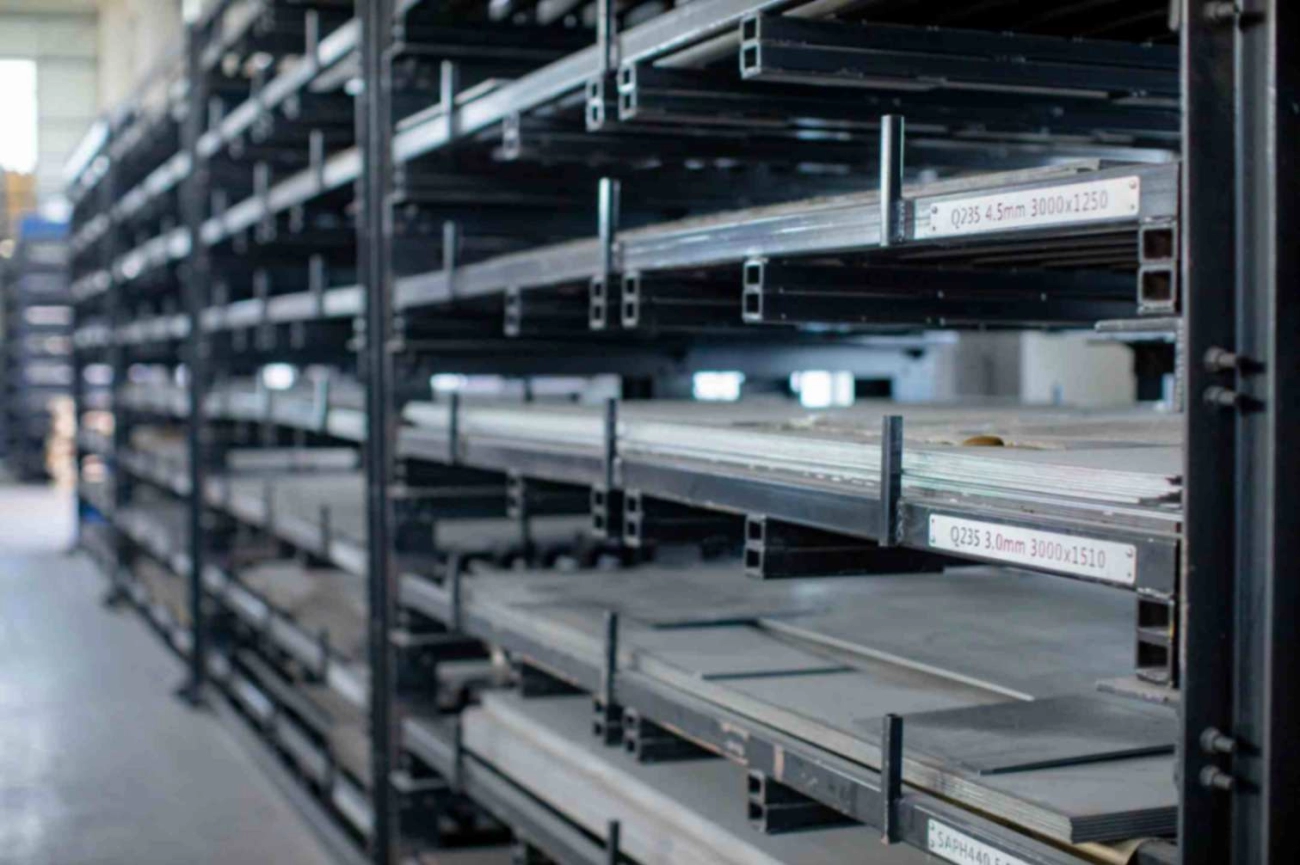
Choosing the right material is crucial when it comes to large part CNC machining. Common options include aluminum grades like 6061 and 7075, which are popular for their strength-to-weight ratio. MIC-6 and Alcast plates are also favored for their stability and ease of machining, especially in large aluminum machining projects. Steel alloys—ranging from stainless to tool steel—offer durability and wear resistance for heavy-duty applications.
For industries requiring high-temp or exotic materials, titanium and Inconel bring excellent strength and corrosion resistance but demand specialized tooling and expertise due to their tough machinability. When working with large components, the choice between castings, hog-outs, or weldments greatly impacts the process. Machining castings offers near-net shapes but may require extensive clean-up, while hog-outs start from solid blocks and give more control over tolerances. Weldments combined with machining provide design flexibility but need precise fixturing to maintain alignment.
Understanding these material nuances helps ensure the final large CNC machined part meets performance, cost, and lead-time expectations. For aerospace or other precision industries, partnering with a shop experienced in large aluminum machining and exotic alloys makes all the difference.
For more on material prep and finishing, check out how anodizing aluminum and other treatments enhance performance after machining.
Design & Engineering Best Practices (DFM for Large Parts)
Designing large parts for CNC machining means balancing size with strength and precision. At MS Machining, we focus on reducing weight without sacrificing rigidity to keep parts manageable and structurally sound throughout manufacturing and in their end use.
Key tips include:
- Avoid thin walls and deep pockets. These features can cause vibration and deflection during cutting, which impacts accuracy and tool life.
- Choose proper datum points and use Geometric Dimensioning & Tolerancing (GD&T). Oversized components need carefully defined reference points to ensure consistency and fit during assembly.
- Design for machinability from the start. Our engineers review every large-part quote closely to catch potential issues early, advise on material selection, and recommend design tweaks that improve cycle time and quality.
We partner closely with customers to optimize their designs for large CNC machining, ensuring the parts perform well and fit within the real-world constraints of big machine tools.
For more insights into precision machining of large parts, our engineering process aligns with industry standards and CNC milling expertise. If your project includes aluminum or complex alloys, see how our aluminum machining parts manufacturer capabilities support high-quality outcomes.
Quality Assurance & Inspection of Oversized Components
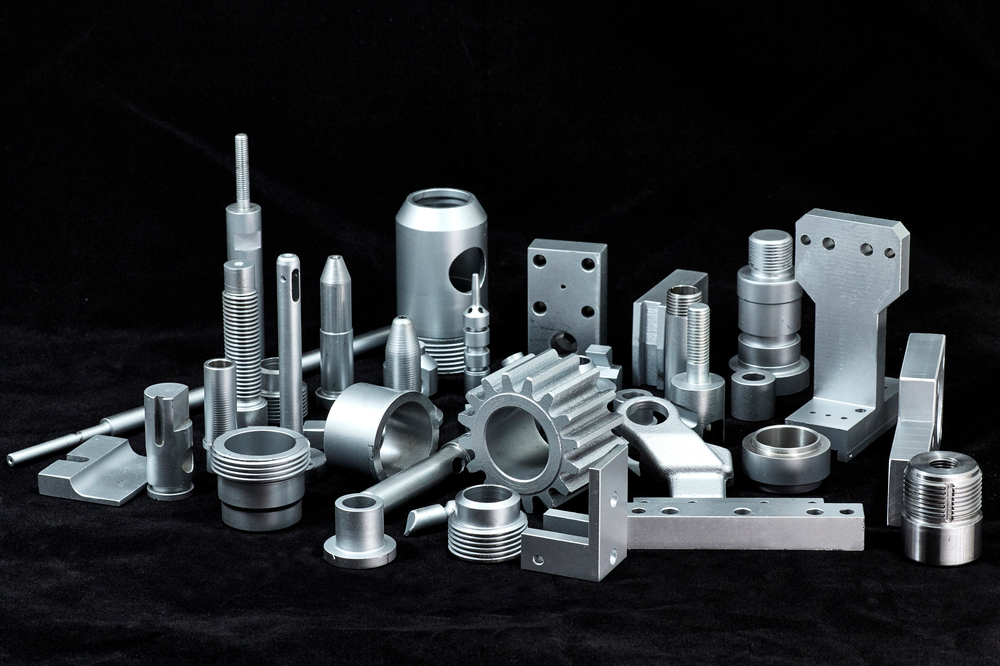
When working with large part CNC machining, quality assurance is critical to meet tight tolerances and industry standards. We use Coordinate Measuring Machines (CMMs) with a reach of 10 to 20 feet and laser tracking systems to accurately verify dimensions on oversized components. This ensures that even the biggest parts hold to specifications as precise as ±0.0005″.
Our inspection process includes thorough first-article inspections (FAI) to confirm that all critical features and tolerances are met before full production runs. We follow strict AS9100 and ISO 9001 quality management protocols to maintain consistency and reliability throughout the manufacturing process.
By combining advanced equipment with rigorous quality systems, we deliver precision machining on large parts that you can trust for aerospace, automotive, oil & gas, and other demanding industries. For specialty materials like Inconel or stainless steel, we also integrate specialized inspection steps — this level of detail supports the highest quality standards seen in custom large machined components. You can learn more about our work with advanced alloys in our detailed Inconel machining services and stainless steel polishing services.
Case Studies – Real Large Parts Machined by MS Machining
At MS Machining, we’ve tackled a wide range of large part CNC machining projects that showcase our expertise and true large-part capability:
- 15 ft Aerospace Wing Spar – Machined from 7075 aluminum, this wing spar required extreme precision and tight tolerances to meet aerospace standards. Our large format 5-axis machining ensured consistent quality across its full length.
- 8,000 lb Oilfield Valve Body – This massive 4140 HT steel valve body involved complex geometry and heavy machining services. We used horizontal boring mill services paired with advanced fixturing to maintain accuracy on this rugged, oversized component.
- 12 ft Satellite Antenna Mount – Crafted from titanium, this part demanded exacting precision and surface finish. Our large titanium machining capabilities and on-machine probing made sure every detail met customer specs.
- Heavy Equipment Base Frame – Starting from a cast iron blank, this large weldment machining project was finished into a durable, high-precision base frame for heavy equipment. Managing machine deflection and vibration was key to success.
These examples highlight MS Machining’s ability to handle heavy, precision CNC large part machining across demanding industries. If you need reliable service for your big component machining needs, trust our experience and equipment to deliver.
For details on our rapid CNC machining capabilities for precision parts, see our rapid CNC machining speed & precision applications.
Lead Times & Pricing Factors for Large CNC Machining
When it comes to large part CNC machining, cost and lead times are influenced by several key factors. The size and complexity of the part naturally affect machining time, tooling needs, and setup. Heavy materials like titanium or Inconel increase both machining difficulty and cycle times, while tight tolerances add extra inspection and adjustments that push up costs.
Typical lead times for oversized CNC machining projects range from 4 to 12 weeks, depending on the part’s complexity, material availability, and current shop workload. Larger, more complex components usually fall toward the longer end of that timeline, especially if multiple setups or special finishing processes are involved.
To get firm pricing within 24–48 hours, provide detailed CAD files, clear drawings showing critical tolerances, and any engineering notes upfront. At MS Machining, our quick quote process means you won’t be left waiting—giving you a clear understanding of budget and delivery from the start.
If you need more on cost drivers for precision large parts, check out our insights on special CNC machining processes that often impact pricing.
When to Choose a Specialist vs. a General CNC Shop
Handling large part CNC machining requires more than just a big machine—it demands expertise, the right equipment, and processes tailored to oversized components. Here are the red flags that indicate your current shop might not be equipped for large-part work:
| Red Flags Your Shop Isn’t Ready for Large Parts | Why It Matters |
|---|---|
| Limited machine travel or low spindle power | Can’t handle big or heavy parts |
| Lack of heavy-duty fixturing & material handling gear | Risk of part movement or damage |
| No experience with tight tolerances on large envelopes | Poor precision & fit issues |
| Minimal capability for on-machine inspection or probing | Quality check delays or misses |
| Scheduling conflicts due to smaller job prioritization | Longer lead times & missed deadlines |
Choosing a specialized large-part machining company brings clear advantages:
- True large-format 5-axis machining and horizontal boring mills for big, complex geometries
- Expert thermal distortion and vibration control to maintain tight tolerances
- Dedicated material handling with cranes and spacious shop setups
- In-house quality assurance like long-reach CMMs and laser trackers
- Faster, more reliable lead times with experienced project management
If you regularly need precision machining of large parts or big component machining for aerospace, heavy equipment, or oilfield industries, partnering with a specialist like MS Machining reduces risk, cuts rework, and ensures consistent high-quality results.
Deciding where to machine large parts is a balance of capability, quality, and trust. If your current vendor can’t tick all the boxes above, it’s time to make the switch.
How to Get Started with MS Machining
Getting your large part CNC machining project started with MS Machining is simple and straightforward. Here’s what to expect:
- Request a Quote: Submit your part details using our instant quote form. The more information you provide—like drawings, 3D models, and material specs—the faster and more accurate your quote will be.
- Accepted File Formats: We work with common CAD file types such as STEP, IGES, SolidWorks, and DXF. If you’re unsure about your format, just ask—we’ll guide you through it.
- NDA and Confidentiality: Protecting your designs is a top priority. We’re happy to sign NDAs to ensure your intellectual property stays secure throughout the process.
- Quote Review and Follow-Up: Our engineering team reviews every quote meticulously, especially for large components, to identify any potential design or manufacturing challenges.
- Clear Communication: Once you approve the quote, we set up a project timeline and stay in close contact until your precision CNC machining parts are delivered.
Ready to discuss your large CNC machining part? Contact us today to get a firm price and lead time within 24–48 hours.
For more insight on how CNC machining works, check out our detailed guide on how CNC machining works.