Are you struggling to decide between aluminum and steel for your prototype injection molding tooling?
It’s the classic engineering trade-off: you need parts fast and cost-effectively, but you can’t sacrifice precision or quality.
As a manufacturing partner at MS Machining, I’ve seen firsthand how this single decision impacts everything from cycle time to your final ROI. Make the right call, and you accelerate your product launch; make the wrong one, and you’re looking at broken tools and blown budgets.
In this post, you’re going to get a direct, data-driven Mold Material Selection Guide. We’ll break down the real-world differences in tooling cost, thermal conductivity, and durability so you can choose the perfect material for your volume and resin needs.
Let’s dive in.
Defining Prototype Injection Molding Tooling Needs
At MS Machining, we frequently guide engineers through the critical “speed versus durability” debate. Before selecting a material, we must define exactly what the tool needs to achieve. Prototype injection molding is not a one-size-fits-all solution; it sits on a spectrum ranging from initial design validation to low-volume market testing. Misidentifying your tooling stage can lead to blown budgets on unnecessary tool life or, conversely, tool failure during a critical bridge run.
Prototype, Bridge, and Production Tooling Distinctions
Understanding the hierarchy of tooling is essential for cost control. We categorize projects into three distinct phases to determine the manufacturing approach:
- Prototype Tooling: Primarily for fit, form, and function testing. These molds are built for speed and low cost, typically handling 100 to 1,000 parts.
- Bridge Tooling: Fills the gap between prototyping and mass production. These tools must be robust enough to supply the market while the final production mold is being cut, often running 1,000 to 10,000 parts.
- Production Tooling: Designed for maximum efficiency and longevity, targeting hundreds of thousands or millions of cycles.
Core Decision Factors for Material Selection
When our engineering team reviews a Request for Quote (RFQ), we evaluate four primary constraints to recommend the correct low volume injection molding strategy:
| Factor | Consideration |
|---|---|
| Part Volume | Are you running 50 samples for R&D or 5,000 units for a pilot launch? |
| Resin Type | Standard plastics (ABS, PP) are forgiving; abrasive engineering resins (Glass-filled Nylon, PEEK) demand tougher tooling. |
| Complexity | Complex geometries requiring 5-axis CNC machining or elaborate slide actions may necessitate specific material properties. |
| Timeline & Budget | Rapid tooling focuses on cutting lead times, often favoring materials that machine faster. |
By balancing these elements within our 30,000 sq. ft. facility, we ensure your prototype mold tooling aligns with your immediate project goals without over-engineering the solution.
Aluminum vs. Steel: Head-to-Head Comparison
When we sit down with engineers at our MS Machining facility to discuss prototype injection molding, the conversation almost always turns to the “Aluminum vs. Steel” debate. It isn’t simply a matter of which material is superior; it comes down to matching the tool’s capabilities with your project’s volume, budget, and resin requirements.
Comparing Cost and Lead Time
For rapid iteration, aluminum prototype molds are the clear winner. Aluminum is softer and significantly easier to machine than tool steel, allowing our high-speed CNC centers to cut cores and cavities 30% to 50% faster. This speed directly translates to lower steel vs aluminum tooling costs and reduced lead times—often getting T1 samples in your hands in just a few weeks. Conversely, P20 steel injection molds require more intensive machining and often demand EDM (Electrical Discharge Machining) for complex features, increasing the upfront investment and timeline.
Cycle Time and Thermal Conductivity
One massive operational advantage of aluminum is its superior thermal conductivity. Aluminum transfers heat about 5 times faster than tool steel. This allows for significantly shorter cooling periods within the injection cycle. If you are running a bridge production batch of 5,000 parts, that reduced injection molding cycle time can save days of machine time.
Tool Life and Durability
While aluminum is fast, steel is tough. We recommend steel tooling when durability is non-negotiable.
- Aluminum (7075/QC-10): Great for 1,000 to 10,000 shots. Softness leads to parting line wear over time.
- Steel (P20/H13): Built for 50,000 to 1,000,000+ shots. Maintains tight tolerances under high clamping pressures.
Material Compatibility and Machinability
If your design requires abrasive engineering resins—like glass-filled nylon or PEEK—aluminum will erode quickly, compromising part quality. Steel is essential for these abrasive materials. However, for standard thermoplastics like ABS or PP, aluminum is perfectly adequate. To understand more about resin selection and processing, reviewing the introduction of best plastic injection molding practices can help clarify which tool material suits your resin choice.
Quick Reference: Injection Mold Material Comparison
| Feature | Aluminum Molds (Prototype) | Steel Molds (Production/Bridge) |
|---|---|---|
| Initial Cost | Low (30-40% cheaper) | High |
| Lead Time | Fast (Rapid prototyping) | Slow (Requires heat treat/EDM) |
| Thermal Conductivity | Excellent (Fast cycles) | Moderate |
| Tool Life | Low (<10k shots) | High (>50k shots) |
| Machinability | High (Easy 5-axis CNC) | Low (Harder material) |
| Resin Suitability | Non-abrasive plastics | Abrasive & High-temp resins |
Advantages of Aluminum Prototype Molds
When speed is the priority and production volumes are low, aluminum prototype molds are the clear winner. For engineers and product managers looking to validate designs quickly, choosing aluminum over tool steel can significantly accelerate the development timeline.
Superior Thermal Conductivity for Faster Cycles
The most significant technical advantage of aluminum is its thermal conductivity. Aluminum transfers heat roughly 5 times faster than standard tool steels like P20. In the injection molding process, cooling time often accounts for the majority of the total cycle.
By using aluminum tooling, we can reduce cycle times by 30% to 40%. This rapid heat dissipation means parts cool down and eject faster, allowing for quicker turnaround on low-volume runs. This efficiency is crucial when you need 500 to 1,000 parts immediately for market testing or assembly line validation.
Lower Cost and Rapid Machining
Aluminum is softer and easier to cut than hardened steel. This machinability directly translates to lower tooling costs and faster lead times. Our facility leverages high-speed machining centers to cut aluminum cores and cavities in a fraction of the time required for steel.
Specifically, advanced 5-axis CNC machines can navigate complex geometries in aluminum with less tool wear and higher feed rates. This allows us to produce complex molds with intricate features without the heavy price tag associated with EDM (Electrical Discharge Machining) often needed for hard steel.
Key Benefits of Aluminum Tooling:
- Reduced Lead Time: Get molds ready in days rather than weeks.
- Cost Efficiency: Lower material costs and reduced machining hours.
- Ease of Modification: Aluminum is easier to modify if design changes are needed after T1 sampling.
Ideal Scenarios: Iteration and Validation
Aluminum is the standard for rapid iteration. In the early stages of product development, designs are rarely frozen. You need a tooling solution that allows for functional testing without locking you into a massive investment.
If you are currently planning how to create a prototype that closely mimics mass-production parts, aluminum molds bridge the gap. They provide real injection-molded parts using the actual production resin—something 3D printing often cannot achieve. This makes them perfect for “bridge tooling,” filling the supply gap while durable steel production molds are being manufactured.
Advantages of Steel Injection Molds
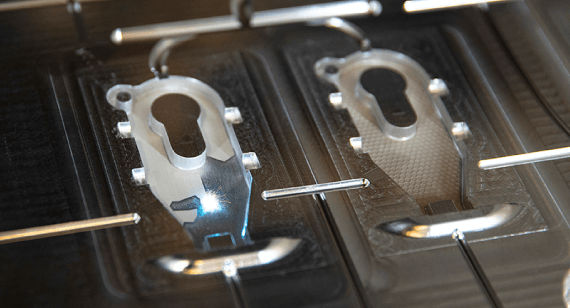
When your project demands resilience and high-volume output, steel tooling is the industry standard. While aluminum serves well for rapid validation, steel is the heavy-duty choice for consistent performance under stress. We recommend transitioning to steel when your production roadmap moves beyond the initial prototype phase into bridge tooling or mass production.
Exceptional Durability and Extended Tool Life
The most significant advantage of steel is its ability to withstand repetitive stress. For projects requiring 50,000 to over 1,000,000 shots, aluminum allows for too much wear. We utilize robust tool steels like P20 and H13, which are hardened to resist fatigue. This longevity ensures that the millionth part looks just as good as the first, solving the common tool life aluminum vs steel dilemma for long-term projects.
Handling Abrasive and High-Temp Resins
Soft tooling limits your material choices. If your application requires engineering-grade performance, steel is non-negotiable. It provides the necessary hardness to process:
- Abrasive Materials: Glass-filled nylon and reinforced composites that quickly erode softer aluminum cavities.
- High-Temperature Resins: Advanced thermoplastics like PEEK or Ultem that require elevated mold temperatures.
- Corrosive Plastics: Resins that release acidic gases during processing.
Precision and Dimensional Stability
Steel holds its shape under high injection pressures, minimizing deflection. This rigidity is crucial for maintaining tight tolerances on parts with complex geometries or thin walls. By leveraging our custom precision CNC milling parts capabilities, we can machine hardened steel molds to exact specifications, ensuring that critical features are replicated accurately every cycle.
Long-Term Cost Efficiency
Although P20 steel injection molds command a higher upfront investment due to longer machining times and heat treatment, they offer superior ROI for volume production. You avoid the expensive downtime and re-tooling costs associated with repairing worn aluminum molds, effectively lowering the total cost per unit over the life of the tool.
Material Limitations and Trade-offs in Prototype Tooling

Every engineering decision involves compromise. When we guide clients through prototype injection molding projects, we have to look closely at the limitations of the chosen material against the project’s specific mechanical and budgetary constraints. There is no “perfect” mold material, only the right one for your specific volume and resin requirements.
Aluminum Drawbacks: Wear and Pressure
While aluminum is the speed king of rapid injection molding molds, its softness is its primary weakness. We cannot treat QC-10 or 7075 aluminum the same way we treat hardened tool steel.
- Abrasive Sensitivity: If your part requires abrasive resins (like glass-filled Nylon or mineral-filled PP), aluminum surfaces will erode quickly. This leads to dimensional variance and flash after just a few hundred shots.
- Pressure Limits: Aluminum has a lower yield strength than steel. It cannot withstand the extreme clamping forces and injection pressures required for certain high-viscosity engineering polymers without risking deformation of the mold cavity.
- Surface Damage: The mold face is more susceptible to accidental damage during handling, setup, or stuck-part removal compared to harder alloys.
Steel Drawbacks: Investment and Speed
Steel is the gold standard for durability, but it comes at a premium. The hardness that makes P20 or H13 steel so reliable also makes it more difficult to process.
- Higher Upfront Cost: Raw material costs are higher, and the machining process consumes more hours.
- Extended Lead Times: Cutting, EDM (Electrical Discharge Machining), and polishing hard steel takes time. Our facility utilizes specialized heavy CNC machining equipment to handle these tough alloys effectively, but the physics of cutting hard metal simply takes longer than cutting aluminum.
- Thermal Lag: Without conformal cooling channels (which add cost), steel dissipates heat slower than aluminum, potentially extending cycle times during production.
Hybrid Tooling Approaches
We often implement a strategic compromise known as hybrid tooling or MUD (Master Unit Die) inserts. In this scenario, we install hardened steel inserts into a standard aluminum mold base.
This approach targets the high-wear areas—such as gates, cores, and cavities—with durable steel while keeping the bulk of the tool in cost-effective aluminum. It allows us to process abrasive resins and hold tighter tolerances without committing to the full cost and lead time of a 100% steel mold base. This is often the smartest route for low volume injection molding tooling where part complexity is high, but total volume doesn’t justify a Class A production tool.
Selecting the Right Material for Your Project
Choosing between aluminum vs steel injection molds isn’t just about technical preference; it’s a strategic business decision. At MS Machining, we guide engineers and procurement managers through this selection process daily. The goal is to match the tooling investment to your specific product lifecycle stage, ensuring you don’t overspend on a prototype or under-spec a production tool.
Calculating ROI Based on Volume
The projected production volume is usually the primary driver for material selection. You need to calculate the Return on Investment (ROI) by comparing the upfront tooling cost against the expected part count.
- Low Volume (< 2,000 shots): For initial market validation or short-run bridge tooling, aluminum prototype molds offer the best value. The lower machining costs allow you to allocate budget elsewhere.
- Mid-to-High Volume (> 10,000 shots): If there is a high probability the tool will need to run effectively for years, steel becomes the cost-effective choice despite the higher entry price.
Analyzing Resin and Part Complexity
Your choice of plastic resin significantly impacts mold longevity. Prototype tooling materials must be compatible with the chemical and physical properties of the injected material.
- Abrasive Resins: If your design calls for glass-filled nylon, PEEK, or other abrasive engineering-grade resins, aluminum is risky. These materials can scour the surface of soft molds, ruining critical dimensions quickly. Steel is non-negotiable here.
- Complex Geometries: For parts requiring intricate custom machining and tight tolerances, steel holds its shape better under high injection pressures.
Balancing Strict Timelines Against Budgets
Speed to market is often the deciding factor. Because aluminum dissipates heat faster and machines easier, it is the go-to for tight deadlines.
- Speed: Aluminum molds can be cut and polished in a fraction of the time required for hardened steel. Understanding the advantages of rapid prototyping helps you leverage these faster cycles to iterate designs quickly.
- Budget: If the project budget is tight and the design is still subject to change, stick with aluminum. It minimizes the financial risk if the mold needs to be modified or scrapped after testing.
Expert Tips for Optimal Mold Performance
Getting the most out of your tooling—whether it is a rapid aluminum prototype or a P20 steel bridge tool—requires more than just selecting a material. At MS Machining, we apply the same engineering rigor to a 500-shot prototype as we do to high-volume production molds.
Design for Manufacturability (DFM) Focus
Before we cut a single chip of metal, DFM analysis is critical. For prototype injection molding, we strictly evaluate wall thickness uniformity and draft angles. While aluminum is forgiving, it does not handle deep undercuts or thin steel-safe conditions as well as harder metals. If your part features complex geometries requiring the tightest tolerances—similar to what we deliver for military machining and defense components—we often recommend specific design adjustments or steel inserts in high-wear areas to ensure the prototype survives the run.
The Role of CNC Precision and Cooling
Cycle time efficiency is dictated by thermal management and machining accuracy.
- Cooling Channels: We utilize our fleet of 30+ CNC machining centers to mill precise cooling lines. Proper cooling design in aluminum molds can significantly outperform poorly designed steel tools in terms of cycle speed.
- Machining Accuracy: High-speed 5-axis CNC machining allows us to achieve superior surface finishes directly off the machine. This reduces the need for manual benchwork, preserving the strict dimensional accuracy of the mold cavity.
Quality Control and Validation
We operate 3x Quality Control lines to ensure every tool meets specifications before resin ever hits the mold.
- Aluminum Tools: We verify that parting lines are robust enough to withstand injection pressures without flashing, a common issue with softer alloys.
- Steel Tools: QC focuses on verifying hardness and dimensional stability after heat treatment.
Transitioning from Prototype to Production
Smart manufacturers use the prototype phase to de-risk mass production. Data gathered from your aluminum tool—such as gate location performance, fill time, and potential warp issues—should directly inform the design of your hardened steel production mold. This data-driven approach bridges the gap between low-volume validation and high-volume manufacturing, saving significant capital in the long run.
Frequently Asked Questions (FAQs)
How does aluminum mold life compare to P20 steel?
When we talk about tool life, the gap is significant. A standard aluminum prototype mold generally delivers between 2,000 to 5,000 shots. It’s excellent for validating designs or small pilot runs. In contrast, P20 steel injection molds are built for endurance, easily handling 50,000 to 100,000+ shots. If your project moves past the validation phase into low-volume production, transitioning to steel is the only way to maintain consistent part dimensions without tool degradation.
Can I use abrasive resins with QC-10 aluminum tooling?
We strongly advise against running abrasive materials like glass-filled nylon or PEEK in aluminum molds. While QC-10 aluminum tooling is harder than standard aluminum alloys, abrasive glass fibers act like sandpaper inside the mold cavity. This rapidly erodes the gate and fine details, ruining the tool’s tolerance. For abrasive resins, we always recommend using hardened steel inserts or switching to a full steel tool to ensure the mold survives the run.
Is aluminum always cheaper than steel for prototypes?
In terms of upfront investment, aluminum is almost always the cost-effective prototype tooling choice. Because aluminum is softer, our machinists can cut it significantly faster than steel, reducing machine time costs by 30-50%. However, if your prototype run requires high volumes that would wear out an aluminum tool (requiring us to build a second one), the total cost might eventually eclipse that of a single, durable steel mold.
What is the standard lead time for aluminum vs. steel molds?
Speed is the primary advantage of aluminum. Leveraging our 5-axis CNC capabilities, we can often finish aluminum molds in 5 to 15 days. Steel molds, due to the need for heat treating and slower machining rates (EDM), typically have a prototype mold lead time of 4 to 8 weeks. If your deadline is tight and you need parts in hand for a trade show or functional test next week, aluminum is the clear winner.