
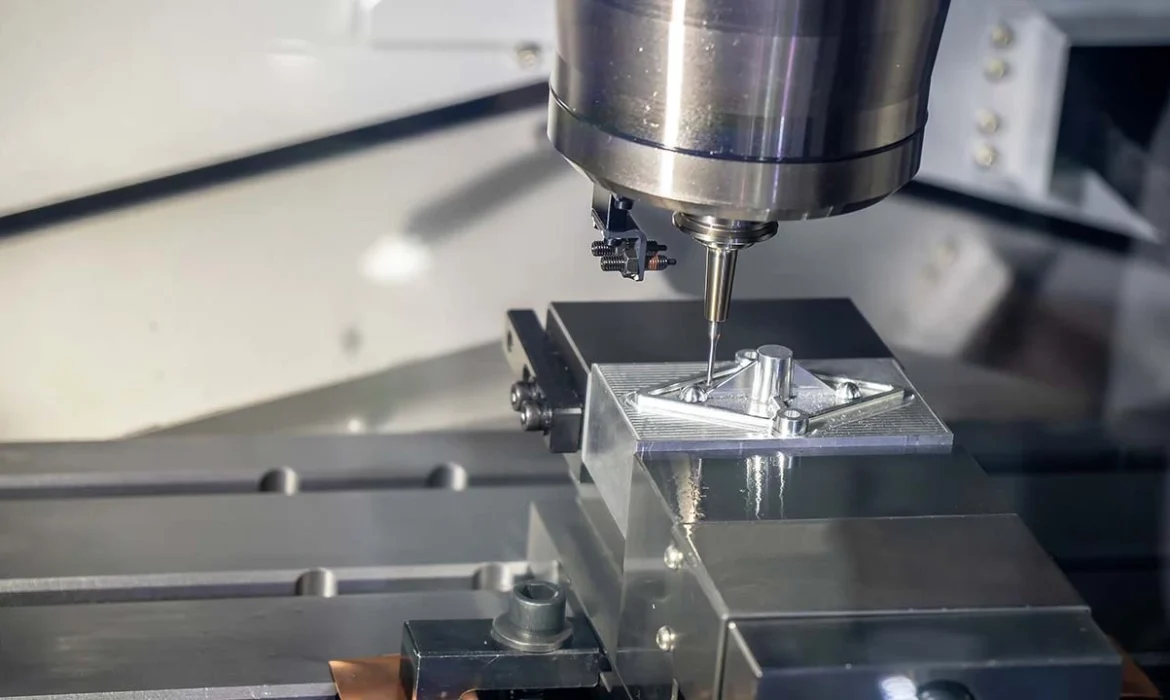
Understanding CNC Milling Accuracy and Precision
Accuracy vs Precision: What They Really Mean in CNC Milling
In CNC milling, understanding the difference between accuracy and precision is crucial. Accuracy refers to how closely a machined part’s dimensions match the intended design specifications or nominal values. In contrast, precision indicates the consistency of repeated measurements or machining results—how consistently a process produces parts with minimal variation. High accuracy ensures parts meet the exact dimensional requirements, while high precision guarantees repeatability in production runs. Both are vital components of CNC milling accuracy and precision CNC milling, driving quality outcomes.
Why Machining Accuracy Matters for Functional Parts
Machining accuracy is essential when producing functional parts that must fit together, perform reliably, or comply with regulatory standards. Parts with poor accuracy can cause assembly issues, reduce product lifespan, or lead to mechanical failures. As such, maintaining strict CNC machining tolerances ensures components perform as intended, improving safety and overall system efficiency. For industries like aerospace, medical devices, and automotive manufacturing, tight control over dimensional accuracy protects functionality and reduces costly rework or scrap. Ultimately, accuracy in CNC milling guarantees that your parts deliver consistent performance in their intended applications.
Typical Accuracy Ranges in CNC Milling
Standard CNC Milling Tolerances Explained
Most standard CNC milling jobs achieve tolerances around ±0.005 inches (±0.127 mm). This level of dimensional accuracy is suitable for many functional parts used in industries like automotive, aerospace, and equipment manufacturing. Standard CNC milling tolerances rely on stable mechanical systems and good process control to deliver consistent, reliable results without excessive cost. Understanding these standard tolerance ranges helps customers set realistic expectations for their parts and avoid over-specifying, which can increase lead time and expenses unnecessarily. For machining needs within these typical tolerances, you can explore quality CNC milling parts that balance precision and cost effectively.
High-Precision CNC Milling Capabilities
For parts requiring tighter CNC machining tolerances—down to ±0.001 inches (±0.025 mm) or better—high-precision CNC milling machines come into play. These machines use advanced spindle control, linear encoders, and specialized fixturing to push accuracy and repeatability to that next level. High-precision CNC milling is essential when parts must fit perfectly in assemblies or function under demanding conditions. While this level of precision is impressive, it requires meticulous setup, advanced tooling, and often slower machining speeds to maintain quality. For businesses needing tight tolerance machining, partnering with CNC machining services experienced in precision CNC milling is key to getting the best results.
When Tighter Tolerances Increase Cost Without Real Benefit
It’s important to remember that pushing tolerances tighter than necessary can drive up CNC milling costs without adding real value. Overly tight tolerances may cause longer cycle times, more tool wear, and higher scrap rates. Also, tighter specs require more in-process inspection, which slows down production. Before specifying very strict CNC machining tolerances, ask whether the extra precision actually improves part performance or assembly fit. If the extra accuracy isn’t critical, sticking with standard tolerances can save money and speed up your project. A good rule is to design tolerances that match the function and manufacturing process rather than defaulting to the tightest possible limits. For more on optimizing design and machining efficiency, consider consulting resources on DFM in CNC machining.
By balancing accuracy needs with cost and manufacturing capabilities, you ensure your CNC milled parts deliver value without unnecessary expenses.
Key Factors That Influence CNC Milling Precision
Machine Tool Accuracy and Mechanical Stability
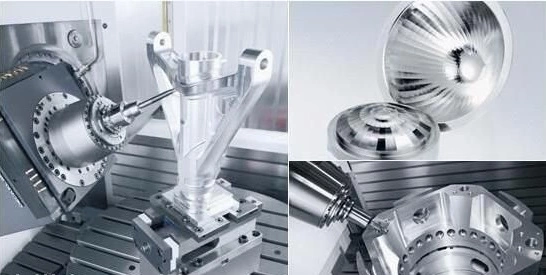
The foundation of CNC milling accuracy starts with the machine tool itself. If the mill’s components aren’t rigid or properly calibrated, even the best programming won’t deliver precise parts. Mechanical stability—including the spindle, linear guides, and ball screws—directly impacts how closely the machine follows the programmed tool path. Regular maintenance and calibration help maintain tight CNC machining tolerances, preventing unwanted play or backlash that reduce precision.
Cutting Tools, Tool Wear, and Tool Path Strategy
Cutting tools are crucial to precision CNC milling. Worn or dull tools cause dimensional inaccuracies, rough finishes, and can even damage the workpiece. Using high-quality tools and replacing them at the right time helps sustain consistent CNC milling accuracy. Additionally, the tool path strategy—how the cutter moves relative to the part—affects surface quality and dimensional control. Optimized tool paths reduce tool deflection and vibration, contributing to precision CNC parts.
Material Properties and Machinability
The material you’re milling plays a big role in achievable accuracy. Harder or more elastic materials can cause tool deflection or uneven cuts, making tight tolerance machining more challenging. Knowing the machinability of metals like stainless steel, aluminum, or specialty alloys helps in selecting cutting parameters and tools. For example, learning about different stainless steel grades and their machining characteristics can guide better process choices to maximize dimensional accuracy.
Thermal Effects and Environmental Conditions
Temperature changes during machining cause materials and machines to expand or contract, impacting precision CNC milling. Heat generated by cutting increases tool and part temperatures, potentially leading to dimensional shifts. Managing thermal effects through coolant use, controlled cutting speeds, or working in a temperature-stable environment is key. Even the ambient shop temperature and humidity can affect machine calibration over time, so maintaining consistent environmental conditions supports long-term CNC machining tolerances.
Design-Related Factors That Affect Machining Accuracy
Part Geometry and Feature Accessibility
The shape and complexity of a part play a huge role in CNC milling accuracy. Simple geometries with easy-to-reach features usually lead to higher precision because the tools can hold steady and machine smoothly. However, complex parts with tight internal corners, deep cavities, or hard-to-reach areas can reduce accuracy as they increase the chance of tool deflection or vibration. Designing parts with clear access for cutting tools helps maintain better dimensional accuracy and reduces costly errors during machining.
Tolerance Stack-Up and Critical Dimensions
Tolerance stack-up is when individual dimensional allowances add up across an assembly, potentially causing parts to not fit or function properly. This is a major concern in precision CNC milling, especially with assemblies requiring very tight tolerances. Recognizing critical dimensions that impact function or assembly and carefully managing their tolerances during design helps avoid cumulative errors. Tight tolerance machining should focus on those key dimensions rather than uniformly tightening all specs, which can be costly and unnecessary.
Design for Manufacturability (DFM) Considerations
Good DFM practices can make a big difference in CNC milling precision and cost-effectiveness. Designing with standard tool sizes, minimizing complex tool paths, and allowing for appropriate tolerances based on material and machining capabilities support accurate and repeatable production. Prioritizing features like chamfers, fillets, and uniform wall thickness reduces stress on tools and machines, improving overall CNC milling accuracy. For more on optimizing your design for machining, see our guide on DFM in CNC machining, where efficient part design is detailed to enhance precision and reduce waste.
By considering these design factors early on, you set the stage for achieving the best possible CNC milling accuracy throughout production.
Process Control and Setup Impact on CNC Milling Accuracy

Fixturing, Clamping, and Part Stability
One of the biggest factors affecting CNC milling accuracy is how well the part is held in place. Proper fixturing and clamping ensure part stability during the entire machining process. If the part shifts or vibrates even slightly, it can lead to dimensional inaccuracies and surface defects. Using custom fixtures designed to fit the part geometry minimizes movement and helps maintain consistent precision CNC milling results. Good fixturing also reduces tool wear by preventing unexpected forces during cutting, which directly supports tighter CNC machining tolerances.
Number of Setups and Repositioning Errors
Every time a part needs to be repositioned for machining different features, there’s a risk of cumulative errors known as tolerance stack-up. The more setups involved, the higher the chance that small misalignments will cause dimensional inaccuracies. Reducing the number of setups improves overall CNC milling accuracy by limiting repositioning errors. That’s why process planning that minimizes setups is often part of the strategies used in high-precision CNC parts production. When multiple setups are unavoidable, using precise locating pins, advanced measuring tools, and digital alignment techniques can help keep tolerances in check.
Role of Multi-Axis CNC Milling in Precision Control
Multi-axis CNC milling machines bring a big advantage for accuracy because they allow complex features to be machined in a single setup. With 4-, 5-, or even 6-axis machines, parts can be rotated and tilted to precise angles, reducing the need to reposition the workpiece multiple times. This capability greatly limits cumulative errors and promotes better dimensional accuracy. Multi-axis machining is especially valuable for intricate parts where tolerances are tight, and feature accessibility is limited. For those interested in understanding the capabilities of advanced equipment, exploring CNC milling machine parts can provide useful insights into how setups affect machining outcomes.
Measurement and Quality Control in Precision CNC Milling
In-Process Inspection vs Final Inspection
In precision CNC milling, measurement and quality control are critical for maintaining tight tolerance machining. In-process inspection happens during the milling process, allowing operators to catch errors early. This proactive step reduces scrap and rework by ensuring each cut meets dimensional accuracy standards before moving on. Final inspection, on the other hand, verifies that finished parts meet all specifications before delivery. Both stages are essential, but relying only on final inspection increases the risk of costly mistakes slipping through.
Use of CMM and Precision Measuring Tools
Coordinate Measuring Machines (CMM) are a cornerstone in CNC milling accuracy. They provide highly accurate 3D measurements, allowing for detailed verification of complex geometries and critical dimensions. Alongside CMM, other precision measuring tools like micrometers, calipers, and surface profilers support thorough inspection. Using these tools helps identify deviations early and ensures parts comply with design tolerances. This approach is especially important when manufacturing high-precision CNC parts or components requiring extremely tight machining tolerances.
Ensuring Consistency in High-Volume Production
Maintaining consistent CNC machining tolerances in high-volume production requires robust quality control systems. This includes automated inspection routines, statistical process control (SPC), and frequent calibration of measuring tools. Consistency comes down to repeatable processes, stable machine performance, and accurate fixture setups. Businesses that manage these aspects well avoid common pitfalls like dimensional inaccuracy and tolerance stack-up, which can affect large batches negatively. For complex materials or geometries, incorporating DFM principles early in the design phase can further improve manufacturing precision and efficiency. You may find helpful techniques in our guide on reverse engineering design processes that align with these quality control best practices.
Common Causes of Dimensional Inaccuracy
Tool Deflection and Vibration
One major reason for reduced CNC milling accuracy is tool deflection. When a cutting tool bends slightly under pressure, it leads to parts being cut off from ideal dimensions. Vibration can also worsen this effect, causing uneven surfaces and dimensional errors. Both issues can come from worn tools, aggressive cutting parameters, or poorly rigid machines. Minimizing deflection and vibration is key to maintaining consistent precision CNC milling results.
Improper Feeds and Speeds
Using incorrect feeds and speeds dramatically impacts CNC machining tolerances. If the spindle speed is too high or feed rate isn’t optimized, it can cause excessive heat, tool wear, or chatter, all leading to loss of dimensional accuracy. On the flip side, too slow can lead to rubbing instead of cutting, which also reduces precision. Properly balancing feeds and speeds keeps machining stable and consistently within tolerance.
Inadequate Process Planning
Lack of thorough process planning is another common cause of inaccuracies. Without clear steps for tool selection, setup, and inspection, errors can creep in. For example, failing to consider part geometry or necessary repositioning can introduce dimensional drift. Good planning should include strategies to control tolerance stack-up and minimize multiple setups, which often increase risk of errors. Solid process planning supports tighter tolerances and reliable high-precision CNC parts.
By addressing these key causes, you can improve dimensional accuracy and ensure your parts meet design requirements without excessive cost or time. For advanced guidance on machining stainless steel and similar materials, check out resources on stainless steel casting CNC machining quality to understand material-specific challenges affecting precision.
How CNC Machining Services Improve Part Accuracy
Process Planning Based on Tolerance Requirements
CNC machining services carefully plan every step based on the specific CNC machining tolerances your part needs. This means:
- Selecting the right machines and cutting tools for tight tolerance machining
- Defining optimal tool paths to reduce errors
- Adjusting speeds and feeds to match material properties
By tailoring the process to tolerance needs, shops avoid over-machining and keep costs down while hitting the required dimensional accuracy.
Balancing Precision, Lead Time, and Cost
Achieving perfect precision isn’t always the fastest or cheapest option. Good CNC machine shops balance:
| Factor | Considerations | Impact |
|——————|—————————————|—————————|
| Precision | Tight tolerances, high-quality finish | Higher cost and time |
| Lead Time | Quick turnaround vs detailed setups | May increase expenses |
| Cost | Tool wear, machine hours, operator time| Must align with project budget |
An experienced shop guides you to the best balance, ensuring you get the precision needed without unnecessary delays or extra costs. For large or complex parts, specialized services like large part CNC machining can optimize this balance efficiently.
Engineering Support to Reduce Accuracy Risks
Expert CNC machining services provide engineering help from design through production. This support includes:
- Reviewing your part’s design for manufacturability (DFM in CNC machining)
- Identifying potential tolerance stack-up problems early
- Advising on material choice and finish processes
- Planning inspection methods to catch errors quickly
Having engineers onboard cuts down the risk of costly reworks and ensures consistently high CNC milling accuracy across runs. This kind of hands-on support is vital for complex or precision-critical parts and is often part of premium CNC milling solutions like those found in advanced CNC milling machine services.