
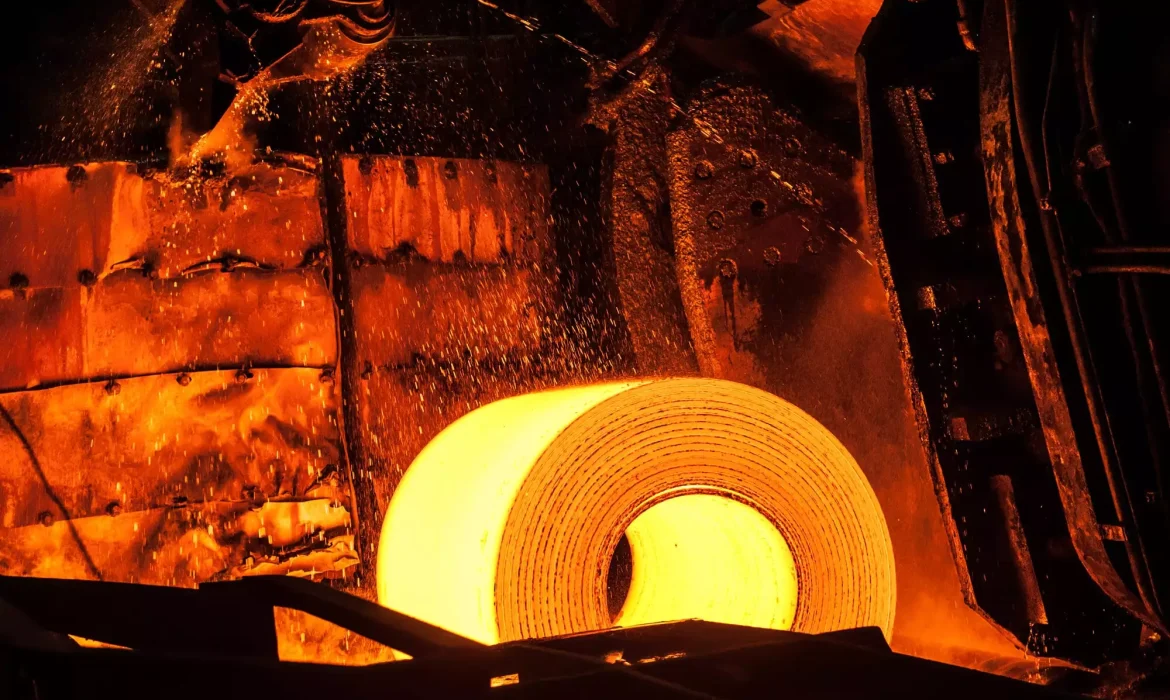
Cobalt Investment Castings: The Performance Advantage
While stainless steel handles general industrial use, cobalt alloy castings are the standard when heat, friction, and chemicals converge. I prioritize cobalt for near-net shape components that must survive where iron-based alloys soften or degrade.
Superior Wear Resistance via Carbides
The durability of Stellite alloys and similar grades stems from their unique microstructure. In these cobalt based castings, the cobalt serves as a tough matrix that holds hard chromium and tungsten carbides in place.
- Adhesive Wear: Prevents “galling” or cold-welding during metal-on-metal contact.
- Abrasive Resistance: The dense carbide network protects the surface from grit and high-pressure friction.
- Impact Strength: Unlike brittle technical ceramics, the cobalt matrix absorbs mechanical shock without fracturing.
Thermal Stability Benchmarks Above 1500°F
High-temperature strength is the primary reason for choosing cobalt based investment casting. Most stainless steels lose significant yield strength once they surpass 1000°F. Cobalt alloys, however, maintain their “hot hardness” and structural integrity in environments exceeding 1500°F.
| Feature | Performance at 1500°F+ |
|---|---|
| Melting Point | Typically 2300°F – 2500°F |
| Creep Resistance | Exceptional resistance to deformation under constant load |
| Thermal Fatigue | High resistance to cracking during rapid heat/cool cycles |
Oxidation Resistance and Passivating Films
There is a distinct difference between aqueous corrosion and high-temperature oxidation. Cobalt investment castings utilize high chromium levels to create a protective, passivating oxide film ($Cr_2O_3$) on the surface.
- Self-Healing Barrier: In oxygen-rich environments, the protective film reforms instantly if the surface is scratched.
- Sulfidation Resistance: Cobalt outperforms nickel-based alloys in environments containing sulfur, such as turbine exhausts or coal gasification.
- Oxidation Resistance at 1000°C+: Maintains surface integrity even when operating at red-heat temperatures for extended cycles.
Navigating Cobalt Alloy Grades for Investment Castings
Choosing the right material for cobalt alloy castings is a balance of wear resistance, thermal stability, and impact strength. At MS Machining, we specialize in several industry-standard grades to ensure your components thrive in the most demanding environments.
Cobalt Alloy 6 (AMS 5387): The Versatile Performer
Often referred to as the “all-rounder” among cobalt based castings, Alloy 6 provides a perfect blend of mechanical properties. It features high resistance to many forms of mechanical and chemical degradation over a wide temperature range.
- Best For: General wear, erosion, and heavy impact.
- Key Feature: Retains high hardness even at red heat.
Cobalt Alloy 21 (AMS 5385): Thermal and Mechanical Shock Specialist
When your application involves rapid temperature swings, Alloy 21 is our top recommendation. This grade is widely used in cobalt based investment casting for aerospace and energy sectors because it resists thermal fatigue better than almost any other superalloy.
- Best For: Turbine blades, fluid valves, and high-heat manifolds.
- Key Feature: Low carbon content improves ductility and shock resistance.
Cobalt Alloy 31: Maximum Creep Strength
For industrial applications involving metal-on-metal contact at sustained high temperatures, Alloy 31 is the heavy hitter. It offers superior creep strength, ensuring parts don’t deform under load. To achieve final tolerances on these rugged parts, we often integrate our precision CNC machining services to refine critical surfaces.
Comparative Breakdown: UTS and Hardness
The following table highlights the typical mechanical properties we achieve across these common grades:
| Alloy Grade | Specification | Hardness (Rockwell C) | Typical UTS (ksi) | Best Use Case |
|---|---|---|---|---|
| Alloy 6 | AMS 5387 | 38 – 45 HRC | 120 | Anti-galling & Wear |
| Alloy 21 | AMS 5385 | 27 – 35 HRC | 100 | Thermal Shock |
| Alloy 31 | ASTM F75 | 30 – 35 HRC | 115 | High Creep Strength |
Whether you are looking for cobalt casting solutions for medical implants or high-temperature aerospace components, selecting the correct grade is the first step in ensuring long-term reliability. We assist in evaluating these metrics against your specific operating pressures and temperatures to minimize failure risks.
The MS Machining Precision Casting Process
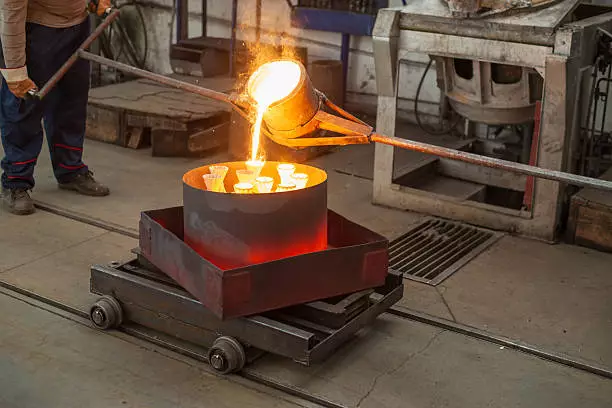
We’ve refined our lost wax casting process to handle the unique challenges of cobalt. Unlike standard alloys, cobalt requires specialized handling to ensure the final part meets high-performance benchmarks. Our workflow is designed to deliver near-net shape components that reduce waste and save you money on secondary operations.
Step 1: DFM Review for Cobalt Shrinkage
Every project starts with a rigorous Design for Manufacturing (DFM) review. Our engineering team analyzes your design specifically for cobalt investment castings‘ unique shrinkage rates. Because cobalt doesn’t contract the same way as iron or nickel, we adjust the tooling geometry upfront. This ensures dimensional accuracy and prevents the need for multiple expensive mold iterations.
Step 2: Ceramic Shell Integrity
Cobalt requires superalloy casting temperatures that would melt or crack standard molds. We build high-strength ceramic shells using premium refractories. These shells are engineered to maintain their shape under the immense thermal pressure of molten metal fluidity, ensuring that the fine details of your design are captured perfectly without shell failure.
Step 3: Controlled Atmosphere Pouring
Oxidation is the enemy of high-performance alloys. We utilize controlled atmosphere pouring to minimize oxygen exposure during the casting phase. By managing the environment as the metal enters the mold, we protect the alloy’s chemistry, ensuring the finished part maintains its full oxidation resistance at 1000°C+ and superior high-temperature strength.
Step 4: Specialized Post-Casting Finishing
Cobalt alloys are notoriously difficult and expensive to machine. Our process focuses on achieving a surface finish (RMS 120 or better) straight out of the mold. For parts requiring even tighter tolerances, we utilize precision grinding and finishing techniques. While we are experts in stainless steel investment castings, our cobalt finishing line is specifically geared toward handling these ultra-hard materials without the excessive tool wear costs typical of standard machine shops.
| Process Step | Key Focus for Cobalt | Benefit to Customer |
|---|---|---|
| DFM Review | Shrinkage Compensation | Lower tooling costs |
| Ceramic Shell | Thermal Stability | High-fidelity part detail |
| Pouring | Inert Environments | Maximum material purity |
| Finishing | Precision Grinding | Reduced secondary machining |
Where Cobalt Investment Castings are Non-Negotiable
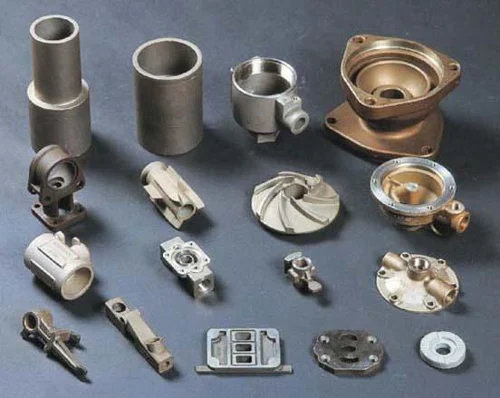
In industries where failure isn’t an option, we rely on cobalt investment castings to handle the most extreme thermal and mechanical stresses. While stainless steel has its limits, cobalt-based alloys thrive in environments that would melt or corrode lesser metals. Our custom investment casting solutions provide the near-net shape components required for these high-stakes applications.
Aerospace & Defense
The aviation sector demands materials that maintain high-temperature strength under immense pressure. We produce critical components that endure constant thermal cycling:
- Fuel Nozzles: Precise flow control in high-heat zones.
- Vanes and Stators: Directional airflow components for jet engines.
- Aerospace Turbine Blades: Withstanding extreme centrifugal forces at elevated temperatures.
Medical Technology
Biocompatibility is the primary driver here. We utilize Cobalt-chromium-molybdenum (CoCrMo) to create orthopedic medical implants that the human body won’t reject.
- Joint Replacements: Specifically knee and hip implants that require high wear resistance.
- Dental Prosthetics: Utilizing cobalt’s rigidity and corrosion resistance for long-term durability.
Energy, Oil & Gas
Subsea and downhole environments are notoriously corrosive. Cobalt alloys provide the necessary wear and corrosion resistance to prevent costly downtime in remote locations.
- Valve Seats: Maintaining a bubble-tight seal despite abrasive flow.
- Pump Sleeves: Resisting erosion in high-pressure, sand-heavy environments.
Automotive Engineering
As engines become more efficient, they run hotter. We provide cobalt components for heavy-duty and high-performance vehicles.
- Turbocharger Components: Managing exhaust heat without losing dimensional accuracy.
- Heavy-Duty Engine Valves: Ensuring longevity in high-mileage commercial trucking applications.
| Industry | Key Component | Primary Benefit |
|---|---|---|
| Aerospace | Turbine Vanes | Thermal fatigue resistance |
| Medical | Hip Implants | Biocompatibility & low wear |
| Oil & Gas | Valve Internals | Erosion & sour gas resistance |
| Automotive | Turbo Housings | Oxidation resistance at 1000°C+ |
Quality Assurance for Cobalt Investment Castings
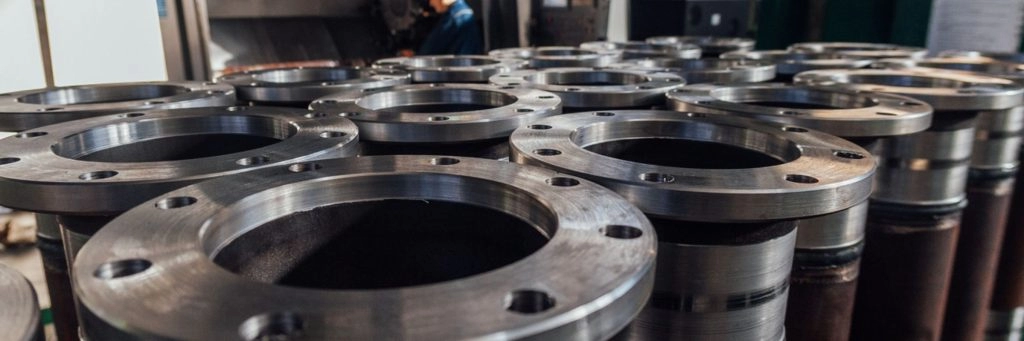
We don’t take chances with cobalt. Since these alloys are often used in mission-critical environments, our quality control process is airtight. We ensure every cobalt investment casting meets the highest industry standards for safety and performance before it ever leaves our floor.
Non-Destructive Testing (NDT)
To guarantee the internal integrity of your parts without damaging them, we utilize rigorous NDT methods:
- X-ray Inspection: We look deep inside the metal to identify any internal gas porosity or shrink voids.
- Dye Penetrant Inspection: This is essential for finding tiny surface cracks or discontinuities invisible to the naked eye.
- Magnetic Particle Inspection: Used to ensure the surface and near-surface areas are completely defect-free.
ISO 9001 and AMS Specifications
Compliance is our baseline. Our facility is ISO 9001 certified, ensuring that our production of cobalt alloy castings follows a strict quality management system. We strictly adhere to ASTM and AMS material specifications (such as AMS 5387 and AMS 5385) to ensure the chemistry and mechanical properties are exactly what your project requires. Understanding how accurate is CNC milling is a key part of how we maintain tighter tolerances during the final finishing stages of these hard alloys.
Traceability and Material Purity
At MS Machining, we maintain 100% traceability. From the raw cobalt ingot to the final shipped part, we document every step of the process. This commitment to material purity gives our customers in the aerospace and medical sectors total peace of mind regarding the chemistry of their components. We also provide a comprehensive cnc precision machined parts guide to help you understand how these high-performance castings integrate with your final assembly requirements.
Future Trends: Cobalt Supply and Sustainability in 2026
The Rise of Secondary Cobalt in the Supply Chain
We are moving toward a more sustainable future by prioritizing secondary (recycled) cobalt within our supply chain. In 2026, the focus is on a circular economy that stabilizes costs and ensures a steady flow of raw materials. By reclaiming high-value scrap, we produce cobalt investment castings that meet strict industry standards without the environmental or geopolitical baggage of primary mining. This shift guarantees that our customers receive consistent, high-purity alloys even as global demand for high-temperature strength materials spikes.
Digital Twin Technology in Cobalt Casting
To further boost efficiency, we’ve integrated digital twin technology into our manufacturing process. This allows us to virtually simulate the entire lost wax casting process, predicting how molten metal will flow and solidify within complex molds.
- Reduced Waste: We identify potential defects like porosity or shrinkage before pouring a single ounce of metal.
- Optimized Precision: Digital twins help us achieve near-net shape components, minimizing the need for heavy post-processing.
- Sustainability: Less trial-and-error means less energy consumption and less material scrap.
By perfecting the mold design digitally, we ensure that the final product requires minimal intervention from precision CNC machining tools to reach its final dimensions. This precision-first approach keeps our cobalt based investment casting operations lean, green, and highly competitive in the American market.
FAQs: Common Cobalt Investment Castings Questions
Why use the lost wax process for cobalt alloys?
Cobalt alloys are notoriously difficult to machine due to their extreme hardness. We utilize the lost wax casting process because it allows us to produce near-net shape components with intricate geometries that are nearly impossible to create through traditional milling. This process significantly reduces material waste and minimizes the need for expensive post-process finishing.
How do cobalt alloys handle oxidation at 1000°C+?
Our cobalt investment castings excel in extreme heat where other metals fail. When exposed to temperatures surpassing 1000°C, these alloys form a tight, protective passivating oxide film. This layer prevents further oxygen penetration, ensuring the structural integrity and oxidation resistance at 1000°C+ remains consistent over long duty cycles.
What is the typical surface finish for a cobalt casting?
Precision is our baseline. You can expect a standard surface finish of RMS 120 or better directly from the casting process. For critical components like specialized valve bodies used in high-pressure environments, this smooth finish ensures better seal integrity and flow efficiency with minimal secondary polishing.
Can cobalt castings replace hardened stainless steel in high-wear parts?
Yes, and they often should. While hardened stainless steel is a solid choice, cobalt based investment casting provides vastly superior wear and corrosion resistance in metal-on-metal industrial applications.
- Superior Hardness: Maintains Rockwell C values even at red heat.
- Galling Resistance: Naturally resists seizing during high-friction contact.
- Longevity: Lasts significantly longer in abrasive or corrosive subsea and chemical environments.
Key Performance Benchmarks
| Feature | Standard Cobalt Casting Capability |
|---|---|
| Dimensional Accuracy | High precision near-net shapes |
| Thermal Fatigue Resistance | Exceptional in cycling environments |
| Standard Adherence | Fully compliant with AMS 5387 / AMS 5385 |
| Fluidity | Excellent molten metal fluidity for thin-wall sections |