
If precision and efficiency drive your fabrication work, understanding the power of a CNC tubing bender is a game-changer. Whether you’re manufacturing complex automotive parts, aerospace components, or custom HVAC systems, a CNC tube bender delivers unmatched accuracy and repeatability that manual methods simply can’t match. In this guide, you’ll discover how these advanced machines revolutionize tube bending—boosting productivity, minimizing waste, and adapting to diverse materials and shapes. Ready to make smarter, faster decisions for your production process? Let’s dive into the ultimate resource for mastering CNC tubing benders in 2026.
Understanding CNC Tube Bending Technology
Ever wondered how CNC tubing benders deliver precision bends on steel, aluminum, or stainless tubing? It all comes down to advanced technology paired with smart design. These machines use computerized control to automate complex bending tasks, producing consistent and accurate results every time.
How CNC Tubing Benders Work
Most CNC tube bending machines rely on a few core methods and systems:
- Rotary Draw Bending: The most common technique where a rotating bend die pulls the tube around a fixed radius, creating precise bends without damaging the tube.
- Mandrel Support: A mandrel inserted inside the tube prevents crimping, wrinkling, or collapsing — especially critical for tight-radius bends or thin-walled tubing.
- Multi-Axis Control: CNC machines manage several bending axes (rotation, feeding, pressure) to form complex 3D shapes with tight tolerances.
Core Components Explained
Here’s a quick look at the key parts that power a CNC tube bender machine:
| Component | Role |
|---|---|
| Bend Head | Holds the dies and executes the bend motion |
| Boost Systems | Apply pressure to reduce tube deformation |
| Controls | CNC interface for programming bends |
| Tooling | Dies and mandrels customized per tube specs |
Electric, Hydraulic, or Hybrid? Choosing the Right Model
Understanding the types of CNC tubing benders is vital before you buy:
| Type | Pros | Cons | Ideal Use |
|---|---|---|---|
| Electric | Quiet, energy-efficient, precise | Higher upfront cost | High-precision jobs, smaller volumes |
| Hydraulic | Powerful, cost-effective | Noisier, requires more maintenance | Heavy-duty bending, larger tubes |
| Hybrid | Combines electric precision with hydraulic power | More complex system | Versatile production demands |
Each model suits different needs, but the trend in the US market is shifting toward electric CNC benders for their clean operation and precision.
Getting familiar with these technologies helps you choose the right CNC tube bender machine that fits your production goals. Whether it’s for automotive parts, aerospace tubing, or HVAC systems, understanding how these systems function makes a big difference. If you’re aiming for accuracy and efficiency, knowing your bend methods and machine types is step one toward success.
Types of CNC Tubing Benders
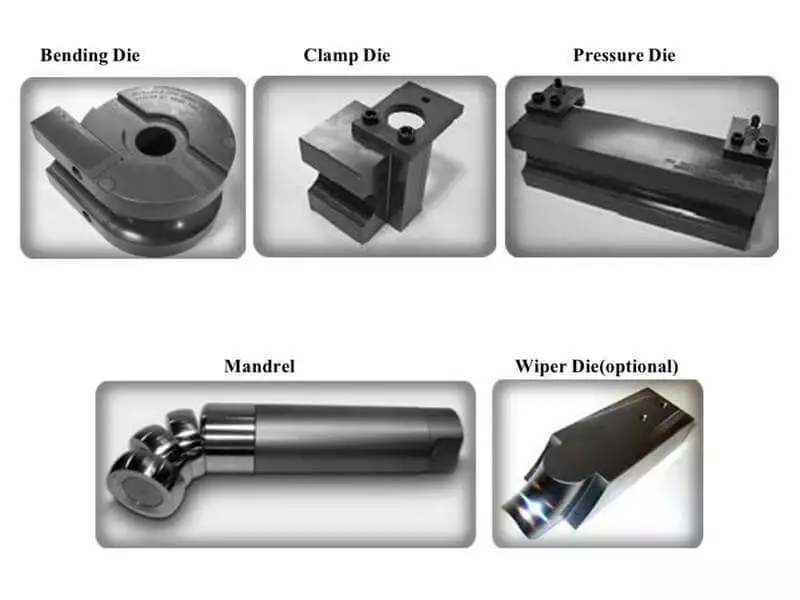
When choosing a CNC tubing bender, understanding the different machine types is crucial. Here’s a quick rundown of the common options:
Single-Stack vs. Multi-Stack Machines
Single-stack CNC tube benders handle one bend at a time, making them ideal for simpler jobs or smaller production runs. Multi-stack machines, on the other hand, feature multiple bending heads stacked vertically or horizontally, enabling simultaneous bends for complex parts or higher throughput.
Mandrel vs. Non-Mandrel Bending
Mandrel tube bending uses an internal support mandrel to prevent crushing and wrinkling during tight bends, perfect for thin-walled or high-precision tubing like stainless steel or aluminum. Non-mandrel bending works well on thicker, more rigid tubes but might compromise on bend quality for delicate materials.
Vector and Rotary Draw Bending
Vector CNC tube benders offer multi-axis control, allowing the production of complex 3D shapes with tight bends and precise angles. Rotary draw bending is the go-to method for standard bends with reliable accuracy, often paired with mandrel tools for optimal results.
Right-Hand, Left-Hand, and Twin-Head Configurations
Different bending needs call for specific machine layouts. Right-hand and left-hand benders optimize workflow based on part orientation, while twin-head CNC tubing benders can perform two bends in one setup, cutting cycle times dramatically.
Integrated Solutions: CNC Tube Bender with Laser Cutter or End-Forming
For advanced tube fabrication, integrated systems combining CNC tube benders with laser cutters or end-forming tools offer a full-service approach. This automation reduces handling, improves accuracy, and boosts overall productivity.
Choosing the right type depends on your production volume, tubing specifications, and part complexity. If you want to explore precision tube bender machines designed for various applications, including automated tube bending and CNC mandrel benders, checking out products tailored for your industry can make a significant difference in quality and efficiency. For related insights on high-precision steel parts manufacturing, our steel CNC machining services provide a closer look at compatible production workflows.
Key Specifications to Evaluate in a CNC Tubing Bender
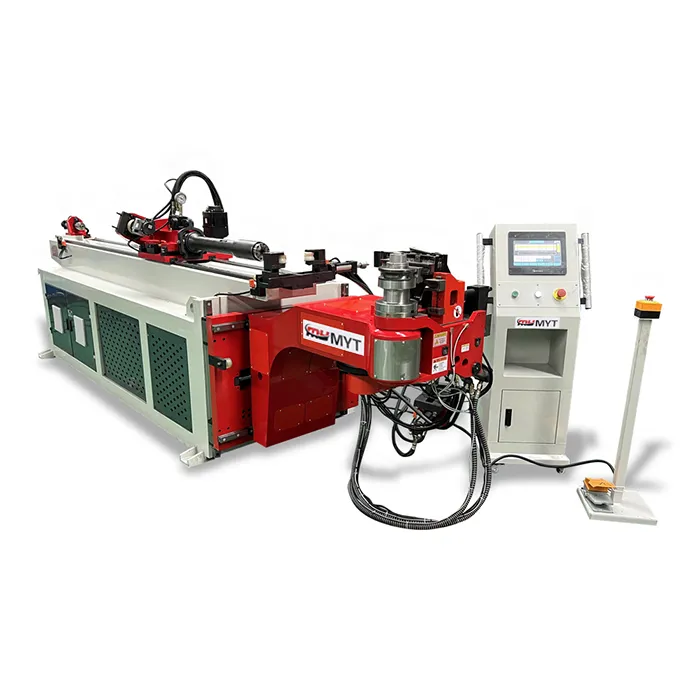
When choosing a CNC tubing bender, knowing the right specs is crucial for matching the machine to your production needs. Here’s what to look out for:
| Specification | What to Consider |
|---|---|
| Tube Diameter Capacity | Max size of tubing the bender can handle (e.g., 1/8″ to 4″+) |
| Wall Thickness | Ability to bend varying tube thicknesses without damage |
| Material Compatibility | Supports steel, aluminum, stainless steel, titanium, and more |
| Bend Radius | Minimum radius to avoid tubes kinking or deforming |
| Angle Accuracy | Precision of bend angles, vital for tight tolerances |
| Springback Compensation | CNC control to adjust for tube’s material springback after bending |
| Axis Count | Number of moving axes (multi-axis CNC benders offer complex shapes) |
| Automation Features | Includes boost bending technology, carriage positioning, and more |
| Cycle Times | How fast the machine completes each bend—impacts productivity |
| Energy Efficiency | Electric vs. hydraulic impact on energy use and maintenance costs |
| Industry 4.0 Integration | Smart factory-ready features like remote monitoring and predictive maintenance |
Why These Matter:
- Tube diameter, wall thickness, and material define what parts you can fabricate. A versatile CNC tube bender machine handles various metals and thicknesses without compromising quality.
- Bend radius and angle accuracy ensure consistent, precise shapes—crucial in automotive and aerospace tubing applications.
- Springback compensation reduces scrap and rework by adjusting bends for material memory.
- Axis count and automation help create complex 3D bends using rotary draw bending or mandrel bending techniques.
- Fast cycle times and good energy efficiency boost overall productivity and reduce operational costs.
- Industry 4.0 features bring benefits like machine analytics that improve uptime and quality control.
For manufacturers focused on aluminum, stainless steel, or precision tube fabrication, pairing your bender with electronics and tooling suited for those materials is essential. For example, integrating your CNC tubing bender with advanced cutting equipment or combining tube bending with processes like plastic injection molding can streamline production (see how plastic injection molding complements CNC machining).
Keeping these specs top-of-mind helps you find the right machine that delivers accuracy, efficiency, and flexibility for your U.S.-based tube bending projects.
Choosing the Right CNC Tubing Bender: A Buyer’s Guide
Picking the perfect CNC tubing bender starts with understanding your specific needs. Here’s a quick guide to help you get it right:
Assess Your Production Needs
- Volume: High production? You’ll want a machine built for speed and durability.
- Complexity: For intricate bends or 3D shapes, multi-axis or vector/rotary draw models are best.
- Tolerances: Tight tolerances require precision tube bender machines with smart controls and springback compensation.
Budget Considerations: Initial Cost vs. Long-Term ROI
While electric and hybrid CNC tube benders might cost more upfront, they often save you money with lower maintenance and energy efficiency. Hydraulic models are more affordable but can mean higher upkeep.
| Feature | Electric CNC Bender | Hydraulic CNC Bender | Hybrid CNC Bender |
|---|---|---|---|
| Initial Cost | High | Moderate | Moderate to High |
| Maintenance Cost | Low | Higher | Moderate |
| Energy Efficiency | Excellent | Moderate | Good |
| Precision | Very High | High | High |
| Suitable for Complex Bends | Yes | Limited | Yes |
Top Features for Productivity and Waste Reduction
- Automation: Features like boost bending and automated carriage positioning optimize cycle times.
- Tooling Flexibility: A good tooling setup reduces downtime for changeovers.
- Software Integration: Easy programming and nesting improves productivity and minimizes scrap.
Common Mistakes to Avoid When Selecting a Machine
- Underestimating future production needs, leading to outgrowing the machine quickly.
- Ignoring energy consumption costs that add up over time.
- Overlooking support for specific materials like stainless steel or titanium.
- Not factoring in integration with other equipment, for example, combining your tube bender with a laser cutter for streamlined operations.
Why Partner with Experienced Providers Like MS Machining
Working with a trusted provider such as MS Machining guarantees custom solutions tailored to your workflow and product specs. Their expertise in CNC tube benders and advanced tube fabrication equipment ensures you get the right machine for steel, aluminum, or stainless projects. Plus, MS Machining offers options like a tube bender with laser cutter for seamless process integration. Check out their specialized laser cutting machines to explore how adding capabilities can boost your shop’s productivity.
Choosing wisely upfront saves you headaches down the road and keeps your production efficient and cost-effective.
Advantages of CNC Tubing Benders Over Traditional Methods
CNC tubing benders offer superior precision compared to manual or conventional bending methods. This accuracy means less scrap material, saving costs and reducing waste during production. Whether you’re working with stainless steel, aluminum, or titanium, a precision tube bender ensures every bend hits exact specifications, which is crucial for industries like automotive, aerospace, and HVAC.
Setup times are also much faster with CNC tube bender machines. Automated controls and repeatable programs enable quick changeovers between different tube sizes and shapes, helping you meet tight deadlines and boost production runs without sacrificing quality.
From a safety perspective, CNC benders lower the risk of operator injury. Automation reduces manual handling, and consistent, controlled bending lessens equipment wear and tear, enhancing overall workplace safety and efficiency.
Real-world applications highlight these advantages clearly:
- Automotive manufacturers rely on CNC mandrel benders to produce precise exhaust and frame components.
- Aerospace companies use multi-axis CNC tubing benders for complex 3D shapes critical to aircraft structural parts.
- HVAC contractors benefit from faster, more consistent pipe bending with less rework.
For custom projects that demand high-precision tube fabrication, partnering with experienced providers like MS Machining, known for their stainless steel CNC machining services, can help streamline your tube bending and fabrication needs.
Maintenance, Operation, and Best Practices for CNC Tubing Benders

Keeping your CNC tubing bender running smoothly means consistent maintenance and smart operation. Here are some best practices to maximize performance and lifespan:
Daily Maintenance for Longevity
- Clean the machine daily to remove dust, metal shavings, and lubricant residues.
- Check hydraulic fluids or oil levels regularly on hydraulic and hybrid tube bender models.
- Inspect tooling like mandrels, dies, and bend heads for wear or damage.
- Tighten bolts and fasteners to prevent loosening during operation.
Programming Tips and Software Integration
- Use the latest multi-axis CNC bender control software to minimize errors.
- Program bend sequences carefully to reduce repositioning and scrap.
- Take advantage of automation features, such as boost bending and carriage positioning, for efficiency.
- Integrate with shop-floor management or Industry 4.0 systems for real-time monitoring and diagnostics.
Tooling Selection and Lubrication
- Match tooling to the specific tube diameter and wall thickness for best results.
- Use mandrel tube bending tooling when bending thin-walled or delicate materials to prevent collapse.
- Apply proper lubrication to mandrels and dies to reduce friction and avoid tube wrinkling or scoring.
Troubleshooting Common Issues
- Wrinkling often results from insufficient mandrel support or lubrication—check tooling alignment and increase lubricant.
- Ovality (tube deformation) can happen if bend speed is too high or tooling is worn; slow the bend and replace worn parts.
- Monitor springback closely and adjust programming to compensate.
For detailed insights into related CNC machining parts and tooling, consider reviewing MS Machining’s expertise in manufacture hardened steel machining parts, which complements tube bender setups with precision component production.
Following these maintenance and operation guidelines will keep your CNC tube bender machine reliable, precise, and ready for high-volume production.
Future Trends in CNC Tube Bending
The future of CNC tubing bender technology is shaping up around smarter, faster, and greener solutions. One major trend is the rise of all-electric tube benders, which offer cleaner, quieter, and more energy-efficient operation compared to traditional hydraulic systems. These machines deliver precise control without the mess of hydraulic fluid, making them a sustainable choice for U.S. manufacturers focused on reducing their environmental footprint.
Smart manufacturing is also gaining ground. Advanced CNC bender machines now incorporate AI-driven compensation systems that adjust bend parameters in real time to counteract springback and material inconsistencies. This means less scrap and tighter tolerances. Predictive maintenance using sensors and cloud data helps identify potential issues before they cause downtime, boosting production reliability.
Additionally, you’ll see more hybrid CNC tube bender solutions that combine bending with cutting or end-forming in one integrated machine. These multifunctional setups cut cycle times and reduce handling, making them ideal for high-volume, complex tube fabrication projects. Whether you’re bending stainless steel or aluminum tubes, these advancements drive efficiency and flexibility in tube bending services.
For more about innovative materials and machining techniques that pair well with advanced CNC bending, check out our guide on machined metal parts and materials.
Staying ahead means investing in these future-ready CNC tubing benders built for precision, speed, and sustainability in today’s competitive U.S. market.