
You might think the most important number on a spreadsheet is the bottom-line price.
But in the world of precision manufacturing, that number is often a trap.
Here is the reality: The CNC quote represents only 30% of the equation.
The remaining 70%—the “invisible” factors like proactive Design for Manufacturing (DFM), quality consistency, and supply chain risk mitigation—is what actually determines if your product launches on time or fails in inspection.
Chasing the lowest bid usually leads to the highest Total Cost of Ownership (TCO).
In this guide, we are going to look past the sticker price. You will learn exactly how to vet a strategic sourcing partner who saves you money after the PO is signed, ensuring reliability when it matters most.
Let’s get to the truth about machining costs.
The Sticker Price Trap: Why Low Bids Cost You More
Ever stared at a spreadsheet of bids and wondered why one shop is 40% cheaper than the rest? It feels like an immediate win for the budget, but deep down, you know the risk. In the world of precision manufacturing, the price tag is often a liar. If you are solely focused on the bottom line of a purchase order, you are likely walking into a financial trap.
Understanding the 30/70 Rule: Quote Price vs. Real Cost
Here is the reality that veteran buyers know but rarely talk about: Only 30% Is About the CNC Quote. The number on that PDF is just the tip of the iceberg. The remaining 70% represents the real cost—or value—lurking beneath the surface.
When we talk about Total Cost of Ownership (TCO) in manufacturing, we aren’t just talking about the raw material and machine time. We are talking about the invisible expenses that explode when things go wrong. If you hire a CNC machining supplier based strictly on the lowest bid, you are ignoring the operational reality of getting a product to market.
The breakdown usually looks like this:
- 30% (Visible): The initial quote, material costs, and shipping estimates.
- 70% (Hidden): Quality assurance, communication overhead, risk of failure, and long-term reliability.
The High Cost of Failure: Missed Deadlines and Bad Parts
Cheap shops cut corners. It’s that simple. To offer rock-bottom prices, they often sacrifice machining process control or skip vital quality checks. The dilemma of cost vs quality CNC machining becomes painfully obvious when a shipment arrives late or, worse, out of spec.
When a supplier fails, the “savings” from that low quote vanish instantly. You are suddenly hit with hidden machining costs that destroy your margins:
- Production Line Stoppages: Waiting for replacement parts costs thousands of dollars per hour.
- Internal Engineering Drain: Your best engineers spend hours troubleshooting supplier mistakes instead of designing new products.
- Reputation Damage: If you miss your delivery window to your customer because your machine shop ghosted you, that relationship is tarnished forever.
Shifting From Transactional Buying to Strategic Sourcing
We need to stop treating custom mechanical parts like commodities. Buying a complex 5-axis aerospace component isn’t like buying office supplies. It requires a shift from transactional buying—where the goal is the cheapest widget—to finding strategic sourcing partners.
A transactional vendor wants to get the PO, cut the metal, and invoice you. A strategic partner looks at the big picture. They invest in manufacturing quality assurance protocols to ensure that the parts work the first time. They ask questions about the application to prevent failures before they happen.
Why pay for value?
- Reliability: You sleep better knowing the parts will arrive on time.
- Consistency: The 100th part measures the same as the 1st part.
- Scalability: They can handle your growth without breaking their supply chain.
Ultimately, the goal isn’t just to buy parts; it’s to secure a supply chain that works. Don’t let the sticker price fool you into compromising your product’s integrity.
The Invisible 70%: Value Drivers That Actually Matter
If the quote price is the tip of the iceberg, the operational value is the massive chunk of ice underneath that sinks ships—or supports them. Experienced buyers know that the “invisible” 70% of a supplier relationship is where profit margins are actually protected. This isn’t about what we promise on a PDF; it’s about how we execute on the shop floor every single day.
Factor 1: Proactive Design for Manufacturing (DFM) support
A transactional shop just quotes the print, even if the features are impossible or unnecessarily expensive. A strategic partner offers detailed Design for Manufacturing (DFM) feedback before a single tool touches the metal.
We don’t just look at geometry; we look at manufacturability. If a radius is too tight for standard tooling or a tolerance is tighter than the function requires, we flag it. This proactive approach prevents the dreaded “engineering hold” mid-production.
- Cost Reduction: Suggesting material alternatives or feature simplifications.
- Risk Mitigation: Identifying thin walls that might chatter or warp.
- Speed: Eliminating custom tooling requirements by standardizing features.
Factor 2: Process control and quality consistency beyond the CMM
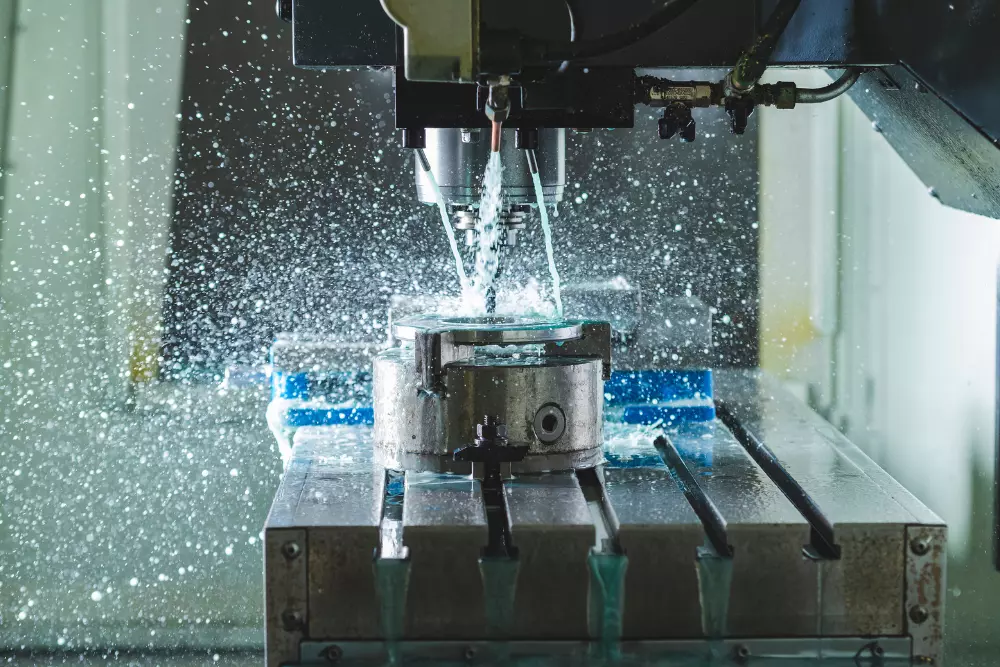
Checking a part at the end of the line is necessary, but relying solely on final inspection is a recipe for disaster. True reliability comes from machining process control happening in real-time. This means monitoring tool wear, coolant concentration, and thermal expansion during the run, not just after.
We focus on manufacturing quality assurance protocols that ensure the 100th part is identical to the first. This involves deep expertise in metrology and precision guides to validate that our in-process checks correlate perfectly with final requirements. If a shop waits until the batch is finished to find a problem, they’ve already wasted your lead time.
Factor 3: Communication loops and crisis management strategies
In manufacturing, things happen. Tools break, raw material shipments get delayed, and specs change. The difference between a good CNC machining supplier and a bad one is how they handle the bad news.
We prioritize transparent supplier communication manufacturing loops. If there is a delay, you shouldn’t have to chase us for an update. We believe in:
- Early Warning Systems: Notifying you immediately if a timeline is at risk.
- Solutions, Not Just Problems: presenting a recovery plan (like running lights-out over the weekend) alongside the issue.
- Traceability: Keeping clear records so we know exactly where your parts are in the workflow.
Assessing Technical Capability and Scalability
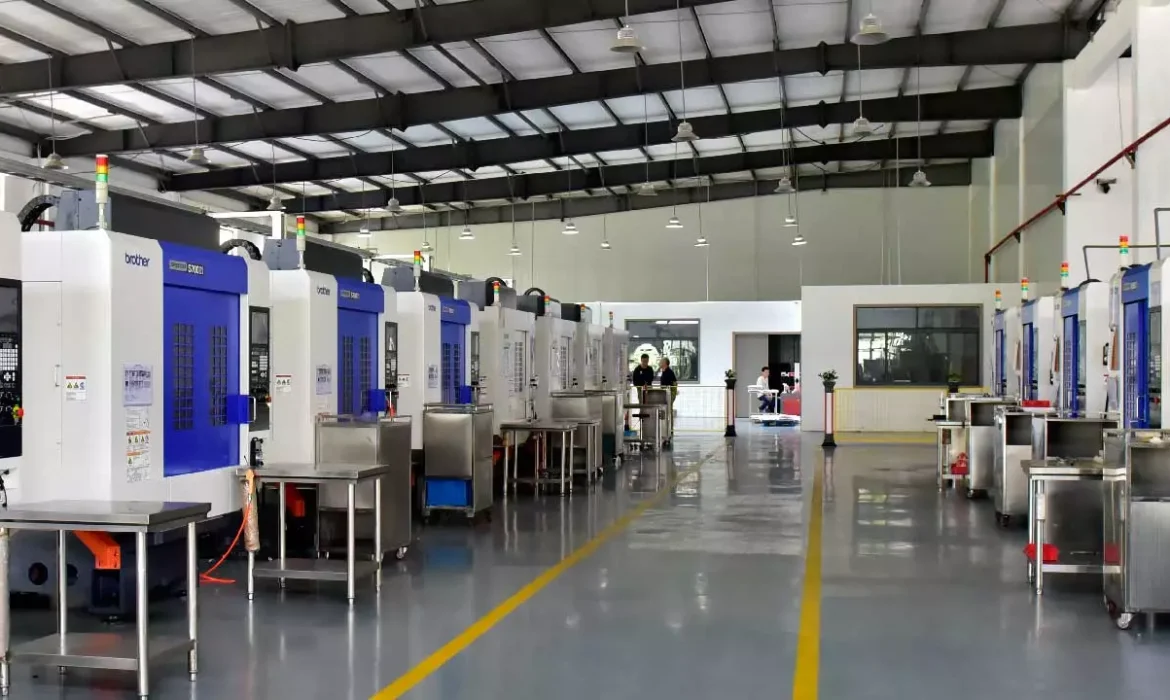
When I vet a CNC machining supplier, I look past the sales pitch and straight at the shop floor. A low quote implies they want the job, but their equipment list tells me if they can actually do the job. You need to verify that the partner has the technical muscle to hit precision machining tolerance capabilities consistently, not just on a good day.
Evaluating Equipment Portfolio
Not all spindles are created equal. If a shop relies solely on legacy 3-axis machines for complex parts, you are paying for multiple setups and increased error risk. I look for a mix of technology that matches the complexity of the parts:
- 3-Axis Mills: Great for simple, flat features and keeping costs down on less complex orders.
- 5-Axis Centers: Essential for complex geometries. They reduce handling time and improve accuracy by machining five sides in a single setup.
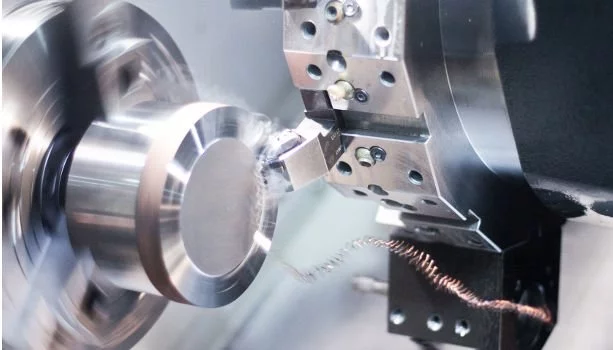
- Turn-Mill Centers: These combine turning and milling, allowing for complete part production in one go.
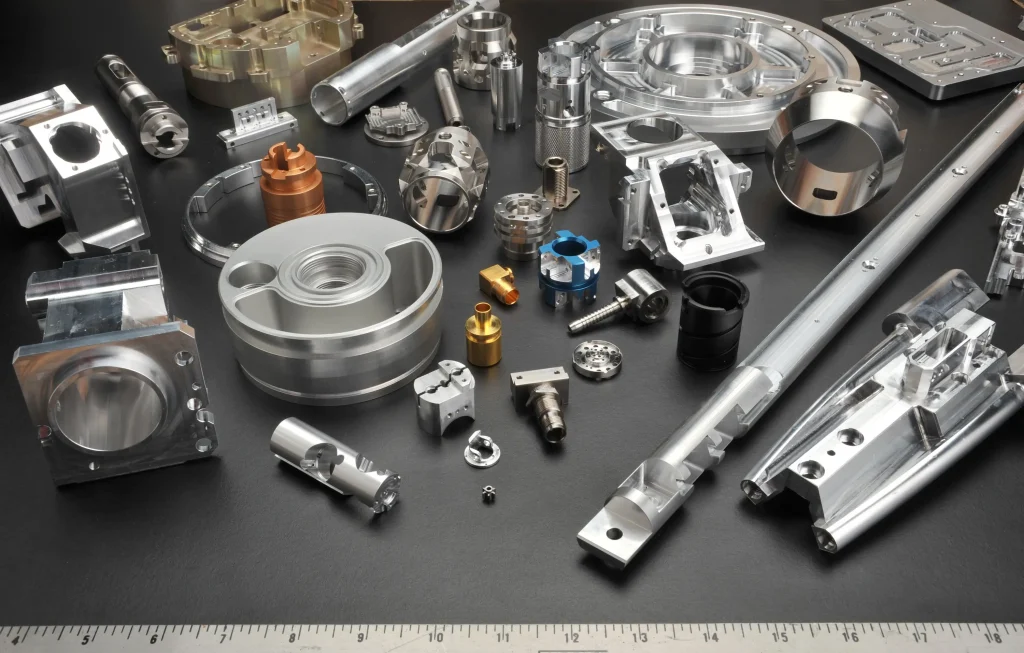
If your project involves intricate, tiny components, general equipment won’t cut it. You need a partner with specialized micro machining CNC services to handle features that are often invisible to the naked eye.
Capacity Planning: From Prototype to Production
A common bottleneck happens when a shop creates a perfect prototype but fails to scale. I always ask how they handle the transition from low-volume vs high-volume production.
A strategic partner should have a clear plan for production ramp-ups without causing delays. This means they aren’t maxing out their machine utilization at 100% all the time; they keep buffer capacity for urgent scalability.
Key Capacity Questions:
- Do they have redundant machines to handle downtime?
- Is there an automated pallet system for lights-out manufacturing?
- Can they source raw materials, like specific aluminum CNC machining parts grades, in bulk quickly?
Supply Chain Resilience
Machining is rarely the final step. The “invisible” 70% of delays often come from secondary processes like anodizing, heat treating, or plating. Supply chain risk mitigation involves vetting the shop’s external network. I ensure the machinist takes full responsibility for these steps rather than passing the buck to a third-party vendor I didn’t hire.
Equipment & Capability Checklist
| Feature | Why It Matters |
|---|---|
| Multi-axis machining capabilities | Reduces setup times and improves geometric dimensioning and tolerancing (GD&T). |
| In-process Probing | Verifies part quality while still on the machine, catching errors early. |
| Vetted Finishing Network | Ensures surface treatments (anodizing, powder coat) meet spec without logistical nightmares. |
| Scalable Workforce | Skilled operators available to run extra shifts during demand spikes. |
Calculating Total Cost of Ownership (TCO)

When I evaluate a manufacturing partner, I never stop at the unit price listed on the PDF. The sticker price is often just the tip of the iceberg. To protect profit margins, we have to look at Total Cost of Ownership (TCO) in manufacturing. This metric reveals the true financial impact of a supplier on your business, accounting for every dollar spent from the moment the order is placed until the final product is functioning in the field.
Visible Costs vs. Hidden Costs
The visible costs are easy: material, machining time, and setup fees. These are the numbers procurement teams love to crunch. However, hidden machining costs are where projects bleed money. If a supplier quotes 20% lower but delivers a 5% rejection rate, the math changes instantly.
Understanding the intricacies of what is CNC precision machining helps clarify why cutting corners on the initial bid often leads to expensive failures down the line. Real costs accumulate through:
- Scrap and Rework: Paying for parts you can’t use or paying your own team to fix them.
- Expedited Shipping: The premium cost of air freight to make up for a supplier’s production delay.
- Line Down Charges: The massive cost of halting your assembly line because a 50-cent bracket is missing.
The Impact of Internal Engineering Time
One of the most overlooked expenses is the drain on your internal resources. If my engineering team has to spend ten hours a week clarifying drawings, answering basic questions, or troubleshooting fitment issues because the shop lacks process control, that is a direct financial loss.
Time spent babysitting a vendor is time taken away from R&D and innovation. A cheap quote becomes expensive the moment your highly paid engineers have to step in to manage the supplier’s quality assurance for them.
Balancing Initial Quotes with Guaranteed Quality
There is a constant tension in cost vs quality CNC machining. The goal isn’t to find the most expensive shop, but to find the one where the price includes peace of mind. I view a slightly higher initial quote as an insurance policy against failure.
When you prioritize CNC supplier relationship management over the lowest bid, you are paying for:
- Consistent on-time delivery (OTD) rates.
- Guaranteed material certification and traceability.
- Stability in your supply chain.
Ultimately, the most expensive part you will ever buy is the cheap one that fails. Balancing the quote against the reality of production ensures long-term savings and protects your brand’s reputation.
Red Flags and Green Lights: A Buyer’s Vetting Checklist
Finding the right CNC machining supplier requires looking past the marketing fluff and analyzing how they handle the quoting process. Through years of sourcing, I’ve learned that how a shop behaves before they get the order tells you exactly how they will perform after they get it. You need a partner, not just a vendor, and spotting the difference early saves massive headaches down the road.
Warning Signs: Fast Quotes and Silence
If you submit a complex drawing with tight tolerances and get a quote back in twenty minutes with zero questions, that is a major red flag. It usually means an automated algorithm crunched the numbers without a human engineer reviewing the GD&T.
- The “Yes” Men: Shops that agree to everything without clarification often miss critical details.
- Vague Lead Times: Be wary of estimates like “3 to 5 weeks.” This usually indicates they don’t have real-time visibility into their capacity or machining process control.
- No Material Questions: If they don’t ask about material certification requirements or specific alloy grades, you are risking non-compliance.
Positive Indicators: Detailed DFM Feedback
The best sign of a healthy CNC supplier relationship management strategy is pushback. You want a shop that challenges your design to make it better. Design for Manufacturing (DFM) feedback is the single most valuable thing a supplier can offer during the quote phase.
Look for partners who ask:
- “Can we increase this corner radius to reduce tool changes?”
- “Is this surface finish critical for the application, or can we leave it as-milled?”
- “What is the mating part for this feature?”
These questions show they are thinking about the manufacturing reality, not just the price tag. When you are sourcing high-precision custom CNC machining, this level of technical engagement is the difference between a functional part and expensive scrap.
Verifying Transparency: Equipment and Certifications
Trust is good, but verification is better. A legitimate partner will be transparent about their capabilities. They should readily provide a detailed equipment list so you can verify they have the 5-axis or turn-mill centers required for your parts, rather than brokering the work to a third party.
Always verify they are an ISO 9001 certified machine shop. This isn’t just a badge; it proves they have documented manufacturing quality assurance protocols in place. Ask to see a sample inspection report or a material cert from a previous job. If they hesitate to share this info, move on.
FAQ: Common Questions About Choosing CNC Partners
How much can DFM support really save on a project?
Real Design for Manufacturing (DFM) feedback often reduces unit costs by 15% to 30%. It isn’t just about finding the cheapest material; it’s about optimizing geometry. I’ve seen projects where slight adjustments to corner radii or hole depths allowed for standard tooling instead of custom cutters, slashing cycle times drastically. By collaborating early, you avoid paying for high-precision CNC machining parts that are over-engineered for their actual application, ensuring you only pay for the precision you actually need.
Why is the cheapest CNC quote often the most dangerous?
A quote that sits significantly below the market average is usually a red flag for hidden machining costs. These “low-ball” bids often exclude critical elements like tooling fees, shipping, or necessary material traceability and certification. Worse, the supplier might be cutting corners on manufacturing quality assurance protocols, leading to parts that fail inspection. The initial savings vanish the moment you have to expedite a replacement run because the first batch was non-conforming.
How do I verify a machine shop’s quality claims before ordering?
Don’t rely on the website copy; ask for the documentation. A reliable ISO 9001 certified machine shop will readily provide their quality manual and equipment list upon request. Ask specific questions about their machining process control:
- Inspection Reports: Do they provide AS9102 First Article Inspection (FAI) reports?
- Equipment: Do they own CMMs (Coordinate Measuring Machines) and are they calibrated regularly?
- Traceability: Can they track a part back to the raw material heat lot?
What are the signs of a reliable supply chain partner?
A strategic partner does more than just cut metal; they handle supply chain risk mitigation. Look for a shop that manages the entire workflow, including surface finishing logistics (anodizing, plating) and heat treatment, so you aren’t juggling multiple vendors. High On-time delivery (OTD) rates and transparent communication regarding lead times are the strongest indicators that a supplier values a long-term CNC supplier relationship over a quick transactional profit.