
Bronze Alloys Most Commonly CNC Machined
When it comes to CNC machining bronze, several alloys stand out for their unique properties and applications. Here’s a quick overview of the most common types:
Aluminum Bronze (C95400, C95500, C63000)
- Strength: High tensile strength, outperforming many other bronzes.
- Corrosion resistance: Excellent resistance to seawater and harsh environments.
- Typical uses: Marine hardware, valve components, and heavy-duty bushings.
Bearing Bronze (C93200 / SAE 660)
- Self-lubricating: Contains lead for built-in lubrication, reducing wear.
- Classic choice: Highly prized for bearings and wear plates.
- Machinability: Moderate; can be tricky but produces durable parts.
Phosphor Bronze (C54400, C51000)
- Springs & contacts: Great elasticity and fatigue resistance.
- Electrical applications: Superb conductivity and corrosion resistance.
- Common in: Electrical connectors, springs, and precision components.
Silicon Bronze (C65500)
- Weldability: Excellent weldability without sacrificing strength.
- Look and feel: Attractive, smooth finish ideal for decorative and architectural parts.
- Used for: Sculpture, marine fittings, and artistic applications.
Quick Comparison Table
| Alloy | Tensile Strength (ksi) | Machinability Rating* | Typical Applications |
|---|---|---|---|
| Aluminum Bronze | 65–85 | 50 | Marine parts, bushings, valves |
| Bearing Bronze | 50–60 | 40 | Bearings, wear plates |
| Phosphor Bronze | 45–70 | 60 | Springs, electrical contacts |
| Silicon Bronze | 50–70 | 55 | Welding parts, decorative items |
*Machinability Rating (B1112 Steel = 100%)
This table helps guide your choice depending on strength needs, machinability, and application. Each bronze alloy offers a unique balance between ease of machining and final part performance.
Machinability of Bronze vs Aluminum, Brass, and Steel
When it comes to CNC machining bronze, it sits in an interesting spot compared to aluminum, brass, and steel. Official machinability ratings use B1112 steel as the baseline at 100%. Aluminum alloys typically rate above 150%, making them the easiest to machine. Brass also machines well, usually around 100–120%, thanks to its ductility and chip control. Bronze, depending on the alloy, often ranges from 60 to 90%, meaning it’s a bit tougher to cut than brass but easier than most stainless steels, which can clock as low as 30–40%.
Bronze earns its “gummier” reputation because its slightly tougher, more adhesive chips tend to stick to cutting tools a bit more than brass. However, it’s still more forgiving than stainless steel, which forms hard, stringy chips that can quickly wear tooling and increase cycle time. This chip formation difference is key: bronze chips tend to break more often and produce less heat than steel chips, helping maintain consistent cycle times even on complex parts.
Understanding these machinability differences helps adjust speeds and feeds for bronze, often requiring slower cuts than aluminum but faster than stainless steel. Optimizing this can reduce tool wear and improve overall efficiency in CNC turning or milling applications. For detailed tips on machining bronze and similar metals, check out our guide on CNC turning and milling.
Recommended Tools, Speeds, Feeds & CNC Parameters for Bronze Machining
Choosing the right tools and parameters is key when CNC machining bronze. Here’s a quick guide to keep your production smooth and efficient.
Best Carbide Grades for Bronze
- Uncoated carbide works great for general bronze machining.
- DLC-coated (diamond-like carbon) tools help reduce built-up edge (BUE) and extend tool life, especially with aluminum bronze alloys like C95400.
- Use high-positive rake inserts when machining aluminum bronze to reduce cutting forces and improve chip flow.
| Tool Type | Bronze Alloy | Notes |
|---|---|---|
| Uncoated carbide | Phosphor & silicon bronze | General machining, good wear resistance |
| DLC-coated inserts | Aluminum bronze (C95400) | Reduces BUE, longer tool life |
| High-positive rake | Aluminum bronze | Improves chip formation, lowers heat |
Speeds & Feeds Best Practices
| Operation | Speed (SFM) | Feed (IPR) | Notes |
|---|---|---|---|
| Milling | 150-300 SFM | 0.002 – 0.010 | Use lower speeds for aluminum bronze to avoid work hardening |
| Turning | 200-400 SFM | 0.004 – 0.020 | Adjust feed to chipload; bronze chips tend to be gummy |
| Swiss Machining | 250-350 SFM | 0.001 -0.005 | Precise, fine feeds reduce thermal distortion |
These values vary by bronze alloy and machine rigidity. Always start conservatively and adjust.
Coolant Recommendations
- Flood Coolant: Best for heat control and chip evacuation during heavy cuts.
- Minimum Quantity Lubrication (MQL): Effective for light to moderate cutting; reduces fluid waste and cleanup.
- Dry Machining: Possible on some bronze grades but watch for heat buildup and BUE formation.
Choosing the right cooling method impacts surface finish and tool life directly.
For detailed guidance on machining parameters and metal selection, check our machined metal parts materials overview.
This setup helps manage bronze’s gummy nature and optimizes cycle time whether milling, turning, or Swiss machining custom bronze parts.
Design Guidelines for Bronze CNC Parts
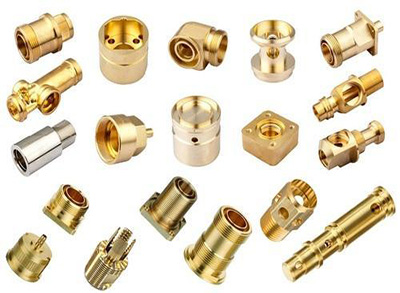
When designing bronze parts for CNC machining, keeping certain guidelines in mind can save time and cost while ensuring quality.
Minimum Wall Thickness:
Bronze alloys typically require a minimum wall thickness of about 0.040” to avoid warping or stress cracks during machining. Thinner sections can be done but might need special handling or slower feeds.
Corner Radii and Undercuts:
Sharp internal corners are tough to machine and may cause stress risers. Aim for a corner radius at least equal to your smallest tool diameter. Avoid deep undercuts unless absolutely necessary, as they add complexity and increase cycle time.
Thread Design:
Standard 60° thread forms work for most bronze parts, but some applications call for specialized bronze thread profiles to improve strength or wear resistance. Using standard threads often lowers costs and speeds up production.
Tolerance Capabilities:
- ±0.002” tolerance is easy to hold on most bronze CNC parts without driving up costs.
- Tight tolerances around ±0.0005” are achievable but add machining time and inspection effort, increasing expenses.
Balancing tight tolerances with cost and function is key. When in doubt, discussing your design with a machine shop experienced in copper alloys can help optimize manufacturability and budget.
For a deeper dive into machining parameters that affect design choices, check out our detailed guide on 4-axis CNC milling.
Surface Finishes and Post-Processing Options
As-Machined Surface Finish (Ra) by Alloy
Bronze alloys typically achieve good surface finishes right off the CNC machine, but Ra (roughness average) values vary by type:
| Alloy | Typical As-Machined Ra (µin) |
|---|---|
| Aluminum Bronze | 32 – 63 |
| Bearing Bronze | 16 – 32 |
| Phosphor Bronze | 16 – 40 |
| Silicon Bronze | 32 – 63 |
Phosphor and bearing bronzes usually produce smoother finishes, ideal for wear parts or electrical contacts. Aluminum and silicon bronze are a bit rougher but still excellent for many applications.
Common Post-Processing Methods
- Bead Blasting: Lightly roughens the surface to remove tool marks and improve paint or coating adhesion.
- Tumbling: Polishes and deburrs parts, enhancing smoothness and removing sharp edges.
- Electropolishing: Electrically removes surface layer for improved corrosion resistance and a bright, clean finish.
- Passivation: Chemical treatment that boosts corrosion resistance, often used for marine bronze parts.
Decorative Finishes for Architectural Bronze
For visible parts, especially in architecture or luxury hardware, several finishes add aesthetic value:
- Antique Finish: Adds a patina for a vintage look.
- Brushed Finish: Creates a matte texture with fine directional lines.
- Mirror Polish: High-gloss finish for premium appearance and reflectivity.
Choosing the right finish depends on the part’s function and desired look. For example, marine bronze components benefit from passivation for longevity, while switchgear parts might rely on electropolishing for better conductivity and corrosion resistance.
For detailed guidance on machining finishes and surface treatments, check out our CNC milling services for complex components to learn how post-processing fits into the full manufacturing cycle.
Cost Drivers When CNC Machining Bronze
When it comes to CNC machining bronze, the cost is shaped by a few key factors that anyone budgeting a project should understand.
Raw Material Price Fluctuation
Bronze alloys are mainly copper-based, so their price often follows trends in the global copper market. With copper prices varying on the London Metal Exchange (LME), expect raw material costs to shift in 2026–2026. This can impact your per-part price, especially in low to mid-volume runs, where material cost is a bigger chunk of expenses.
How Alloy Choice Affects Cost
Different bronze alloys have distinct machining properties and material costs. For example:
- Aluminum bronze (C95400) offers great strength but usually costs more and requires tougher tooling.
- Bearing bronze (C93200) machines easier, lowering cycle times and tool wear.
- Phosphor bronze falls somewhere in between but can bring more complexity depending on your design.
Choosing the right alloy based on your needs and machining capabilities can significantly affect your cost per part.
Quantity Breaks: Prototype vs Production
Machining bronze prototypes (1–10 pieces) generally carries a higher unit cost due to setup time, programming, and lower economies of scale. Once you hit production runs of 500 or more parts, the per-piece cost drops as tooling and setup are spread across the batch. Planning ahead to balance your prototype and production needs helps manage overall expenses.
Real-World Cost Examples (Anonymized)
- A small batch of aluminum bronze CNC bushings (C95400), machined with high-positive rake carbide tooling, can run about 3x the per-piece cost compared to a production volume order.
- Bearing bronze C93200 components showed up to 30% savings in machining time versus aluminum bronze because of better chip control and lower tooling wear.
Understanding these cost drivers will help you get accurate quotes and choose the bronze alloy that fits your engineering and budget requirements.
For further insights on machining brass and aluminum parts that relate closely to bronze, check out our detailed aluminum machining parts manufacturer guide.
Common Problems & How to Avoid Them in CNC Machining Bronze
When CNC machining bronze, some challenges come up frequently. Knowing how to handle them saves time, money, and headache.
Work Hardening and Built-Up Edge (BUE)
Bronze, especially aluminum bronze alloys like C95400, can work harden quickly if you slow down or stop cutting in one spot. This makes the material tougher and harder to machine as you go. A built-up edge (BUE) occurs when tiny chips stick to the cutting tool, dulling it and ruining part surface quality.
How to avoid:
- Use sharp, high-positive rake tools to reduce cutting forces.
- Maintain steady feed rates and avoid rubbing or stopping mid-cut.
- Use proper coolant to keep temperatures down and flush chips.
- Prefer carbide tools with DLC coatings for better wear resistance.
Galling on Sliding Surfaces
Bronze-to-bronze contact surfaces can gall or seize under sliding conditions if machining leaves rough surfaces or too much residual stress.
Prevention tips:
- Machine with smooth finishes, aiming for lower Ra values.
- Use stress-relieving heat treatments post-machining if possible.
- Avoid aggressive feeds that overheat the part.
- Incorporate lubrication grooves or coatings on wear parts.
Dimensional Drift After Machining (Stress Relief Tips)
Bronze parts can experience dimensional changes after machining due to residual stresses built up during cutting. This is especially true for thick or uneven sections.
To minimize drift:
- Plan for stress-relief annealing after rough machining but before final finishing.
- Design parts with balanced wall thickness and uniform geometry.
- Use sequence machining strategies to reduce uneven heat buildup.
- Measure critical dimensions after stress relief to verify tolerances.
Avoiding these common pitfalls helps maintain tight tolerances and smooth finishes on your CNC bronze components, cutting down scrap and rework. For expert help with alloy-specific machining challenges, our team specializes in all types of copper alloy CNC machining services and can offer tailored solutions.
Industry Applications That Demand CNC Bronze
Bronze’s unique blend of strength, corrosion resistance, and machinability makes it a top choice for demanding industries across the U.S. Here are some key applications where CNC machining bronze parts shines:
-
Marine Propellers & Fittings: Aluminum bronze alloys like C95400 are widely used for marine components due to their excellent saltwater corrosion resistance and durability under heavy loads. These parts must withstand harsh ocean conditions without degrading.
-
Oil & Gas Valve Components: High-strength bronze alloys are ideal for valves and seals in oil and gas extraction. Their toughness and resistance to wear ensure reliable operation in extreme environments.
-
High-Load Bushings and Wear Plates: Bearing bronze (C93200) is the go-to for bushings needing self-lubrication and long service life. This alloy handles heavy loads and reduces friction in industrial machinery effortlessly.
-
Electrical Connectors and Switchgear: Phosphor bronze parts offer outstanding electrical conductivity and spring properties, making them perfect for switches and connectors where performance is critical.
-
Luxury Hardware and Sculpture Reproduction: Silicon bronze (C65500) stands out for its beautiful finish and ease of welding, making it a favored material for decorative architectural hardware and high-end sculpture replicas.
For those looking to produce custom bronze parts with tight tolerances and quality finishes, partnering with specialists experienced in CNC machining of copper alloys ensures top results. To explore how precision CNC machining can meet your project’s demands, check out our detailed overview of custom CNC machining metal parts.
Why Choose MS Machining for Your Bronze CNC Projects
When it comes to CNC machining bronze, MS Machining stands out with over 15 years of experience specializing in copper alloys. We know the ins and outs of aluminum bronze C95400, bearing bronze C93200, phosphor bronze, and silicon bronze machining to deliver consistent, high-quality parts.
Our Key Advantages:
| Feature | Benefit |
|---|---|
| In-house alloy lab | Precise material testing & full traceability |
| Material traceability | Ensures consistent quality and compliance |
| ITAR, ISO 9001, AS9100 certified | Meets strict industry standards for aerospace and defense |
| Free DFM feedback within 24 hrs | Helps optimize your design early, saving time & cost |
| Detailed case studies | Proven track record with real-world projects |
Choosing us means you get expert manufacturing support for your marine bronze CNC components, oil and gas valve parts, and other demanding applications. Plus, our deep knowledge helps reduce common machining issues like built-up edge and work hardening.
For heavy copper alloy projects, including custom bronze parts, MS Machining delivers reliability, precision, and fast turnaround. If you want to understand more about precision manufacturing standards that impact CNC bronze machining, check our detailed guide on metrology and precision. For oil and gas components, we provide expert advice on flowline fittings essential to your project success.
Partner with MS Machining and experience the difference that expert knowledge, quality control, and certification bring to your CNC bronze machining projects.