
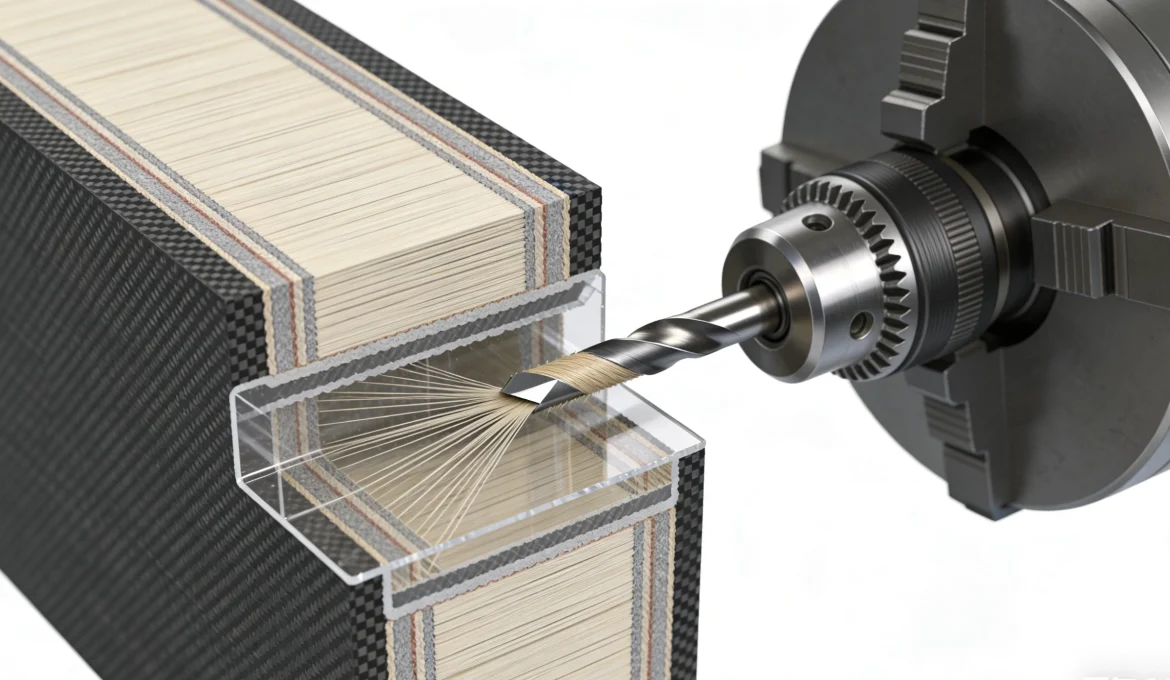
If you’re working with a CNC lathe, you already know that having the right turning tools can make or break your machining process. Choosing the best tools isn’t just about grabbing what’s available—it’s about matching carbide inserts, tool geometry, and holders perfectly to your material and cutting conditions. Whether you’re aiming for superior surface finishes, longer tool life, or faster cycle times, understanding how to select and use the right CNC lathe turning tools will change your game. In this guide, we’ll cut through the noise and give you practical, expert advice to help you optimize every part you make. Let’s get started!
Understanding CNC Lathe Turning Tools
CNC lathe turning tools are essential for shaping and cutting rotating workpieces accurately. These tools remove material through precise contact with the workpiece, creating smooth finishes or rough cuts depending on the operation.
Definition and Function
- Turning tools shear off excess material as the workpiece spins on the lathe.
- They enable cutting, facing, grooving, threading, and boring operations.
- Material removal happens by the tool’s cutting edge pressing against the rotating surface.
Key Components
| Component | Purpose |
|---|---|
| Tool Holders | Secure the tool insert firmly on the machine |
| Inserts | Replaceable cutting edges made from carbide or other materials |
| Shanks | Connect the tool holder to the lathe tool post |
| Clamping Systems | Lock inserts and holders tightly in place |
External (OD) vs. Internal (ID) Turning Tools
| Feature | External Turning Tools (OD) | Internal Turning Tools (ID) |
|---|---|---|
| Purpose | Cut outside diameters or faces of parts | Machine internal bores or cavities |
| Tool Design | Longer, stronger to withstand forces | Slimmer, designed for reach and access |
| Common Tools | Roughing, finishing, grooving, threading | Boring bars, internal threading inserts |
Understanding these basics helps select the right CNC lathe turning tools for any machining task.
Types of CNC Lathe Turning Tools
CNC lathe turning tools come in various types to handle different machining tasks efficiently. External turning tools are the most common, used for roughing and finishing the outer diameter of a workpiece. Roughing tools remove large amounts of material quickly, while finishing tools deliver the smooth surface finish required.
For internal machining, boring bars are designed to reach inside the workpiece to enlarge or finish internal diameters, including deep-hole applications where precision is critical. When it comes to cutting grooves or separating parts, grooving and parting-off tools excel by making accurate cuts to specific widths and depths.
Thread cutting requires special threading tools, available for both internal and external threads, ensuring precise pitch and profile. Facing tools are used to create flat surfaces on the end of a workpiece, an essential step to prepare parts for assembly.
There are also specialized tools such as forming tools for shaping complex profiles, knurling tools to create textured surfaces for grip, and profile tools that follow precise contours for custom designs.
Choosing the right combination of these CNC lathe turning tools depends on the part geometry and required finish. For more details on how these tools fit into production, check out our CNC precision machining services.
Turning Tool Geometries and Insert Shapes
When it comes to CNC lathe turning tools, the geometry of the inserts plays a big role in machining performance. The most common ISO insert shapes include C-shaped 80° diamonds, D-shaped 55° diamonds, V-shaped, round, and square inserts. Each shape suits different applications—from roughing to finishing—and affects how the tool engages with the workpiece.
The nose radius of the insert is crucial. A larger nose radius strengthens the tool and reduces vibration, improving surface finish, but it can increase cutting forces. Smaller nose radii are better for precision work and tight corners but may wear out faster.
Understanding rake angles matters too. Positive rake angles offer easier cutting and lower power consumption, ideal for softer materials. On the other hand, negative rake angles provide stronger cutting edges for tougher materials, though they require more cutting force. Clearance angles also ensure the insert doesn’t rub against the workpiece, preventing unwanted heat and wear.
Finally, chip breakers on inserts are essential for effective chip control. They break chips into smaller pieces, which improves safety, reduces tool damage, and enhances machining efficiency—especially when working with metals prone to long, stringy chips.
Choosing the right turning tool geometry and insert shape is key to optimizing your CNC lathe’s cutting performance and tool life. For more on matching inserts to machining operations, check out our detailed guide on CNC turning.
Materials and Coatings for Turning Tools
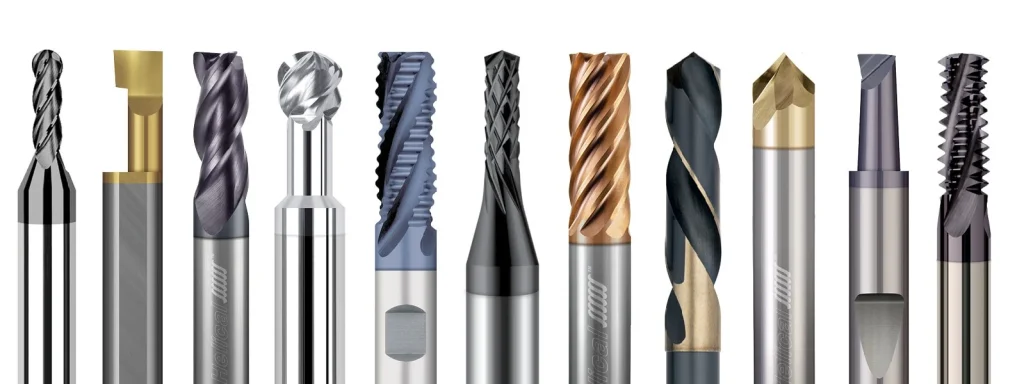
When it comes to CNC lathe turning tools, the choice of materials and coatings plays a major role in tool life and performance. Carbide inserts are the most popular option because they offer a great balance of versatility, durability, and cost-effectiveness. They work well on a variety of materials from steel to aluminum, making them a dependable choice for most turning jobs.
For some specific applications, especially where lower speeds or tight budgets are factors, high-speed steel (HSS) tools are still used. HSS is tougher and can be sharpened easily but doesn’t last as long or cut as fast as carbide.
For tougher jobs, like machining hardened steel or exotic alloys, specialized materials come into play. Cermet inserts combine ceramic and metallic properties for improved wear resistance and a better surface finish. CBN (cubic boron nitride) inserts excel in hard turning of hardened materials, while PCD (polycrystalline diamond) inserts offer superior performance for non-ferrous metals like aluminum and copper.
Modern coatings on inserts are essential to withstand heat and extend tool life. Popular coatings like TiAlN (titanium aluminum nitride) and AlTiN (aluminum titanium nitride) boost heat resistance and reduce wear, helping maintain cutting edge sharpness longer, especially under high-speed or heavy cutting conditions.
Choosing the right combination of insert material and coating helps you optimize your CNC turning tools for better productivity and less downtime, particularly when working with demanding materials or longer runs. For precision tooling and expert support in selecting the right inserts, consider checking out a trusted provider like MS Machining’s tool and die services.
Tool Holders and Clamping Systems
Tool holders are critical for holding CNC lathe turning tools securely and accurately during machining. The most common ISO-standard holder styles feature approach angles such as 93°, 95°, and 107.5°, designed to optimize cutting forces and tool life. Choosing the right holder depends on whether you’re working with external turning tools or internal tools like boring bars.
External tool holders are built to handle forces for outside diameter (OD) turning, while internal holders are specialized for internal diameter (ID) operations, ensuring rigidity in tight spaces.
Modern CNC setups often use quick-change clamping systems, which let you swap inserts or tools swiftly without losing setup accuracy. This reduces machine downtime and improves overall productivity, making them a smart choice for busy shops.
For reliable CNC lathe tool holders and streamlined turning setups, explore solutions designed for precision and efficiency to get the best from your machining operations. If you’re working on heavy or precision parts, options like the tooling used in heavy CNC machining can provide added robustness.
How to Select the Right CNC Lathe Turning Tool
Choosing the right CNC lathe turning tools starts with understanding your workpiece material. Different materials—like steel, stainless steel, or aluminum—need specific insert grades to cut efficiently and extend tool life. For example, carbide turning inserts work well for most steels and tough materials, while high-speed steel (HSS) can suit softer metals or low-volume jobs.
Next, consider the operation type: roughing or finishing. Roughing tools are built for higher material removal rates and can handle heavier depths of cut, while finishing tools focus on surface quality with lighter cuts and finer feeds. Matching these tools to the right job prevents wasted time and tool wear.
Depth of cut and machine power play key roles too. Heavy cuts require tougher tooling and powerful machines; lighter cuts can use sharper, more precise inserts. Balancing cutting parameters—feeds, speeds, and depths—optimizes both performance and tool life. Following recommended guidelines for your tool’s insert grade and the material you’re machining is crucial.
Avoid common mistakes like excessive tool overhang, which leads to chatter and poor surface finish. Keeping the tool as short and rigid as possible, with proper alignment, reduces vibration and maintains accuracy.
For detailed insights into selecting the right tools for various metals, check out our resources on machining metal parts and working with tough alloys like stainless steel for precision turning operations. These guides can help you match your CNC lathe tool holders and inserts perfectly to your material and job type.
By focusing on these factors, you’ll maximize productivity, minimize downtime, and get the best finish from your CNC lathe turning tools every time.
Best Practices for Optimal Performance
Getting the most from your CNC lathe turning tools means focusing on setup, maintenance, and troubleshooting. Here some quick tips to keep your operations smooth and efficient:
Setup Tips
- Proper tool alignment: Make sure your tool holders and inserts are perfectly aligned with the workpiece to avoid uneven cuts and tool wear.
- Minimize overhang: Keep the tool’s overhang as short as possible. Excessive overhang increases vibration, reduces accuracy, and can shorten tool life.
- Coolant application: Use the right coolant flow to keep cutting temperatures down, which extends insert life—especially important when working with tougher materials.
Maintenance
- Monitor tool wear: Regularly check carbide turning inserts for wear or chipping. Early detection helps prevent poor surface finishes and tool failure.
- Insert indexing: Make use of indexable inserts to rotate fresh cutting edges without replacing the entire tool, cutting downtime and saving cost.
- Replace on time: Don’t push inserts beyond their useful life. Replacing them promptly keeps your finishes sharp and reduces the risk of damaging the workpiece.
Troubleshooting Common Issues
- Poor surface finish? Check for misalignment, worn inserts, or improper feeds and speeds.
- Vibration or chatter? Reduce tool overhang, use tools with positive rake angles, or try anti-vibration boring bars.
- Premature tool wear? Consider adjusting cutting parameters or switching to coated carbide inserts for better heat resistance.
Following these best practices helps you optimize tool life, achieve consistent finishes, and keep your CNC lathe running at peak performance. For precision parts and custom solutions, exploring advanced tool holders and CNC setups like those found in precision CNC milling parts can also boost your efficiency.
Advanced Considerations for CNC Lathe Turning Tools
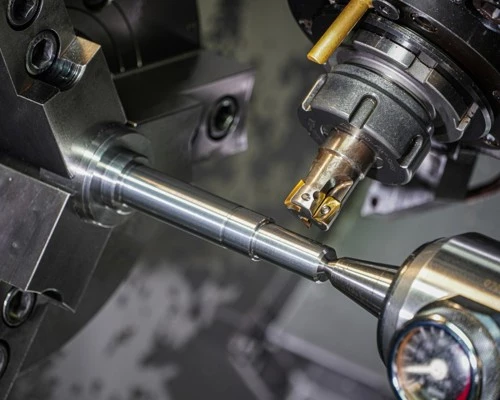
When working on complex or demanding CNC lathe projects, advanced tools can boost both efficiency and quality. Anti-vibration boring bars are essential for deep-hole turning, helping reduce chatter and improve dimensional accuracy in hard-to-reach areas. These bars stabilize the tool, making it easier to maintain consistent cuts in thin-walled or deep sections.
For better surface finishes and faster cycle times, wiper inserts are a game-changer. Designed with a flat edge alongside the cutting point, they smooth out the surface at higher feed rates without sacrificing finish quality—ideal for finishing passes on external turning tools.
Additionally, integrating turning tools with modern CNC controls allows cycle optimization through adaptive feed rates and real-time monitoring. This synergy between tooling and software maximizes performance while minimizing tool wear and machine downtime.
For those interested in precision and durability, exploring our full range of CNC machining metal components can reveal how advanced tooling solutions complement quality machining processes.
Why Choose MS Machining for Your CNC Turning Needs
When it comes to CNC lathe turning tools, MS Machining stands out with its precision tooling and custom solutions tailored to your specific needs. Whether you’re tackling complex parts or routine production runs, their range of high-quality carbide turning inserts and tool holders ensures consistent performance and long tool life.
What MS Machining Offers:
| Feature | Benefit |
|---|---|
| Precision Carbide Tools | Durable, reliable inserts for all materials |
| Custom Tool Solutions | Tailored inserts and holders for unique applications |
| Expert Support | Guidance on tool selection and optimization |
| Quick-Change Holders | Minimized downtime and faster setups |
MS Machining is also committed to helping you pick the right CNC lathe turning tools based on your workpiece material, operation type, and machine capabilities. Their team understands the importance of matching tool geometry, coatings, and insert grades to maximize productivity.
For more on how CNC tools work and the materials they can handle, check out our detailed guide on what materials can a CNC machine cut. Also, dive deeper into the CNC lathe process itself to better understand tool application: what is a CNC lathe.
Choosing MS Machining means investing in quality, expert advice, and custom tooling that keeps your CNC turning operations efficient and profitable.