
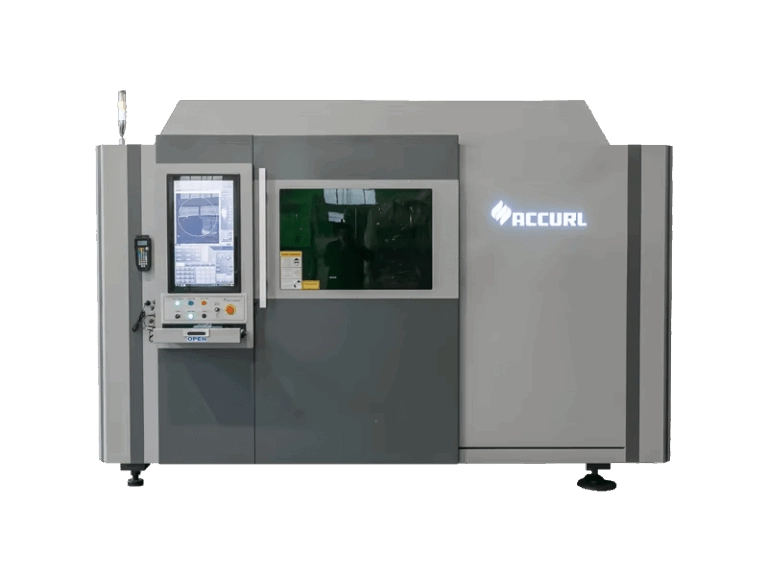
How CNC Laser Metal Cutting Works: Fiber vs CO2 Simply Explained
If you’re wondering how a CNC laser metal cutting machine actually slices through metal, here’s the scoop—without getting too technical. It all starts with a focused laser beam that heats and melts the metal precisely where you want it cut. This beam works together with an assist gas, usually oxygen or nitrogen, which blasts away molten material to create a clean cut. And the whole process is driven by CNC control—a computer guiding the laser’s path with pinpoint accuracy.
There are two main types of lasers used for cutting metal today: fiber lasers and CO2 lasers. Fiber laser technology dominates the market, owning over 99% of new metal-cutting installations worldwide. Why? Fiber lasers deliver higher efficiency, faster cutting speeds, and better performance on reflective metals like aluminum and copper. They’re solid-state, require less maintenance, and boast a longer lifespan compared to CO2 lasers.
Imagine a real cutting job: a 4kW fiber laser machine powerfully zips through a sheet of stainless steel, cutting complex shapes with razor-sharp edges in seconds. The metal stays clean and smooth, no sparks or slag to slow you down. You witness an almost silent, highly precise operation controlled by a computer that follows your design exactly.
In short, fiber CNC laser metal cutting offers speed, accuracy, and reliability that make it the clear choice for modern metal fabrication shops.
Key Advantages of CNC Laser Metal Cutting Machines

CNC laser metal cutting machines stand out for their unmatched precision, often hitting tolerances as tight as ±0.01 mm. This accuracy is perfect for industries where every millimeter counts, like automotive or aerospace parts manufacturing.
When it comes to speed, fiber laser cutters blow plasma and waterjet machines out of the water. For example, a 6 kW fiber laser can cut mild steel nearly twice as fast as plasma, and much faster than waterjets, which are slower due to water pressure limits. Here’s a quick comparison:
| Cutting Method | Typical Speed (in/min) | Material Thickness (Mild Steel) |
|---|---|---|
| Fiber Laser (6-12 kW) | 500 – 1,200 | 0.1” – 1.0” |
| Plasma | 300 – 700 | 0.1” – 1.5” |
| Waterjet | 150 – 300 | 0.1” – 2.0” |
Besides speed and precision, CNC laser cutters require no tool changes because the laser beam does the cutting. This means no tool wear, fewer interruptions, and lower ongoing costs. Plus, the process generates minimal material waste and produces clean edges, reducing or even eliminating the need for secondary finishing.
A major advantage is the ability to cut reflective metals such as aluminum, copper, and brass. Fiber lasers are especially good at handling these tricky materials without losing power or causing defects, unlike older CO2 lasers. This makes them highly versatile for diverse metal cutting jobs, including sensitive applications like HVAC components or architectural metalwork.
For projects requiring precision-machined parts with demanding specs, combining laser cutting with hardened steel machining can boost your production capacity and quality. Check out our manufacture hardened steel machining parts for examples of how laser cutting integrates seamlessly with precision machining workflows.
Main Types of CNC Laser Metal Cutters Available Today
When choosing a CNC laser metal cutting machine, understanding the main categories helps you match the right tool to your needs.
Entry-level (1–3 kW)
Ideal for small shops and prototyping, these machines handle thinner metals like 1/8” steel with good precision. They’re cost-effective and perfect for startups or custom jobs with lower volume.
Mid-range (4–12 kW)
The most popular choice for job shops and general manufacturing. These cutters balance power and versatility, efficiently cutting mild steel, stainless, and aluminum up to around 1/2” thick. They’re a solid option for a wide range of sheet metal tasks.
High-power (15–30 kW+)
Designed for heavy plate cutting and 24/7 production environments, these machines tackle thick steel and other metals fast and with clean edges. Expect superior speed and durability for large-scale industrial use.
Flatbed vs Tube/Pipe Combo Machines
Flatbed machines specialize in cutting flat sheets of metal, making them perfect for automotive panels, custom parts, and architectural components. Meanwhile, tube and pipe combo CNC lasers handle round, square, or rectangular tubes, expanding your fabrication capabilities without needing separate equipment.
Choosing between these depends on your production focus—flat sheets or tubular materials. Many job shops invest in both to cover all bases efficiently.
For those working with a broader metal fabrication scope, pairing your laser metal cutting with precise CNC machining services like copper CNC machining or aluminum CNC machining can further streamline your workflow.
Critical Technical Specifications You Must Compare
When choosing a CNC laser metal cutting machine, these specs make a big difference in performance and fit for your shop:
Laser Source Brand
- IPG, Raycus, Max, nLIGHT are the top brands.
- IPG and nLIGHT usually lead in power stability and efficiency.
- Raycus and Max offer solid options with better budgets in mind.
Power (kW) vs Material Thickness Cutting Chart
| Power (kW) | Mild Steel (in) | Stainless Steel (in) | Aluminum (in) |
|---|---|---|---|
| 1 – 3 kW | Up to 0.25 | Up to 0.20 | Up to 0.12 |
| 4 – 6 kW | Up to 0.50 | Up to 0.40 | Up to 0.30 |
| 8 – 12 kW | Up to 0.75 | Up to 0.60 | Up to 0.50 |
| 15 – 30 kW | Over 1.0 | Over 0.75 | Over 0.60 |
Use this table as a quick reference for your most common material thicknesses.
Working Area Sizes
- Common sizes: 3015 (3×1.5 m), 4020 (4×2 m), 6020 (6×2 m)
- Custom sizes available depending on your part dimensions and workflow.
- Bigger tables enable longer or wider parts but cost more upfront.
Cutting Speed & Acceleration
- Laser speed varies by power and material:
- High-power fiber lasers hit 40-60 inches/min on mild steel.
- Acceleration is key for fast, tight cornering—look for 1.2-1.8 G rated systems.
Positioning Accuracy and Repeatability
- Expect ±0.01 mm accuracy standard in quality machines.
- Repeatability is vital for batch production without manual adjustments.
Automation Features
- Auto nozzle changer: swap nozzles for different cuts without stopping production.
- Pallet changers: load/unload sheets while the machine cuts—maximizes uptime.
- Automatic loading systems reduce manual handling, improving safety and speed.
Choosing the right specs depends on your material types, thickness, and production volume. For guidance on compatible materials like stainless steel, check out our detailed introduction to stainless steel resource.
Real Cutting Thickness & Speed Charts (2026 Data)
Here’s a quick look at real cutting capacities and speeds for CNC laser metal cutting machines in 2026, covering mild steel, stainless steel, aluminum, brass, and copper. These figures span laser powers from 1 kW up to 30 kW, giving you a clear idea of what to expect for different metals and thicknesses.
| Material | Laser Power | Max Thickness (inches/mm) | Cutting Speed (inches/min/mm/min) |
|---|---|---|---|
| Mild Steel | 1–3 kW | 0.12 / 3 mm | 6–12 / 150–300 |
| 4–6 kW | 0.24 / 6 mm | 12–24 / 300–600 | |
| 10–30 kW | 1.18 / 30 mm | 30–60 / 760–1,520 | |
| Stainless Steel | 1–3 kW | 0.08 / 2 mm | 4–8 / 100–200 |
| 4–6 kW | 0.20 / 5 mm | 10–20 / 250–500 | |
| 10–30 kW | 0.75 / 19 mm | 20–50 / 500–1,270 | |
| Aluminum | 1–3 kW | 0.04 / 1 mm | 6–10 / 150–250 |
| 4–6 kW | 0.12 / 3 mm | 10–20 / 250–500 | |
| 10–30 kW | 0.75 / 19 mm | 20–40 / 500–1,020 | |
| Brass | 1–3 kW | 0.04 / 1 mm | 5–10 / 125–250 |
| 4–6 kW | 0.12 / 3 mm | 8–15 / 200–380 | |
| 10–30 kW | 0.63 / 16 mm | 15–35 / 380–890 | |
| Copper | 1–3 kW | 0.04 / 1 mm | 3–6 / 80–150 |
| 4–6 kW | 0.08 / 2 mm | 6–12 / 150–300 | |
| 10–30 kW | 0.50 / 13 mm | 10–25 / 250–635 |
Sample Cut Quality at Different Powers
- 1–3 kW machines: Great for thin gauge metals; edges are clean with minimal dross, perfect for prototyping or light fabrication.
- 4–6 kW machines: Ideal for medium thickness sheets with fast speeds, producing tight tolerances and smooth edges on stainless and mild steel.
- 10 kW and above: Handles heavy plate cutting with excellent edge quality, even on highly reflective metals like copper and aluminum, suitable for 24/7 industrial work.
Cut quality photos consistently show sharp edges, almost no heat-affected zone, and no warping — key reasons why fiber laser machines dominate modern CNC metal cutting.
For detailed project needs, these specs ensure you pick the right power level for your metal type and thickness to optimize speed and cut quality without waste.
If you want broader CNC capabilities including 5-axis milling, check out our detailed page on CNC milling machines to complement your laser cutting setup.
Top CNC Laser Metal Cutting Machine Brands in 2026
When it comes to CNC laser metal cutting machines in 2026, a few key players lead the pack globally. Brands like Trumpf, Bystronic, Amada, Mazak, and Han’s Laser are known for their robust machines, cutting-edge technology, and extensive service networks. These industry leaders offer reliable, high-performance fiber and CO2 laser cutters widely trusted by metal fabrication shops across the U.S. and worldwide.
Meanwhile, Bodor and other emerging manufacturers continue to gain traction by offering competitive pricing and innovative features, appealing especially to mid-range buyers.
Where does MS Machining fit in? We serve as a strong OEM manufacturer providing European and American-quality CNC laser metal cutting machines at 30–40% lower prices than typical Western brands. This makes us a go-to option for job shops and production facilities looking for cost-effective, dependable machines without compromising quality.
Whether you’re considering a premium brand or a budget-smart choice, understanding these options helps you pick the right CNC laser cutter for your metal fabrication needs.
For precision metal parts manufacturing, you might also explore our precision CNC milling services to complement your laser cutting capabilities.
How Much Does a CNC Laser Metal Cutting Machine Cost in 2026?
Prices for CNC laser metal cutting machines vary mainly by laser power, ranging roughly from $25,000 for a basic 1 kW fiber laser to over $350,000 for high-end 30 kW systems designed for heavy plate cutting and nonstop production. Here’s a clear breakdown:
| Laser Power | Price Range (USD) | Typical Use |
|---|---|---|
| 1–3 kW | $25,000 – $70,000 | Entry-level, prototyping |
| 4–12 kW | $70,000 – $180,000 | Mid-range job shops |
| 15–30 kW+ | $180,000 – $350,000+ | Heavy-duty, 24/7 production |
Don’t Forget the Hidden Costs
- Installation: Can add 5-10% of machine price depending on site prep
- Training: Usually $2,000–$5,000 per session for operators
- Assist gases (oxygen, nitrogen) and consumables add ongoing expenses
- Maintenance contracts: Typically 10-15% of machine cost annually
ROI Example for a Typical Job Shop
A mid-range 6 kW fiber laser, cutting mild steel and stainless sheet metal, can pay for itself in 12-24 months. Thanks to faster cutting speeds and minimal scrap, many shops see immediate workflow improvements and reduced labor costs. Using available ROI calculators tailored to your job types can give you accurate cost-savings projections before purchase.
For a detailed view on how laser cutting fits into diverse metalwork, check out our CNC optical machining solutions for insights on optimizing your investment.
Essential Features That Separate Cheap Machines from Reliable Ones
When choosing a CNC laser metal cutting machine, knowing the quality differences can save you big headaches. Here’s what really matters:
| Feature | Cheap Machines | Reliable Machines |
|---|---|---|
| Machine Frame | Welded steel frame – less stable, can warp over time | Cast iron or heavy-duty frame – stable, vibration-resistant for consistent cuts |
| Motion System | Rack & pinion – noisier, less precise, more backlash | Linear motors or high-quality servo systems – smooth, fast, and highly accurate |
| Controller | Basic or generic (limited features, slower response) | Industry-standard (CypCut, Beckhoff, PA8000) – fast, customizable, user-friendly |
| Safety | Minimal enclosures or basic guards | Full Class 1 enclosures with safety light curtains – meets strict OSHA standards |
| Service & Spare Parts | Limited support, slow parts delivery | Strong local/dealer network with quick parts availability and technical support |
Why These Features Matter
- Frame quality affects cutting precision and machine lifespan. A solid frame keeps everything aligned during high-speed operation.
- Motion systems directly influence speed, accuracy, and smoothness — vital for tight tolerances (±0.01 mm typical).
- Controllers determine how well you can program, optimize cutting patterns, and maintain productivity.
- Safety features protect operators and ensure compliance with U.S. workplace regulations.
- Reliable service means less downtime and faster fixes, critical for 24/7 metal cutting shops.
Choose machines built on these solid fundamentals to avoid high maintenance costs and poor cut quality. For more on choosing the right machine, see our guide on machined metal parts and materials.
How to Choose the Right CNC Laser Metal Cutting Machine for Your Needs
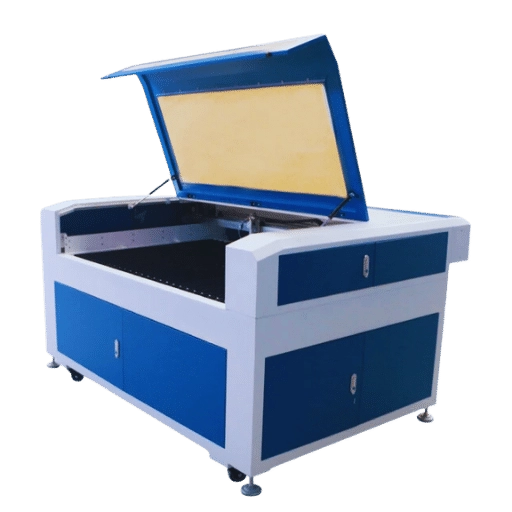
Picking the right CNC laser metal cutting machine comes down to matching the machine to your specific work. Here’s a simple step-by-step guide to help you decide:
| Question | Why It Matters | Example Answer |
|---|---|---|
| What type of metal? | Different metals cut differently | Mild steel, stainless, aluminum |
| Typical thickness range? | Determines needed laser power | Up to 12 mm, or thin sheet metal |
| Monthly cutting volume? | Affects machine size and durability | Small runs vs. 24/7 production |
| Budget available? | Sets boundaries on features & power | $50K–$150K range |
Common Buyer Mistakes to Avoid
- Choosing power based on peak needs only. Don’t overspend on a 30 kW machine if you mostly cut thin sheets.
- Ignoring software compatibility. Make sure the CNC controller works with your CAD/CAM systems.
- Underestimating support and parts availability. Fast service matters more than a cheap price.
- Skipping a test cut. Always ask for real cutting samples from your shortlisted machines.
Answering these upfront will save you time and money. Also, remember machines with flexible options like auto nozzle changers make future upgrades easier.
For a deeper look into related processes, check out our guide on special CNC machining processes to understand how laser cutting fits within wider manufacturing workflows.
Installation, Training & After-Sales Support – What Really Matters
Getting your CNC laser metal cutting machine up and running smoothly depends a lot on installation and training. Typically, from the moment you place your order to the first cut on your material, you can expect a timeline of about 4 to 8 weeks. This includes machine delivery, setup, software installation, and initial test runs.
Good training is key. Most reliable manufacturers or dealers provide hands-on sessions covering machine operation, maintenance, and troubleshooting. This helps your team get comfortable fast and avoid costly mistakes.
After-sales support matters more than ever, especially with today’s smart machines. Remote diagnostics allow technicians to spot and fix many issues without waiting for an onsite visit, reducing downtime. Still, a strong local technician network is vital for quick repairs and routine maintenance.
Choosing a partner who stands behind their product with solid support makes all the difference in keeping your metal laser cutting operations efficient and profitable. For precision metalwork, understanding how your machine works alongside services like those found in CNC machining can add even more value to your workflow.
Customer Case Studies & Real Results (MS Machining Projects)
At MS Machining, we pride ourselves on delivering reliable CNC laser metal cutting solutions tailored to each client’s needs. Here are a few anonymized examples showcasing how our machines drive real results for various industries:
Automotive Parts Fabrication: We supplied a mid-range 6 kW fiber laser cutting machine to a supplier producing precision brackets and chassis components. The exact ±0.01 mm tolerance cuts and fast cycle times helped them reduce scrap by 15% and meet just-in-time delivery demands.
HVAC Duct & Panel Manufacturing: A regional HVAC fabricator upgraded to a 12 kW fiber laser cutter with an automatic loading system. Their production speed doubled when cutting stainless steel panels, with cleaner edges reducing finishing time. This boosted their throughput without adding shifts.
Architectural Metalwork: An architectural design firm working on custom aluminum façades relied on our entry-level fiber laser for prototyping and small batch jobs. The machine handled reflective metals confidently, delivering sharp corners and minimal slag, perfect for high-end visual projects.
Custom Sheet Metal Parts: For one client specializing in custom CNC machining of bronze and Hastelloy parts, our machines provided flexibility and repeatability across diverse metals, supporting custom CNC machining services that demand consistent quality at competitive pricing.
These real-world deployments show how our CNC laser metal cutting machines optimize production across sectors, combining speed, precision, and versatility. Whether you’re cutting automotive steel or delicate architectural metals, MS Machining’s solutions are built for lasting performance.
FAQ – Most Asked Questions About CNC Laser Metal Cutting Machines
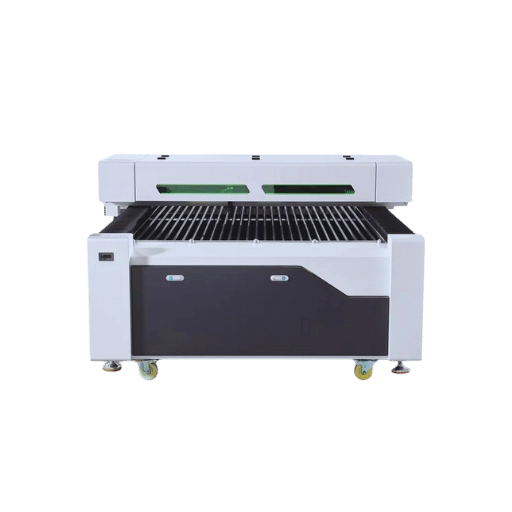
Can it cut reflective metals?
Yes, modern fiber CNC laser metal cutting machines can handle reflective metals like aluminum, copper, and brass effectively. Unlike older CO2 lasers, fiber lasers use a wavelength that reduces reflection issues, allowing for clean, precise cuts on shiny surfaces without damaging the machine or wasting material.
Fiber vs CO2 in 2026?
Fiber lasers dominate the market today, making up about 99% of all new metal-cutting machines. They offer faster cutting speeds, better energy efficiency, and lower maintenance compared to CO2 lasers. CO2 is still used for some non-metal materials or very specific applications, but fiber is the clear go-to for metal cutting in 2026.
Maintenance cost per year?
Annual maintenance for a fiber CNC laser typically runs between 3% to 5% of the machine’s initial cost. This covers things like optics cleaning, laser source checks, and software updates. Compared to plasma or waterjet systems, fiber lasers have lower wear parts costs since there’s no tool replacement involved.
Electricity consumption comparison?
Fiber lasers are notably more energy-efficient than CO2 lasers, often using 30-40% less power for the same cutting jobs. While plasma cutters draw high current during operation, fiber lasers deliver more precise energy use, which translates to cost savings in industrial environments.
Warranty length?
Most reputable CNC laser metal cutting machines come with a 1-3 year manufacturer warranty on major components like the laser source and motion system. Extended warranty plans and service contracts are often available for up to 5 years, providing peace of mind for high-volume shops.
For a deep dive into cutting capabilities and machine types, check out our detailed overview of metal CNC machining.
Final Checklist Before You Buy
Before investing in a CNC laser metal cutting machine, make sure you’ve covered these essentials:
- Laser type and power: Match fiber vs CO2 and wattage to your metal types and thickness needs.
- Cutting area size: Confirm the machine’s working area fits your typical sheet or tube dimensions.
- Precision & speed: Check the positioning accuracy, repeatability, and cutting speeds that meet your production goals.
- Machine frame & motion: Look for a sturdy frame (cast iron is better) and reliable motion system (linear motors or quality rack & pinion).
- Control system: Verify the CNC controller software is user-friendly and compatible with your workflow.
- Assist technologies: Auto nozzle changers, pallet loaders, and integrated automation can improve efficiency.
- Service & parts availability: Ensure quick access to spare parts and local technical support.
- Budget & ROI: Factor in not just upfront cost, but installation, training, gas, maintenance, and power consumption for a realistic ROI.
For a hassle-free buying process, download our printable CNC Laser Metal Cutting Machine Checklist to take with you. It will guide you step-by-step so you don’t miss any critical details when selecting your next machine.
This planning will save you time and money, helping you pick the best laser cutter for your metal fabrication business.
Ready to Upgrade Your Shop? Contact MS Machining Today
If you’re ready to bring precision, speed, and next-level efficiency to your metal cutting projects, MS Machining is here to help. Whether you’re looking for a fiber laser cutting machine for metal or a versatile sheet metal laser cutting machine, we offer top-quality CNC laser metal cutting machines at 30–40% lower prices compared to other premium brands.
Reach out today to discuss your specific needs—our team can guide you through choosing the right model, from entry-level to high-power systems, and walk you through installation and training options. Get in touch via our contact form, WhatsApp, or email, and see how MS Machining can elevate your shop’s productivity and cut costs without compromising quality.
Let’s make your next metal cutting project a success. Contact us now for a no-obligation consultation!