What Exactly Is a CNC Laser Cutter?
A CNC laser cutter is a computer-controlled machine that uses a focused laser beam to precisely cut or engrave materials, primarily metals. Its core components include:
- Fiber laser source: Generates the laser beam, known for its high efficiency and ability to cut reflective metals.
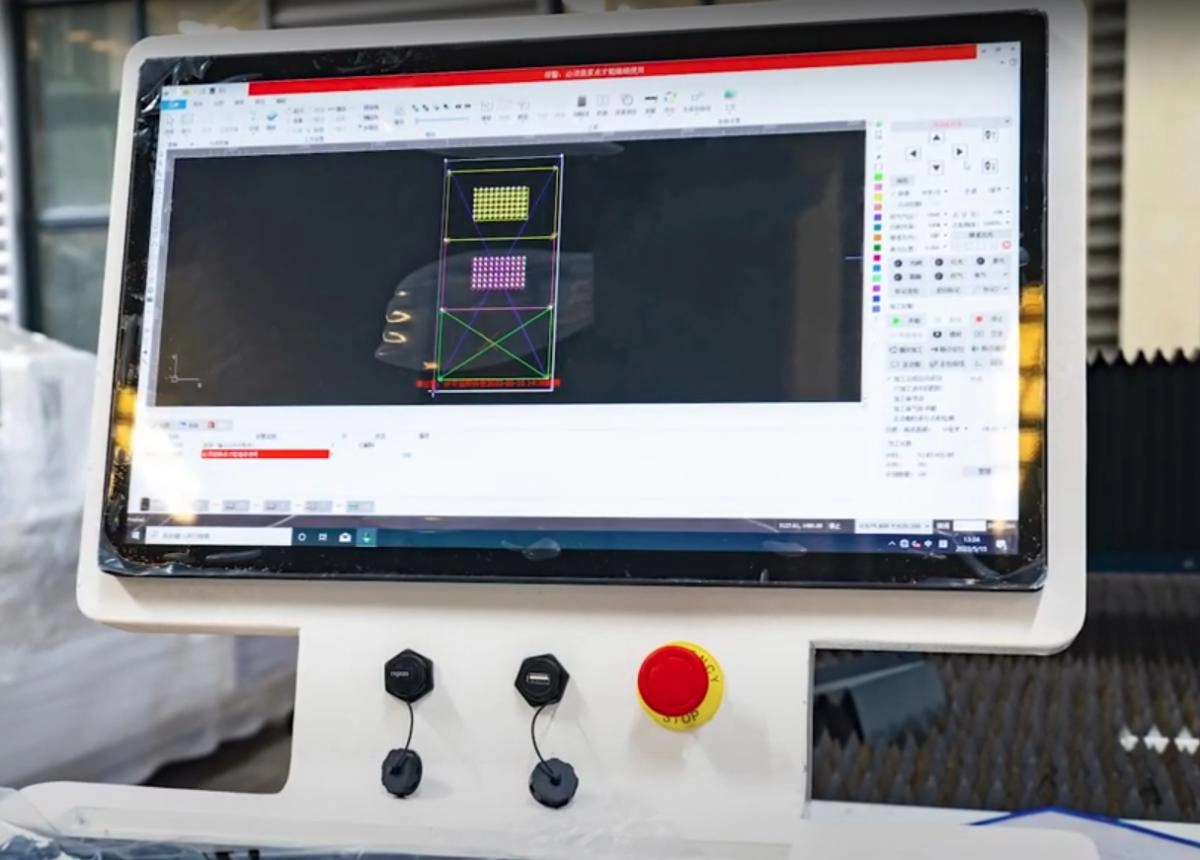
- CNC controller: The brain of the machine, which interprets design files and controls the laser’s movement and power.
- Motion system: Usually consists of precision linear guides and servo motors that move the cutting head along X, Y, and sometimes Z axes.
- Cutting head: Directs the laser beam onto the material and often includes autofocus and gas nozzles to assist cutting.
- Chiller: Keeps the laser source and optics cool to maintain performance and extend component life.
Unlike CNC routers, which use rotating bits to mechanically remove material, CNC laser cutters work with no physical contact, resulting in cleaner cuts with less wear and tear. Compared to plasma cutters, laser cutters provide finer detail and a narrower kerf (cut width), making them ideal for thin-to-medium gauge metals. And while waterjets excel at cutting thick or heat-sensitive materials without thermal damage, CNC lasers outperform in speed and precision for most metal fabrication tasks.
In 2026, fiber lasers dominate the metal cutting market compared to traditional CO2 lasers because fiber lasers deliver higher power efficiency, lower maintenance, and better performance on reflective metals like aluminum, copper, and brass. This makes fiber laser cutting machines the preferred choice for modern metalworking shops aiming for precision, speed, and cost-effective operations.
CNC Laser Cutter vs Traditional CNC Machines – Side-by-Side Comparison

When choosing between a CNC laser cutter and traditional CNC machines like routers or plasma cutters, it helps to see how they stack up side by side. Here’s a quick comparison of key factors to consider:
| Feature | CNC Laser Cutter | Traditional CNC Machines |
|---|---|---|
| Material Capabilities | Metals (steel, aluminum, copper), some plastics | Wood, plastics, soft metals (routers); thicker metals (plasma) |
| Cutting Speed | Very fast on thin-to-medium metals | Slower, especially on metals |
| Precision & Kerf Width | High precision, kerf as thin as 0.1 mm | Lower precision, wider kerf |
| Operating Cost | Low (electricity + assist gas) | Medium to high (tool wear, consumables) |
| Initial Investment | Moderate to high ($30k – $1M+) | Variable, often lower for routers |
| Maintenance | Minimal mechanical wear; optics require upkeep | Regular tool changes and mechanical maintenance |
CNC laser cutters excel at clean, precise cuts on metals, especially reflective types like aluminum or copper, where traditional CNC machines often struggle. While initial investment can be higher, especially on fiber laser systems, the low operating costs and minimal maintenance balance it out over time.
For metal parts requiring fine detail and fast output, a CNC fiber laser cutter’s advantages can make a big difference. If you’re focused on heavy woodworking or non-metal materials, a traditional CNC router might still be your best bet.
For insights on metal part production and machining precision, check useful resources like our guide on precision CNC milling services or explore detailed uses in stainless steel casting CNC machining.
Key Advantages of Modern CNC Fiber Laser Cutters for Metal
Modern CNC fiber laser cutters bring several standout benefits, especially for metal cutting in the U.S. market:
- Unmatched Speed on Thin-to-Medium Metal: Fiber lasers excel at quickly cutting metals like mild steel or aluminum up to medium thickness. Their high power density means faster cycles and more parts per shift.
- Near-Zero Mechanical Wear: Unlike traditional cutting tools, fiber lasers don’t rely on physical contact. That means no wear and tear on blades or bits, lowering maintenance and replacement costs dramatically.
- Extremely Fine Detail & Clean Edges: Thanks to their focused laser beam, fiber cutters achieve razor-sharp precision and smooth, burr-free edges. This makes finishing work easier and reduces the need for secondary processing.
- Low Running Cost Per Part: Fiber lasers use less power and have minimal consumables like gases or nozzles compared to plasma cutters. Over time, this translates to lower operational costs for American manufacturers.
- Ability to Cut Reflective Metals: Fiber lasers handle tricky metals like copper, brass, and aluminum with ease. Their wavelength and beam quality mitigate reflection issues, making them perfect for industries needing precision on reflective surfaces.
These advantages make fiber laser CNC machines the go-to choice for shops aiming to boost productivity and reduce overhead, especially when working with a diverse array of metals. For those interested in tooling complementary to laser cutting, understanding components used in metal processing like aluminum alloy die castings can also be beneficial.
Technical Specifications You Must Understand Before Buying a CNC Laser Cutter
When choosing a CNC laser cutter, knowing the core specs helps you pick the right machine for your needs. Here’s what to watch for:
Laser Power (500W to 30kW)
- 500W–1.5kW: Best for thin sheet metal, engraving, and light cutting.
- 2kW–6kW: Versatile mid-range; cuts thicker metal up to about 10mm steel.
- 12kW–30kW: Heavy-duty cutting, thick structural steel, and fast production.
Higher power means faster cutting and the ability to handle thicker materials but comes with a higher price tag.
Working Area (Table Size)
The working area defines the max sheet size you can cut.
| Model Example | Size (inches) | Size (mm) | Best For |
|---|---|---|---|
| 3015 | 47 x 59 | 3000×1500 | Standard sheet metal projects |
| 4020 | 63 x 79 | 4000×2000 | Larger panels, architectural |
| 6020 | 79 x 118 | 6000×2000 | Large industrial and structural |
Choose a table size based on your material size needs and shop space.
Cutting Thickness (Typical Ranges)
| Material | 1kW Laser | 3kW Laser | 6kW Laser | 12kW+ Laser |
|---|---|---|---|---|
| Mild Steel | Up to 3mm | Up to 6mm | Up to 10mm | 20mm+ |
| Stainless | Up to 2mm | Up to 5mm | Up to 8mm | 15mm+ |
| Aluminum | Up to 1.5mm | Up to 4mm | Up to 6mm | 12mm+ |
| Copper/Brass | Up to 1mm | Up to 3mm | Up to 4mm | 8mm+ |
Fiber lasers handle reflective metals like copper and aluminum better than CO2 lasers.
Positioning Accuracy & Repeatability
- Accuracy: Typically ±0.02mm to ±0.05mm
- Repeatability: ±0.01mm to ±0.03mm
This ensures sharp, detailed cuts and consistent results across batches.
Supported File Formats & Software
Common software controls the cutting process:
| Software | Use Case | Notes |
|---|---|---|
| CypCut | Entry to mid-level CNC laser cutters | Widely used, user-friendly |
| LightBurn | Compatible with many laser cutters | Good for engraving and cutting |
| Mach4 | CNC controller software | Integrates with laser CNC hybrids |
Make sure your CNC laser cutter supports your preferred CAD/CAM formats like DXF, AI, or SVG.
If you’re new to CNC precision metal cutting, exploring options from reputable providers like MS Machining’s precision metal services can give you insights on technical requirements and machining capabilities.
Real-World Applications in 2026
CNC laser cutters have become essential across many industries in 2026 thanks to their precision and versatility. Here’s where they really shine:
- Custom Metal Signage & Architectural Panels: Perfect for creating detailed, durable signage and decorative metal panels that require clean edges and intricate designs. Many architects and fabricators rely on fiber laser cutters to bring creative metalwork to life.
- Automotive & Aerospace Prototyping: Speed and accuracy are critical in these fields. CNC laser cutters handle complex parts and prototypes with tight tolerances, speeding up product development and testing.
- HVAC Ductwork & Enclosures: Sheet metal used in HVAC systems benefits from fast, consistent cutting. Laser cutters can also produce precise holes and patterns for assembly and ventilation, improving efficiency and fit.
- Jewelry & Artistic Metalwork: The ability to do fine detail work on metals like gold, brass, and silver makes fiber laser cutters popular for custom jewelry and art pieces, achieving clean cuts without damaging delicate materials.
- Heavy Structural Steel Fabrication: High-power fiber laser machines (12kW and above) handle thick steel plates for structural components used in construction and industrial machinery, helping to reduce manual labor and improve fabrication speed.
For shops working with metals like aluminum, steel, or copper, understanding sheet metal processing and finishing techniques such as anodizing is also important to ensure long-lasting results in applications like signage or architectural elements. Check out our detailed guide on anodizing aluminum and how it works for insights into post-cutting treatments.
These real-world uses prove why CNC metal laser cutters remain a go-to choice for businesses aiming to boost productivity and quality in metal cutting today.
Pricing Tiers – How Much Does a CNC Laser Cutter Cost in 2026?
CNC laser cutter prices in 2026 vary widely depending on power, brand, and features. Here’s a quick breakdown of typical investment levels:
-
Entry-level (500–1500W Chinese brands): $30,000 to $65,000
Great for small shops or beginners needing basic sheet metal cutting without breaking the bank. These machines cover light-duty tasks with decent precision.Mid-range (2–6kW reliable brands): $70,000 to $180,000
Ideal for growing businesses requiring faster cutting speeds and broader material capabilities. Expect better build quality, more software options, and improved support.High-end (12–30kW European/American): $250,000 up to $1 million+
Premium machines designed for heavy industrial use, thick structural steel, and complex aerospace parts. These have top-tier components, advanced laser sources, and extensive automation options.Don’t forget hidden costs
Shipping, installation, protective gases (like nitrogen or oxygen), and consumables such as lenses and nozzles can add significantly to your budget. Proper site prep and training may also require extra investment.
Planning ahead for these expenses will help ensure smooth operation and avoid surprises after purchase. For a closer look at CNC sheet metal fabrication processes, check out this detailed guide on innovative CNC sheet metal fabrication methods.
Top CNC Laser Cutter Brands & Models Tested in 2026
In 2026, the CNC laser cutter market offers a solid range of proven brands to fit different budgets and needs. At the popular fiber laser entry and mid-level segments, Bodor, Sfenfg, and Raycus-based machines continue to deliver reliable performance with good speed and precision. These brands are well-known for balancing affordability with durable components, making them a go-to for small to medium metal shops.
On the premium side, industry leaders like Trumpf, Bystronic, and Amada remain top choices for high-power, high-precision cutting in aerospace, automotive, and heavy fabrication. These machines often come with advanced features like automation readiness and AI-assisted software, but their price tags are significantly higher.
A noteworthy mention is MS Machining’s own series, designed specifically with the U.S. metal industry in mind. Their machines provide competitive specs, such as fiber laser power options between 2kW and 6kW, robust CNC controllers, and excellent accuracy, ideal for precision parts like those found in CNC metal machining and carbon steel components.
Among emerging and reliable players, HSG, Gweike, and OMTech’s industrial line are gaining traction due to their growing reputation for solid build quality and customer support. These brands are worth considering if you want a modern alternative with reasonable pricing and growing aftermarket service networks.
No matter your choice, it’s a good idea to test machines or review verified customer feedback to ensure you get the right CNC laser cutter for your shop’s specific metal cutting demands.
How to Choose the Right CNC Laser Cutter for Your Shop
Picking the right CNC laser cutter isn’t just about price or specs—it’s about matching the machine to your specific needs. Here’s a simple step-by-step guide to find your best fit:
1. Know Your Material & Max Thickness
- Metal types: Mild steel, stainless, aluminum, copper?
- Thickness range: Thin sheet metal (up to 6mm) or thicker steel plates (10mm+)?
Fiber laser cutters excel on reflective metals like aluminum and copper, especially at thinner gauges.
2. Estimate Monthly Part Volume
- Low volume: Entry-level or mid-range machines are cost-efficient.
- High volume: Invest in high-power, industrial models for speed and durability.
3. Measure Your Floor Space & Power Supply
- Room size: Small laser cutting tables (3015) fit tighter spaces; larger formats (4020, 6020) need more room.
- Electrical needs: Higher wattage lasers (above 4kW) require dedicated circuits and stable voltage.
4. Consider Service & Support Options
- Check the availability of local dealers or service centers to minimize downtime.
- Warranty and responsive support matter for fast troubleshooting.
5. Plan for Future Growth
- Will your part complexity increase?
- Might you need higher laser power or automation later?
Choosing a brand known for upgrades and modular options can save costs down the road.
Factor What to Ask Yourself Recommended Action Material & Thickness What metals and max thickness will you cut? Choose based on laser type & power Monthly Production How many parts per month? Match machine capacity Floor Space & Power How much space and power do you have? Select machine size & wattage Service & Support Is service easily accessible? Pick brands with local support Future Plans Will business grow or change focus? Opt for scalable models Bonus tip: If you work heavily with stainless steel or need ultra-precision, check out specialized fiber lasers or even consider hybrid CNC solutions for added versatility, like 5-axis CNC machining available in related fields.
Choosing the right CNC laser cutter with these points in mind keeps your shop efficient and ready for whatever comes next.
Installation, Training & Safety Requirements

Setting up a CNC laser cutter right is key to smooth operation and safety. Here’s what you need to keep in mind:
Site Preparation Checklist
- Stable, flat floor: Supports heavy equipment without vibration
- Proper electrical hookups: Dedicated circuit with correct voltage and amperage
- Adequate space: Room for the machine, operator access, and maintenance
- Ventilation system: To handle smoke and fumes from cutting metal
- Fire safety: Fire extinguishers nearby and clear exits
Ventilation & Fume Extraction
Laser cutting metal produces smoke, fumes, and sometimes harmful gases. A good exhaust system with filters or scrubbers is essential to:
- Protect worker health
- Prevent buildup of combustible dust
- Comply with OSHA standards
Make sure the ventilation system matches the machine size and cutting volume.
Operator Certification & PPE
- Training: Operators must complete hands-on training covering machine use, emergency stops, and software operation.
- Certifications: Some states require formal certification for CNC and laser equipment operators.
- Personal protective equipment (PPE): Safety glasses with laser filters, gloves, and hearing protection are must-haves.
Common Rookie Mistakes to Avoid
Mistake How to Avoid It Poor grounding causing sparks or damage Ensure professional electrical installation Skipping ventilation setup Install and maintain exhaust systems Neglecting safety training Require operator certification Using wrong file formats or software Stick to manufacturer-recommended software like CypCut or LightBurn Ignoring scheduled maintenance Follow preventive maintenance schedules diligently Proper installation, training, and safety protocols not only protect your team but also extend your CNC laser cutter’s lifespan and enhance productivity.
For deeper insights into precision machining setups, check our guide on why 5-axis machining suits low-volume, high-mix manufacturing.
Maintenance & Operating Costs – What to Budget
When owning a CNC laser cutter, understanding the ongoing maintenance and operating costs is key to keeping your machine running smoothly and your budget on track. Here’s what you need to factor in:
- Lens & Nozzle Lifespan: These parts wear out over time, especially with heavy use. Expect to replace lenses and nozzles every 1,000 to 2,000 operating hours to maintain cutting precision and quality.
- Monthly Electricity & Assist Gas: CNC fiber laser cutters consume power continuously. Electricity costs vary depending on laser wattage (higher power equals higher energy use). Additionally, assist gases like oxygen, nitrogen, or air are needed for clean cuts, and their monthly usage adds to the operating budget.
- Preventive Maintenance Schedule: Regular upkeep prevents downtime and costly repairs. This includes cleaning optics, checking alignment, inspecting motion parts, and replacing filters or coolant. Setting up a routine maintenance schedule based on manufacturer guidelines is essential.
Budgeting realistically for these costs helps avoid surprises and ensures your CNC metal laser cutter stays efficient and reliable for years. For heavy-duty setups like those used in fabricating compressor components or stainless steel parts, routine maintenance is especially critical to uptime and precision—learn more about essential maintenance in compressor components here.
Future Trends for CNC Laser Cutters (2026–2030)
The next five years will bring exciting changes to CNC laser cutters, especially fiber laser cutting machines tailored for metalwork. Here’s what to expect:
- Automation & Robotic Loading: More shops in the U.S. will adopt robotic arms and automated loading systems to speed up production, reduce labor costs, and improve safety by minimizing operator contact with sharp metal sheets.
- Higher Power & Better Beam Quality: Laser sources are getting stronger and more precise, with power outputs climbing beyond 30kW for heavy steel cutting. This means faster cuts, smoother edges, and the ability to handle thicker materials without sacrificing quality.
- AI-Assisted Nesting & Defect Detection: Advanced software driven by AI will optimize how parts nest on sheets, reducing waste and material costs. AI-powered vision systems will also spot defects in real-time, cutting down on scrap and rework.
- Greener Chillers & Energy Recovery: Energy efficiency is a major focus. Expect chillers with lower power consumption, waste heat recovery systems, and other eco-friendly designs. These improvements will reduce operating costs and the environmental footprint of industrial laser cutters.
These trends will continue to raise the bar for precision laser cutting, especially in sectors like automotive, aerospace, and architectural metalwork. For companies eyeing long-term investments, considering these upcoming tech shifts can help future-proof your shop’s capabilities.