
Understanding CNC Fixtures and Workholding
Definition and Purpose of CNC Fixtures
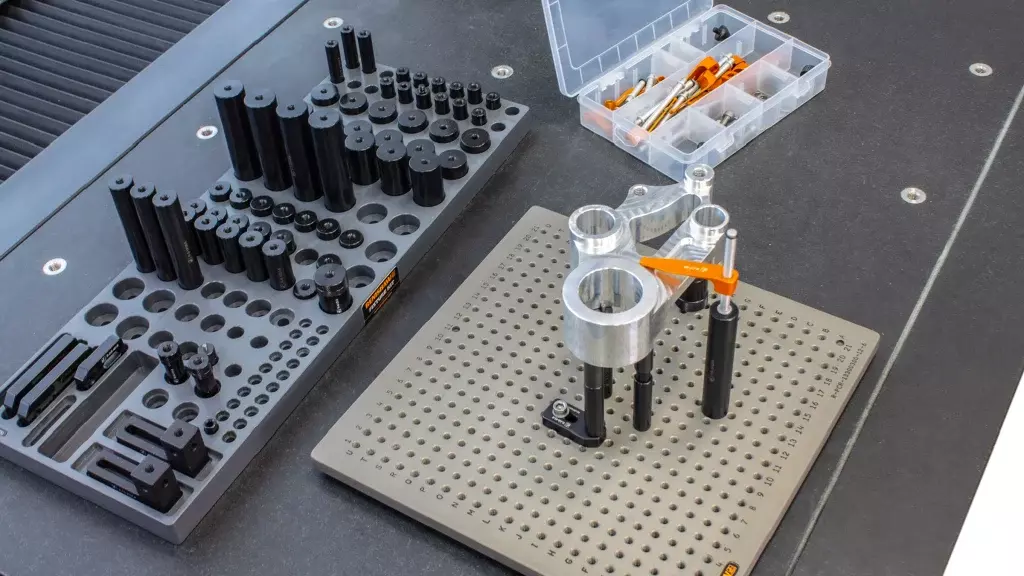
In the realm of modern fabrication, a CNC fixture serves as the critical interface between the machine table and the workpiece. Unlike general clamps or vises, a fixture is a specialized workholding device designed to locate, support, and secure a specific part during the machining process. Its primary purpose is to ensure absolute rigidity against the intense cutting forces generated by high-speed tools.
By establishing a precise reference point, CNC fixturing guarantees that every cut aligns perfectly with the digital design. This stability is essential for maintaining tight tolerances and preventing defects caused by vibration or shifting. Ultimately, the fixture transforms a raw block of material into a stable platform, allowing the CNC machine to execute complex operations with speed and accuracy.
Common Types of CNC Fixtures
To accommodate the diverse geometries of CNC precision parts, manufacturers utilize a variety of fixture types. Selecting the right category is vital for optimizing workflow and ensuring repeatability in multi-axis machining operations.
- Fixed Fixtures: dedicated tools built for a specific part, offering maximum stability for high-volume production runs.
- Modular Fixtures: Constructed from interchangeable components, these offer flexibility and are ideal for prototyping or low-volume jobs.
- Adjustable Fixtures: These allow for minor modifications to accommodate variations in casting or forging sizes.
- Custom-Designed Fixtures: Engineered specifically for complex geometries, these are often required for intricate CNC fixtures used in aerospace or medical applications where standard workholding fails.
Maintaining Dimensional Accuracy and Part Repeatability
Stabilizing Workpieces to Reduce Variation
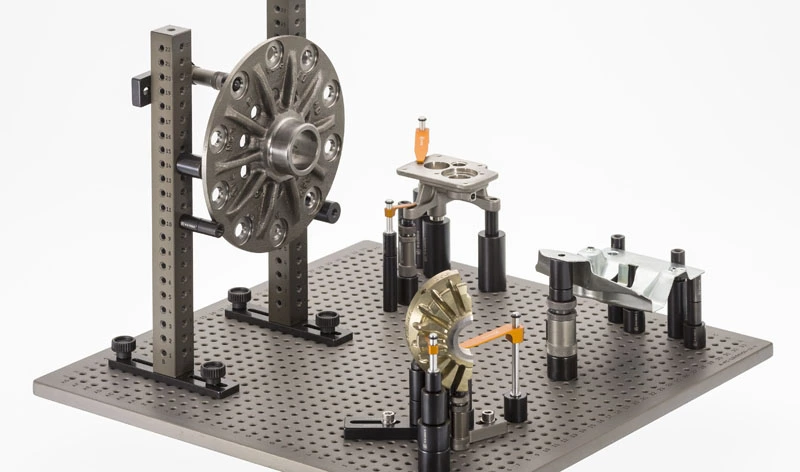
When we manufacture CNC precision parts, stability is the foundation of accuracy. If a workpiece vibrates or shifts even a fraction of a millimeter during high-speed cutting, the dimensions will drift, and the surface finish will suffer. We rely on rigid CNC fixtures to lock the material securely in place, effectively dampening vibration (chatter) and preventing deflection. This rigidity ensures that the cutting tool engages the material exactly as programmed. For a deeper dive into achieving tight tolerances, check out our guide to CNC precision machined parts.
Consistent Alignment Across Setups
Real-world fabrication often requires machining multiple sides of a component. Without a reliable reference point, re-orienting the workpiece introduces cumulative errors. CNC fixturing solves this by establishing a fixed “zero point” or datum. Whether we are running a batch of ten or ten thousand, the fixture ensures every part sits in the exact same coordinate system.
- Zero-Point Referencing: Eliminates the need for manual realignment between operations.
- Multi-Axis Precision: Maintains accuracy when rotating parts for 4-axis or 5-axis work.
- Batch Uniformity: Ensures every unit produced is identical to the master file.
Reducing Human Error Through Effective Clamping
Even the most skilled machinist can introduce variations if the setup is overly complicated. We design clamping solutions that make loading and unloading foolproof. By using dedicated clamps, stops, and locators, we remove the variable of operator technique. This ensures that clamping pressure is applied consistently—tight enough to hold the part securely, but not so tight that it deforms the material. This is especially critical when working with softer metals found in our CNC machining materials list, where inconsistent pressure can warp the final dimensions.
Considerations for Fixture Design and Material Compatibility

Selecting Fixtures Based on Workpiece Material
The material we are cutting dictates exactly how we hold it. If I am machining soft aluminum or brass, I cannot apply the same clamping force used for hardened steel. Excessive pressure on softer metals causes deformation, ruining the dimensional accuracy before the cutter even touches the surface. Conversely, tough alloys require extremely rigid cnc fixtures to withstand high cutting forces without vibrating. This balance is critical, especially during prototype machining services where we often test how different materials react to specific workholding strategies to ensure the final production run goes smoothly.
Designing Fixtures for Complex Parts
Standard vises rarely work for parts with complex geometries or organic shapes. To produce high-quality cnc precision parts, we often have to design custom cnc fixturing that matches the specific contours of the workpiece. Effective design focuses on three main areas:
- Part Geometry: Creating soft jaws or nests that mirror the part’s shape for maximum contact.
- Tool Access: Positioning clamps so they do not block the cutting tool, especially in multi-axis machining.
- Vibration Damping: Ensuring thin-walled parts are supported to prevent chatter.
Inspection and Maintenance for Long-Term Accuracy
A fixture is a precision tool, and like any tool, it wears out over time. In a high-volume fabrication environment, metal chips and coolant buildup can interfere with seating surfaces, leading to slight misalignments. We prioritize regular inspection and maintenance of our workholding setups. This involves cleaning locating pins, checking for surface wear, and verifying alignment. Keeping fixtures in top condition is the only way to ensure that the thousandth part we machine is just as accurate as the first.
Applications and Industry Examples
Aerospace Turbine and Engine Components: High-Precision Machining
In the aerospace industry, precision isn’t just a goal; it’s a requirement for safety. We rely on specialized CNC fixturing to secure complex geometries like turbine blades and structural components. Because these parts often feature intricate curves, utilizing 5-axis CNC machining services combined with custom workholding ensures we hit tight tolerances without multiple setups. This approach guarantees that CNC precision parts maintain their integrity and surface finish specifications, preventing costly scrap in high-value materials.
Automotive Transmission and Suspension Parts: Repeatable Production with Workholding
Automotive manufacturing demands high repeatability across thousands of units. A robust CNC fixture is the secret to maintaining dimensional consistency for transmission shafts, gears, and suspension arms.
- Reduced Cycle Time: Quick-change fixtures speed up production.
- Material Versatility: Whether running aluminum or durable CNC machined components made from carbon steel, the clamping force must be consistent.
By standardizing the setup, we eliminate human error and ensure every gear tooth and mounting point is exactly where it needs to be.
Industrial Equipment Shafts and Hydraulic Components: Reliable Multi-Axis Machining
For heavy industrial equipment, the stakes are high regarding durability and fit. We use heavy-duty CNC fixtures to stabilize large drive shafts and hydraulic pistons against aggressive cutting forces. This stability is critical during fabrication, especially when machining deep bores or threading. Proper workholding ensures that hydraulic components seal perfectly under pressure, preventing leaks and extending the lifespan of the machinery.