If you’re diving into the world of CNC drilling, you already know it’s a game-changer for precise, efficient hole-making in manufacturing. Whether you’re an engineer, machinist, or procurement pro, understanding the key processes, types, and industry applications of CNC drilling is essential for making smart decisions on your next project. This technology doesn’t just improve accuracy—it boosts repeatability and slashes production times compared to manual methods. Ready to explore how CNC drilling can elevate your machining capabilities? Let’s jump right in.
What is CNC Drilling?
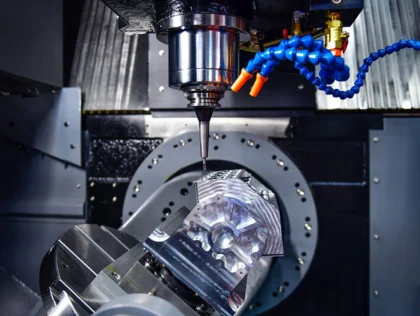
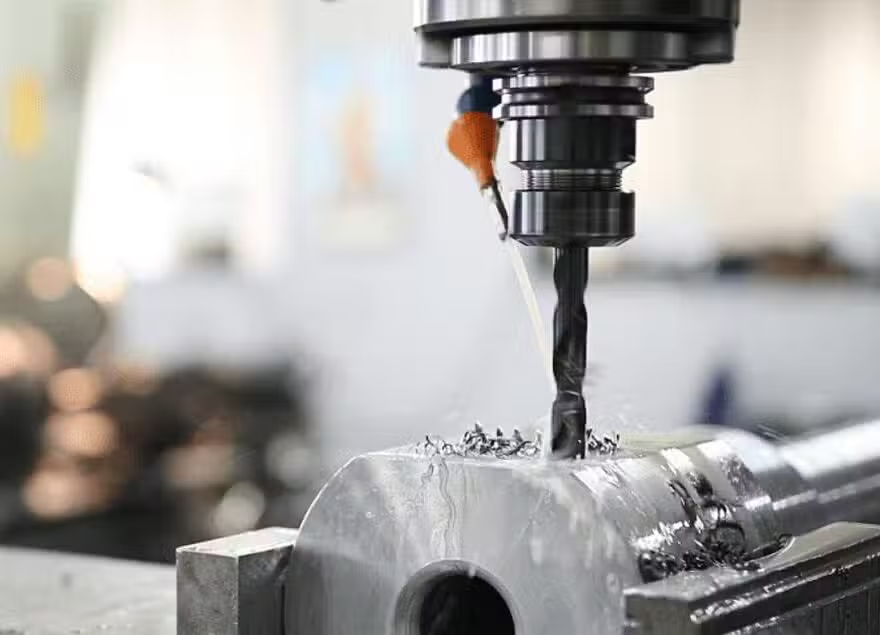
CNC drilling is an automated machining process focused on creating precise holes using computer-controlled equipment. At its core, CNC drilling relies on programmed G-code to direct the machine’s spindle speed, feed rate, and exact position, ensuring each hole is drilled with consistent accuracy. This process takes the guesswork out of manual drilling by automating crucial parameters, making it faster and more reliable.
Key components in CNC drilling include:
- Drill bits: Various types suited to material and hole requirements
- Spindles: Rotate the drill bits at controlled speeds
- Worktables: Secure and position the workpiece accurately
- Tool holders: Keep tooling stable to maintain precision
- Coolant systems: Manage heat and chip removal during drilling
Unlike traditional drilling, which depends heavily on operator skill and manual adjustments, CNC drilling offers automation that reduces errors and enhances repeatability. This means tighter tolerances, improved surface finishes, and less scrap—making CNC drilling ideal for both small batch runs and high-volume production where precision hole machining is critical.
CNC Drilling vs. CNC Milling: Key Differences
CNC drilling and CNC milling are both essential in precision hole machining but serve different purposes and move differently.
| Feature | CNC Drilling | CNC Milling |
|---|---|---|
| Primary Motion | Axial (up and down) | Multi-axis (X, Y, Z, and rotational axes) |
| Main Focus | Creating cylindrical holes | Cutting slots, contours, surfaces, complex shapes |
| Common Tools | Drill bits, center drills | End mills, face mills, ball nose cutters |
| Ideal For | High-volume hole production | Detailed feature creation |
| Speed & Efficiency | Faster for repeated holes | Slower but more flexible |
When to Choose Drilling vs. Milling
- Choose CNC drilling when you need fast, consistent, and precise holes, especially for metal fabrication or high-volume parts like automotive engine blocks and aerospace components.
- Opt for CNC milling when working on complex features—like grooves, pockets, and surface finishing—that require intricate tool paths.
Often, CNC drilling and milling complement each other in manufacturing workflows: drilling creates the holes, while milling adds detailed contours or finishing touches.
For high-precision projects involving both hole-making and part shaping, combining these processes ensures efficiency and tight tolerances. For more insights on spindle technology essential in these operations, exploring CNC spindle systems helps understand how tool control impacts accuracy and speed.
The CNC Drilling Process Step-by-Step

CNC drilling starts with design and CAD modeling, where the exact hole specifications are created in a digital format. Next, the design moves to CAM programming, generating the precise G-code that controls the drill bit’s spindle speed, feed rate, and position.
Once the program is ready, the right material is chosen, and the workpiece is securely set up on the worktable. Tool selection follows, picking the correct CNC drill bits based on material type, hole size, and finish requirements. Then, the machine is carefully calibrated to ensure accuracy.
During execution, the process includes crucial steps like spotting to locate hole centers accurately, followed by drilling cycles. Effective chip evacuation is essential to prevent tool wear and maintain hole quality, usually aided by coolant systems. Finishing operations such as reaming or countersinking might be performed to reach the final hole tolerance and surface finish.
The final step is thorough quality inspection and any needed post-processing to ensure every hole meets tight tolerances. This structured flow is vital for delivering consistent, high-precision holes tailored for industries requiring exact hole machining.
For more on CNC programming and machining metal parts, check out this detailed guide on CNC machining metal parts.
Types of CNC Drilling Operations
CNC drilling covers a range of specialized operations tailored to different needs in precision hole machining.
- Spot Drilling: This is the first step in many CNC drilling jobs. Spot drilling creates a small, shallow guide hole to ensure the main drill bit stays accurate, preventing wandering and improving hole quality.
- Deep Hole Drilling: Used when drilling holes much deeper than their diameter, this often involves peck drilling cycles to break up chips for easier evacuation. Gun drilling is a specialized method here, offering extreme precision and straightness in deep holes.
- Tapping Operations: These create internal threads in holes, essential for screws and bolts. CNC tapping ensures consistent thread quality and tight tolerances.
- Reaming Process: Reaming smooths and sizes holes to a high degree of accuracy after drilling, enhancing finish and ensuring tight diameter control.
- Boring: Boring enlarges previously drilled holes with precise control, often used to improve hole positioning and diameter.
- Countersinking and Counterboring: These operations prepare holes for flush or recessed fasteners by creating angled or flat-bottomed enlargements at the hole entrance, improving assembly quality.
- Micro-Drilling: For very small, high-precision holes—common in electronics or medical device manufacturing—micro-drilling uses tiny drill bits with tight tolerances.
Understanding these varied CNC drilling operations helps in selecting the right process for specific manufacturing demands and material types, maximizing efficiency and part quality. For deeper insights into precision metal part manufacturing, check out our detailed guide on CNC engineering for precision metal and plastic parts.
Types of CNC Drilling Machines
CNC drilling machines come in several types to fit different needs and production scales. Vertical spindle machines are the most common and versatile, with the spindle positioned vertically for easy access and precise drilling. Horizontal spindle machines handle long, heavy workpieces better by drilling from the side, often used in automotive and heavy equipment parts.
For high-volume production, multi-spindle and gang drilling machines are ideal. These machines feature multiple drill heads that work simultaneously, speeding up the process and boosting efficiency for repetitive hole drilling tasks.
Turret-type CNC drilling machines offer quick tool changes, switching between drill bits with minimal downtime, making them great for jobs requiring multiple hole sizes or different operations without stopping the process.
When it comes to specialized needs, deep hole drilling machines and gun drilling machines deliver precision for long, narrow holes with excellent straightness and finish, essential for aerospace and medical parts.
Smaller or custom-scale operations might use bench-top CNC drilling machines for compact settings, while gantry-type CNC drilling machines fit larger workpieces and allow multi-axis movements for flexibility across different drill depths and positions.
These types cover a broad range of applications, ensuring the right fit whether you need high-precision boring, multi-spindle drilling, or deep hole drilling performance. For a deeper dive into compatible workpiece materials, check out the comprehensive list of CNC machining materials commonly used in the industry.
Tools and Tooling in CNC Drilling
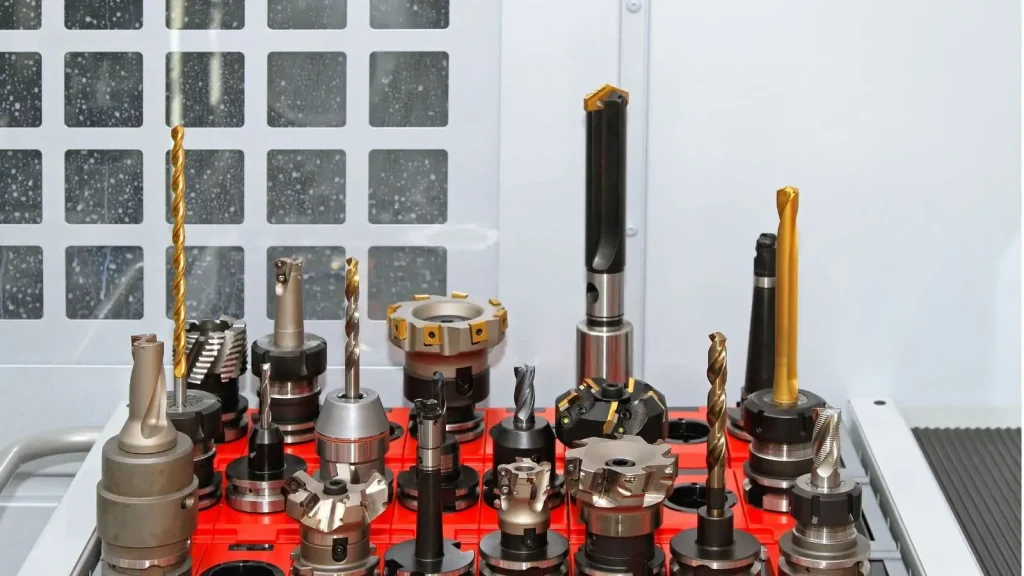
The right tools make all the difference in CNC drilling, especially when precision hole machining is the goal. Common drill bit types you’ll see include twist drills, center drills for accurate starting points, step drills for varying hole sizes, and carbide-coated bits designed for longer life and harder materials.
When selecting drill bits, consider:
- Material compatibility: Match your drill bit to the workpiece, whether it’s metal, plastic, or composite.
- Coatings: Titanium nitride and other coatings help reduce wear and improve heat resistance.
- Geometry: Point angle and flute design affect chip removal and hole quality.
Tool holders also play a crucial role. A stable holder minimizes vibrations and tool overhang, which means less risk of drill breakage and better hole consistency. Using the right combination of drill bits and holders ensures smooth CNC machining holes and reliable results every time.
For specialized parts, like those in brass or other metals, tooling choice is critical — see how our CNC machining brass solutions optimize drilling performance.
Advantages of CNC Drilling
CNC drilling offers exceptional precision and tight tolerances, making it ideal for precision hole machining in industries where accuracy is critical. The automated nature of CNC drilling ensures high repeatability, which is essential for mass production runs where consistent quality matters. This process also boosts efficiency by reducing manual labor and minimizing human error, helping manufacturers save time and cut costs.
Another key advantage is its versatility. CNC drilling works well across a range of materials, including metals, plastics, and composites, making it a reliable choice for diverse applications. For large production runs, the ability to maintain consistent hole quality while lowering overall expenses makes CNC drilling a smart investment, especially when combined with good tool maintenance and process optimization.
For businesses focused on efficient, repeatable drilling operations with tight tolerances, CNC drilling delivers clear cost savings and superior results. To ensure quality in these applications, it helps to understand factors like drill bit geometry and proper tool selection within your CNC process.
If you’re interested in how precision machining integrates with CNC drilling for tight control, check out our guide on metrology and precision in manufacturing.
Industry Applications of CNC Drilling
CNC drilling plays a crucial role across various industries due to its precision hole machining and ability to handle complex tasks consistently.
- Aerospace: CNC drilling is vital for producing structural components and turbine parts that demand tight tolerances and high reliability. Precision hole machining ensures safety and performance in these critical applications.
- Automotive: Engine blocks, chassis assemblies, and other automotive parts often require high-volume CNC drilling to create exact holes for fasteners and fluid passages. The process supports durability and efficiency in automotive CNC parts manufacturing.
- Electronics: Printed circuit boards (PCBs) and enclosures rely on CNC drilling for creating accurate holes for components and connectors, making PCB drilling essential for high-quality electronics production.
- Medical Devices: Implants and surgical instruments benefit from CNC drilling’s precision, especially for micro-drilling and high-precision boring operations, which improve the device’s effectiveness and safety.
- General Manufacturing: Fasteners, molds, and metal fabrication require consistent hole sizes and shapes. CNC drilling helps maintain repeatability while reducing labor and waste, ideal for diverse manufacturing needs.
Emerging sectors like energy and robotics increasingly adopt CNC drilling to fulfill specialized hole requirements in new materials and complex assemblies.
For businesses looking for reliable CNC services, exploring custom CNC machining parts manufacturing can offer tailored solutions to fit specific industry needs. Additionally, CNC metal machining remains a cornerstone for getting durable, precision-engineered components.
Best Practices and Tips for Optimal CNC Drilling
Getting the best out of CNC drilling means dialing in the right settings and paying close attention to the details. Here are key tips to help optimize your CNC drilling process and avoid common pitfalls:
- Optimize Speeds and Feeds: Adjust spindle speed and feed rate based on material type and drill bit size. Slower speeds with proper feeds prevent overheating and extend tool life. Use peck drilling cycles for deep hole drilling to clear chips efficiently.
- Peck Depth Management: For deeper holes, control peck depth carefully to avoid chip clogging and reduce stress on the drill bit, especially in tough metals.
- Effective Chip Evacuation: Use proper coolant flow and chip evacuation methods to keep the work area clear, preventing tool damage and improving hole surface finish. Coolants also reduce heat buildup, which is critical for precision hole machining.
- Avoid Wander and Breakage: Ensure your workpiece is securely clamped and the drill bit is sharp with correct geometry. Misalignment or dull tools cause hole wander or breakage. Regular tool inspection prevents surprises on the production floor.
- Material-Specific Considerations: Different materials need different approaches. For example, plastics require lower speeds but higher feeds to avoid melting, while metals like titanium need slower speeds with high-quality drill bits to prevent wear. For specialty materials, consider expert CNC titanium machining services to ensure accuracy.
- Maintain Tool Stability: Use appropriate tool holders to minimize overhang and vibration, which directly influences hole quality and tool life.
Following these best practices not only improves accuracy and efficiency but also extends tool lifespan, reducing downtime and cost. For complex parts that require both drilling and milling, understanding these tips helps you get the job done right the first time.
For more on machining complex aerospace or defense components that demand precision, check out our insights on military machining and defense components.