
If you’re involved in precision manufacturing, you already know how crucial it is to balance accuracy, efficiency, and material performance. That’s exactly where CNC aluminum cutting technology shines. Offering unmatched precision, faster cycle times, and superior machinability, CNC processes have revolutionized how high-strength, lightweight aluminum components are produced. Whether you’re an engineer, manufacturer, or buyer, understanding the advantages of CNC aluminum cutting can unlock new possibilities for tighter tolerances, cost savings, and design freedom. Ready to see why this technology outperforms traditional methods and accelerates innovation? Let’s dive into how CNC aluminum machining is setting the standard in precision manufacturing.
Understanding CNC Aluminum Cutting Technology
CNC aluminum machining uses computer-controlled machines to cut and shape aluminum parts with exceptional precision. By following digital designs, these machines perform complex tasks such as milling, turning, drilling, and multi-axis operations—all key to producing high-quality, precision aluminum components.
The most common CNC aluminum cutting processes include:
- Milling: Removing material using rotary cutters to create detailed shapes and surfaces
- Turning: Rotating the aluminum workpiece against a cutting tool for precise dimensions
- Drilling: Creating accurate holes for assembly or functional purposes
- Multi-axis machining: Combining movement along several axes for intricate designs and tighter tolerances
Popular aluminum alloys like 6061, 7075, and 5083 are often chosen for CNC aluminum machining due to their superior machinability and strength. For example:
- 6061: Great for general-purpose parts, offering good strength and corrosion resistance
- 7075: Known for high strength, ideal for aerospace and automotive components
- 5083: Excellent corrosion resistance, perfect for marine and industrial applications
These alloys combine lightweight properties with the durability necessary for precision manufacturing, making CNC aluminum cutting an efficient choice for engineers and manufacturers focused on quality and performance.
Key Advantages of CNC Aluminum Cutting
When it comes to precision manufacturing, CNC aluminum cutting offers several standout benefits that make it the go-to choice for many industries.
Unmatched Precision and Tight Tolerances
CNC aluminum machining delivers high-precision cutting with consistently tight tolerances. This accuracy is crucial for parts that need to fit together perfectly, reducing the chance of errors or rework. Advanced CNC techniques ensure every cut is exact, which is hard to achieve with manual methods.
Superior Machinability and Efficiency
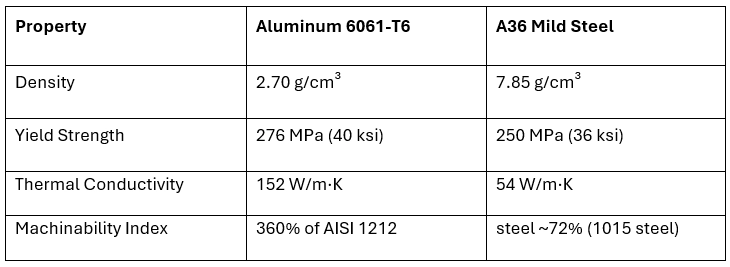
Aluminum is known for its excellent machinability. CNC milling aluminum or CNC turning aluminum can be done faster and with less tool wear compared to other metals. This efficiency lowers production time and increases throughput, making it ideal for both prototypes and high-volume runs.
Lightweight Yet High-Strength Outcomes
Aluminum alloys like 6061 or 7075 combine light weight with impressive strength. CNC machined aluminum parts maintain these properties, providing durable components without unnecessary weight. This is especially valuable in aerospace and automotive sectors where weight savings translate to better performance.
Cost-Effectiveness and Reduced Waste
CNC aluminum cutting minimizes material waste thanks to its precise control and repeatability. Less scrap means lower raw material costs and a smaller environmental footprint. Additionally, the speed of CNC processes reduces labor costs, making precision aluminum parts more budget-friendly.
Flexibility for Complex and Custom Designs
CNC machining supports complex geometries and customized parts that would be tough or impossible with traditional cutting methods. Multi-axis CNC aluminum machining can create intricate shapes, holes, and finishes to meet unique design requirements quickly and accurately.
For a deeper dive into the basics of CNC machining and how it optimizes aluminum fabrication, check out this detailed guide on CNC machining basics.
Comparison with Traditional Cutting Methods
When comparing CNC aluminum cutting to traditional methods like manual machining, laser cutting, waterjet, and plasma, CNC stands out clearly in several ways:
| Method | Precision | Speed | Consistency | Surface Finish | Heat-Affected Zones (HAZ) | Warping Risk |
|---|---|---|---|---|---|---|
| CNC Machining | Extremely high | Fast | Very consistent | Smooth, detailed | Minimal to none | Low |
| Manual Machining | Moderate | Slow | Operator-dependent | Rougher | None | Low |
| Laser Cutting | High | Very fast | Consistent | Clean but can melt edges | Significant | Medium-High |
| Waterjet Cutting | Moderate-High | Moderate | Consistent | Smooth, but with slight roughness | None | None |
| Plasma Cutting | Moderate | Fast | Variable | Rougher, dross present | High | High |
CNC aluminum machining shines by delivering unmatched precision and tight tolerance machining that manual setups often miss. Unlike laser or plasma cutting, CNC avoids heat-affected zones, which means less warping and better mechanical properties in your parts.
For example, in aerospace or medical parts, where dimensional accuracy and surface finish can’t be compromised, CNC cutting offers consistent quality. The ability to perform multi-axis CNC aluminum milling or turning also allows complex geometries that laser or waterjet can’t achieve as precisely.
If you’re aiming for efficient aluminum fabrication with minimal rework, CNC aluminum machining is the way to go. For specialized precision aluminum parts, partnering with experienced providers like MS Machining’s aluminum CNC machining services can help you get the best out of the technology.
Industry Applications of CNC Aluminum Cutting
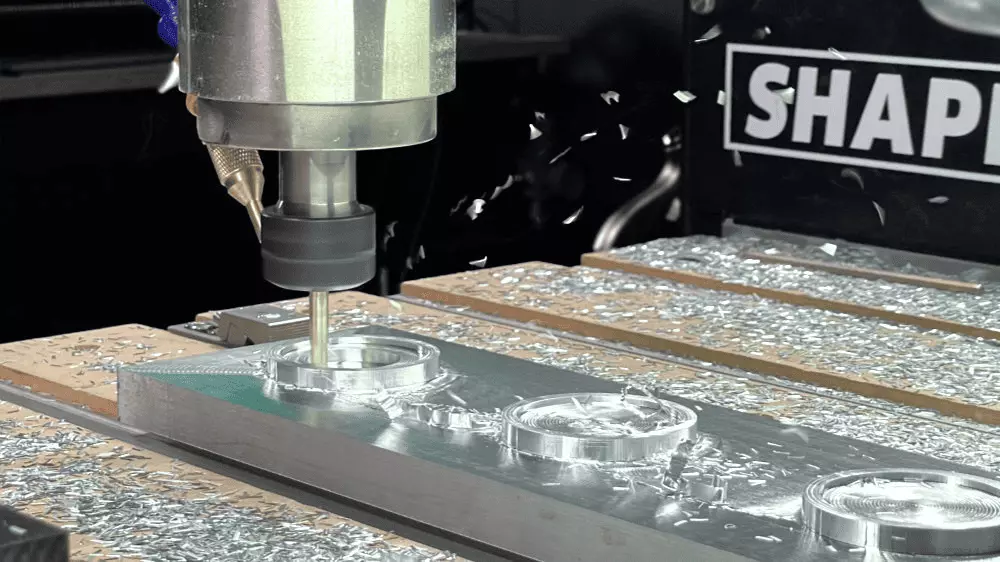
CNC aluminum machining plays a crucial role across a range of industries thanks to its ability to produce high-precision aluminum parts with tight tolerances and complex designs.
- Aerospace: CNC cutting is used to create structural components, brackets, and protective enclosures that require both strength and lightweight precision parts. Aluminum alloys like 7075 are favored here for their superior strength-to-weight ratio and corrosion resistance.
- Automotive: From engine parts to chassis elements and electric vehicle (EV) battery housings, CNC machined aluminum offers durability and efficiency. Its machinability helps keep production fast and cost-effective without sacrificing quality.
- Electronics: Heat sinks, casings, and connectors are commonly fabricated using aluminum CNC milling because of aluminum’s excellent thermal conductivity and corrosion resistance, ensuring effective heat dissipation and long product life.
- Medical and Robotics: Custom implants and lightweight robotic frames benefit from CNC aluminum machining’s ability to deliver intricate, precise components that are biocompatible and strong yet light. This flexibility supports innovation in these cutting-edge fields.
For businesses requiring precision parts, partnering with specialists skilled in advanced CNC techniques can make all the difference. For example, companies like MS Machining provide expert CNC precision engineering services that handle both prototype and high-volume production with consistent quality.
These industry applications highlight how CNC aluminum cutting unlocks performance and design possibilities across sectors.
Best Practices and Tips for Optimal CNC Aluminum Cutting Results
Getting the most out of CNC aluminum machining starts with picking the right aluminum alloy and tooling. Alloys like 6061 or 7075 each have specific strengths and machinability traits, so matching your material to the part’s purpose is key. Good tooling designed for aluminum also ensures sharp cuts and longer tool life, keeping your parts precise and production smooth.
Controlling coolant flow, feed rates, and vibration during machining greatly impacts the quality of your precision aluminum parts. Proper coolant use helps manage heat buildup, preventing warping or surface damage. Adjusting feed rates to fit the alloy and tooling avoids tool wear and maintains tight tolerance machining. Plus, minimizing vibration leads to cleaner cuts and better surface finishes.
If you’re tackling complex designs or need high-volume production, teaming up with experienced providers like MS Machining makes a huge difference. Their expertise in advanced CNC techniques and precision metal fabrication ensures your custom aluminum components come out exactly as planned — whether it’s a prototype or a full production run. For an in-depth look into CNC milling machines and optimizing machining parameters, check out MS Machining’s detailed guide on what is a CNC milling machine.
By following these best practices and relying on skilled manufacturing partners, you can maximize the advantages of CNC aluminum cutting technology for your precision manufacturing needs.