
If you’re involved in electrical components manufacturing, understanding how brass CNC machining services fit into the process is a game-changer. Brass offers unique properties that make it ideal for precise, durable parts essential in electrical applications. In this guide, you’ll discover exactly why brass CNC machining is favored, how it enhances component performance, and what to consider when integrating these services into your production line. Let’s get straight to the point!
Why Brass Is the Ideal Material for Electrical Components
1. Excellent Electrical Conductivity
Brass stands out for its high electrical conductivity, which makes it a top choice for manufacturing electrical components that require efficient energy transfer. This property ensures minimal electrical resistance, improving the performance and reliability of devices. Common applications include electrical connectors, power equipment, and sensor terminals where optimal current flow is critical.
2. Corrosion Resistance
One of brass’s key advantages is its strong resistance to corrosion. This quality is vital for electrical parts exposed to humid, salty, or chemically aggressive environments, as it prevents degradation and maintains component integrity over time. Brass is frequently used in electrical switches and connector housings that must withstand challenging conditions without compromising functionality.
3. Strength and Durability
Brass combines considerable strength with excellent wear resistance, making it suitable for components subjected to mechanical stress and frequent use. Its durability helps electrical parts maintain performance under pressure, which is essential for heavy-duty electrical connectors, terminals, and plugs that require long service life and reliable operation.
4. Easy Machining and Customization
Brass is known for being easy to machine, which perfectly complements brass CNC machining services. Its machinability allows manufacturers to achieve precise dimensions, fine tolerances, and complex geometries essential for electrical components. This flexibility supports the creation of precision electrical connectors, miniature terminals, and customized plugs tailored to specific applications.
By leveraging brass’s unique properties, manufacturers can produce high-quality electrical components that are efficient, durable, and perfectly suited for modern electrical systems.
How CNC Machining Enhances Brass Electrical Components Manufacturing
1. Precision and Tight Tolerances
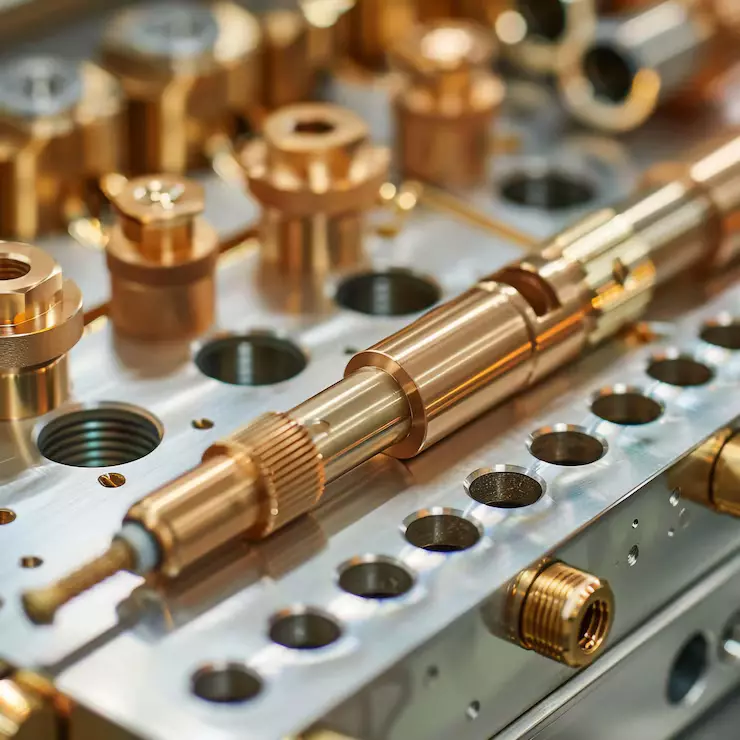
CNC machining provides the exact precision and tight tolerances needed for reliable brass electrical components. This accuracy is essential to meet strict industry standards, ensuring parts like connectors, terminals, and plugs fit perfectly and function flawlessly. Precision machining helps avoid electrical failures caused by poor contact or mechanical issues.
2. Complex Geometries and Custom Designs
Electrical components often require intricate designs and complex shapes to fit tight spaces or unique applications. CNC machining easily handles these demands by producing detailed, custom-designed parts. From micro-sized connectors to specialized terminals, CNC enables manufacturers to create complex brass components that conventional methods can’t achieve.
3. Consistency and Mass Production Quality
When producing large quantities, maintaining uniform quality is critical. CNC machining offers consistent results batch after batch, minimizing human error and ensuring every brass electrical component meets quality expectations. This reliability is especially important in electrical terminals and connectors used in high-volume applications.
4. Cost-Efficiency and Reduced Waste
Brass CNC machining optimizes material use by reducing waste and cutting down on production defects. This efficiency lowers manufacturing costs without sacrificing quality, making high-volume runs more affordable. Smart production planning and precise machining lead to better resource utilization and quicker turnaround times.
For those interested in learning more about the precision manufacturing processes involved, exploring detailed CNC machining basics and comprehensive CNC engineering services can provide valuable insights into how these techniques boost the quality and efficiency of brass electrical components manufacturing.
Key Electrical Components Manufactured with Brass CNC Machining

1. Electrical Connectors and Terminals
Brass is a top choice for electrical connectors and terminals thanks to its excellent electrical conductivity and strong corrosion resistance. These qualities make brass components reliable for consistent electrical flow and long-term use. Using brass CNC machining services ensures precise contact surfaces and tight tolerances, which are critical for secure electrical connections, especially in high-frequency applications.
2. Switches and Relays
Brass parts are commonly used in the housings and internal mechanisms of electrical switches and relays that endure frequent operation. CNC machining boosts their durability and accuracy, resulting in switches and relays that hold up well under constant use, providing stable and reliable electrical performance over time.
3. Heatsinks and Electrical Housings
Thanks to its good thermal conductivity, brass is ideal for heatsinks and electrical housings. These components help manage and dissipate heat generated by electrical systems, ensuring devices don’t overheat. High-precision CNC machining guarantees that these parts meet exact specifications, optimizing heat dissipation and enhancing the overall efficiency of electrical equipment. For related precision metal parts in electrical setups, exploring CNC engineering precision metal plastic parts can be beneficial.
4. Capacitor Terminals and Pins
Brass is frequently used in capacitors for manufacturing terminals and pins. This metal assures stable electrical performance necessary for various capacitor applications. CNC machining delivers the fine precision needed to produce these parts with consistent quality and high electrical reliability, supporting the smooth operation of electronic devices.
Benefits of Brass CNC Machining for Electrical Components
1. Enhanced Performance and Reliability
Brass CNC machining services deliver electrical components that stand out for their superior conductivity, corrosion resistance, and mechanical strength. These qualities ensure parts work reliably over long periods—even in tough environments like humid or chemically active settings. For example, CNC-machined brass electrical connectors are built to perform flawlessly in high-demand situations with minimal risk of failure, providing consistent, stable electrical connections.
2. Faster Prototyping and Reduced Lead Times
Using CNC machining speeds up prototyping dramatically. This means manufacturers can quickly test and refine designs without long waits, helping businesses meet tight schedules and bring products to market sooner. Rapid prototyping of brass electrical connectors is a common practice that leverages precise CNC milling, reducing the cycle from concept to production.
3. Cost-Effective for High-Volume Production
CNC machining is also highly cost-effective for large-scale production runs. The precision of CNC processes reduces material waste and limits defects, which cuts down on costs. This efficiency helps lower the per-unit expense of brass electrical terminals while maintaining consistent, high-quality results across every piece.
| Benefit | Description | Example |
|---|---|---|
| Enhanced Reliability | Superior durability and performance in harsh conditions | High-performance brass connectors |
| Faster Prototyping | Quick design testing and adjustments | Rapid brass connector prototypes |
| Cost-Efficiency | Lower production costs via reduced waste | Large-volume brass terminal manufacturing |
For precision and efficiency in brass electrical component manufacturing, CNC machining stands out as the best approach. If you want to explore how this technology works in detail, check out our guide on what is CNC milling for a clear look at the process involved.