
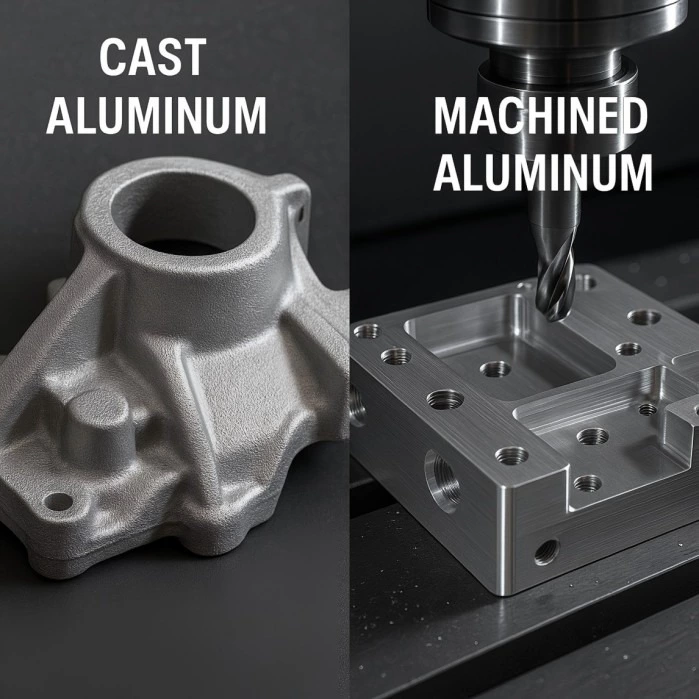
In industrial manufacturing, the decision between casting and CNC machining is frequently reduced to a simple question of production volume. However, for those developing high-precision components for robotics, medical devices, or unmanned aerial vehicles (UAVs), the choice is a more complex negotiation between metallurgical integrity, dimensional stability, and long-term financial risk....
Blog
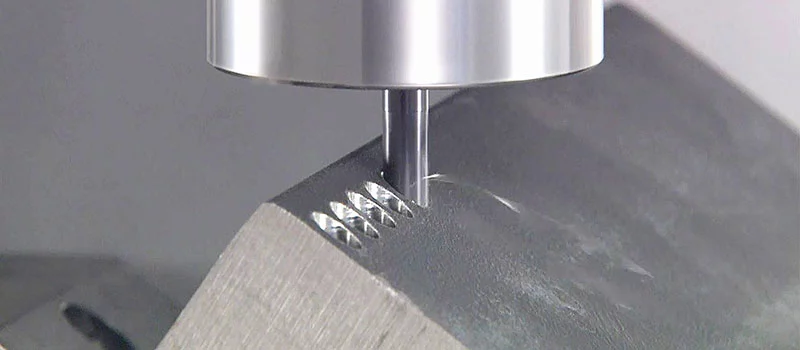
Strategic Machinability: The Hidden Challenges of Achieving ±0.005mm Tolerances in Tough Materials
In the world of high-performance CNC machining, there is a silent, invisible boundary that separates "standard manufacturing" from "elite precision engineering." That boundary is defined by the ±0.005mm tolerance—often simply called the "5-micron zone." To a casual observer, five microns is merely a string of zeros on a technical drawing. To the...
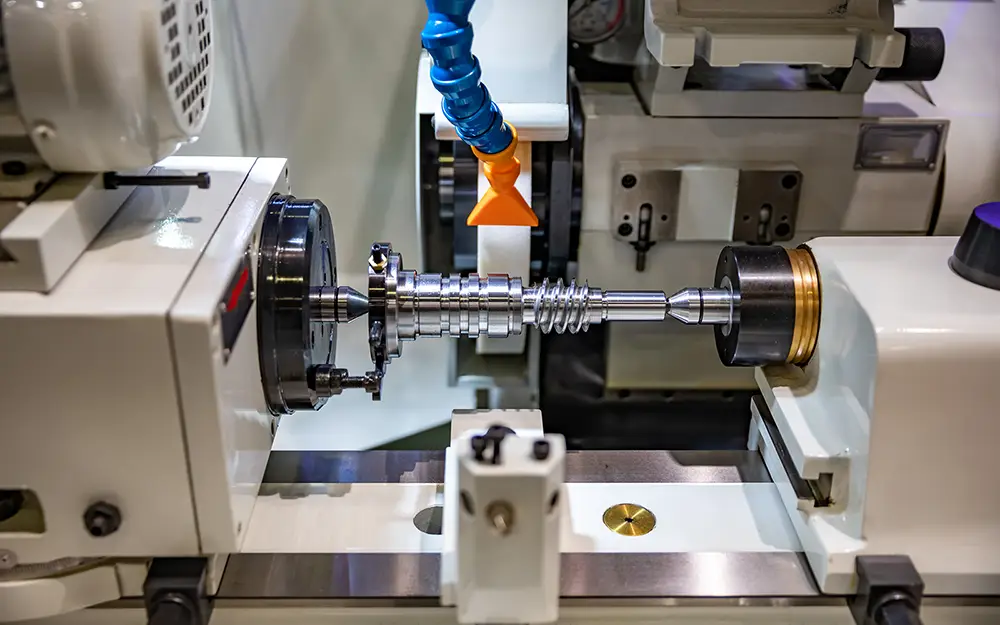
CNC 5-Axis Machining for Complex Geometries and High-Precision Parts
Introduction In modern manufacturing, complex geometries and high-precision parts are standard requirements across industries such as aerospace, medical devices, and precision tooling. Components often feature deep cavities, angled surfaces, multi-axis curves, or free-form surfaces. Traditional 3-axis machining struggles with these components, as multiple setups can introduce cumulative errors, tool vibrations,...
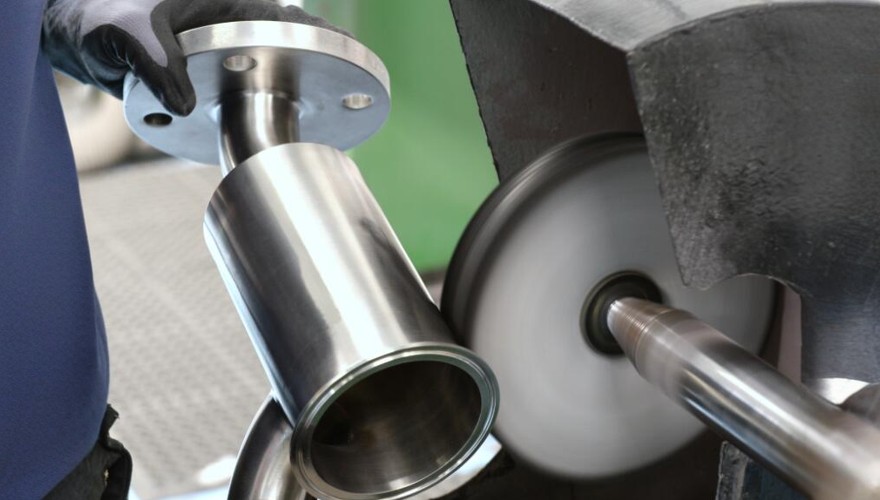
Can You Polish Titanium Tips for a Mirror Finish and Scratch Removal
Can you polish titanium Yes Learn expert tips tools and step-by-step methods to polish titanium jewelry watches and parts to a shiny mirror finish at home

What is Tooling in Manufacturing: A Strategic Guide to Precision, Scalability, and Global Sourcing
In the high-stakes manufacturing ecosystems of surgical robotics, aerospace UAVs, and implantable medical devices, the transition from a digital CAD model to a physical, mass-produced product is governed by a single, critical infrastructure: tooling. While a multi-axis CNC center provides the raw mechanical power, it is the specialized tooling—the cutting...
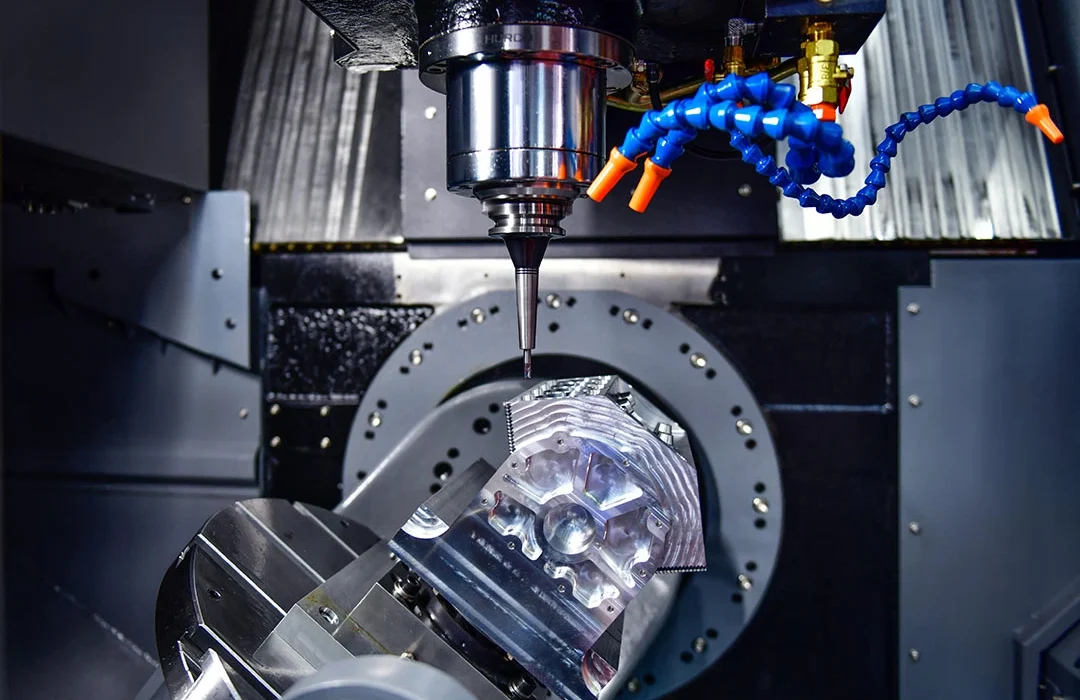
5 Critical Factors in CNC Operations That Protect Your Project’s Bottom Line
In the world of high-precision manufacturing, the transition from a digital CAD model to a physical component is a process governed by the unforgiving laws of thermodynamics and material science. For procurement managers and project leads in sectors like medical devices, surgical robotics, and aerospace UAVs, the quality of CNC operations is the invisible force...