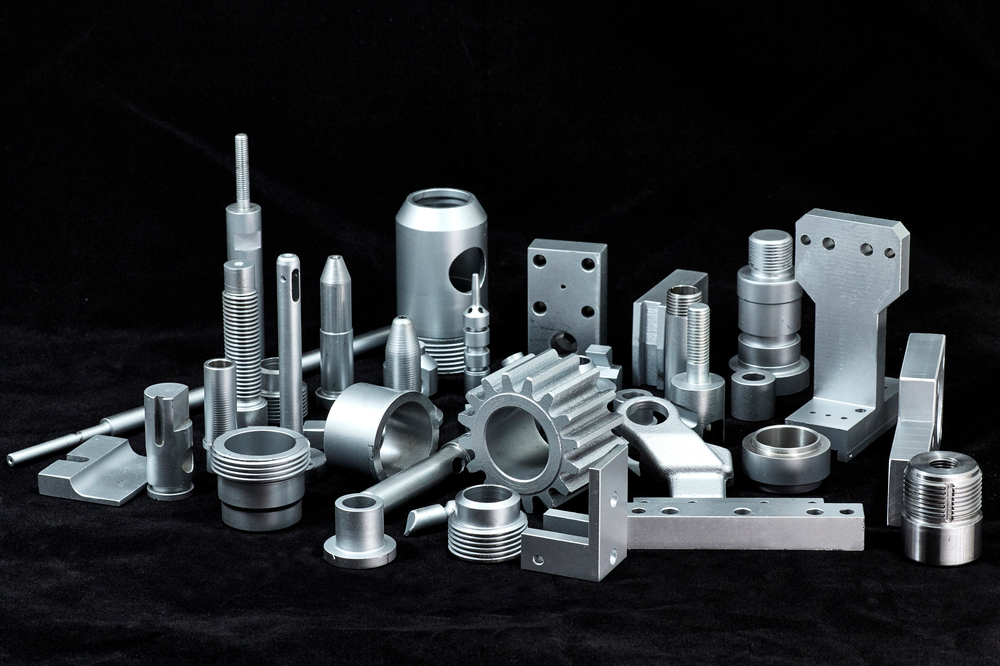

If you’re working with metal parts, you already know precision and efficiency can make or break a project. That’s why aluminum CNC machining has become a game-changer in manufacturing—offering unmatched speed, accuracy, and versatility with lightweight aluminum alloys. Whether you’re designing aerospace brackets, automotive components, or custom prototypes, mastering the ins and outs of this process will save you time and money while delivering top-tier results.
In this guide, you’ll get clear, actionable insights on the best aluminum alloys, machining techniques, and surface finishes—plus expert tips to avoid common pitfalls and optimize every cut. Ready to unlock the full potential of CNC aluminum machining? Let’s get started.
The Fundamentals of Aluminum: Properties That Make It Ideal for CNC Machining
When it comes to aluminum CNC machining, understanding the core properties of aluminum is essential. Aluminum stands out for its excellent strength-to-weight ratio, making it lightweight yet durable—perfect for industries that demand precision without excess weight. Its natural resistance to corrosion and ability to dissipate heat efficiently also contribute to its popularity in CNC applications.
Core Properties of Aluminum for CNC Machining
- Lightweight: Aluminum is about one-third the weight of steel, which simplifies handling and reduces overall product weight.
- Strength and Durability: High-strength aluminum alloys like 6061 and 7075 offer excellent mechanical properties suitable for demanding CNC parts.
- Machinability: Aluminum’s soft, non-ferrous nature allows high-speed aluminum cutting with minimal tool wear, resulting in faster production cycles.
- Thermal Conductivity: Its ability to conduct heat reduces the risk of workpiece deformation during machining.
- Corrosion Resistance: Naturally forms a thin oxide layer, protecting parts from rust and environmental damage.
Aluminum Alloy Selection Guide
Choosing the right aluminum alloy depends on your project needs. Here are some common alloys used in CNC machining:
| Alloy | Key Traits | Typical Applications |
|---|---|---|
| 6061 | Versatile, good strength, weldable | Custom aluminum parts, aerospace components |
| 7075 | High strength, less corrosion resistance | Aerospace, defense, automotive parts |
| 2026 | Excellent fatigue resistance | Military and aerospace applications |
| 5052 | Superior corrosion resistance | Marine and chemical processing parts |
Sourcing and Sustainability
Sustainable sourcing is increasingly important in manufacturing. Aluminum is 100% recyclable without losing quality, making it a responsible choice for aluminum parts manufacturing. Using recycled aluminum reduces energy consumption by up to 95% compared to primary production, lowering your project’s environmental footprint. When partnering with CNC machining providers, always inquire about their material sourcing to ensure sustainability.
Understanding these fundamentals helps in selecting the right aluminum type and approach for your CNC projects, ensuring efficiency, durability, and cost-effectiveness from the start.
How Aluminum CNC Machining Works: A Step-by-Step Breakdown
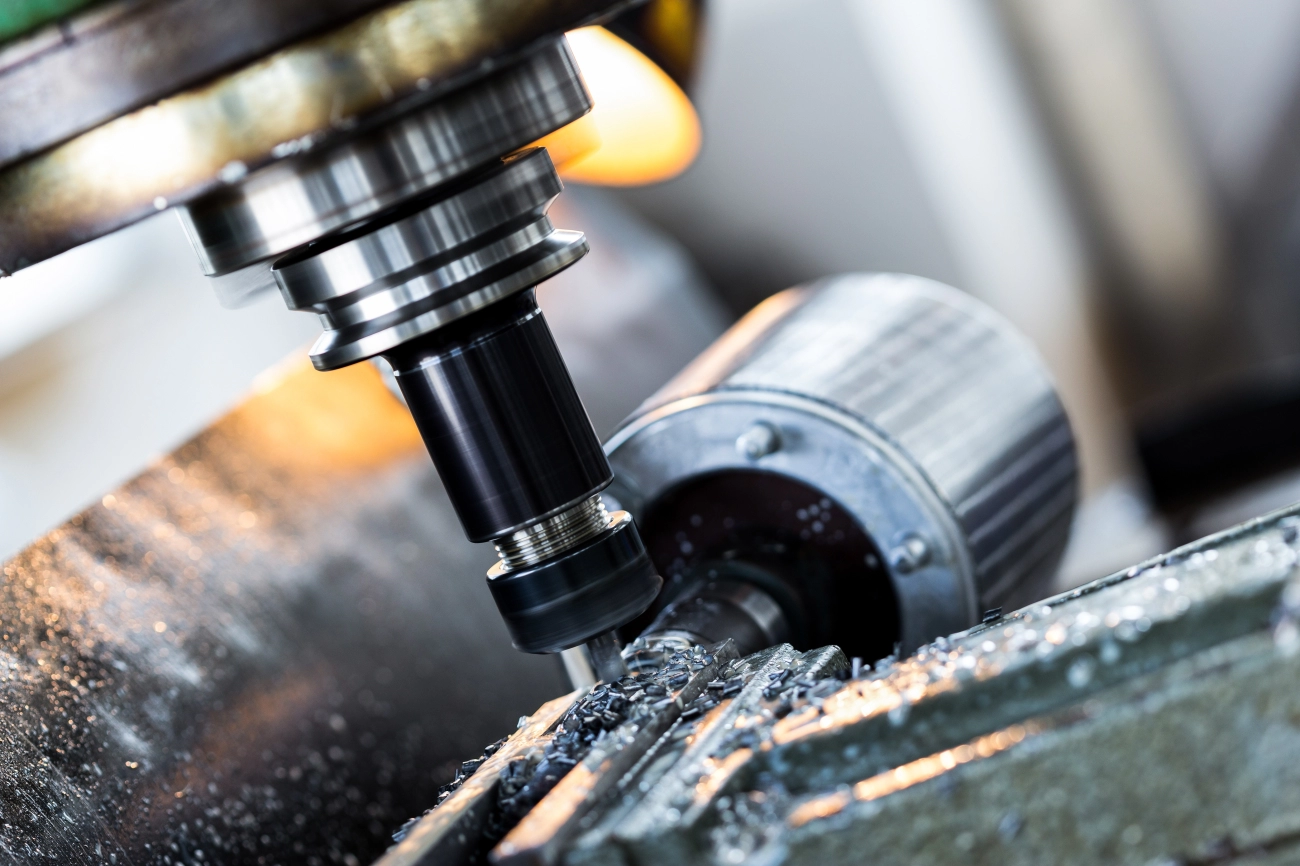
Aluminum CNC machining starts with a clear process that turns raw aluminum into precision parts. Here’s how it typically goes:
Process Overview
Design and Programming: It all begins with a detailed CAD (Computer-Aided Design) file. This digital blueprint is then converted into CNC machine code (G-code) through CAM (Computer-Aided Manufacturing) software. This step defines the tool paths and cutting parameters needed for the aluminum part.
Setup and Fixturing: Next, the raw aluminum stock—whether it’s aluminum alloy 6061 machining or another grade—is securely fixed in the CNC machine using specialized fixturing. Proper setup ensures stability, reducing vibrations for more accurate cuts.
Execution: The CNC machine follows the programmed paths to mill, turn, or drill the aluminum parts with high-speed aluminum cutting tools. This is where the material takes shape, and efficiency matters to maintain tight CNC machining tolerances aluminum demands.
Quality Assurance: After machining, parts undergo inspection for dimensions and surface finish. Tools like coordinate measuring machines (CMM) verify tolerances. For a deeper dive into precision checks, see our guide to metrology and precision in manufacturing.
Key Equipment
- Multi-axis CNC mills and lathes for complex contours and turning
- High-speed spindles for smooth aluminum cutting
- Coolant systems to manage heat and extend tool life
- Digital measuring tools and inspection devices
By following these workflow stages carefully, we ensure that every piece of CNC machining aluminum parts meets exact requirements—whether it’s custom aluminum prototypes or industrial aluminum components. This precise, repeatable process supports everything from rapid prototyping aluminum to full-scale production.
For those interested in how CNC milling integrates with this process, our detailed CNC milling overview can offer additional insights.
Essential Techniques and Best Practices for Flawless Aluminum CNC Results
Getting flawless results in aluminum CNC machining starts with the right approach and tools. Here are the essentials you need to keep in mind:
Tooling Essentials
- Use sharp, high-quality carbide or diamond-coated tools designed specifically for aluminum. They reduce wear and help achieve smooth cuts.
- Employ end mills with polished flutes to prevent aluminum from sticking and clogging the tool.
Coolant and Lubrication
- Proper coolant application is key. Use water-soluble or oil-based coolants to keep your tools and parts cool, reducing heat buildup and preserving accuracy.
- Mist lubrication can be very effective for aluminum since it helps with chip evacuation and reduces surface friction.
Parameter Optimization
- Optimize spindle speed and feed rates based on the aluminum alloy—6061 and 7075 have different machinability profiles. Higher speeds usually work well, but watch out for tool wear.
- Adjust depth of cut to maintain stability and avoid tool deflection, ensuring tight CNC machining tolerances for aluminum parts.
Common Challenges and Fixes
- Burr formation: Minimize by adjusting feeds and speeds, and plan for deburring in post-processing.
- Chip welding: Use high-quality coolant and sharper tools to prevent aluminum chips from sticking to cutters.
- Surface finish inconsistencies: Double-check machining parameters and tooling, and consider anodizing or other finishing services to improve final appearance.
Following these best practices sets you up for consistent, precise, and cost-effective aluminum CNC machining. For more insight on handling specialized components, check out our manufacturing oil and gas equipment services that demand top-tier precision and material expertise.
Applications Across Industries: Where Aluminum CNC Parts Excel
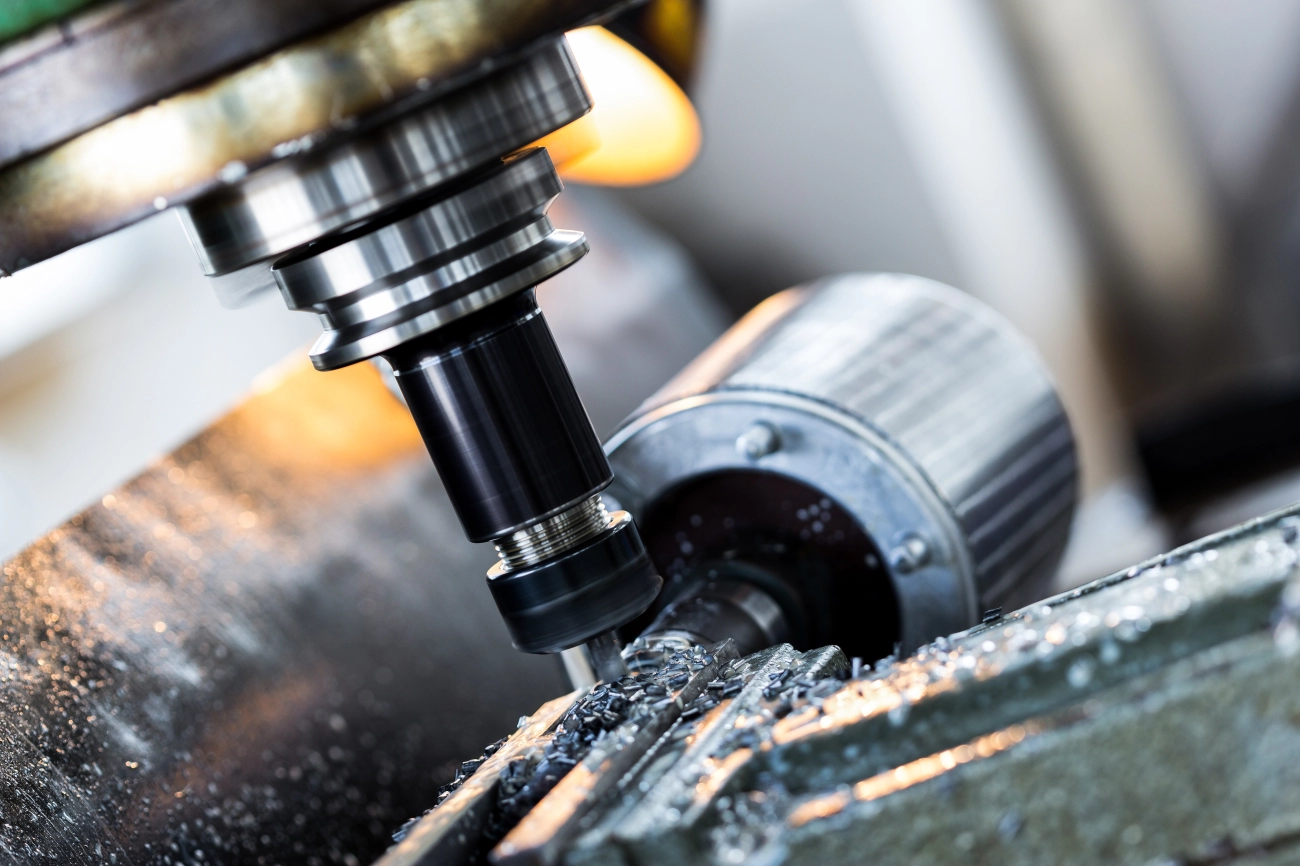
Aluminum CNC machining parts stand out in a variety of industries because of their lightweight strength, corrosion resistance, and precision. Here’s a quick look at where aluminum parts shine:
Aerospace and Defense: Aluminum alloys like 7075 and 6061 are favored for their high strength-to-weight ratio, making them perfect for aircraft components, drones, and defense equipment. Precision CNC milling and turning aluminum helps meet tight tolerances critical in this field. Automotive: Custom aluminum prototypes and production parts help reduce vehicle weight, improving fuel efficiency and performance. Aluminum extrusion CNC and high-speed aluminum cutting enable lightweight engine parts, brackets, and frames. Medical and Electronics: Precision CNC turning aluminum parts create reliable, durable components for medical devices and electronic housings. Anodized aluminum parts offer corrosion resistance and a sleek finish for consumer and professional electronics. Case Study Spotlight:
A recent project involved delivering cost-effective CNC aluminum parts for a medical device manufacturer. Using 6061 aluminum machining combined with advanced quality control, we ensured high precision and consistent surface finish, boosting the product’s reliability and speeding up time-to-market.
For industries looking at complex designs or tight tolerances, understanding CNC aluminum surface finish and machinability of aluminum alloys ensures performance and quality every time. If you want to explore manufacturing options further, check out our insights on CNC machining investment cast parts postprocessing for added precision and finish quality.
Surface Finishes and Post-Processing: Elevating Your Aluminum Parts
Finishing and post-processing are key to making your aluminum CNC parts not only look great but also perform better. Choosing the right surface finish can improve corrosion resistance, wear, and aesthetics for your custom aluminum parts.
Common Finishing Options
Finish Type Benefits Typical Uses Anodizing Improves durability, corrosion resistance, color options Aerospace, automotive, electronics Powder Coating Adds a tough, colorful protective layer Industrial components, outdoor parts Polishing Smooths and brightens surface, reduces friction Medical devices, decorative parts Sandblasting Creates a matte, uniform texture Architectural parts, custom prototypes Passivation Enhances corrosion resistance Marine applications, chemical equipment Tolerance and Inspection
- Aluminum CNC machining tolerances typically range from ±0.001″ to ±0.005″, based on the alloy and part complexity.
- Rigorous inspection ensures parts meet the tightest standards—using CMM machines and surface roughness testers.
- Maintaining tight tolerances is crucial for assembly fit and function, especially for aerospace and medical parts.
Value-Add Services
- Custom engraving or laser marking for branding or part ID.
- Secondary operations like tapping, deburring, or heat treatment.
- Assembly services to deliver ready-to-use aluminum parts components.
Proper finishing and inspection ensure your aluminum CNC machining service delivers parts that meet exact specs and impress with their quality. For advanced prototyping and precision, explore how rapid CNC machining speed & precision applications can complement your project.
Cost Factors and Efficiency Tips for Aluminum CNC Projects

When planning aluminum CNC machining projects, understanding the key cost drivers helps you make smarter choices and boosts your return on investment (ROI). Here’s a quick breakdown of what impacts pricing and how to keep costs efficient:
Pricing Breakdown
- Material Cost: Aluminum alloys vary in price—6061 and 7075 are popular for their strength and machinability but differ in cost. Sourcing high-quality aluminum affects overall expenses.
- Setup and Programming: Initial design work, CAM programming, and machine setup add to upfront costs, especially for custom aluminum parts or prototypes.
- Machining Time: More complex geometries or tight CNC machining tolerances aluminum require longer cutting times, raising labor and machine use costs.
- Tooling and Consumables: Tool wear from high-speed aluminum cutting and coolant usage contribute ongoing expenses.
- Finishing and Inspection: Post-processing like anodizing or surface finishing adds value but also extra cost.
Scaling Strategies to Save
- Batch Production: Ordering in larger volumes reduces the cost per part by spreading setup and programming fees.
- Design for Manufacturability: Simplify geometries where possible to lower machining time without sacrificing function.
- Leverage Standard Alloys: Using common grades like aluminum alloy 6061 machining minimizes material expenses and tooling complications.
- Optimized Toolpaths: Efficient CNC aluminum milling programs reduce cycle times and wear on tools.
Maximizing ROI
Investing in precision aluminum CNC turning and milling pays off when you balance quality and cost-effectiveness. Work with experienced providers who can advise on the best alloys, finishes, and machining strategies to meet your budget without compromising on performance. For specialized insights into aluminum parts manufacturing and project planning, consider exploring detailed guides on aluminum CNC machining materials and expert aluminum CNC machining services.
By keeping these factors in mind, you can achieve cost-effective CNC aluminum production tailored to your specific needs.
Choosing a Reliable Partner: Why MS Machining Delivers Superior Aluminum CNC Services
When it comes to aluminum CNC machining, partnering with a reliable and experienced provider is key to getting the best results. At MS Machining, we bring years of expertise with advanced CNC aluminum milling and turning capabilities, ensuring every part meets your exact specifications. Our team specializes in machining custom aluminum parts, including complex prototypes and high-volume production runs, using materials like 6061 and 7075 aluminum alloys for optimal machinability and strength.
What sets us apart is our commitment to precision and consistency. We utilize cutting-edge equipment and streamlined workflows to maintain tight CNC machining tolerances aluminum demands. Plus, we offer value-added services like anodized aluminum parts and expert surface finishing to enhance durability and aesthetics. Our transparent process and quick turnaround times make us a preferred choice for industries requiring industrial aluminum components that perform every time.
Our clients consistently praise our attention to detail, responsiveness, and ability to deliver on time—even for cost-effective CNC aluminum projects with tight deadlines. Don’t settle for less when you need accuracy and quality in your aluminum CNC machining service.
Ready to experience unmatched precision and service? Contact MS Machining today and see why so many businesses trust us for their aluminum parts manufacturing needs. Explore our full range of precision CNC milling services to get started.