
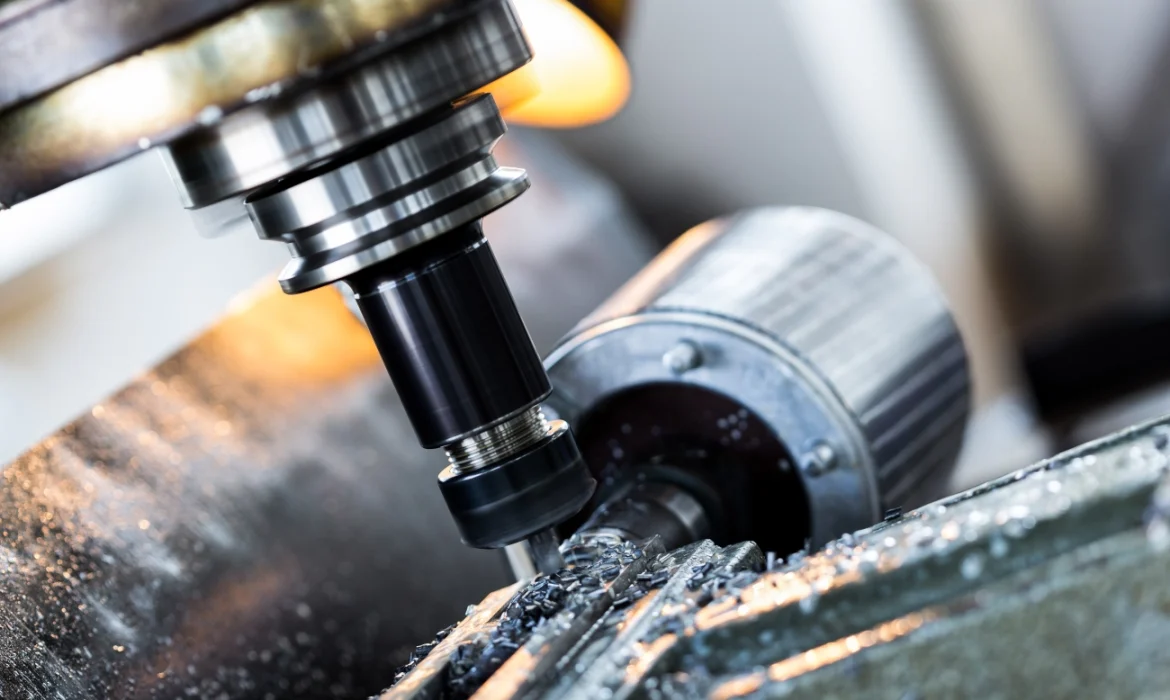
Why Choose Aluminum for CNC Machining? Key Properties and Advantages
Wondering why aluminum is the go-to choice for CNC machining? It’s not just about popularity—aluminum offers a unique blend of properties that make it perfect for precision CNC aluminum parts. Let’s break down what sets aluminum apart.
Aluminum’s Inherent Strengths
| Property | Benefit |
|---|---|
| Lightweight Density | About 1/3 the weight of steel—ideal for reducing overall part weight |
| Excellent Strength-to-Weight Ratio | Strong enough for demanding applications without bulk |
| Corrosion Resistance | Naturally forms a protective oxide layer, great for outdoor and marine use |
Simply put, aluminum delivers strength without adding heavy weight, making it a top pick across industries like aerospace and automotive where every ounce matters.
Machinability Edge of Aluminum
When it comes to CNC machining, aluminum stands out for its ease of cutting and tool-friendliness. Here’s why:
- Faster Cutting Speeds: Aluminum lets you ramp up spindle RPMs without sacrificing tool life.
- Reduced Tool Wear: Soft but strong, it’s gentler on carbide-coated tools, meaning less frequent replacements.
- Energy Savings: Less cutting force means lower power consumption.
This translates into faster production cycles and lower overall machining costs—a win-win for custom aluminum components.
Environmental and Economic Benefits
Aluminum isn’t just good for performance; it’s kind to budgets and the planet:
- Highly Recyclable: Aluminum can be recycled repeatedly with minimal loss of quality, cutting raw material demand.
- Abundant Resource: One of the most common metals in the Earth’s crust, ensuring steady supply and stable pricing.
- Affordable: Compared to exotic alloys, aluminum provides a perfect balance of cost and performance.
Aluminum CNC Parts Across Industries
Aluminum’s versatility shines in applications such as:
- Aerospace: Lightweight frames and heat exchangers needing tight tolerances.
- Automotive: Engine components, chassis parts, and lightweight structures.
- Electronics: Housings and heat sinks benefiting from thermal conductivity.
- Consumer Goods: Durable, sleek casings and fixtures.
For any project where precision CNC milling aluminum parts are needed with speed and quality, aluminum’s your material of choice.
Ready to capitalize on aluminum’s machining benefits? MS Machining leverages this metal’s strengths to deliver high-quality, cost-effective CNC aluminum parts tailored to your needs.
Common Aluminum Alloys for CNC Machining: Selecting the Right Material
When it comes to aluminum CNC machining, choosing the right alloy is crucial. Aluminum alloys generally fall into three categories: wrought alloys, which are mechanically worked for strength and finish; cast alloys, designed for fluidity during casting but less common in CNC chips; and specialized alloys tailored for unique properties like extra corrosion resistance or thermal performance.
Here are some common aluminum alloys you’ll encounter:
- 6061: This is a versatile, popular choice with good tensile strength, excellent corrosion resistance, and superior machinability. It’s ideal for structural applications and finishes well with anodizing, making it great for projects like drone frames where weight and durability are key.
- 7075: Known for its high strength, this alloy is preferred in aerospace and automotive parts where toughness is critical. It’s less corrosion-resistant but machines well with the right tooling.
- 2024: Offers excellent fatigue resistance and strength, often used in aerospace parts where weight saving and long-term performance matter.
- 2011: Sometimes called “free machining” aluminum, it has high machinability thanks to added lead but is less corrosion resistant.
When selecting an alloy, consider factors like tensile strength, thermal conductivity, and anodizing compatibility. For example, 6061’s good thermal properties help with heat dissipation during high-speed milling, while its anodizing ability allows for custom finishes.
MS Machining Tip: For lightweight, strong drone frames, optimizing 6061 aluminum through careful tool path planning and feed rates can reduce weight without sacrificing stability. This alloy balances machinability and strength, helping you get the most out of your CNC processes.
For more insights on precision metal components, consider exploring our detailed guides on machining brass, which offer parallels in tooling and finishing techniques that can apply to aluminum alloys.
Essential CNC Machining Processes for Aluminum
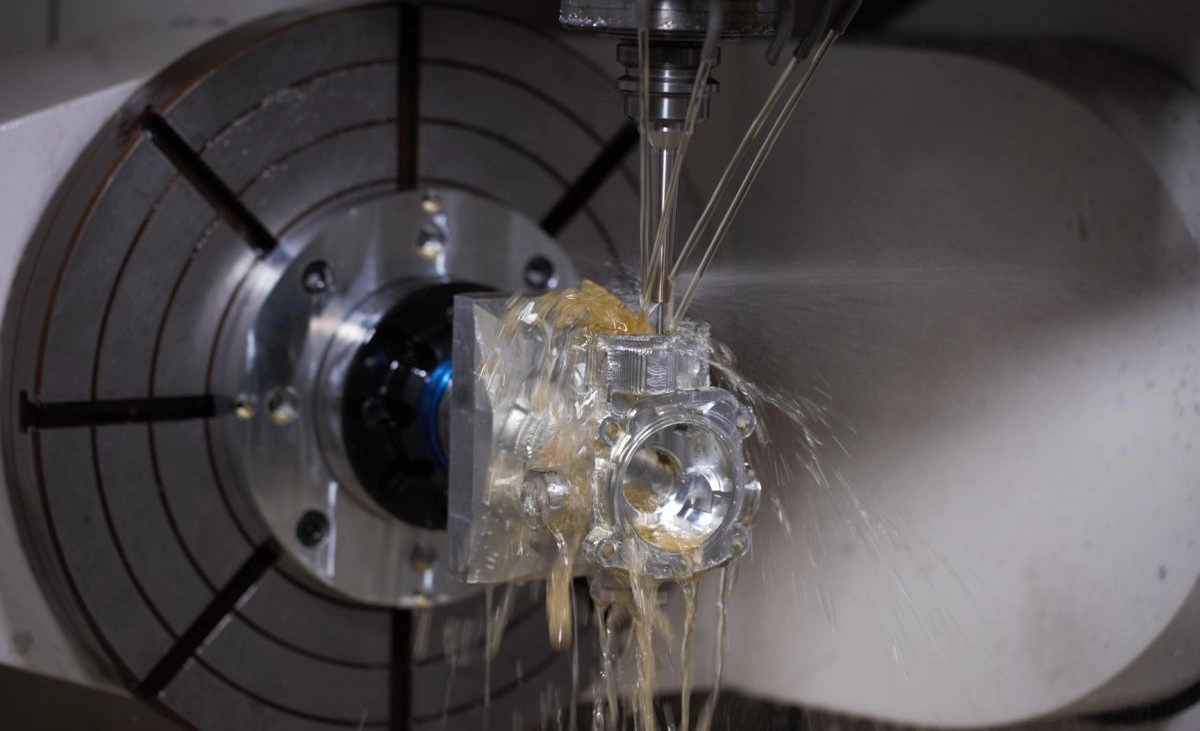
Aluminum CNC machining starts with core subtractive methods, transforming digital designs into precise parts. The process begins with CAD modeling, where designers focus on critical details like tolerances and fillets to ensure parts meet specifications and improve durability.
Once the digital model is ready, it gets translated into G-code, the language CNC machines use to guide cutting paths. Preparing the material involves selecting aluminum billets and setting up proper fixturing to hold parts securely during machining for accuracy and safety.
Primary machining operations for aluminum include:
-
Milling: Often done with multi-axis CNC mills, which allow complex shapes and precise cuts. Tool selection is key here—carbide and coated tools help optimize aluminum cutting, reducing wear and heat.
-
Turning: Suitable for cylindrical aluminum parts, this involves chuck rotation and sometimes live tooling to add features like grooves or threads.
-
Drilling and tapping: To create holes and threads, these processes require specialized bits and precise control to avoid damage or material distortion.
In addition to these standard methods, advanced cutting techniques like plasma, laser cutting, and waterjet are sometimes used for aluminum prototypes or complex parts. These methods offer clean cuts and limited heat impact, preserving material properties.
From the initial CAD design to the final cut piece, this workflow ensures high-quality, custom aluminum components ready for aerospace, automotive, and electronics applications with reliable consistency.
For more on finishing processes that improve aluminum parts, check out our guide on anodizing aluminum and how it works.
Overcoming Challenges in Aluminum CNC Machining
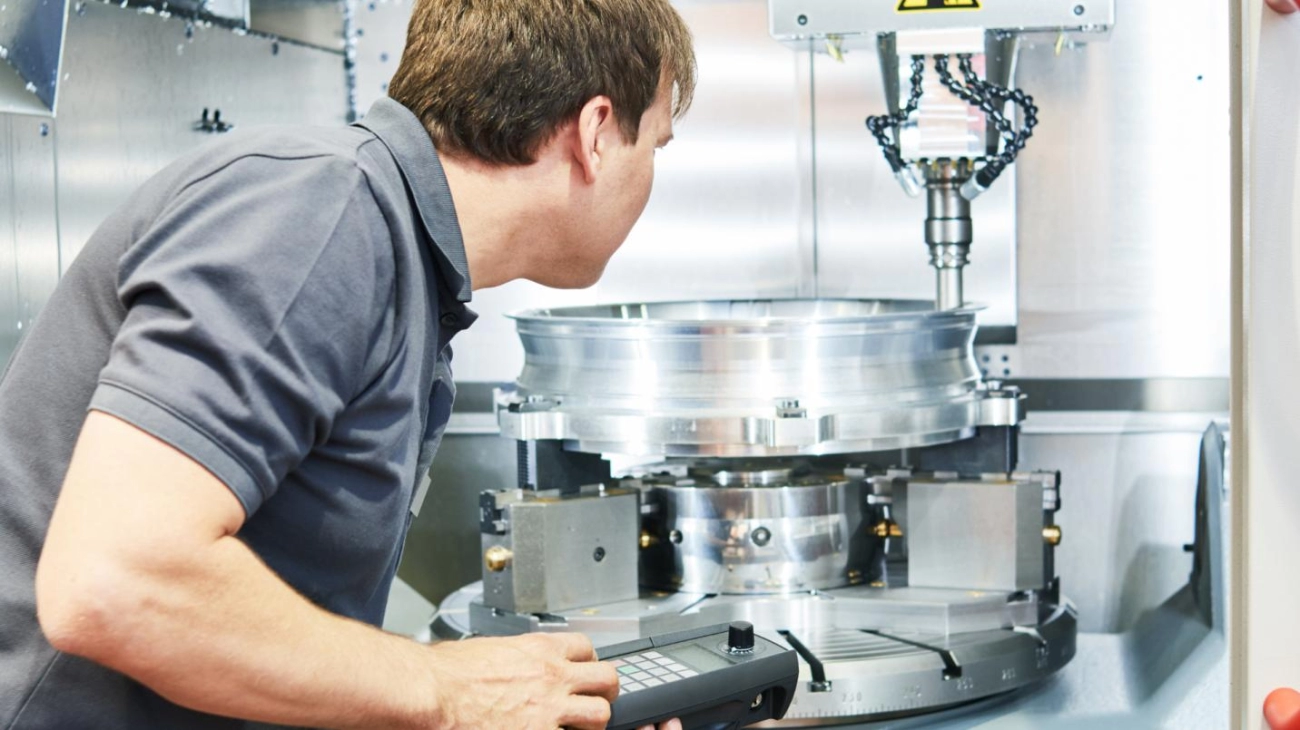
Aluminum CNC machining comes with unique challenges that can impact quality and efficiency. Common issues include chip buildup, thermal distortion, and chatter—all of which can cause surface imperfections or tool damage if not managed properly.
Key Solutions for Common Issues
- Chip buildup: Aluminum tends to produce long, sticky chips that can clog tools and slow production. Using high-quality carbide-coated tools with proper chip evacuation systems helps keep cutting clean.
- Thermal distortion: Aluminum’s high thermal conductivity means heat can quickly warp parts. Controlling RPM and feed rates, combined with effective coolant strategies, minimizes heat buildup.
- Chatter: Vibrations during machining lead to chatter marks. Reducing cutting speed, optimizing tool paths, and using rigid fixturing minimizes this.
Best Practices in Design and Machining
- Minimize sharp corners and add relief cuts to reduce tool stress.
- Employ tool path simulation to catch potential issues before cutting.
- Adjust spindle speeds and feeds based on the specific aluminum alloy and part geometry.
Managing Cost and Scalability
For small-batch or prototype runs, flexible hybrid machining approaches balance cost and precision. MS Machining offers solutions tailored to both one-offs and larger production, ensuring cost efficiency without sacrificing quality.
Real-World Success: MS Machining’s Advanced Cooling
Our proprietary cooling system effectively reduces thermal defects and chip buildup, improving surface finish and tool life. This approach enables smoother, higher-speed cutting processes, especially on precision CNC aluminum parts.
For more on how precision setups enhance outcomes, explore our detailed precision CNC machining services.
Post-Processing and Finishing Techniques for Superior Results
After CNC machining aluminum parts, post-processing is key to achieving the right look, durability, and precision. Common surface enhancements include anodizing, which boosts corrosion resistance and allows for vibrant, long-lasting finishes. Powder coating adds a tough, colorful layer that resists wear, while bead blasting creates a smooth, matte texture that also helps hide surface imperfections.
To ensure every piece meets strict specs, CMM inspection (Coordinate Measuring Machine) is vital. This process checks for tight tolerances and consistency, especially important in aerospace and automotive aluminum machining.
Customization is on the rise, with many shops integrating 3D printing for complex overlays or combining engraving for branding and traceability. These options help tailor parts without compromising strength or fit.
Sustainability also plays a big role. Eco-friendly finishes reduce environmental impact and extend the lifespan of aluminum components, supporting greener manufacturing goals. Choosing the right finishing technique balances appearance, protection, and environmental responsibility.
For more about working with metal parts and ensuring high quality, check out our insights on stainless steel casting CNC machining quality.
Tools, Machines, and Setup for Successful Aluminum CNC Projects
Choosing the right tools and machines is key to CNC aluminum machining success, whether you’re a beginner or a seasoned pro. For beginners and small shops, desktop mills offer an affordable entry point with decent precision, while industrial gantry systems handle larger parts with higher efficiency and tighter tolerances.
Essential Accessories for Aluminum CNC
- Coolant systems: Keep your aluminum parts cool during high-speed cuts to reduce thermal distortion and extend tool life.
- Vacuum fixturing: Secure lightweight aluminum billets firmly without deforming the material.
- CAM software: Streamline programming and optimize tool paths tailored for aluminum’s properties, boosting efficiency.
Safety and Maintenance Tips
- Effective chip evacuation prevents buildup that can damage cutting tools and surfaces.
- Regular tool sharpening is crucial since dull bits increase heat and reduce finish quality.
- Machine calibration ensures accuracy over time, especially important for precision CNC aluminum parts.
Budget and ROI Recommendations
- Small-batch projects can benefit from cost-efficient desktop mills and basic coolant setups.
- Larger production runs justify investing in industrial-grade CNC milling machines and advanced vacuum fixtures to maximize throughput and precision.
- Consider total ROI by balancing upfront equipment costs against reduced scrap, faster cycles, and part quality.
For more on machine options tailored to aluminum machining, explore high-quality CNC milling machines designed for performance and reliability in precision aluminum work.
Case Studies and Expert Insights from MS Machining
At MS Machining, we’ve tackled a variety of aluminum CNC machining projects that highlight what’s possible when using the right alloys and techniques. One standout example is our recent prototyping of heat exchangers, where we achieved faster turnaround times thanks to optimized CNC milling aluminum processes and careful alloy selection. This project not only demonstrated the benefits of aluminum’s machinability but also our ability to fine-tune production steps for efficiency and precision. You can explore the details of these projects in our deep dive into heat exchanger parts and efficient thermal system components.
Over time, we’ve learned that alloy choice profoundly impacts part quality and machining ease—especially when dealing with vibration control and tool wear. For example, selecting alloys like 6061 or 7075 based on application needs and adjusting speed/feed rates can minimize chatter and extend tool life. Our process tweaks often include using AI-optimized CNC paths, which help us reduce cycle times and improve consistency across batches.
Looking ahead, sustainable alloys and AI-driven machining strategies are shaping the future of aluminum CNC machining. These innovations promise not just better materials but smarter workflows that cut waste and energy use. At MS Machining, we’re excited to integrate these technologies to deliver more precise, cost-effective custom aluminum components to clients across aerospace, automotive, and electronics industries.