
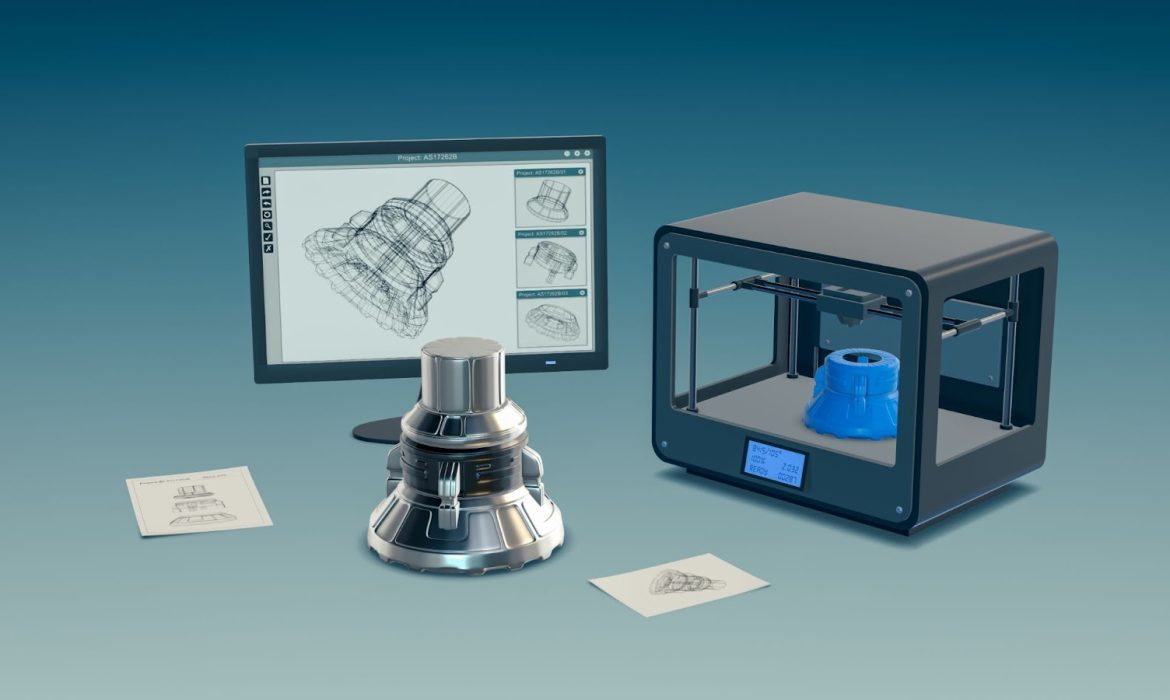
What Is Rapid Prototyping and How Does It Work?
Rapid prototyping is a fast, cost-effective approach to creating physical models from digital designs. It turns CAD (Computer-Aided Design) files into tangible prototypes quickly, allowing teams to test, refine, and improve products early in the development cycle.
Core Process: From CAD to Physical Prototype
The process typically follows these steps:
- Design: Create a 3D model using CAD software.
- Preparation: Convert the CAD file into a format compatible with prototype machines.
- Fabrication: Build the prototype layer by layer or through subtractive methods like machining.
- Post-Processing: Finish the part by cleaning, sanding, or assembling.
Common Rapid Prototyping Technologies
| Technology | Description | Typical Use Cases |
|---|---|---|
| CNC Machining | Uses computer-controlled tools to remove material from solid stock, achieving consistent accuracy and repeatable results across batches. | Functional prototypes, production parts, components requiring tight tolerances |
| CNC Turning | Rotates the workpiece while cutting tools shape cylindrical or round components with high dimensional control. | Shafts, bushings, pins, threaded parts |
| CNC Milling | Uses rotating cutting tools to machine complex shapes, pockets, and flat surfaces from solid materials. | Housings, brackets, plates, complex geometries |
| Multi-Axis CNC Machining | Enables machining from multiple angles in a single setup, reducing repositioning and improving accuracy. | Complex parts, tight positional tolerances, reduced setup errors |
| Hybrid Approaches | Integrates CNC machining with secondary processes to balance surface quality, dimensional accuracy, and design complexity. | Parts requiring smooth finishes, intricate features, or post-processing |
Rapid Prototyping vs. Traditional Methods
| Aspect | Rapid Prototyping | Traditional Prototyping |
|---|---|---|
| Speed | Hours to days | Weeks to months |
| Cost | Lower initial cost, no tooling | Expensive molds and tooling required |
| Design Flexibility | Supports complex geometries & quick changes | Limited by manual processes & tooling |
| Material Options | Various plastics, resins, metals (depending on tech) | Mainly injection-molded plastics |
| Iteration | Fast and easy design revisions | Slow, costly, and labor-intensive |
Rapid prototyping accelerates product design and validation, helping businesses achieve faster time-to-market and better product quality through multiple, affordable iterations. It’s a game-changer in manufacturing innovation and a key benefit in today’s competitive US market.
Key Advantages of Rapid Prototyping
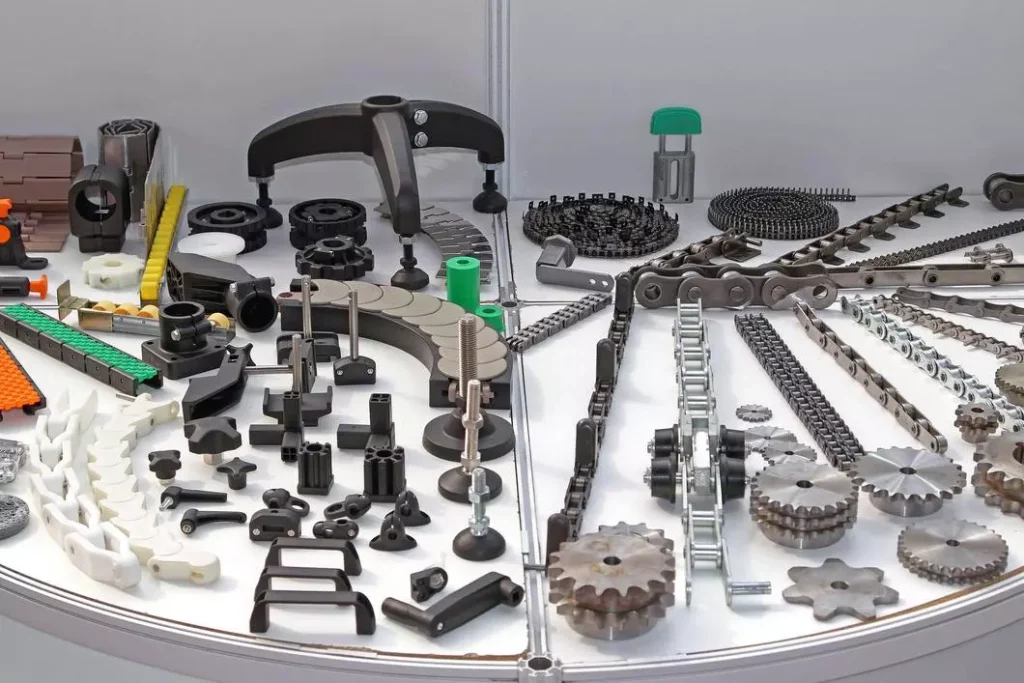
Rapid prototyping offers many benefits that streamline product development. Here’s a quick rundown of its top advantages:
| Advantage | Details | Impact |
|---|---|---|
| 1. Accelerated Time-to-Market | Faster iteration cycles with quick design changes reduce overall development timelines. | Launch products ahead of competitors. |
| 2. Significant Cost Savings | Cuts costs by avoiding pricey tooling early and lowers waste and rework expenses. | Saves money during early project stages. |
| 3. Enhanced Design Flexibility | Allows easy tweaks and multiple design variations, including complex shapes. | Supports innovation and creativity. |
| 4. Early Detection of Design Flaws | Functional prototypes enable testing before production. | Minimizes costly fixes after manufacturing. |
| 5. Improved Collaboration | Produces physical models that improve communication between teams and clients. | Better stakeholder feedback and ergonomic input. |
| 6. Greater Customization | Perfect for small batches or custom parts, popular in medical and consumer products. | Tailors products to specific needs. |
| 7. Reduced Material Waste & Sustainability | Additive methods use materials efficiently and support eco-friendly manufacturing. | Promotes greener production processes. |
By leveraging these rapid prototyping benefits, businesses in the U.S. can reduce costs, speed up development, and improve product quality. Industries from aerospace to consumer goods increasingly rely on technologies like 3D printing and CNC rapid prototyping to stay competitive.
For example, MS Machining helps clients optimize production by combining precision prototyping with expert manufacturing processes, linking rapid innovation to high-quality final products. Learn more about how advanced manufacturing methods compare by checking out our insights on investment casting vs CNC.
Real-World Applications and Case Studies
Rapid prototyping is transforming industries by speeding up product development and improving design accuracy across automotive, aerospace, medical, and consumer goods sectors. In automotive, it allows for quick testing of parts and assemblies, reducing costly redesigns. Aerospace companies use it to create lightweight, complex components that would be difficult or expensive with traditional methods. Medical device makers benefit from rapid prototyping by producing customized implants and surgical tools tailored to patient needs. Consumer products see faster innovation cycles and better user feedback through physical prototypes.
At MS Machining, we leverage rapid prototyping techniques combined with precision CNC machining to deliver high-quality, functional prototypes. This approach ensures parts meet strict tolerances and material requirements right from early development stages. For example, our expertise in CNC machining Hastelloy steel parts and aluminum CNC machining lets us create durable prototypes that simulate final product performance closely. Integrating additive manufacturing with CNC processes means we can provide customized solutions that accelerate design iteration and validation.
If you’re interested in how CNC machining complements rapid prototyping, check out our detailed CNC machining Hastelloy steel parts and aluminum CNC machining services to see how precision and innovation come together in prototype development.
These real-world applications highlight the benefits of rapid prototyping not just in speeding up the design iteration process, but also in ensuring high-quality, cost-effective solutions that bring products to market faster and with less risk.
Potential Limitations and How to Overcome Them
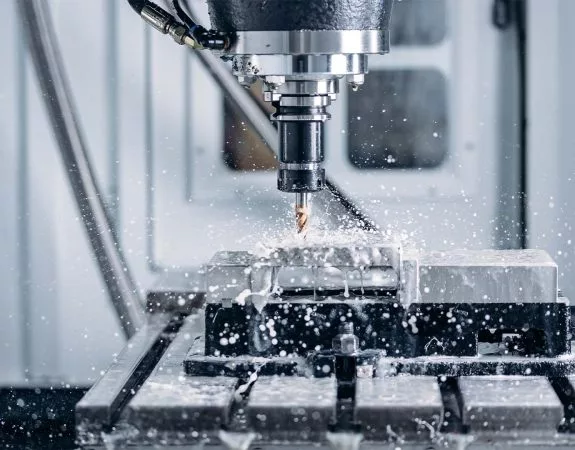
While rapid prototyping offers many benefits, it’s important to be aware of some limitations and how to address them effectively.
Material Strength Constraints
Some rapid prototypes, particularly those produced with fast turnaround machining or lower-grade materials, may not fully match the strength or durability required for final production parts. This can limit the accuracy of functional testing, especially in applications where load-bearing capacity, wear resistance, or long-term reliability are critical.
To address this, manufacturers often select CNC machining with production-grade materials or apply hybrid approaches that combine different machining and finishing processes. By using higher-strength metals or engineering plastics through rapid CNC machining services, prototypes can more accurately reflect real-world performance while maintaining reasonable lead times.
Balancing Speed with Production Readiness
Rapid prototyping speeds up iteration but sometimes prioritizing speed can lead to gaps between the prototype and the final manufactured product. It’s crucial to plan for a transition phase where design tweaks based on prototype feedback align with manufacturing constraints. Working with experienced partners helps here; they understand how to bridge prototyping and production efficiently.
Tips for Maximizing Benefits
- Choose prototyping methods suited to your design goals and material requirements
- Use prototypes primarily for design validation and functional testing, not as the final product
- Pair rapid prototyping with proven manufacturing methods for smoother scale-up
- Collaborate with providers offering a wide range of technologies and materials, like MS Machining, known for their expertise in rapid CNC machining applications
By understanding these constraints and using smart strategies, you can unlock the full advantages of rapid prototyping for any product development project.
Choosing the Right Rapid Prototyping Partner
Finding the right partner for rapid prototyping can make all the difference in your product development journey. Here are key factors to consider when selecting a provider:
| Factor | Why It Matters |
|---|---|
| Technology Capabilities | Ensures access to a range of CNC machining processes, including milling, turning, multi-axis machining, and hybrid manufacturing methods, supporting complex and high-precision parts. |
| Material Options | Enables prototypes to be made from production-grade metals and engineering plastics, allowing accurate evaluation of strength, fit, and functional performance. |
| Expertise and Experience | Helps guide design adjustments, identify machining challenges early, and reduce risks during prototyping and transition to production. |
Working with experienced providers like MS Machining offers clear advantages. They bring advanced CNC rapid prototyping skills and flexible additive manufacturing prototyping capabilities to the table, accelerating your time-to-market while keeping costs down. Plus, their knowledge of precision manufacturing methods helps ensure your prototypes meet stringent quality standards.
Choosing a partner who understands your specific industry needs and offers a range of services means smoother collaboration, faster iterations, and ultimately, better products.