
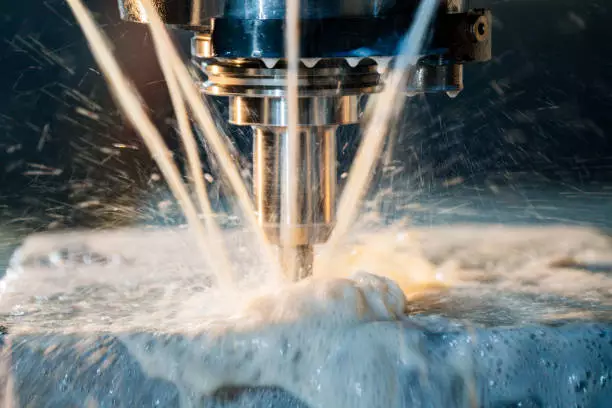
Why 3-Axis CNC Is Still the Most Practical Choice for Low-Volume Manufacturing
For projects requiring rapid prototyping, tooling, or small-batch production, 3-axis CNC machining remains an indispensable and highly practical solution. Its balance of precision, efficiency, and cost-effectiveness makes it a cornerstone for manufacturers in various industries. At MS Machining, we leverage advanced 3-axis CNC technology to deliver complex, high-precision parts tailored for low-volume demands.
When 3-axis machining makes more sense than 5-axis
While 5-axis machining offers unparalleled versatility for highly complex geometries, 3-axis CNC machining often proves to be the superior choice for a significant range of components. For parts that primarily feature planar surfaces, vertical cutting, or require fewer complex angles, 3-axis operations achieve the necessary precision and surface finish without the increased complexity and cost associated with 5-axis machines. This efficiency translates directly into faster turnaround and more competitive pricing for suitable designs.
Cost structure in prototype and small-batch production
The cost structure for 3-axis CNC machining is particularly advantageous for prototypes and small-batch runs. Lower initial programming and fixturing expenses, combined with the proven reliability of the process, reduce overall project costs. MS Machining provides high-quality 3-axis machining solutions at competitive prices, ensuring that even low-volume projects receive premium attention and precision, specifically up to +/- 0.005mm tolerances.
How setup time impacts unit cost in low-volume runs
In low-volume manufacturing, minimizing setup time is crucial for controlling unit costs. 3-axis CNC machining typically involves simpler fixturing and less complex programming compared to multi-axis alternatives. This reduced complexity leads to shorter setup times, which, when spread across a smaller number of units, significantly lowers the per-part cost. Our efficient processes ensure rapid turnaround, making 3-axis CNC an ideal choice for projects where speed and cost-effectiveness are paramount.
Understand the Real Limitations of 3-Axis CNC Machining Before Designing
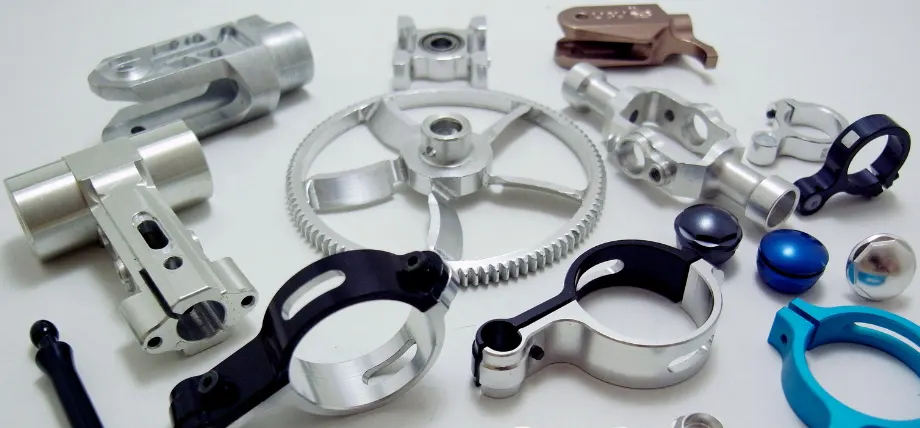
Before committing to a 3-axis CNC machining approach, it’s crucial to understand its inherent limitations. Recognizing these early in the design phase can prevent costly revisions and delays. While highly versatile, 3-axis CNC machining isn’t a one-size-fits-all solution for every complex part.
Tool access constraints and vertical-only cutting direction
Our 3-axis CNC machines operate along the X, Y, and Z axes, meaning the cutting tool always approaches the workpiece from a single, typically vertical, direction. This limits access to certain part features. If a feature isn’t accessible from the top, or requires an angled cut that isn’t perpendicular to one of the main axes, it often necessitates rotating and re-clamping the part. This restriction impacts the complexity of features you can machine without additional setups. For instance, creating certain types of CNC bracket designs requires careful consideration of how mounting features will be accessed.
Deep cavities and long tool deflection risks
Machining deep pockets or intricate cavities with 3-axis CNC presents a challenge. To reach the bottom of these features, we must use longer cutting tools. The increased length of the tool, however, makes it more susceptible to deflection during machining. This deflection can lead to several problems: inconsistent wall thicknesses, poor surface finish, dimensional inaccuracies, and even premature tool wear or breakage. Managing deep cavity milling often means slower material removal rates and longer cycle times to maintain precision.
Multiple setups: the hidden cost driver
One of the most significant, yet often overlooked, limitations of 3-axis CNC machining is the need for multiple setups for parts with features on multiple sides. Every time a part needs to be re-oriented and re-clamped to access a new machining surface, it adds considerable time and cost. Each setup involves:
* **Manual labor:** Our skilled machinists spend time un-clamping, re-positioning, and re-clamping the part.
* **Re-datum setting:** We must re-establish the part’s zero point for accurate machining.
* **Increased lead time:** Each additional setup extends the overall project timeline.
For low-volume production or prototyping, these hidden costs can quickly accumulate, impacting your budget.
Surface finish inconsistency caused by repositioning
When a part requires multiple setups, there’s always a risk of slight misalignment each time it’s re-clamped. Even minor discrepancies can result in visible “witness lines” or slight steps where machining operations from different setups meet. This can lead to inconsistencies in the final surface finish, potentially requiring additional post-processing like polishing or grinding to achieve the desired aesthetic and functional quality. We employ rigorous quality control, including CMM inspection, to minimize these risks, but it remains an inherent consideration for complex 3-axis CNC machining projects.
Design Strategies to Reduce Setup and Machining Time
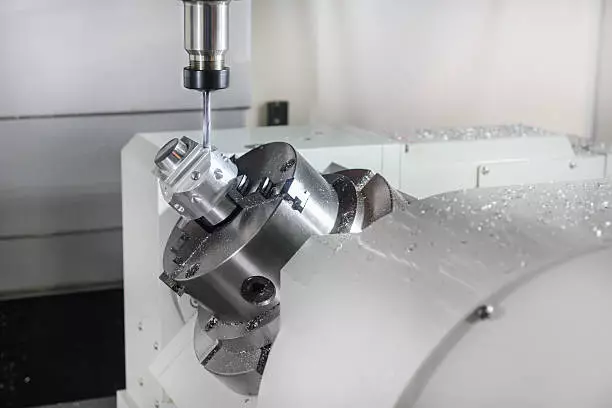
When we talk about efficient 3-axis CNC machining, especially for low-volume production or prototypes, the design phase is critical. Smart design choices upfront directly translate into less setup time and faster overall machining, significantly impacting your unit cost.
Minimize part flipping and re-clamping
One of the biggest time sinks in 3-axis CNC machining is the need to re-position and re-clamp a part multiple times. Each flip or re-fixture requires careful alignment, new offsets, and verification, eating into precious machining time. We always aim to design parts that can be machined as much as possible from a single setup or with minimal re-orientations. This approach doesn’t just save time; it also boosts accuracy by reducing the chances of error during re-clamping.
Design features from a single primary datum
To achieve consistent accuracy and streamline programming, we prioritize designing all features from a single primary datum. This means establishing a clear, common reference point for every dimension in your part. When features are referenced consistently, it simplifies the setup process and ensures that the precision of our custom machining operations is maintained across all planes, minimizing potential tolerance stack-up issues.
Avoid unnecessary undercuts and side features
While undercuts and complex side features might look good on paper, they often pose significant challenges for 3-axis CNC machining. These geometries frequently demand specialized tools or, more commonly, additional setups and different machine orientations to access them. For low-volume runs, these extra steps can dramatically increase both the setup time and the overall unit cost. If possible, consider if a feature can be simplified or redesigned to be accessible from the top or bottom face without compromising function.
Plan machining sequence during CAD stage
Integrating manufacturing considerations directly into the CAD design stage is a game-changer. By visualizing the machining process early on, we can anticipate potential tooling clashes, evaluate access for our cutting tools, and even outline the optimal machining sequence. This proactive approach helps us catch costly design issues before they hit the shop floor, ensuring a smoother, more efficient 3-axis CNC machining process and significantly reducing overall CNC machine metal cutting time.
Optimizing Pocket and Cavity Design for 3-Axis Efficiency
Designing pockets and cavities effectively is crucial for maximizing efficiency and controlling costs in 3-axis CNC machining. At MS Machining, we often guide clients on how minor design adjustments can significantly impact manufacturability and lead time.
Recommended depth-to-width ratios
When designing pockets for 3-axis CNC machining, we recommend maintaining sensible depth-to-width ratios. For most materials, a depth-to-width ratio of 2:1 or 3:1 is ideal. Pockets that are excessively deep and narrow can lead to increased tool deflection, chatter, and longer machining times due to the need for smaller, longer tools and multiple passes. Optimizing these ratios helps us maintain the precision our clients expect and delivers high-quality parts efficiently.
Corner radius design based on standard end mills
To reduce manufacturing costs and speed up production, we advise designing internal corners with radii that match standard end mill sizes. If your design specifies a custom or unusually small radius, it often requires us to use specialized, smaller diameter tools or perform additional, time-consuming operations. By aligning your design with standard tooling, we can leverage our efficient 3-axis CNC machining solutions to produce your parts more quickly and cost-effectively.
Why sharp internal corners increase cost
Achieving a perfectly sharp internal corner (zero radius) through milling is impractical for 3-axis CNC machining. Such features would necessitate electrical discharge machining (EDM) or other secondary processes, significantly increasing both lead time and cost. Even designing for a very small radius often means using fragile, small-diameter tools that operate at slower speeds, driving up the expense. We recommend designing with the largest possible internal corner radius to minimize these additional costs.
Reducing air-cutting and tool retraction time
“Air-cutting” refers to when the tool moves through empty space without removing material, and frequent tool retractions also consume valuable time. By designing pockets and cavities with features that allow for continuous, uninterrupted tool paths, you can dramatically reduce machining time. Thoughtful design minimizes these non-productive movements, enhancing the overall efficiency of the 3-axis CNC machining process and contributing to faster turnaround times for your projects. We focus on optimizing every aspect of the machining process to deliver high-precision CNC machining services.
Wall Thickness, Tall Features, and Structural Stability
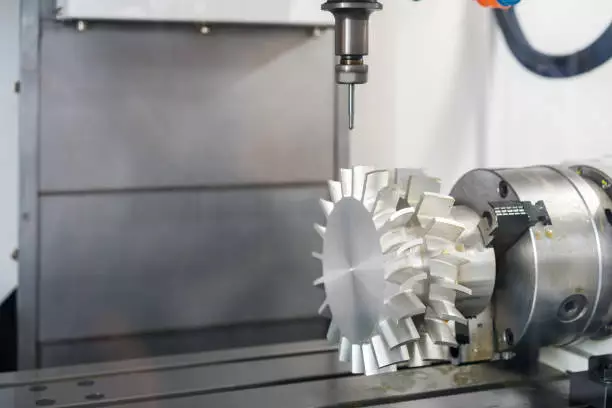
Thin walls and vibration issues in aluminum and plastics
When dealing with 3-axis CNC machining, thin walls can become a real challenge. Materials like aluminum and plastics, especially, are prone to vibration during milling operations. This vibration directly impacts the precision we can achieve, making it harder to hold tight tolerances and resulting in a less than ideal surface finish for your parts.
Designing ribs instead of thick solid blocks
To enhance structural stability without adding unnecessary weight, we often recommend incorporating ribs into your designs. Ribs provide excellent stiffness and support, often more efficiently than simply milling a thick, solid block. This design approach can significantly improve the machinability of your parts and help us maintain consistent quality.
Balancing weight reduction and machinability
Finding the right balance between reducing part weight and ensuring it’s still practical for 3-axis CNC machining is critical. Our team focuses on design strategies that achieve effective weight reduction while maintaining enough material integrity for stable machining. This approach helps prevent issues like tool deflection and guarantees consistent results, reflecting the current CNC milling trends that prioritize efficiency and precision.
Hole Design Considerations That Affect 3-Axis CNC Machining Efficiency
When designing parts for 3-axis CNC machining, how you approach holes can significantly impact both cost and lead time. Thinking through these details early on helps us deliver your parts more efficiently.
Standard Drill Sizes vs. Custom Diameters
To keep your 3-axis CNC machining projects cost-effective, we always recommend designing with standard drill bit sizes. Using readily available tooling reduces setup time and tool costs. Custom drill diameters often require specialized tools or more complex milling operations, which naturally increase both machining time and overall project expense, especially for low-volume runs.
Through Holes vs. Blind Holes
Both through holes and blind holes are common in 3-axis CNC machining. Through holes, which pass entirely through a part, are generally faster and simpler to machine. Blind holes, however, require more precise depth control and often a secondary step for flat bottoms, which adds complexity and time to the machining process.
Thread Depth Guidelines for Low-Volume Parts
For optimal thread strength and efficient 3-axis CNC machining, we typically advise a thread engagement length of 1.5 times the nominal diameter for steel and 2.0-2.5 times for softer materials like aluminum. Excessively deep threads don’t add much strength and only increase machining time and tool wear, impacting the cost of your low-volume parts.
Avoiding Micro-Drilling in Early Prototype Stages
Micro-drilling, involving holes typically under 1mm (0.040 inches) in diameter, presents unique challenges in 3-axis CNC machining. These small tools are fragile, prone to breakage, and require slower feed rates, which significantly increases machining time and risk. For early prototypes, whenever possible, it’s beneficial to simplify designs by avoiding micro-drilling to expedite production and reduce costs. This strategy helps streamline the prototyping phase before refining for final production.
Tolerance Strategy for Low-Volume Production
When tackling low-volume production with 3-axis CNC machining, our tolerance strategy directly impacts cost and lead time. It’s crucial to understand that not every dimension on your part needs to be held to micron-level precision. We always assess **when tight tolerances actually matter**, focusing on features that are critical for assembly, fit, or specific functional requirements. Over-specifying tolerances for non-critical dimensions is a common mistake that inflates costs unnecessarily.
With 3-axis CNC machining, especially in multi-setup scenarios, stack-up risks in multi-setup machining are a real concern. Each time a part is re-clamped or re-oriented, there’s a potential for small errors to accumulate, making it harder and more time-consuming to achieve ultra-tight tolerances across multiple faces. This is where careful planning becomes vital.
Simply put, how over-specifying tolerances increases machining time is straightforward: tighter tolerances demand more passes, slower feed rates, finer tools, and more rigorous inspection. All of this translates directly into increased machine time and labor costs for your low-volume parts. Instead, we advocate for clear critical vs non-critical dimension classification. By identifying which dimensions are absolutely essential for performance and which have more leeway, we can optimize the 3-axis CNC machining process, saving both time and money without compromising your product’s functionality.
Material Selection and Its Impact on 3-Axis CNC Machining
Choosing the right material is crucial for successful and cost-effective 3-axis CNC machining. The material directly influences everything from tool selection and cycle times to surface finish and overall project budget. We work with an extensive range of materials, always aiming to optimize the machining process for your specific needs.
Aluminum vs. Stainless Steel vs. Engineering Plastics
The material you select profoundly impacts the **3-axis CNC machining** process.
* **Aluminum:** Generally easy to machine, allowing for faster feed rates and cutting speeds. This leads to quicker turnaround times and lower costs, especially for rapid prototyping and larger batches.
* **Stainless Steel:** Significantly harder and tougher to machine. It demands more robust tooling, slower cutting parameters, and specialized coolants to manage heat and wear. This increases both cycle time and tool costs. We specialize in precision work with challenging metals, including extensive capabilities in CNC titanium machining services.
* **Engineering Plastics (e.g., ABS, PC, POM, Nylon, PEEK, Teflon, Acrylic):** These offer varied machinability. Some are very soft, requiring sharp tools and careful chip evacuation, while others are stiffer. Heat management is key with plastics to prevent melting or warping.
How Material Hardness Affects Tool Wear and Cycle Time
Material hardness is a primary factor in **3-axis CNC machining** efficiency.
* **Harder materials:** (like stainless steel or high-strength alloys) cause accelerated tool wear. This necessitates frequent tool changes, which adds to downtime and increases consumable costs. They also require slower cutting speeds and shallower depths of cut, significantly extending overall cycle times.
* **Softer materials:** (such as aluminum and many plastics) are much more forgiving on tooling. This allows us to use higher feed rates and speeds, reducing machining time and keeping tool wear to a minimum.
Material Stability in Small-Batch Runs
For low-volume production, material stability ensures consistent results across all parts. We know that material properties can vary slightly from batch to batch. Our processes, backed by **ISO 9001:2015 certification** and rigorous CMM inspection, ensure that each part meets your exact specifications, regardless of batch size. We carefully monitor material behavior during **3-axis CNC machining** to maintain dimensional accuracy and surface quality, delivering reliable parts every time.
Designing for Better Fixturing in Small-Batch Production
For efficient 3-axis CNC machining, especially in small-batch production, a part’s design must consider fixturing from the outset. Strategic design choices directly impact setup time, part accuracy, and overall cost in low-volume manufacturing. We optimize designs to streamline the clamping process.
Flat reference surfaces and clamping zones
Designs for 3-axis CNC machining should prioritize **flat reference surfaces** and easily accessible clamping zones. These features allow for stable and secure mounting of the workpiece, critical for maintaining tight tolerances up to +/- 0.005mm. Clearly defined clamping areas reduce setup time and ensure consistent part positioning across a batch.
Avoiding deformation during clamping
Preventing part deformation during clamping is vital. When designing for 3-axis machining, consider how clamping forces will distribute across the material. We advise designing parts with sufficient wall thickness or reinforced sections where clamps will apply pressure, particularly for softer metals like aluminum or engineering plastics such as ABS and POM. This prevents distortion and ensures the final part meets design specifications.
How fixture complexity affects lead time
The complexity of your part’s fixture directly impacts lead time and overall unit cost in low-volume and rapid prototyping runs. Simple, robust fixtures are faster to design and manufacture, leading to quicker turnaround times for 3-axis CNC machining projects. Complex fixturing, while sometimes unavoidable for intricate geometries, adds significant time and expense to the production cycle.
Real Case Example: Redesigning a Prototype to Cut Machining Cost by 30%
We frequently encounter prototype designs that, while functional, are not optimized for efficient 3-axis CNC machining. For instance, we recently worked on a new bracket for a robotics system that perfectly illustrates this point.
Original design issues
The initial design featured complex internal pockets requiring multiple tool changes and deep, slender walls that necessitated slow machining passes to prevent vibration. Crucially, it had several features on opposing sides that forced constant part re-clamping, significantly increasing setup time and introducing potential for repositioning errors. This pushed the overall unit cost far above the client’s target for low-volume production.
Engineering adjustments
Our engineering team collaborated with the client to simplify the geometry. We redesigned the deep pockets with more generous corner radii and slightly shallower depths, which allowed for standard tool lengths and faster material removal. We also consolidated several features to be accessible from a single primary setup, minimizing the need for flipping the part. Where possible, we relaxed non-critical tolerances, understanding that precision engineering is paramount but also costly if over-specified.
Cycle time comparison
These thoughtful adjustments drastically improved the manufacturability on a 3-axis CNC mill. The original design required over 45 minutes of machine time per unit, largely due to intricate features and multiple setups. After the redesign, the cycle time dropped to just under 30 minutes, a reduction of over 30%.
Cost impact in low-volume batch
For a low-volume batch of 100 units, this translated directly into significant savings. Factoring in reduced setup times, fewer tool changes, and faster overall machining, the client saw a 30% reduction in their total per-unit manufacturing cost. This case perfectly illustrates how a few strategic design tweaks can dramatically lower expenses for custom CNC machining in prototype and small-batch runs.
When to Upgrade to 4-Axis or 5-Axis Instead of Forcing 3-Axis5-Axis CNC Machining
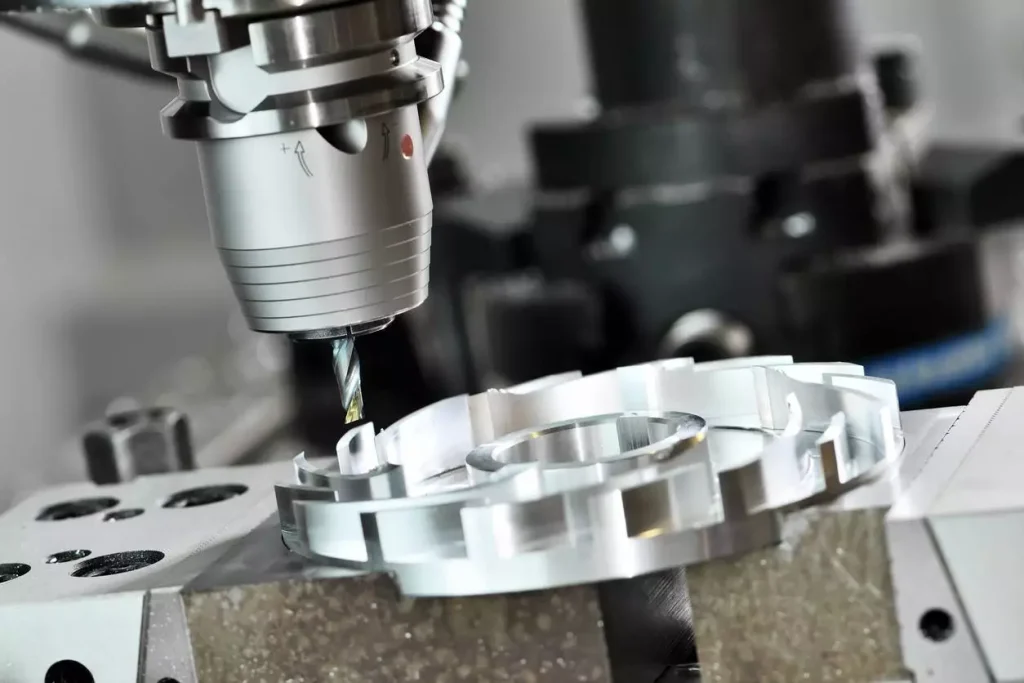
While we’ve focused on optimizing for 3-axis CNC machining, there comes a point where clinging to it for complex parts becomes counterproductive. Knowing when to upgrade to a 4-axis or 5-axis machine can save significant time and money in the long run. It’s about recognizing the limits of a 3-axis approach for specific geometries and understanding where multi-axis capabilities truly add value.
Complex Geometry Signals
I’ve learned that certain part features are clear indicators that a 3-axis approach will be highly inefficient, or even impossible. When your design includes:
- Multi-sided features: Any feature that requires machining from more than one side without flipping the part.
- Undercuts or deep, enclosed pockets: Features that a standard end mill cannot reach vertically.
- Complex contoured surfaces or compound angles: Where the tool path needs to move simultaneously in multiple axes to maintain proper cutting action.
These geometries often signal that trying to force a 3-axis solution will lead to excessive setups, custom fixturing, potential tolerance stack-up issues, and a higher risk of error. For sophisticated designs often seen in high-performance industries, advanced metal CNC machining becomes indispensable.
Cost Comparison Logic
When evaluating whether to stick with 3-axis or move to multi-axis, I look beyond the hourly machine rate. A multi-axis machine might have a higher per-hour cost, but the total project cost can be significantly lower for complex parts. Here’s why:
- Reduced Setup Time: A 5-axis machine can often complete a part in one or two setups, drastically cutting down on the labor and fixturing costs associated with multiple setups on a 3-axis machine.
- Improved Accuracy: Fewer setups mean less chance for misalignment errors, leading to higher part quality and fewer rejections.
- Faster Cycle Times: With continuous tool paths and better tool access, complex features can be machined much faster, even if the individual cutting speed isn’t higher.
- Less Custom Fixturing: Multi-axis machines can often hold parts in simpler vises, reducing the need for expensive, custom fixtures.
Ultimately, it’s about the overall efficiency and the “true” cost per part, not just the raw machining minutes. For many of our clients seeking efficient CNC production machining, this cost logic often guides their decisions.
Decision-Making Checklist Before RFQ
Before requesting a quote, I recommend going through this quick checklist to decide whether your part is a better fit for 3-axis or multi-axis machining:
- Part Complexity: Does it have features requiring simultaneous movement on more than 3 axes?
- Tolerance Requirements: Are very tight tolerances needed across multiple planes, which could suffer from multiple setups?
- Production Volume: For very low volumes or simple prototypes, 3-axis might still be cost-effective. For small-to-medium batches of complex parts, multi-axis shines.
- Budget & Lead Time: Can the project absorb a potentially higher initial machine cost for faster lead times and higher quality?
- Surface Finish: Are extremely smooth, complex contoured surfaces required?
- Material: Is the material difficult to machine, requiring precise tool positioning?
If you find yourself ticking multiple boxes for multi-axis suitability, it’s a strong indication that exploring 4-axis or 5-axis options will provide the best value and outcome for your project.