
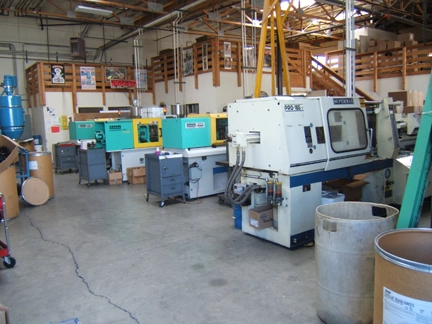
Struggling with high upfront costs and long lead times that slow your product launch? Low volume injection molding offers a smart, cost-effective alternative for producing 100 to 10,000+ plastic parts—delivering production-grade quality without the massive investment of full-scale tooling. Whether you’re prototyping functional components, testing market fit, or need short-run custom parts, this agile manufacturing solution bridges the gap between 3D printing and high-volume molding. Ready to cut expenses, speed up development, and scale on your terms? Let’s explore how low volume injection molding can transform your approach.
What Is Low Volume Injection Molding?
Low volume injection molding is a streamlined manufacturing process designed for producing smaller runs of plastic parts with high precision. Unlike traditional injection molding, which relies on expensive, hardened steel molds for large quantities, low volume molding uses simplified tooling to cut costs and speed up lead times—perfect for quantities ranging from a few dozen to a few thousand parts.
Core Process and Simplified Tooling
The process works just like conventional injection molding: molten plastic is injected into a mold cavity where it cools and solidifies into the final part. However, the tooling is lighter and less complex. Common low volume tooling includes:
- Aluminum molds: Faster and cheaper to produce, suitable for up to 10,000 parts.
- Soft steel molds (P20): More durable than aluminum but still less costly and quicker to machine than hardened steel.
- 3D-printed molds and desktop molding solutions: Used for prototypes and very small batches, offering rapid turnaround but limited durability.
Differences from Standard Injection Molding
| Feature | Low Volume Injection Molding | Standard Injection Molding |
|---|---|---|
| Tooling Material | Aluminum, soft steel, 3D-printed | Hardened steel |
| Tooling Cost | $1,000 – $10,000 | $20,000 – $100,000+ |
| Lead Time | 1-4 weeks | 6-12 weeks |
| Ideal Quantity Range | 50 to 10,000 parts | 10,000+ parts |
| Cycle Time | Slightly longer due to softer molds | Optimized for fastest cycles |
This approach suits startups, R&D, and product testing phases where flexibility and cost control are priorities. It bridges the gap between expensive high-volume molding and slower, less durable prototyping methods like 3D printing.
Variants in Low Volume Tooling
- Aluminum Tooling: Quick to produce, great surface finish, moderate tool life.
- Soft Steel Molds: Balance between durability and cost; can handle larger runs.
- 3D-Printed Molds: Ultra-fast prototyping, limited lifespan, ideal for testing design changes.
- Desktop Injection Molding Machines: Compact systems for rapid, on-demand small-batch production.
Low volume injection molding streamlines entry into series production, offering efficient, cost-effective manufacturing tailored to smaller batch sizes without sacrificing quality. If you need precision plastic parts but don’t require massive volumes, this method is often the best fit.
Key Benefits of Low Volume Injection Molding
Low volume injection molding offers clear advantages for projects needing smaller plastic parts runs without the heavy investment of high-volume processes.
Lower Upfront Tooling Costs & Faster Lead Times
Simplified tooling like aluminum molds cuts initial costs dramatically and speeds up production start times — perfect for quick turnaround needs.
Design Flexibility for Iterations
Easy mold tweaks allow design changes and improvements without major delays or expenses, supporting rapid prototyping and product refinement.
Functional, High-Quality End-Use Parts
Compared to 3D printing, low volume injection molding yields durable, ready-to-use plastic parts with superior surface finish and mechanical properties.
Risk Reduction
Market Testing: Produce small batches to validate product demand without overspending.
Inventory Control: Manufacture on-demand to avoid excess stock and reduce storage costs.
Cost Efficiency: Balance product quality and budget with tailored batch sizes.
Ideal for Startups & Specialized Industries
Startups benefit from affordable custom plastic injection molding services that scale with their growth while sectors like medical, electronics, and consumer products need precise, high-quality parts for pilot runs and niche markets.
| Benefit | Description |
|---|---|
| Lower Tooling Costs | Use of aluminum tooling reduces initial spend |
| Faster Lead Times | Quick mold production speeds time to market |
| Design Iterations | Mold adjustability supports multiple revisions |
| Superior Part Quality | Better finish and strength than 3D printing |
| Risk Mitigation | Enables testing, reduces inventory costs |
| Industry Fit | Great for startups, medical, electronics, etc. |
Embracing low volume plastic parts production is a smart move when balancing quality, speed, and cost efficiency — especially when paired with expert design for manufacturability (DFM) and reliable process partners. For detailed mold making and machining, check out our high precision CNC machining offerings to ensure expert tooling support.
When to Choose Low Volume Injection Molding
Low volume injection molding is a smart choice for specific stages and needs in product development and production. Here’s when it makes the most sense:
Common Applications
- Prototyping with real materials: Test form, fit, and function using actual thermoplastics, not just 3D prints.
- Pilot runs: Produce small batches to validate manufacturing processes or market demand.
- Niche products: Custom or limited-edition parts that don’t require mass production.
Decision Framework: Is It Right for You?
| Factor | Low Volume Injection Molding | Notes |
|---|---|---|
| Quantity | 50 to 10,000+ parts | Ideal for smaller production runs. |
| Budget | Moderate upfront tooling costs | Lower than high-volume molds. |
| Time | Faster lead times (2-6 weeks) | Quicker than traditional tooling. |
| Regulatory | Suitable for functional parts | Meets quality needs for many industries. |
When Low Volume Injection Molding Is Less Suitable
- Large, high-volume production runs that require tougher steel molds for durability.
- Extremely fast turnaround under a week—rapid 3D printing or CNC machining might be better.
- Ultra-low budgets with very few parts—3D printing could be more cost-effective.
Real-World Shift: From 3D Prints to Injection Molded Parts
Many startups and small businesses start with heavy 3D printing for prototypes. Once the design is tested, they move to low volume injection molding for better durability, surface finish, and production efficiency. This approach balances cost, quality, and speed, bridging the gap between concept and mass manufacturing.
If you want to speed up workflow or improve part reliability, switching to low volume plastic parts production is often a smart, cost-effective step. Advanced CNC machining processes also support mold making and iteration, enhancing part quality and repeatability. For a deeper look into machining accuracy that complements molding, check out our insights on how accurate CNC milling is.
Low Volume vs High Volume Injection Molding
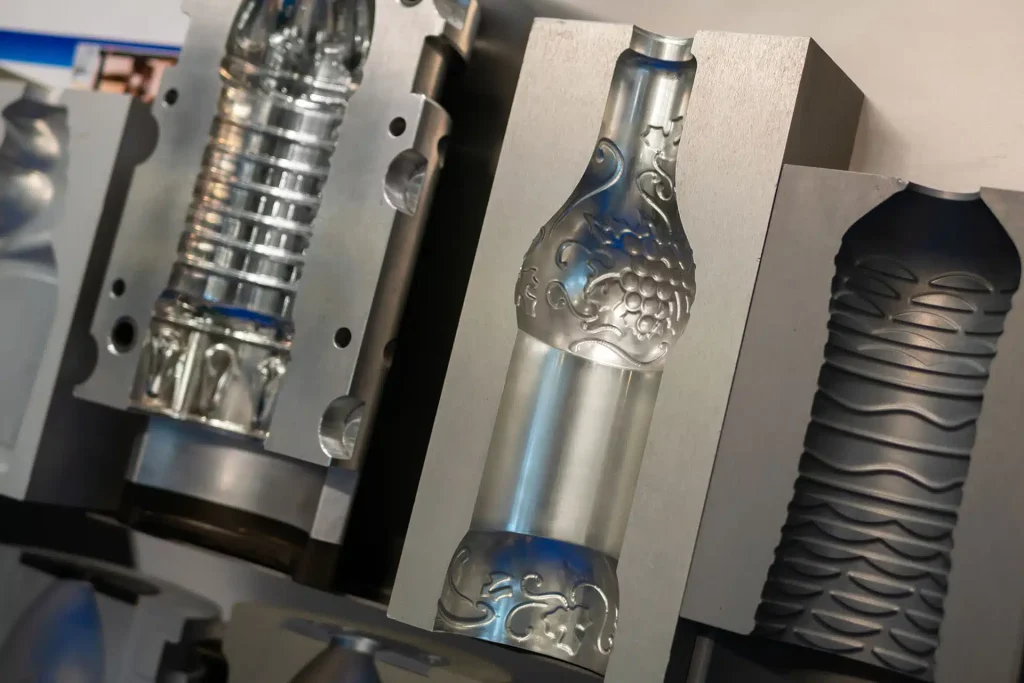
When comparing low volume injection molding to high volume molding, the key differences boil down to tooling, costs, durability, setup, and scalability.
| Feature | Low Volume Injection Molding | High Volume Injection Molding |
|---|---|---|
| Tooling Material | Typically aluminum or soft steel, easier and cheaper to make | Hard steel molds built for long life and heavy use |
| Tooling Cost | Lower upfront cost ($1K–$10K) | High upfront investment ($20K–$100K+) |
| Durability | Limited shots (~5,000–50,000 parts) | High durability (100,000+ shots) |
| Setup Time | Faster setup, quicker to get started | Longer setup with detailed testing & validation |
| Per-Part Cost | Higher per-part cost due to smaller runs | Economies of scale cut part cost drastically |
| Production Quantity | Ideal for 100 to ~10,000 parts | Best for 10,000+ parts |
| Scalability | Limited scalability, great for prototypes & bridge production | Scales easily for mass production |
Pros of Low Volume Injection Molding:
- Fast turnaround: Quick tooling means faster product iterations.
- Lower upfront risk: Affordable tooling costs reduce financial barriers.
- Flexibility: Easier to make mold changes or try out new designs.
- Good for startups and niche products: Perfect for testing markets or making custom parts.
Pros of High Volume Injection Molding:
- Lower cost per unit: Best for large-scale production runs.
- Durable molds: Last through millions of parts without degrading.
- Consistent quality: Highly repeatable process ensures uniform parts.
- Better automation potential: Supports fully automated production lines.
Cons of Low Volume Molding:
- May not be cost-effective for very large runs.
- Mold durability limits long-term production.
Cons of High Volume Molding:
- Higher initial investment.
- Less flexible for design changes once tool is made.
Strategic guidance:
Low volume injection molding often serves as a stepping stone—startups or product developers can launch with smaller quantities to test demand, then scale up to high-volume molding as sales grow. For many niche or custom parts, low volume molding can be a standalone solution, especially when tooling costs and speed are more important than ultra-low unit cost.
By understanding these differences, businesses can decide when to use rapid injection molding prototypes or small batch plastic components manufacturing versus fully scaling to high-volume production. This ensures you meet your budget, timeline, and quality goals without overcommitting on tooling costs.
Tooling Options and Process Steps for Low Volume Injection Molding
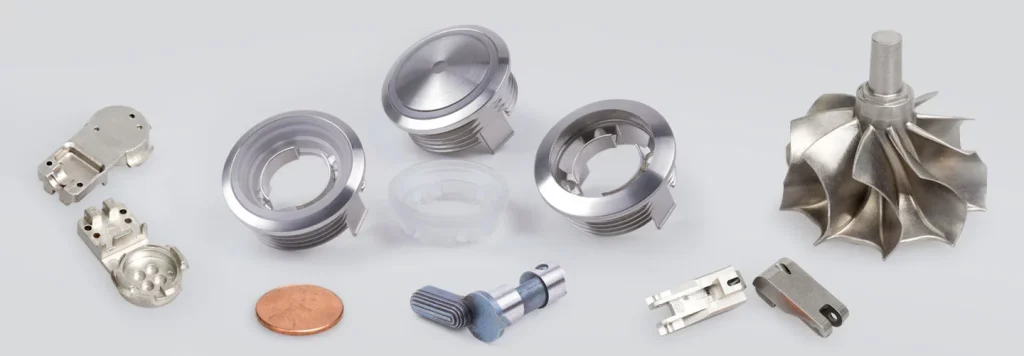
Tooling Materials Overview
Choosing the right tooling material is key in low volume injection molding since it affects cost, durability, and lead times. Here’s a quick look:
| Tooling Material | Cost | Durability (Shots) | Best For |
|---|---|---|---|
| Aluminum | Low | ~10,000 – 50,000 | Short runs, rapid prototyping |
| P20 / Soft Steel | Medium | ~50,000 – 100,000 | Mid-volume, tougher parts |
| Hardened Steel | High | 100,000+ | High-volume production |
| 3D Printed Molds | Low | Limited | Very short runs, early prototypes |
| Desktop Molding Kits | Very Low | Very Limited | Hobbyist & ultra-low volume |
Aluminum tooling is popular for low volume plastic parts production because it cuts costs and shortens lead times compared to traditional steel molds. Some situations call for soft steel if you want better durability without full hardened steel costs.
Key Process Steps
Low volume injection molding workflows usually follow this flow:
- Design & DFM (Design for Manufacturability) Review
Early design checks focus on moldability and cost-saving tweaks. - Mold Making
CNC milling or EDM methods create the mold, using chosen tooling materials. - Material Preparation
Thermoplastics like ABS, PC, or TPU are dried and prepped for molding. - Injection Molding
Molten plastic injected into the mold under pressure. - Cooling & Ejection
Mold cools; parts eject carefully to avoid damage. - Post-Processing
Includes trimming, deburring, and any secondary operations. - Inspection & Quality Control
Parts checked to meet specs and tolerances.
Mold Longevity & Repeatability
- Aluminum molds handle shorter runs but are quicker and cheaper to make.
- Soft steel molds last longer and support repeatable precision for mid-level volumes.
- Proper mold care extends life and retains consistent part quality.
Lead Times and How to Expedite
| Step | Typical Lead Time | Tips to Speed Up |
|---|---|---|
| Design/DFM | 1-2 weeks | Submit clear CAD files; use expert DFM services (MS Machining design review) |
| Mold Making | 2-4 weeks | Choose aluminum tooling and in-house tooling partners for faster turnaround |
| Injection Runs | Days to weeks | Plan batch sizes carefully and run parallel cycles if possible |
| Post-Processing | 1-3 days | Automate where possible for trimming and inspection |
Using rapid injection molding prototypes and simplified tooling cuts lead times, helping startups and businesses needing functional parts fast without high upfront costs. Partnering with providers familiar with aluminum injection molding tooling or soft steel molds ensures both quality and speed.
This structured tooling and process approach delivers the perfect balance of quality, cost, and speed for low volume plastic parts production, making it a solid choice for bridge production injection molding and on-demand manufacturing.
Material Selection for Low Volume Injection Molding
Choosing the right material is key in low volume injection molding to meet your part’s mechanical, chemical, and aesthetic needs. Common thermoplastics like ABS, polycarbonate (PC), polypropylene (PP), nylon, thermoplastic polyurethane (TPU), and various engineering resins are widely used due to their balance of strength, flexibility, and finish quality.
Here’s how to pick the best material for your low-volume plastic parts production:
- Match performance to your application: Select materials that resist chemicals, impact, temperature, or wear based on your product’s use environment.
- Prioritize aesthetics and finish: Materials like ABS and PC offer smooth surfaces and vibrant colors, perfect for consumer products.
- Consider compliance: Medical or electronic parts often require FDA approval or flame retardancy, so choose certified materials.
- Optimize for low volume runs: Some materials mold better in short runs due to faster cycle times or easier processing, improving cost efficiency.
Low volume molding benefits from materials that balance quality with ease of molding. For example, aluminum injection molding tooling paired with suitable thermoplastics can speed up production and cut costs compared to high-volume tooling.
For the best results, early material consultation during design review can prevent costly changes later. Partnering with experienced providers, like those offering tailored custom plastic injection molding services, helps optimize material selection and process setup for your specific volume and performance goals. For more on injection molding processes, check out our detailed guide on best plastic injection molding practices.
Design for Manufacturability (DFM) Tips for Low Volume Injection Molding
When working with low volume injection molding, smart design choices can make a big difference in cost, quality, and lead time. Here are key DFM tips to optimize your parts for smaller runs:
- Optimize wall thickness: Keep walls uniform and within 0.04–0.1 inches to prevent warping or sink marks, which can be more costly to fix in low volume tooling.
- Use appropriate drafts: Include draft angles of at least 1–2 degrees on vertical faces to help parts release easily from aluminum or soft steel molds, speeding up production.
- Minimize undercuts: Avoid complex undercuts to reduce the need for side-actions or more complex tooling, which can increase upfront costs and slow down cycle times.
- Add ribs and bosses wisely: Reinforce parts with ribs to maintain strength without thickening walls. Design bosses with proper clearance and fillets to improve mold flow and reduce stress.
- Set realistic tolerances: Tight tolerances add cost and complexity. For low volume plastic parts production, balance precision with manufacturability—typical tolerances of ±0.005 inch work well for most applications.
- Focus on surface finish: Smooth surface finishes reduce finishing time and improve part aesthetics. Early DFM feedback can help specify mold polish levels suitable for your product.
Getting DFM input early—from your molding partner—helps avoid costly redesigns and tooling changes. It also ensures your parts meet functional and aesthetic goals while keeping your low volume injection molding costs and lead times in check.
For a deeper dive into maintaining accuracy in CNC machining that supports tooling design, check out our detailed overview of CNC machining accuracy processes, essential for quality mold making.
By following these design for manufacturability best practices, you’ll set your project up for smooth, efficient production with consistent results.
Cost Factors and Pricing Insights

When it comes to low volume injection molding, understanding the cost breakdown helps you plan budgets more accurately. Costs typically include:
- Tooling: This is the upfront expense of making molds, which can vary widely based on materials like aluminum or soft steel. Aluminum tooling usually costs less and is great for short runs, while soft steel molds are pricier but last longer.
- Per-Part Costs: These depend on cycle times, part complexity, and material choice. More complex designs or larger parts usually mean higher costs per unit.
- Setup Costs: Includes machine setup time, programming, and quality checks before production starts.
- Materials: The price of thermoplastics like ABS, PC, or nylon influences totals—higher-performance resins tend to be more expensive.
- Secondary Operations: Finishing steps such as painting, assembly, or machining add to overall pricing.
Factors Impacting Cost
- Complexity: More intricate designs often need specialized mold features, increasing mold cost and potentially slowing cycle times.
- Size: Larger parts require bigger molds and more material, pushing up cost per piece.
- Quantity: Low volume runs spread tooling costs over fewer parts, making per-piece prices higher than high-volume molding.
- Sourcing Location: Domestic manufacturing in the U.S. may appear costlier but often saves on shipping, lead times, and quality control compared to overseas options.
Cost Minimization Strategies
- Opt for aluminum injection molding tooling when possible to lower initial spending.
- Simplify part designs to reduce mold complexity.
- Consolidate multiple functions into one part to cut secondary operations.
- Work closely with manufacturers for early DFM tips to avoid costly mold revisions.
- Consider local providers to slice shipping and customs fees.
By knowing what drives your costs, you can set clearer budgeting expectations and strike a balance between quality, turnaround, and price for small-batch plastic components manufacturing. For advanced tooling options and precision work, exploring capabilities like CNC machining metal is a great way to ensure quality without unnecessary overspend.
Applications and Industry Use Cases

Low volume injection molding plays a key role in prototyping and product development, helping companies quickly move from idea to functional parts. It’s especially valuable when you need to test designs using real thermoplastics rather than just 3D prints, giving better insight into material performance and manufacturing processes.
Industries like medical devices, automotive, electronics, consumer products, and industrial components benefit greatly from this approach. Medical and electronics sectors often require custom plastic injection molding services for small batch plastic components manufacturing, ensuring precise parts that meet strict regulatory standards. Automotive companies leverage low volume runs for pilot productions and bridge production injection molding during model transitions.
On-demand and custom production are other strong suits of low volume injection molding. This method supports startups and niche manufacturers by reducing tooling lead times and costs, allowing quicker market entry and inventory control. Many success stories highlight how businesses improved part quality and reduced time-to-market with short run injection molding compared to traditional high volume approaches or prototyping with less durable materials.
For companies seeking faster development cycles without sacrificing finish or strength, low volume injection molding offers an optimal balance between cost, speed, and quality—making it a must-have production method for diverse US markets and beyond.
How to Get Started with a Reliable Low Volume Injection Molding Partner
Choosing the right provider for low volume injection molding can make all the difference in quality, speed, and cost. Here’s what to look for:
- DFM Expertise: Your partner should offer solid design for manufacturability (DFM) support to optimize parts early. This avoids costly revisions down the line.
- In-House Capabilities: Having tooling, molding, and finishing all under one roof speeds up turnaround and improves communication.
- Quality Systems: Look for strict quality control and inspection processes to ensure your parts meet specs.
- Scalability: Choose a supplier that can handle both small pilot runs and scale up if your volumes increase.
At MS Machining, we combine comprehensive DFM guidance with advanced in-house CNC machining and injection molding to deliver high-quality, low volume plastic parts production. Our streamlined workflow—from quotes to samples and full production—helps clients get functional prototypes and end-use parts faster and more cost-effectively.
Ready to start? Contact us for a free DFM review or consultation to discuss your project’s needs and get a tailored quote. Let us help you bring your product to life with reliable low volume injection molding solutions.
For expert insights on tooling materials and CNC machining that complement injection molding, explore our detailed pages on steel vs aluminum CNC machining and rapid CNC machining.