
Search Intent and User Goals for Heavy CNC Machining
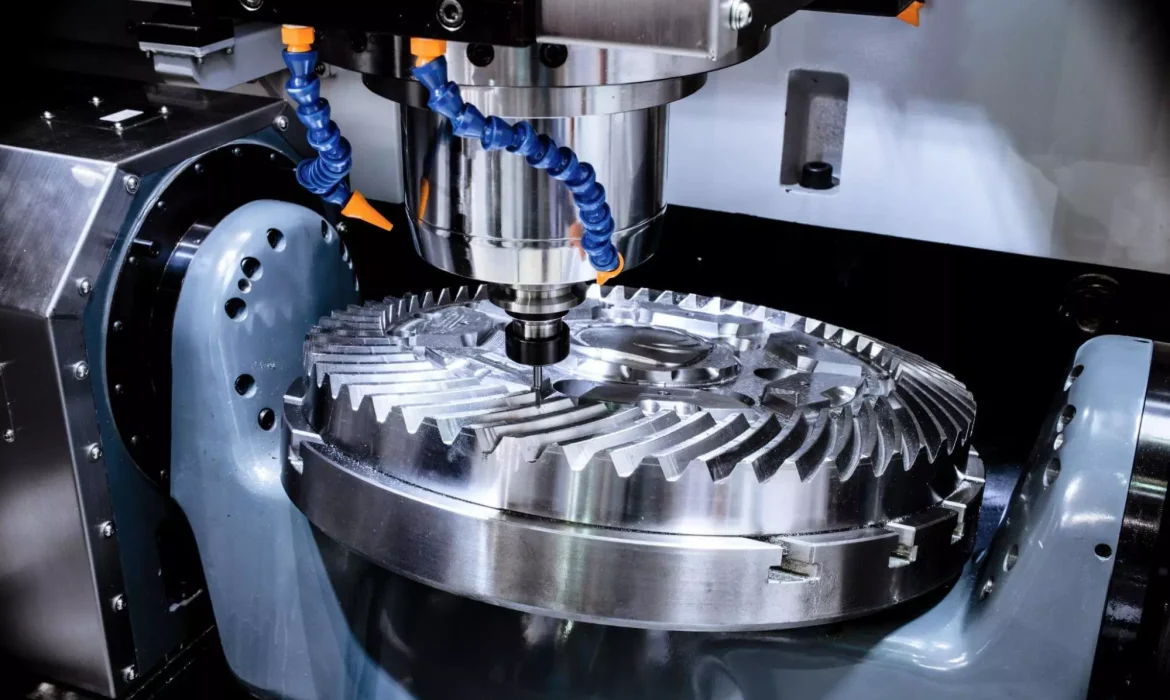
When you’re looking for heavy CNC machining, your priority is clear: reliable precision on large, heavy workpieces that meet demanding project scales and strict industry requirements. Whether you’re in oil and gas, aerospace, power generation, or heavy construction, the goal is getting complex, oversized components machined accurately, on time, and within budget.
You need a partner who understands the challenges of heavy-duty CNC machining, including handling massive parts, tight tolerances, and specialized materials like super duplex stainless steel or Inconel alloys. Your project might demand large-scale horizontal boring mills for big volumes or 5-axis gantry machining for complex geometries.
In essence, your main objectives are:
- Machining large or heavy components without compromising precision.
- Meeting strict industry standards and quality benchmarks.
- Minimizing downtime and ensuring repeatable accuracy.
- Managing lead times and cost-effectiveness for heavy CNC projects.
At MS Machining, we recognize these priorities because we serve clients who operate under similar high-stakes conditions every day. Our expertise focuses on delivering heavy CNC machining solutions tailored to your specific size, weight, and industry demands—so you get exactly what your project requires.
Machine Tool Types for Heavy CNC Machining
Heavy CNC machining requires the right equipment to handle large, heavy parts while maintaining precision and efficiency. Here’s a quick look at the main machine tool types used in this area:
- Floor-type Horizontal Boring Mills: These are versatile, heavy-duty machines ideal for processing large workpieces with complex geometries. Their horizontal spindle design allows for deep, accurate boring and milling, making them a go-to for heavy fabrication and machining projects.
- Gantry/Portal 5-Axis Machines: When dealing with extremely large volumes or complex shapes, gantry-style or portal 5-axis CNC machines excel. Their large work envelopes and multi-axis movement enable precise machining of oversized parts, such as large weldments or aerospace components.
- Vertical Turning Lathes and Milling Centers: For heavy vertical machining tasks, vertical turning lathes handle large-diameter rotating parts efficiently. Vertical milling centers complement this by providing stable, high-precision machining of thick or tall components.
- Traveling Column Boring and Milling Machines: Designed to manage workpieces with up to 50 tons load capacity, these machines combine robust construction with adaptability. They offer excellent rigidity and precision, essential for high-precision heavy CNC machining in industries like oil and gas or hydro turbines.
Choosing the right machine tool depends on your part size, shape, and machining requirements. For heavy-duty CNC machining that matches your project needs, understanding these options is essential. For related insights on optimizing big part machining, check out our guide on the reverse engineering design process.
Heavy CNC Machining Size and Weight Ranges
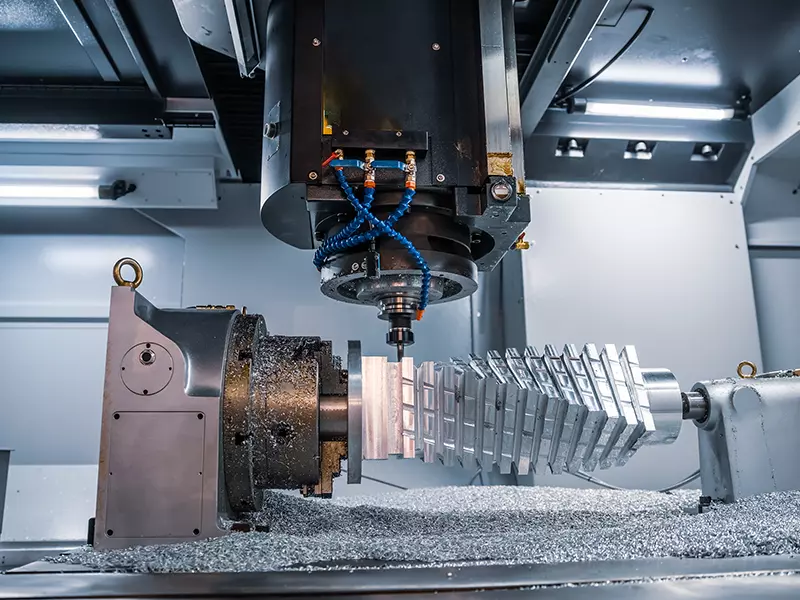
In heavy CNC machining, size and weight capabilities have steadily advanced, with 2026 industry benchmarks reflecting impressive scales. For large part CNC machining, typical maximum workpiece dimensions can reach up to 20 feet in length, 10 feet in width, and heights over 8 feet, with weights commonly hitting the 30-50 ton range. These figures vary based on the machine tool type and specific machining needs.
Typical capacities include large horizontal boring mills handling parts up to 50 tons, while vertical turning lathes and milling centers comfortably manage heavy vertical machining for components weighing several tons. For oversized CNC turning and milling, managing large swing diameters and spindle heights becomes crucial.
When deciding between large milling versus turning for heavy components, cost and quality trade-offs come into play. Milling offers multi-axis flexibility and complex shaping, but often at longer setups and higher energy use. Turning, meanwhile, can be more efficient for cylindrical parts with tighter tolerances and lower per-piece cost. Understanding these size, weight, and process trade-offs helps tailor your heavy duty CNC machining project for optimal results and budget.
For insight into the evolution of machining capabilities and tooling, explore our guide on the history of CNC machining and how it continues to shape large-scale manufacturing.
Materials Used in Heavy CNC Projects
Heavy CNC machining often involves a range of tough materials designed to meet demanding industry standards. Structural steels like S355 and 42CrMo4, along with quenched and tempered steels, are common for parts requiring high strength and durability. For corrosion resistance and specialized uses, stainless steel grades such as duplex, super duplex, 316L, and 17-4PH are widely machined.
When projects call for high-temperature or extreme environment resistance, nickel alloys like Inconel 625/718 and Hastelloy are preferred. These materials are critical in aerospace, energy, and chemical industries where heavy-duty CNC machining must deliver precision and performance.
Titanium grades are also popular, especially in aerospace and energy sectors, due to their excellent strength-to-weight ratio and corrosion resistance. For heavy bases, frames, and supports, cast iron and nodular iron remain reliable choices, offering good vibration damping and machinability.
Choosing the right material for your large part CNC machining project ensures the right balance of strength, durability, and cost-effectiveness tailored to your industry needs. This careful selection is a key part of precision heavy CNC machining to meet your exact specifications.
Technical Challenges in Heavy CNC Machining
Heavy CNC machining comes with unique challenges that impact precision, surface quality, and overall efficiency. Here are the main technical hurdles we manage on big part CNC machining projects:
| Challenge | Description & Solutions |
|---|---|
| Workpiece Deflection | Large, heavy parts can bend under cutting forces. We use optimized tool paths and rigid support to minimize distortion. |
| Thermal Distortion Control | Heat from machining changes material dimensions. Controlled feed rates and coolant are key to stable dimensions. |
| Fixturing & Vibration | Heavy parts must be securely clamped to avoid chatter and vibrations that affect surface quality. Custom heavy-duty fixtures are essential. |
| Tight Tolerances (±0.01–0.02 mm) | Maintaining precise dimensions on large components requires stable machines and constant monitoring during milling or turning. |
| Surface Finish & Deep Hole Drilling | Achieving smooth finishes and drilling deep holes in tough materials needs specialized tooling and careful process control. |
Managing these challenges is what sets expert heavy-duty CNC machining apart. It ensures your large components meet strict specs and perform reliably in demanding industries like oil & gas, aerospace, and heavy construction.
For more on our advanced CNC machining capabilities, check out how we handle complex fluid vacuum components with precision here.
Industries and Typical Heavy CNC Components
Heavy CNC machining plays a critical role across several industries that demand large, durable, and precisely crafted components. In wind energy, for example, we regularly machine turbine main shafts, carrier housings, and gearboxes that must withstand harsh environments and constant mechanical stress.
The oil & gas and offshore sector relies heavily on CNC machining for valve bodies, blowout preventer (BOP) components, and subsea structures, all designed to meet strict safety and durability standards. Similarly, hydro and gas turbine manufacturers require heavy machining for casings, runners, and shafts, parts essential for efficient energy production.
In mining and heavy construction, large CNC-machined components include equipment frames, buckets, and ship parts that need to handle severe wear and extreme loads. The defense and naval industries depend on precision-machined gun mounts, sonar domes, and propeller hubs made through heavy-duty CNC machining to ensure operational reliability.
Additionally, large injection molds and die bases crafted by heavy CNC machining are crucial for high-volume manufacturing, providing the foundation for complex molded parts.
Each of these industries demands expertise in precision heavy CNC machining, whether for large part milling or oversized turning, ensuring that components meet exact tolerances and quality standards required in heavy industry CNC services. For more details on precision machining tailored for complex projects, check out our CNC precision machining services.
Preparing for Your Heavy CNC Project Inquiry
When you’re ready to start a heavy CNC machining project, having clear specs helps us deliver exactly what you need. Key details include the real maximum table load and spindle capacity so we know your part fits and can be machined efficiently. Also, share the workpiece swing and spindle height limits to avoid any clearance issues during machining.
Be sure to mention your available fixturing and clamping systems, along with any required heat treatment steps, as these impact setup and process planning. For quality checks, we use advanced inspection tools like large volume CMMs and laser trackers to ensure precision even on the biggest components.
Typical lead times for heavy parts in the 5–15 ton range usually run between 6 to 16 weeks depending on complexity and materials. Providing references for similar projects or materials speeds up quoting and ensures we meet your exact requirements.
Preparing these details upfront helps streamline your heavy CNC machining inquiry and guarantees the best results for your project. For examples of machining stainless steel or large weldments, check out our stainless steel CNC machining services and learn how we handle complex materials with precision.
Avoiding Pitfalls When Choosing a Heavy CNC Partner
Selecting the right partner for heavy CNC machining can make or break your project. Here’s a quick checklist to help you find a specialized heavy machining shop that truly fits your needs:
- Verify machine capacity: Ensure the shop can handle your workpiece size, weight, and complexity (crane capacity, table size, spindle power).
- Check industry experience: Look for proven expertise in heavy-duty CNC machining for industries like oil & gas, energy, and heavy construction.
- Assess quality systems: Confirm certifications such as ISO 9001 or AS9100D and strong quality controls to guarantee precision and reliability.
- Look for material diversity: Your partner should have experience with structural steels, superalloys, titanium, and large weldments.
- Review inspection capabilities: Large-volume CMMs, laser trackers, and NDT support are essential for heavy parts.
Expertise beats universal claims every time. Many shops say they “do it all,” but heavy CNC machining requires specific skills, equipment, and processes. Choosing a partner who regularly handles large, complex parts will save time, reduce costs, and ensure top-quality results.
Ready to get started? We invite you to contact us for a consultation or submit your RFQ. Let our 50-ton crane capacity and 20+ years of experience work for your heavy CNC machining project. Reach out now to discuss your specific requirements and get a tailored solution.
Materials We Machine in Heavy Applications
Our heavy CNC machining services handle a wide range of materials tailored to tough, large-scale projects. We specialize in carbon and alloy steels, including structural grades commonly used in heavy industry for strength and durability. For corrosion resistance and demanding environments, we machine stainless steels, duplex, and super duplex steels with precision.
Heat-resistant alloys like Inconel 625 and 718, along with Hastelloy, are a big part of our portfolio—for when high temperature and chemical resistance are critical. We also work with titanium and aluminum bronze, often required in aerospace and energy sectors.
Cast iron and large weldments round out the materials we expertly machine, providing stable, reliable solutions for heavy fabrication and machining needs. If your project involves large heavy components or precision machining of large weldments, our experience covers it all.
For specialized parts like oil and gas components, we integrate material expertise with machining capability—more details on those services are available via our manufacturing of oil and gas equipment page.
Quality Assurance and Certifications
In heavy CNC machining, quality assurance is key to meeting the high standards of industries like aerospace, oil & gas, and energy. We follow strict certifications such as ISO 9001 and AS9100D, ensuring consistent quality control and process reliability. For pressure equipment and oilfield components, compliance with PED (Pressure Equipment Directive) and API standards is a must, offering added confidence in heavy-duty CNC machining projects.
Full traceability is maintained for every workpiece, with complete material certifications provided to verify grade and treatment. Our capabilities include advanced non-destructive testing (NDT) methods like ultrasonic testing (UT), magnetic particle testing (MT), and penetrant testing (PT) to detect flaws without damaging parts.
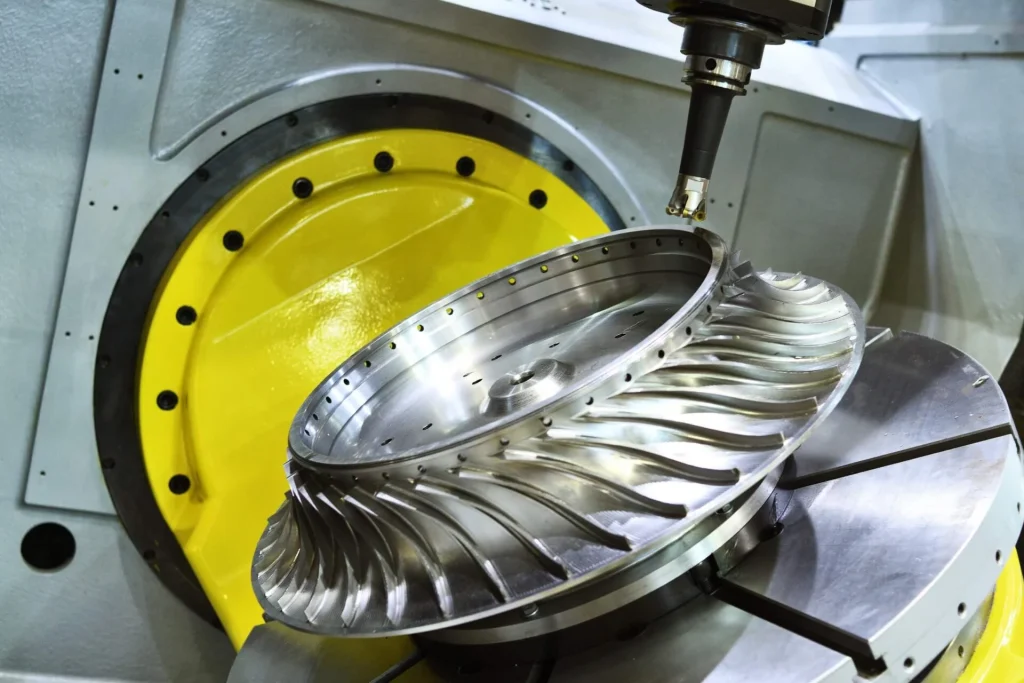
To guarantee that your heavy components meet tight tolerances and specifications, we perform thorough first-article inspections. This includes cutting-edge 3D scanning technologies for precise dimensional verification and surface analysis, critical for large, complex or precision heavy CNC machining projects.
For details on materials we handle during heavy-duty CNC machining, visit our comprehensive CNC machining materials list.
Case Studies of Heavy CNC Machining Projects
We’ve handled some seriously demanding heavy CNC machining projects that highlight our capabilities in large part CNC machining and precision heavy machining.
- 28-ton 4140 Gearbox Housing for Mining Excavator: This massive component required tight tolerances and heavy fabrication techniques to withstand harsh mining conditions. Machining such a heavy steel structure involved advanced fixturing and stringent thermal distortion control.
- 12-meter 316L Stainless Pressure Vessel Base Offshore: Precision machining of large weldments like this offshore pressure vessel base demonstrates our expertise in stainless steel projects for the oil and gas sector. We ensured surface finish quality and dimensional stability to meet strict industry standards.
- 5-axis Inconel 718 Turbine Casing for Power Generation: Tackling complex shapes with demanding nickel alloys, this project used 5-axis machining large parts techniques to deliver a corrosion-resistant, high-strength casing for energy clients.
These examples reflect our commitment to quality, reliability, and capacity in heavy duty CNC machining, from structural steel to advanced super alloys. We can customize solutions for your project’s size, material, and precision requirements. For more on machining complicated precision parts, see our specialized CNC turning precision parts services.
Lead Times and Pricing Factors
Heavy CNC machining projects usually take between 6 to 16 weeks from order to delivery, depending on size, complexity, and finishing. Larger or more complex parts naturally need more programming, setup, and quality checks.
Key cost drivers to keep in mind include:
- Material selection: High-performance alloys like Inconel or titanium significantly increase costs compared to standard steels.
- Setup and tooling: Custom fixtures and heavy-duty tooling add time and expense.
- Testing and inspection: Precision parts often require thorough non-destructive testing and 3D scanning, which impacts pricing.
- Logistics and handling: Shipping and moving large, heavy components require special equipment and care.
Balancing these factors with your project budget early on helps avoid surprises and ensures timely delivery of your large-scale CNC machining needs.
Why Choose MS Machining?
When it comes to heavy CNC machining, MS Machining stands out with capabilities tailored for large part CNC machining and heavy duty CNC machining projects. Here’s why leading U.S. manufacturers trust us:
| Feature | Benefit |
|---|---|
| 50-ton crane capacity | Easily handle oversized and heavy components safely and efficiently under roof |
| 20+ years with Fortune-500 clients | Proven experience meeting strict quality and delivery standards for demanding industries |
| In-house engineering & free DFM reviews | Optimize your heavy CNC machining project early to reduce costs and improve precision |
| Strategic coastal location | Fast ocean freight access for smooth logistics nationwide and international shipping |
Our team specializes in heavy fabrication and machining across materials like structural steel, stainless alloys, and Inconel — ensuring top-tier precision and quality. From large horizontal boring mill services to complex 5-axis machining large parts, MS Machining offers a full suite of heavy industry CNC services backed by real experience.
Partner with us for reliable, high-precision heavy machining you can count on. To explore how we handle large weldments or heavy CNC components, call us today or upload your drawing for a quick quote.
For more details on machining specialty alloys, check our dedicated CNC machining Inconel services.
FAQ on Heavy CNC Machining
What are the largest parts you can machine?
We handle heavy CNC machining projects with parts weighing up to 50 tons. Our equipment supports large dimensions, including heavy-duty horizontal boring mills and gantry 5-axis machines, making us a top choice for big part machining projects.
Do you machine weldments or castings?
We specialize in precision machining of large weldments as well as cast components. Each requires different approaches—weldments often need extra setup for distortion control, while castings might need extensive surface finishing to meet tolerances.
What is the difference between rough and finish machining?
Rough machining removes the bulk of material quickly and efficiently, while finish machining ensures tight tolerances (often ±0.01–0.02 mm) and superior surface finishes. Both steps are crucial in heavy fabrication and machining to meet quality standards.
What file formats do you accept for CNC programming?
We accept common CAD and CAM file formats such as STEP, IGES, DXF, and native files from major software packages. Proper file input speeds up the quoting and machining process significantly.
How long does it take to get a quote?
Our quote turnaround time typically falls within 24 to 48 hours after receiving your detailed drawings or RFQ. We strive to provide clear, competitive pricing so you can plan your heavy CNC machining projects confidently.
For detailed CNC machining services tailored to heavy components, visit our CNC machining services page.
Call to Action
Ready to start your heavy CNC machining project? Upload your drawing or request a quote now to get a fast, accurate estimate. Our team promises a detailed response within 24–48 hours so you can move forward with confidence. Whether you need large part CNC machining or precision heavy CNC machining, we’re here to deliver quality and reliability every step of the way.
Contact us today to discuss your heavy-duty CNC machining needs, and let’s make your next big project a success!