
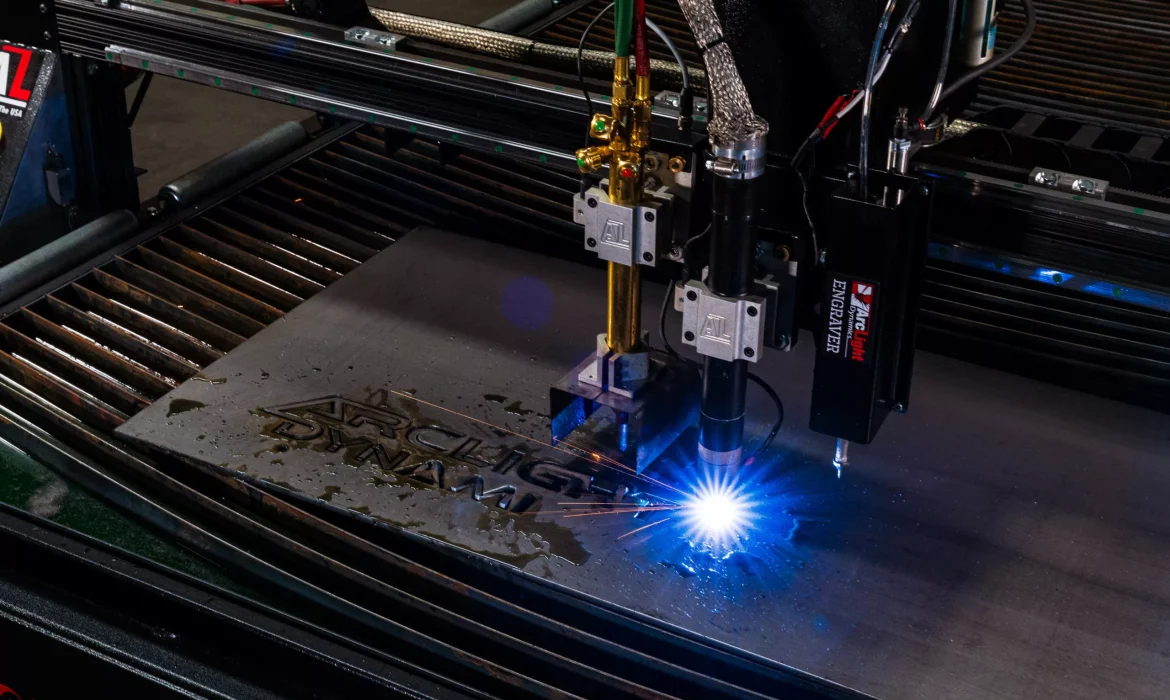
If you’re exploring ways to boost your metal fabrication game, chances are you’ve come across the term CNC plasma cutting machine. This technology has transformed how we cut metal—offering unmatched speed, precision, and versatility for everything from hobby projects to heavy industrial use. Whether you’re upgrading from manual methods or searching for the perfect automated solution, understanding what a CNC plasma cutter can do is key to making the right choice. In this guide, we’ll break down the essentials, highlight practical benefits, and help you navigate options—all with insights drawn from real-world experience and MS Machining’s expertise in precision plasma solutions. Ready to cut smarter? Let’s dive in!
What Is a CNC Plasma Cutting Machine?
If you’re wondering what a CNC plasma cutting machine is, here’s the straightforward answer: it’s an automated metal cutting system that uses a high-temperature plasma arc controlled by a computer (CNC) to slice through conductive metals. This combination of automation and plasma cutting technology offers precision, speed, and repeatability unmatched by manual cutting methods.
Core Components of a CNC Plasma Cutting Machine:
| Component | Function |
|---|---|
| Table/Frame | Supports the material and cutting system; made of steel for rigidity |
| Gantry | Moves the plasma torch precisely over the workpiece |
| Plasma Torch | Generates the plasma arc that melts the metal |
| CNC Controller | Converts CAD/CAM designs into movements (G-code) |
| Power Supply | Powers the plasma arc, controls voltage and current |
How Plasma Cutting Works:
The magic behind plasma cutting lies in ionized gas—usually air or nitrogen—that gets superheated to create an arc. This plasma reaches temperatures up to 30,000°F, instantly melting the metal. The force of the jet blows the molten metal away, leaving a clean cut.
- Ionized gas arc: Creates the cutting heat
- Melting: Metal at cut line liquefies
- Expulsion: Molten metal is blown out, clearing the cut
CNC Plasma vs. Manual Plasma Cutters and Other CNC Tech:
- Manual plasma cutters depend on the operator’s skill, often leading to uneven cuts and slower speeds.
- CNC plasma machines automate control, delivering precise, repeatable cuts with less waste.
- Compared to other CNC methods (like laser or waterjet), plasma excels on thicker, conductive metals but can produce slightly rougher edges.
In short, a CNC plasma cutting machine blends plasma cutting technology with computer automation, making it ideal for anyone needing fast, accurate cuts on metal fabrication projects. At MS Machining, we specialize in tailoring these systems for your needs, combining reliability and top performance.
How CNC Plasma Cutting Works
CNC plasma cutting starts with designing your part in CAD/CAM software. This design is then converted into G-code, the language your CNC plasma cutting machine understands to control movements precisely. Once the code is loaded, the plasma torch gets ready for action, guided by the CNC controller.
A key part of the process is torch height control (THC), which maintains the optimal distance between the plasma torch and the metal surface. This is crucial because it ensures consistent arc voltage and clean cuts. Advanced machines include initial height sensing to set the perfect start point automatically, and arc voltage control adjusts the torch height during cutting to handle any metal warping or surface irregularities.
Several factors influence cut quality and efficiency:
- Air quality: Clean, dry, and properly filtered air improves plasma arc stability.
- Consumables condition: Worn nozzles or electrodes reduce cut precision and speed.
- Material warping: Heat can cause slight bending; THC helps compensate for this in real time.
Automated features like THC and voltage control make CNC plasma cutting highly reliable, especially for demanding fabrication jobs in industries like metalworking and manufacturing. For more about precision manufacturing, check out precision CNC milling services, which often complement plasma cutting solutions.
Advantages of CNC Plasma Cutting Machines
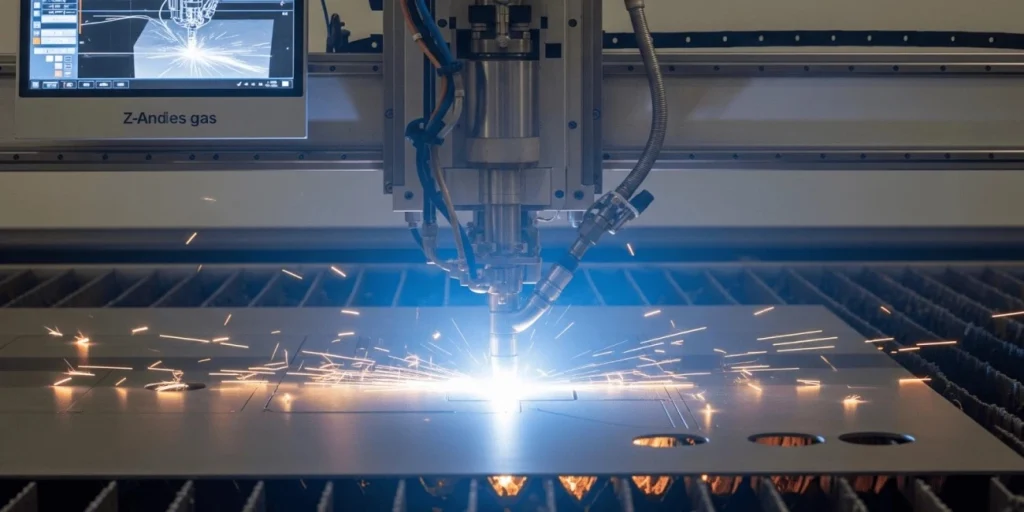
CNC plasma cutting machines offer several benefits that make them a top choice for metal fabrication in the U.S. First, their high-speed cutting capabilities can reach over 300 inches per minute, boosting productivity significantly. They shine when working with conductive metals like steel, aluminum, and copper—especially on thicker materials where other cutting methods slow down or cost more.
Compared to laser cutters or manual plasma systems, CNC plasma machines generally have lower initial investment and operating costs. This makes them ideal for small shops and growing businesses looking to maximize ROI without breaking the bank. Setup is straightforward, and automated features reduce material waste by optimizing cut paths.
These machines are flexible enough for everything from quick prototypes to full production runs and custom work. Whether producing automotive parts, structural steel components, or signage, CNC plasma cutters adapt well across industries. Their ability to precisely and efficiently cut a variety of metals helps keep shops competitive and responsive to customer demands.
If you’re interested in expanding your metalworking capabilities, pairing a CNC plasma cutting machine with reliable software and systems, like those found in advanced CNC milling or tubing bending setups, can take your shop to the next level. Check out our CNC milling and CNC tubing benders pages for more ways to upgrade your workshop.
CNC Plasma vs. CNC Laser Cutting: Key Differences
When deciding between a CNC plasma cutting machine and a CNC laser cutter, understanding their strengths helps you pick the right tool for your projects.
| Feature | CNC Plasma Cutting | CNC Laser Cutting |
|---|---|---|
| Material Thickness | Excels at cutting thicker metals (up to 1″ or more) | Best for thin to medium thickness (usually under ½”) |
| Cut Quality | Rugged edges, slight dross, good for steel and aluminum | Clean, precise cuts with smooth edges, ideal for fine details |
| Speed | Faster on thicker materials | Slower on thick plates but speedy for thin materials |
| Cost | Lower initial cost and operating expenses | Higher initial investment and maintenance costs |
| Maintenance | Consumables replaced more often (electrodes, nozzles) | Requires mirror and lens care, less frequent consumables |
| Best Use Cases | Structural steel, heavy fabrication, thicker plates | Sheet metal, detailed designs, stainless steel cutting |
When to Choose Plasma Over Laser (or Vice Versa):
Choose CNC plasma cutting when working with thick, conductive metals where speed and cost-effectiveness matter most. It’s perfect for fabricating metal frames, agricultural equipment, or custom enclosures that don’t require fine edge details.
Go with CNC laser cutting for projects that need precision and clean edges, like automotive parts, detailed signage, or thin stainless steel sheets. Laser cutting also shines in jobs where minimal post-processing is required.
For metal fabrication projects focused on stainless steel or intricate designs, you might find stainless steel casting CNC machining applications helpful to pair with your cutting process.
Understanding these differences ensures you get the right cutting solution tailored to your production needs and budget.
Applications and Industries
CNC plasma cutting machines play a crucial role across various industries thanks to their precision and speed. In metal fabrication and structural steel, these cutters efficiently produce strong, accurate parts like beams, brackets, and frames. Automotive manufacturers rely on CNC plasma cutting for durable components and custom parts, including exhaust systems and chassis elements.
Sign makers and artists value CNC plasma cutters for creating intricate signage and artistic metal designs with clean edges and consistent detail. In HVAC and agricultural equipment manufacturing, plasma cutting handles thick metals required for durable housings, ducts, and machinery parts.
Industrial manufacturing sectors also use these machines for custom enclosures, machinery panels, and replacement parts, helping streamline production. Whether cutting stainless steel, aluminum, or mild steel, CNC plasma systems offer consistent quality and versatility suitable for small workshop jobs or large-scale fabrication.
For more insight into precision metal processes, you might find our detailed guide on CNC metal machining useful for understanding how CNC technology integrates across fabrication workflows.
Key Features to Look for in a CNC Plasma Cutting Machine
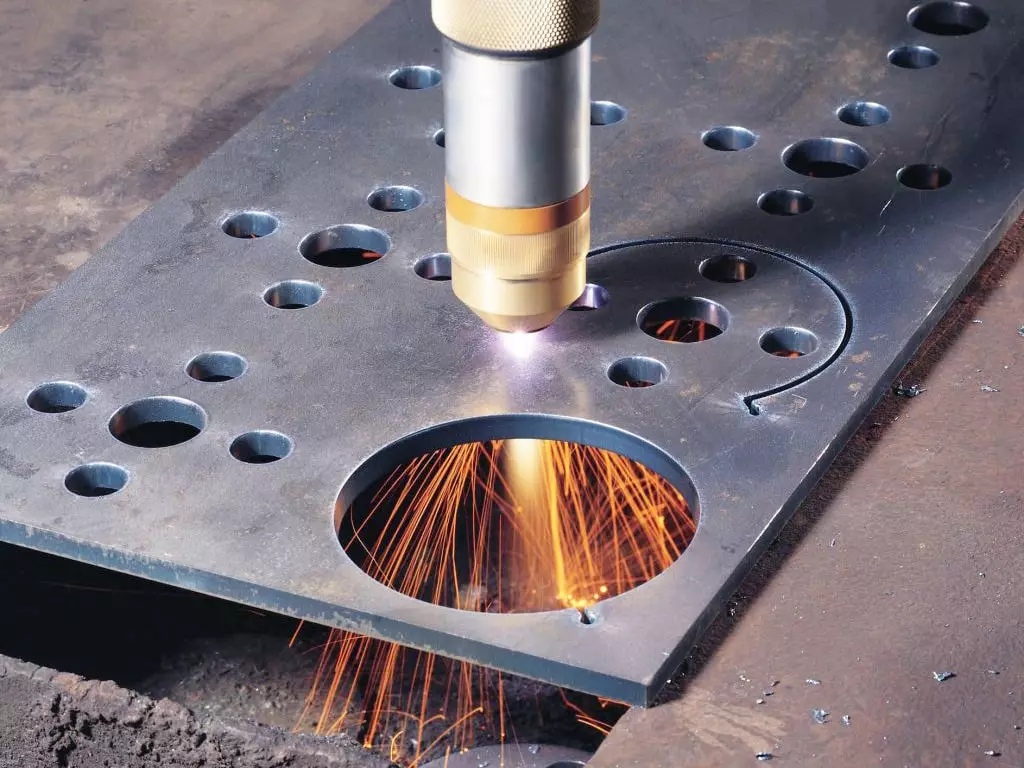
When choosing a CNC plasma cutting machine, certain features make a big difference in performance, ease of use, and cut quality. Here’s what to keep in mind:
| Feature | What to Look For | Benefits |
|---|---|---|
| Table Size & Frame | Common sizes: 4×4, 4×8, 5×10 ft or custom | Bigger tables handle larger parts; welded steel frames add rigidity and reduce vibrations |
| Drive Systems | Helical rack-and-pinion; servo motors vs. stepper motors | Servo motors offer smoother, faster motion; rack drive ensures accuracy over long travel |
| Torch Height Control (THC) | Automatic height/floating head control | Maintains optimal torch distance for consistent cuts and extends consumable life |
| Software Compatibility | FireControl, SheetCAM, Fusion 360 | Easy CAD/CAM integration simplifies design-to-cut workflow |
| Fume and Dross Management | Downdraft tables or water tables | Keeps work area cleaner and reduces post-cut cleanup time |
| Add-ons | Rotary axis for pipe cutting; plate marking tools | Adds versatility for cutting round stock and labeling parts |
A reliable CNC plasma table with these features ensures precision plasma cutting and better productivity. For example, a floating head with THC is crucial on uneven metal sheets, while choosing the right drive system impacts speed and cut smoothness. Also, software compatibility allows you to leverage powerful CAD/CAM tools, streamlining your workflow. Downdraft or water tables help manage fumes and slag, improving shop safety and maintenance.
If you’re looking to explore more about CNC machining basics and how plasma cutting fits within automated metalworking, check out this detailed guide on what CNC machining is and what CNC stands for. It’s great background info for understanding the benefits of CNC plasma cutting machines.
Choosing the Right CNC Plasma Cutter and Table
Picking the right CNC plasma cutting machine and table comes down to a few key factors. First, consider your budget—entry-level machines with 45-65 amp plasma power supplies work great for light-duty cutting. For thicker metals or industrial use, you’ll want a higher-amperage power supply to handle tougher jobs.
Next, think about your workspace and production volume. Smaller tables like 4×4 or 4×8 feet suit hobbyists and small shops, while professionals often go for larger 5×10 or custom-sized tables to maximize throughput. The right table size and rigid frame construction help improve accuracy and reduce material waste.
Also, check your material types and thickness. Plasma cutting excels in conductive metals such as mild steel, stainless steel, and aluminum, especially in medium to thick gauges. Make sure your plasma cutter supports the thickness range of your common projects.
For consistent, quality cuts, your air compressor setup must deliver clean, dry air at the correct pressure. Proper air filtration and routine consumables management (like replacing consumable electrodes and nozzles) are key to reducing downtime and maintaining cut quality.
Finally, partnering with an experienced provider like MS Machining can make all the difference. MS Machining offers tailored CNC plasma cutting solutions designed to fit your specific production needs, combining custom table sizes and high-precision plasma cutting technology. Their expertise in CNC production machining ensures you get a setup that maximizes both efficiency and return on investment.
With the right CNC plasma cutter and table, you’ll boost productivity while keeping costs manageable for any metal fabrication project.
Top CNC Plasma Cutting Machines and Recommendations for 2026
For 2026, the CNC plasma cutting machine market offers solid choices across entry-level, mid-range, and industrial categories. Entry-level systems are perfect for hobbyists or small shops, usually featuring 45-65 amp plasma power supplies that handle thinner metals well with good precision. Mid-range machines step up with stronger power units, improved torch height control, and larger table sizes, great for growing fabrication businesses. Industrial plasma cutters shine in speed and cutting capacity, designed for heavy-use environments working on thick steel and stainless steel plates.
When choosing a reliable system, look for consistent cut quality, durable build, and strong technical support. Brands that combine advanced CNC controllers with precision plasma cutting—like MS Machining’s custom builds—offer tailored solutions that meet specific production needs and materials. MS Machining also provides expert advice on integrating your plasma cutter with software and accessories, ensuring your setup performs at its best.
If you’re aiming for precision metal fabrication or industrial production, consider machines with features like downdraft plasma tables and advanced torch height control for clean, efficient cuts. These options help reduce waste, improve consumable life, and keep your operation running smoothly.
For those interested in detailed component machining or adding customized parts integration, MS Machining also specializes in CNC milling machine parts, complementing your plasma cutting workflow for comprehensive metal fabrication solutions.
In short, for the 2026 market:
- Entry-level: Ideal for lighter projects and learning plasma cutting basics
- Mid-range: Best for SMBs needing higher precision and faster throughput
- Industrial: Heavy-duty, large-format cutting with maximum power and automation
Investing in the right CNC plasma cutting machine today can boost production, cut costs, and grow your business efficiently.
Setup, Operation, and Best Practices
Getting your CNC plasma cutting machine set up right is key to smooth operation and quality cuts. Start with essential accessories like a dry air system to keep moisture out of your plasma torch, proper grounding for safety and stable arcs, and personal safety gear—gloves, eye protection, and protective clothing are must-haves.
When operating, follow a basic workflow:
- Nesting: Arrange your parts efficiently in the CAD/CAM software to reduce scrap and maximize material use.
- Lead-ins: Use lead-in lines to avoid marks on your finished part edges.
- Pierce points: Set pierce points away from critical areas to prevent dross and improve cut quality.
For consistently clean cuts and longer consumable life, keep these tips in mind:
- Maintain a stable torch height control (THC) to ensure the plasma arc stays at the right distance.
- Use clean, dry compressed air to avoid contamination on the nozzle and electrode.
- Regularly inspect and replace worn consumables before they affect cut quality.
- Monitor material warping and adjust the cutting parameters accordingly.
Following these best practices not only boosts cut precision on your CNC plasma cutting machine but also lowers operating costs over time. For advanced cutting setups and tailored operational guidance, partnering with experts in CNC engineering precision metal parts can make a big difference.
Maintenance and Troubleshooting for CNC Plasma Cutting Machines
Keeping your CNC plasma cutting machine in top shape is key to consistent performance and a longer lifespan. Here’s what to focus on for routine maintenance and quick troubleshooting:
Routine Maintenance Checks
- Consumables Replacement: Regularly inspect and swap out plasma cutter consumables like nozzles, electrodes, and shields. Worn parts cause poor arc quality and rough cuts.
- Alignment: Ensure the torch and CNC cutting table are properly aligned. Misalignment leads to uneven cuts and increased wear on components.
- Air Filtration: Use clean, dry air with an effective filtration system to prevent moisture or oil from damaging parts. Contaminated air reduces cut quality and shortens consumable life.
Common Issues & Fixes
- Dross Buildup: Excess slag can stick to the material edges. Prevent this by adjusting travel speed and checking torch height control (THC) settings.
- Inconsistent Arc: Flickering or unstable arcs often come from poor grounding, dirty consumables, or fluctuating air pressure. Clean contacts and maintain steady air supply.
- Material Warping: Warping occurs if cutting speeds are too slow or the material isn’t properly supported during cutting. Adjust settings and use suitable clamps or fixtures.
Tips for Long-Term Durability
- Schedule regular professional servicing for electrical and mechanical components.
- Keep software and CNC controller firmware updated to optimize cutting precision.
- Monitor consumable inventory to avoid downtime.
- Invest in a quality downdraft or water table to manage dross and fumes, which helps protect machine parts.
Following these best practices maximizes your CNC plasma cutter’s ROI by reducing downtime and boosting cut quality. For detailed operational guidance, check out related insights on how CNC machining works across different technologies.
Cost Considerations and ROI
Investing in a CNC plasma cutting machine involves more than just the upfront cost of the machine itself. You’ll need to factor in the plasma power supply, essential accessories like a downdraft plasma table or water table for fume management, and consumables including nozzles and electrodes. Entry-level systems with a 45-65 amp plasma unit are budget-friendly, while higher-powered setups for industrial use come at a steeper price but offer greater cutting capacity and speed.
Operating costs with a CNC plasma system tend to be lower than outsourcing or manual cutting. Automated features reduce material waste and speed up production, translating to savings over time. Air compressors, regular consumable replacements, and routine maintenance are ongoing expenses but manageable compared to labor-intensive manual processes.
In a production environment, a CNC plasma cutter typically pays for itself quickly—often within months for businesses doing consistent cutting work. The combination of faster job turnaround, reduced scrap rates, and minimal setup complexity contributes to a strong return on investment (ROI). For those serious about metal fabrication, the long-term savings and productivity gains make a CNC plasma cutting machine a smart financial choice.
For tailored solutions that align with your specific budget and production needs, consider partnering with experts like MS Machining, who specialize in custom metal fabrication systems designed for optimal ROI. You can explore more about their approach to efficient metal cutting and fabrication on their custom metal fabrication page.
FAQs About CNC Plasma Cutting Machines
What is the max thickness a CNC plasma cutting machine can handle?
Most CNC plasma cutters can effectively cut metals up to about 1 inch thick, sometimes more depending on the power of the plasma unit. Entry-level machines typically handle lighter gauge steel, while industrial-grade plasma cutters power through thicker plates. For materials like stainless steel and aluminum, thickness capability also depends on the specific plasma cutter and cutting settings.
What’s the best CNC plasma cutter for beginners?
For newcomers, an entry-level CNC plasma cutting machine with a power supply around 45-65 amps is ideal. These machines strike a good balance between cost, ease of use, and cut quality. Look for models with reliable torch height control (THC) and user-friendly software compatibility. This setup works great for hobbyists or small workshops starting with metal fabrication.
How does plasma cutting compare to oxy-fuel cutting?
Plasma cutting uses an ionized gas arc to melt and blow away metal, which allows for faster and more precise cuts, especially on thinner and moderately thick conductive metals. It’s also cleaner with less heat distortion.
Oxy-fuel cutting melts the metal through a chemical reaction involving oxygen and fuel gas, excelling on very thick steel but slower and less precise than plasma. Oxy-fuel is often preferred for heavy steel beams or cutting thick structural material when cost is a factor.
In short: choose plasma cutting for speed, precision, and versatility on a variety of metals; oxy-fuel for very thick steel or when budget constraints exist.
For more insights on metalworking projects and automated metal cutting, check out our resources on automotive CNC machining and precision aluminum CNC machining parts.