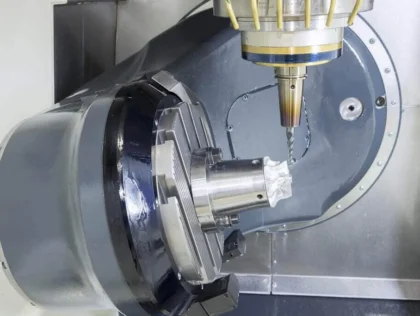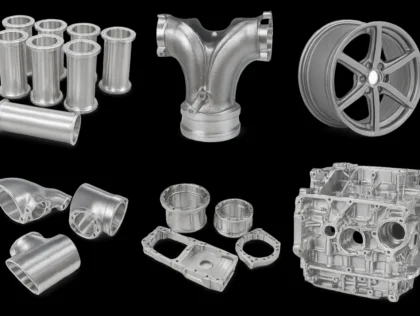
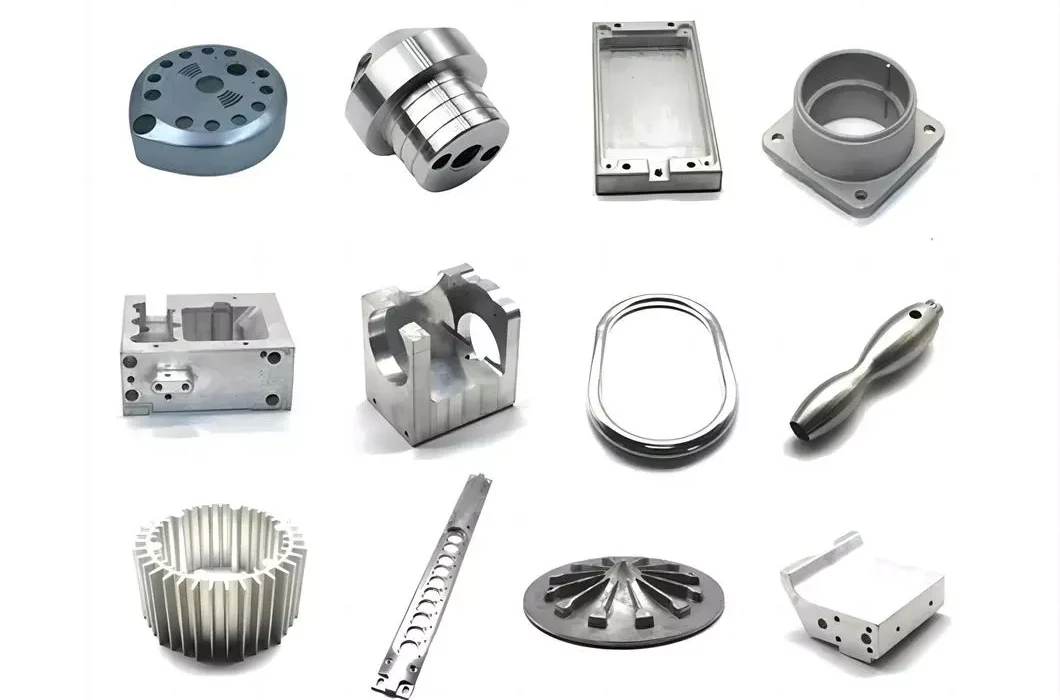
If you’re serious about mastering metal machining, especially when working with CNC aluminum prototyping and scaling to mass production of milling parts, you’ve landed in the right place. Turning a precise aluminum prototype into thousands of consistent, high-quality parts isn’t just about running machines—it’s about smart design decisions, selecting the right alloys, optimizing tooling, and controlling costs every step of the way. In this post, you’ll get practical insights to help you bridge that critical gap between rapid prototyping and full-scale production with confidence. Ready to elevate your CNC aluminum milling game? Let’s get started.
Understanding CNC Metal Machining and Why Aluminum Dominates
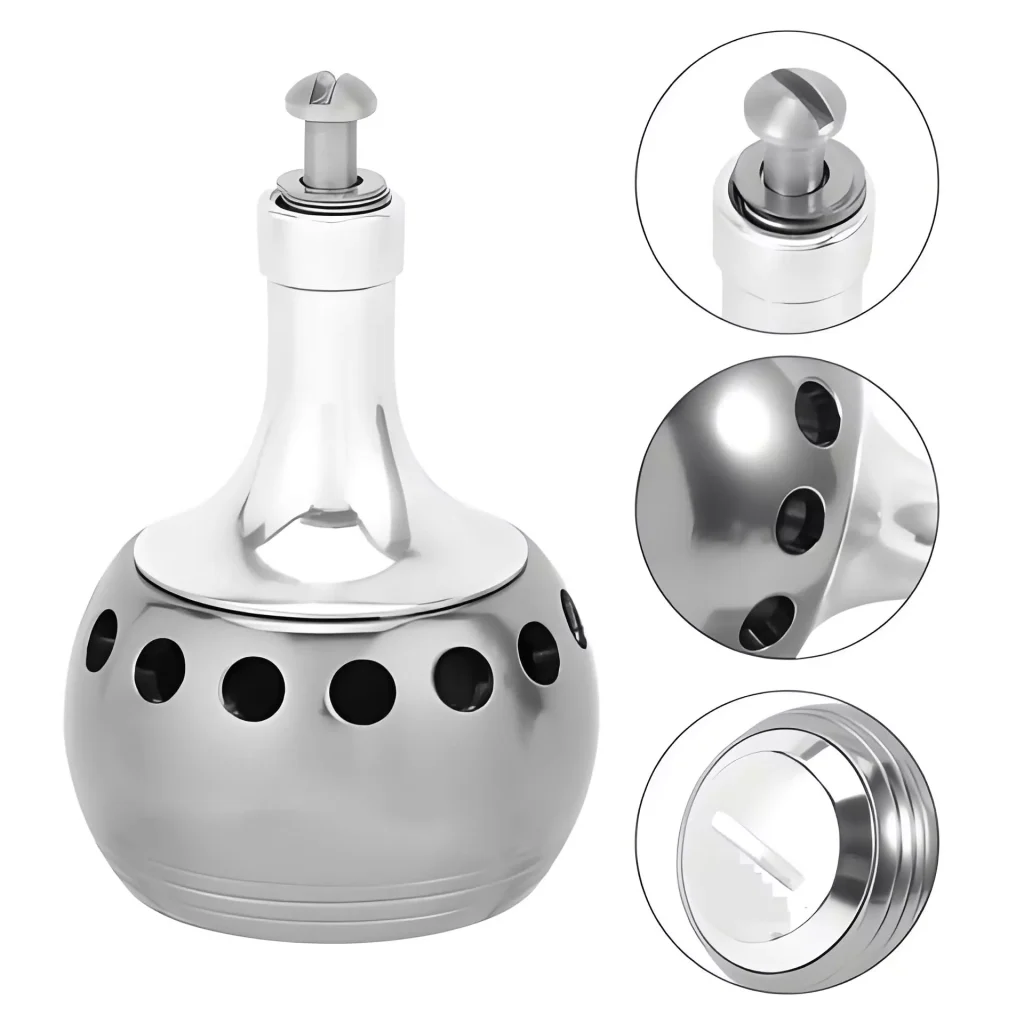
CNC metal machining uses computer-controlled tools to cut and shape metal parts with high precision. Among the many metals available, aluminum stands out as the top choice in CNC aluminum prototyping and production. Why? Aluminum offers an unmatched balance of light weight, strength, and machinability — making it ideal for everything from custom metal milling parts to large-scale manufacturing.
Here’s why aluminum dominates the CNC aluminum milling process:
- Excellent machinability: Aluminum cuts easily at high speeds, reducing cycle times and tool wear.
- Lightweight yet strong: Its high strength-to-weight ratio suits aerospace, automotive, and electronics industries.
- Corrosion resistance: Aluminum naturally resists rust, enhancing part longevity.
- Cost-effective: It’s abundant and affordable, helping optimize costs in CNC production.
- Versatility: Available in multiple alloys, aluminum meets various design and function demands.
By understanding aluminum’s machining advantages, you’ll see why mastering the aluminum CNC milling process is crucial to efficient prototyping and scalable production. Whether you’re focused on precision CNC milling tolerances or high-speed CNC machining aluminum, this metal offers the best path to reliable, high-performance parts.
Choosing the Right Aluminum Alloys for Machining
Picking the right aluminum alloy is a critical step in CNC aluminum prototyping and production. Not all aluminum alloys behave the same under the milling process, so knowing which one fits your project can save time and cost while improving part quality.
Here’s a quick look at common aluminum alloys used in machining and what makes them stand out:
- 6061 Aluminum: Known for its good strength, corrosion resistance, and weldability, 6061 is great for structural parts and general-purpose milling. It machines well and holds tight tolerances.
- 7075 Aluminum: If you need high strength and toughness, 7075 is a go-to. It’s often used in aerospace and automotive parts, but it can be trickier to machine compared to softer alloys.
- 2026 Aluminum: Offers excellent fatigue resistance, often chosen for aerospace components requiring durability under stress. It machines well but requires some care due to its hardness.
- 5052 Aluminum: This alloy stands out for its corrosion resistance in marine environments and good formability.
When selecting your aluminum alloy for the CNC aluminum milling process, consider:
- Machinability: Softer alloys like 6061 are easier and faster to machine.
- Strength requirements: High-stress parts may need 7075 or 2026.
- Corrosion resistance: Alloys like 5052 work well in harsh environments.
- Surface finish needs: Some alloys produce better finishes and respond well to post-machining treatments.
The choice of alloy also affects tooling and parameters aluminum machining professionals use to maintain precision CNC milling tolerances while maximizing tool life.
For complex parts requiring tight tolerances and special finishes, partnering with experienced custom CNC machining services is key. They can guide alloy selection based on your exact needs and ensure the best outcome.
Also, if your project involves combining aluminum parts with metals like stainless steel, looking into high-quality stainless steel casting and CNC machining options can help create durable assemblies with precision fit.
Choosing the correct aluminum alloy upfront sets the stage for a smooth CNC milling process and strong, reliable finished parts.
The CNC Aluminum Prototyping Phase: From Concept to Functional Parts
CNC aluminum prototyping is where your ideas start to take shape. This phase moves a design from digital concepts to real, functional parts that you can test and evaluate. Using the aluminum CNC milling process, machinists create precise prototypes that reflect the final product’s intended size, form, and function.
Key to this stage is selecting the right aluminum alloy and setting up precise tooling and parameters to ensure your prototypes meet the design intent with tight tolerances. Prototyping helps identify potential design or manufacturing issues early, saving time and money down the line.
By leveraging high-speed CNC machining aluminum techniques, manufacturers can quickly turn around prototypes that are close to production quality. This speeds up the design iteration process, allowing for adjustments before moving to mass production.
If you want insights into how machining accuracy impacts prototyping quality, check out our detailed look at how accurate CNC milling really is. This resource helps explain why precision at this stage is crucial for smooth transitions from prototyping to production.
In short, the CNC aluminum prototyping phase is all about bringing your design to life with precision and speed, setting a solid foundation for high-quality, custom CNC machining services.
Design for Manufacturability (DFM) in CNC Milling
Design for manufacturability (DFM) is a crucial step in CNC aluminum prototyping and production. It means designing parts so they’re easy and cost-effective to machine without sacrificing quality. When you keep DFM principles in mind during the design phase, you reduce errors, speed up production, and get better aluminum CNC milling process results.
Key points to focus on for effective DFM in CNC milling:
- Simplify part geometry: Avoid unnecessary complex shapes that can increase machining time and cost.
- Maintain proper tolerances: Precision CNC milling tolerances should match the function of the part but not be tighter than needed.
- Choose appropriate wall thickness: Too thin can cause warping or breakage; too thick wastes material and machining time.
- Standardize hole sizes and features: Using common sizes helps with tooling and reduces setup time.
- Plan for efficient tool paths: Design parts to minimize tool changes and allow smooth cutting, leveraging advanced techniques like 5-axis CNC milling aluminum when suitable.
Incorporating DFM strategies into your part designs leads to smoother transitions from prototyping to production, lowering costs while maintaining quality. For complex features requiring tight precision or wire-cut details, integrating services like wire EDM machining services can complement your CNC milling and improve overall manufacturability.
By focusing on design with manufacturability in mind, you set your project up for success right from the start — saving time, cutting costs, and producing high-quality custom metal milling parts with less hassle.
Advanced CNC Milling Techniques for Aluminum Parts
When it comes to machining aluminum, advanced CNC milling techniques make all the difference in quality and efficiency. Aluminum’s softness compared to other metals lets us leverage high-speed CNC machining aluminum methods to cut faster without sacrificing precision. Using 5-axis CNC milling aluminum tools elevates the process by allowing complex shapes and tight tolerances to be achieved in fewer setups.
Some key techniques include:
- Climb Milling: Reduces tool wear and improves surface finish by cutting with the rotation of the tool.
- Adaptive Clearing: Keeps a consistent chip load to speed up the aluminum CNC milling process while protecting tools.
- Trochoidal Milling: Ideal for deep pocket cuts, it minimizes heat build-up and extends tooling life.
- High-Speed Machining Parameters: Adjusting spindle speeds and feed rates tailored for specific aluminum alloy selection machining keeps accuracy tight and parts consistent.
Optimizing tooling and parameters aluminum machining focuses on sharp carbide end mills, proper coolant use, and precise toolpath strategies. This not only boosts throughput but also ensures precision CNC milling tolerances meet the highest standards for custom metal milling parts.
Harnessing these advanced milling tactics positions your parts for supreme quality and efficiency, whether prototyping or pushing toward mass production. For businesses seeking more on complex machining, exploring specialized services like prototype casting can complement your CNC aluminum prototyping efforts.
Transitioning from Prototyping to Low-Volume and Mass Production
Moving from CNC aluminum prototyping to low-volume and mass production requires careful planning to maintain quality and efficiency. Once your prototype is validated, the focus shifts to scaling the aluminum CNC milling process without sacrificing precision or increasing costs unnecessarily.
Key steps include:
- Refining Design for Manufacturability (DFM): Update the design to streamline machining cycles, reduce tool changes, and use cost-effective aluminum alloys suited for production.
- Standardizing Tooling and Parameters: Ensure consistent setup using repeatable tools and machining parameters optimized for high-speed CNC machining aluminum.
- Process Validation: Run pilot batches to test stability in milling tolerances and surface finishing on a larger scale.
- Automation and Workflow Optimization: Introduce CNC programming enhancements and consider multi-axis machines, like 5-axis CNC milling aluminum parts, to handle complex geometries efficiently.
- Supplier Coordination: Align with your machining partner for reliable supply chain management and quick adjustments during production ramp-up.
Scaling up from prototype to production benefits from expert custom CNC machining services that specialize in smooth prototyping to mass production transition. This ensures your custom metal milling parts stay consistent, meeting tight quality control CNC metal parts standards while optimizing costs.
For insights on overcoming challenges in complex CNC machining setups during scale-up, consider checking out best practices in 5 common problems in complex CNC machining. Also, explore how integrated CNC turning and milling processes can speed up your production line without compromising accuracy at CNC turning and milling.
Optimizing Costs and Efficiency in Production Milling
When moving into production milling, keeping costs low while maintaining quality is critical. CNC aluminum prototyping is a great starting point, but scaling up requires smart strategies to optimize both expenses and efficiency.
Here are key ways to do that:
- Tooling and Parameters: Use the right tools and cutting parameters tailored for aluminum machining. High-speed CNC machining aluminum requires sharp, durable tools and optimized feed rates to reduce wear and cycle times.
- Batch Size Planning: Balance batch sizes to minimize setup times and maximize machine uptime. Small batches increase flexibility but can raise costs; larger runs benefit from economies of scale.
- Design for Manufacturability (DFM) CNC: Simplify designs early to reduce complex milling operations and tool changes, cutting down costs without sacrificing precision.
- Automation and CNC Programming: Invest in efficient CNC programs with automation options like tool changers and pallet systems to speed up production cycles and reduce manual labor.
- Material Utilization: Choose aluminum alloy options wisely to minimize scrap and optimize material costs during the aluminum CNC milling process.
These approaches go hand in hand with thorough quality control and inspection practices to avoid costly defects later. For precision CNC milling tolerances that meet industry standards, streamlined production processes can yield better output at lower costs.
If you want to dive deeper into custom metal milling parts or explore how to scale effectively from prototype to production, check out our insights on precision CNC milling parts custom and precision machined components.
Optimizing every step means you get reliable parts on budget and on time — a must for competitive manufacturing in the U.S. today.
Quality Control, Inspection, and Surface Finishing
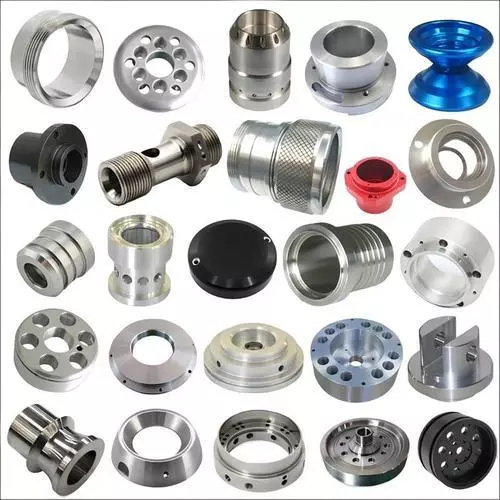
When mastering metal machining, especially in CNC aluminum prototyping and mass production, quality control is non-negotiable. Precision CNC milling tolerances need constant monitoring to ensure every custom metal milling part meets strict standards. During and after production, thorough inspection processes catch any deviations early, avoiding costly rework or delays.
Using measurement tools like coordinate-measuring machines (CMM) and visual inspections helps verify dimensional accuracy and surface integrity. Surface finishing CNC milled parts is the final step that boosts aesthetics and improves corrosion resistance, often involving processes like anodizing, polishing, or bead blasting.
By combining rigorous quality control with proper surface finishing, you get parts that not only fit perfectly but also perform reliably and look great. For more advanced techniques tied to metal cutting, consider exploring specialized processes in metal cutting laser CNC, which can complement traditional CNC milling to raise production quality.
Case Studies: Real-World Success in CNC Aluminum Machining
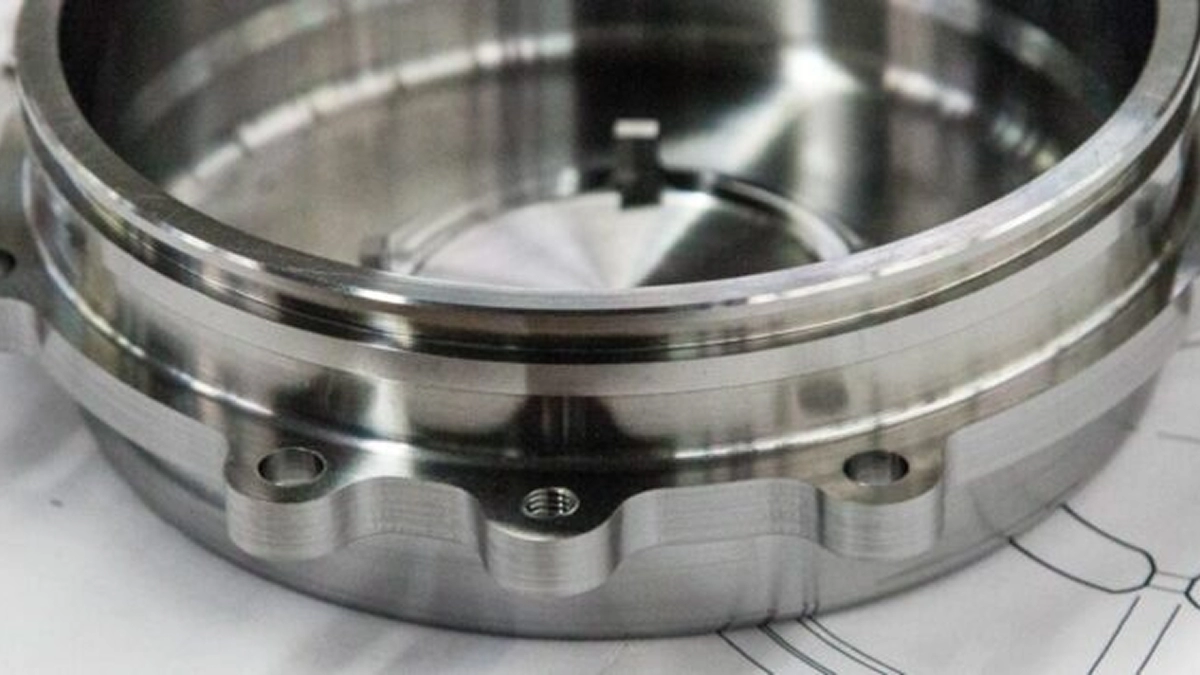
Seeing how CNC aluminum prototyping and production perform in real-world projects helps connect theory to results. Many successful companies have leveraged precise custom CNC machining services to scale from prototypes to mass production with impressive efficiency.
One manufacturing firm improved their product launch timeline by using advanced 5-axis CNC milling aluminum processes, allowing complex geometries with tight precision CNC milling tolerances. This approach reduced material waste and enhanced part consistency during scaling from prototype to production.
Another example is a startup that optimized their aluminum alloy selection machining process, choosing the perfect blend for lightweight yet durable components. Their design for manufacturability (DFM) CNC strategy streamlined the transition from prototyping to low-volume orders without costly adjustments.
Surface finishing CNC milled parts consistently played a role across these success stories by adding both durability and aesthetic polish, critical for customer satisfaction in competitive markets.
Overall, these cases demonstrate how integrating tooling and parameters aluminum machining knowledge with quality control CNC metal parts procedures leads to better cost optimization CNC production and faster time-to-market.
For companies looking for expert guidance, resources like aluminum CNC machining services showcase how industry leaders handle complex parts from concept through production efficiently. Additionally, insights into 5-axis CNC machining services vs 3-axis clarify when to leverage advanced machining setups for tougher challenges.
These examples confirm why mastering the CNC aluminum milling process is essential for reliable, scalable manufacturing success.
Choosing the Right Partner for Your Machining Needs
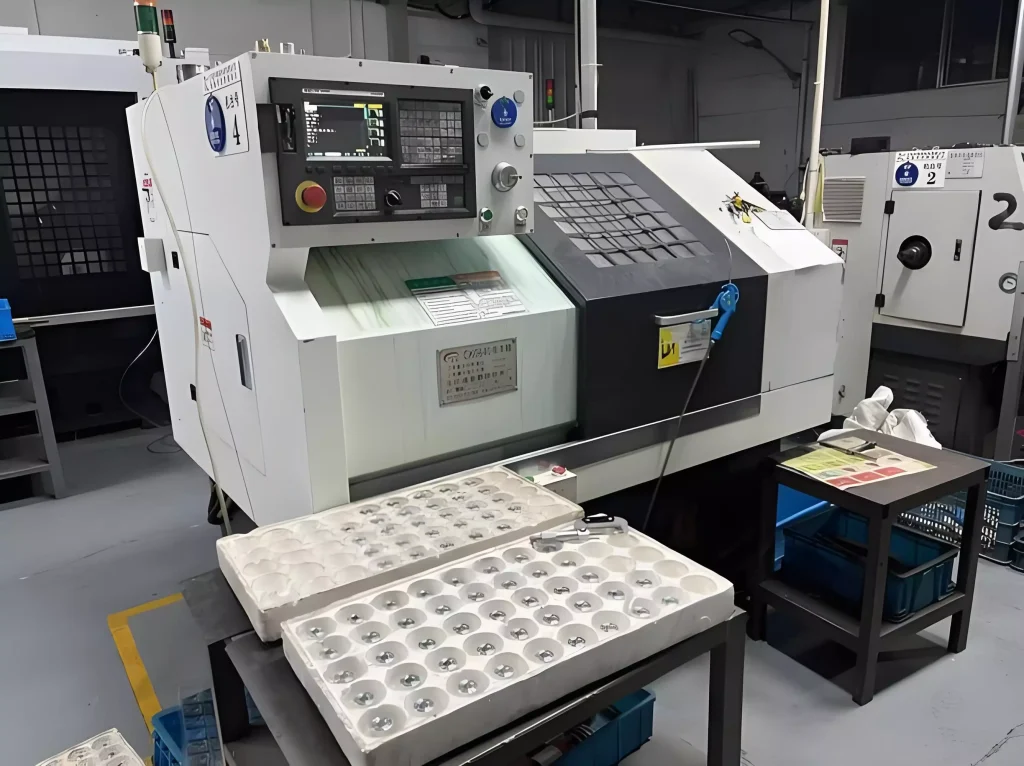
Finding the right partner for your CNC aluminum prototyping and mass production is crucial for success. You want a company that understands the full aluminum CNC milling process—from initial design through to final finishing—and can handle everything with precision and efficiency.
Here’s what to look for when choosing a machining partner:
- Experience with Aluminum Alloy Selection Machining: Ensure they have expertise in working with various aluminum alloys suited for your specific needs.
- Advanced CNC Capabilities: Look for providers offering high-speed and 5-axis CNC milling aluminum services to tackle complex parts with tight tolerances.
- Strong Design for Manufacturability (DFM) Support: A good partner helps optimize your designs to reduce costs and improve manufacturability.
- Quality Control and Inspection: Confirm they follow strict quality control procedures and surface finishing standards to guarantee part consistency.
- Seamless Prototyping to Mass Production Transition: Choose a team experienced in scaling custom metal milling parts from prototypes to full production runs.
Working with a reliable custom CNC machining services provider not only ensures quality parts but also improves your overall project timeline and cost efficiency. If you’re interested in a dependable partner, explore the comprehensive custom CNC machining services available that specialize in aluminum machining and production.
Selecting the right machining partner means you get more than just parts—you get a collaborative relationship aimed at achieving your production goals smoothly and reliably.