
Why Brass Stands Out for CNC Machining
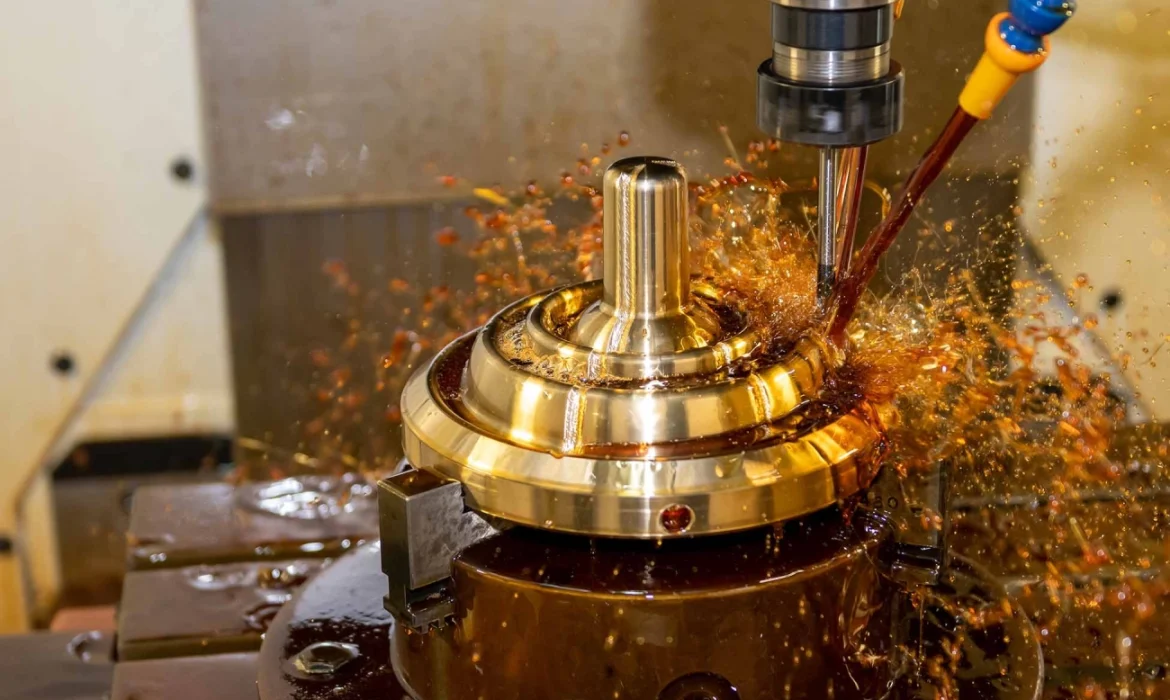
Brass is a top choice for CNC machining prototypes due to its unique blend of key material properties. Its excellent machinability allows for fast, precise cutting with minimal tool wear, saving time and costs on low-volume production runs. Brass also boasts superior corrosion resistance, making it ideal for parts exposed to moisture or harsh environments without requiring additional coatings.
Electrical and thermal conductivity is another strength, crucial for applications like electrical connectors and components requiring efficient heat dissipation. Brass offers dimensional stability and can hold tight tolerances, ensuring prototypes meet functional testing needs. Plus, its naturally attractive finish suits both decorative and functional parts, reducing the need for extra surface treatments.
Among brass alloys, C360 free-machining brass is the most commonly used for prototypes. It combines great machinability with strength and corrosion resistance, delivering consistent results. Other alloys might be selected depending on specific requirements like wear resistance or enhanced conductivity.
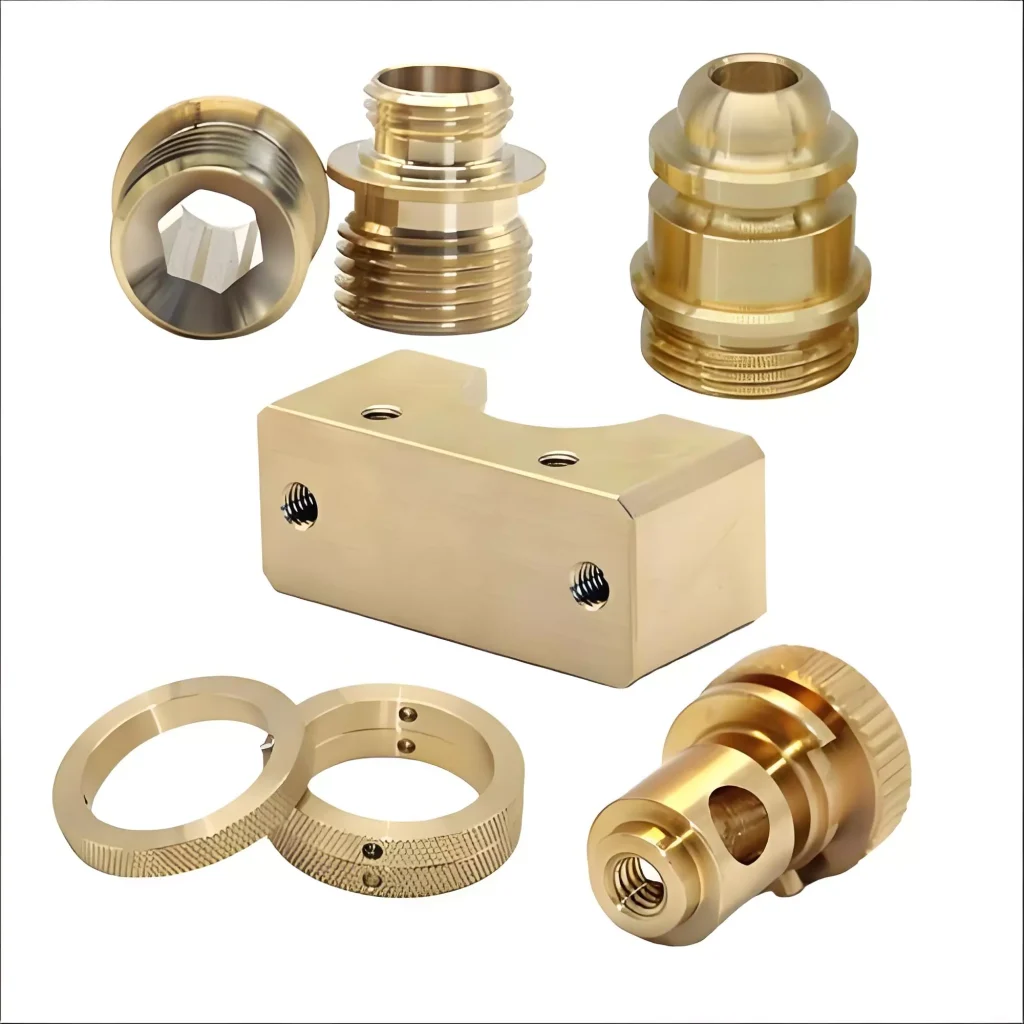
Typical custom brass parts for low volume prototypes include valves, fittings, electrical components, and ornamental hardware. The material’s versatility makes it a reliable choice when balancing performance, appearance, and manufacturing efficiency in early-stage product development.
Cost Analysis: Breaking Down Custom Brass Machining for Low-Volume Runs
When considering custom brass machining for low-volume prototypes, the cost factors stretch beyond just the material price. Brass usually costs more per pound than aluminum but less than some stainless steels. However, brass’s superior machinability often trims cycle times and reduces tool wear, which can balance out or even lower overall costs compared to aluminum or steel CNC machining.
Breaking down the total landed costs includes setup fees, machining time, finishing processes, and expected scrap rates. Brass’s ease of machining means faster setups and less scrap, which is a big plus in runs of 1 to 500 pieces—the sweet spot for custom brass parts low volume projects. You get quicker turnaround without the overhead of large-scale production setups.
There are hidden savings too: brass generates clean chips that extend tool life and reduce maintenance costs. Plus, minimal post-processing is usually needed thanks to brass’s smooth finish straight off the machine. This
Brass vs. Alternatives: When Is It Truly Cost-Effective?
When choosing custom brass machining for your low-volume prototypes, it helps to weigh it against common alternatives like aluminum, steel, plastics, and other metals.
Brass vs. Aluminum
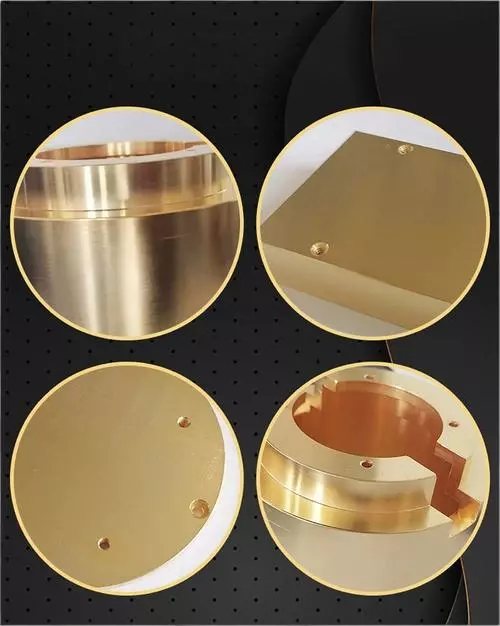
Brass generally outshines aluminum in machinability and conductivity. It machines smoothly with less tool wear, making it ideal for precision brass components that need tight tolerances. Brass also offers a warmer, more luxurious aesthetic compared to aluminum’s silvery finish, which is great for decorative or visible parts. However, aluminum is lighter and often cheaper upfront, so for projects where weight and cost are the top priorities, aluminum might win.
Brass vs. Steel/Stainless Steel
Steel and stainless steel bring higher strength and durability but are tougher to machine. Brass machines faster, produces a better finish, and requires less tool replacement, saving time and cost on low-volume runs. That said, if your prototype needs extreme strength or wear resistance, steel components — available through specialized CNC machining services — might be a better fit despite longer machining times.
Brass vs. Plastics and Other Metals
Plastics can be cheaper and lighter but fall short on conductivity, dimensional stability, and heat resistance. Brass bridges that gap well by providing corrosion resistance and electrical conductivity without the need for coatings—making it a favorite in functional prototypes like electrical connectors and valves. Other metals, like copper or bronze, can compete with brass in some ways but often cost more or lack brass’s balance of machinability and mechanical properties.
When Brass Wins
- You want an attractive, corrosion-resistant prototype without extra surface finishes.
- Electrical conductivity or thermal performance is critical.
- Tight tolerance and high precision are a must for functional parts.
When to Choose Alternatives
- Your project is heavily cost-driven with a large volume of simple parts.
- You need very high strength or extreme durability beyond brass’s capabilities.
- Weight reduction is more important than conductivity or finish.
In these cases, considering aluminum, steel, or plastics may offer better value, but for most low-volume CNC machining needs, brass remains a versatile, cost-effective choice.
For more on material options, check out this guide on custom CNC machining services.
Advantages of Choosing Custom Brass Machining for Prototypes
Custom brass machining offers clear benefits that make it a top pick for low-volume prototypes. First, speed and efficiency are key. Brass machines at high cutting speeds and produces clean chips, which helps CNC machines run smoothly without frequent stops for tool cleaning or replacement. This means faster turnaround times for your prototypes.
When it comes to precision and repeatability, brass shines. It’s easy to maintain tight tolerances critical for functional testing, ensuring each piece matches your design specs consistently. This reliability is crucial before moving to larger production runs.
Brass also provides excellent design flexibility. Complex features and intricate geometry can be machined without expensive tooling setups, which is a huge plus in prototype development where designs often change. You get highly detailed parts without long lead times.
From your prototype to production, brass offers a seamless scalability path. Its consistent material behavior supports a smooth transition from low- to medium-volume runs, maintaining quality throughout. This lowers risks when scaling up batch sizes.
Additional benefits include brass’s recyclability, enhancing your project’s sustainability. Plus, its natural aesthetic appeal suits parts where appearance matters, combining function and style. For businesses focused on eco-friendly and visually striking prototypes, brass hits the mark.
For more on how CNC processes optimize metal part creation, check out detailed insights on CNC machining metal parts. This resource highlights how brass is an ideal choice within advanced CNC workflows.
Potential Drawbacks and How to Mitigate Them
While custom brass machining offers many benefits for low-volume prototypes, there are some drawbacks to keep in mind.
Material price sensitivity and dezincification risks
Brass prices can fluctuate due to market demand for copper and zinc, affecting your prototype budget. Also, certain brass alloys are prone to dezincification—a type of corrosion where zinc leaches out, weakening the part, especially in marine or moist environments.
Tarnishing and maintenance for exposed parts
Brass parts exposed to air and moisture tend to tarnish over time. This can affect aesthetics and may require regular polishing or protective coatings to maintain a clean finish.
Alloy selection challenges: balancing machinability and performance
Not all brass alloys machine equally well. For example, common alloys like C360 are easy on cutting tools but might lack some strength or corrosion resistance needed for your prototype’s function.
Mitigation Strategies
- Choose the right alloy: Select alloys like C360 for easy machining and good overall durability, or explore specialty brasses designed to resist dezincification and tarnish.
- Design for manufacturability (DFM): Optimize your prototype’s design by minimizing thin sections prone to corrosion and simplifying features that can lead to costly reworks.
- Partner with experienced providers: Working with skilled machinists familiar with brass CNC turning and milling can help avoid costly mistakes and choose the best materials for your application. This expertise speeds up production and improves quality. Learn more about CNC lathe machining and CNC milling machine components to understand how precision and experience impact your prototype.
By addressing these factors early, you can reduce risks and fully leverage the cost-efficiency of custom brass parts for your low-volume projects.
Design and Process Tips for Cost-Effective Brass Prototypes
When working with custom brass parts for low volume runs, smart design and process choices make a big difference in cost efficiency. Here’s how to keep your prototype project on budget without sacrificing quality.
DFM Best Practices for Brass Machining
- Optimize geometry: Keep designs simple where possible. Avoid overly thin walls and deep cavities that can slow down machining or increase scrap.
- Manage tolerances wisely: Brass is great for tight tolerances, but only specify what’s necessary to save machining time.
- Leverage brass strengths: Use brass’s natural corrosion resistance and finish quality to minimize extra surface treatments.
CNC Techniques Tailored for Brass
- Turning and milling work very well with brass alloys like C360, allowing for quick cycle times.
- Multi-axis machining can produce complex features cleanly, cutting down on manual finishing.
- CNC brass machining often results in clean chips and less tool wear, reducing overall costs. For more details on machining advantages, check out resources on CNC precision machining.
Cost-Reduction Tactics
- Batch grouping: Run prototypes in small batches to leverage setup savings.
- Smart sourcing: Partner with suppliers familiar with brass alloys to get the best material prices.
- Surface finish specs: Stick to finishes that require minimal post-processing—brass’s natural luster often does the trick.
- Plan iterations: Consolidate design changes early to avoid repeated machining runs.
Lead Time Considerations
- Programming expertise and advanced CNC equipment are critical to meet tight prototype delivery schedules.
- Skilled machinists help avoid costly reworks by optimizing the machining strategy from the start.
By following these tips, your low-volume brass CNC machining project can stay cost-effective while delivering precise, functional prototypes. For a complete breakdown of machining costs and strategies, see our CNC machining cost guide.
Case Studies and Real-World Examples
Many businesses have turned to custom brass machining for low-volume prototypes because it delivers both speed and cost savings. For example, a Midwest electrical components company reduced their prototype turnaround time by 30% while cutting machining costs by nearly 20% by switching to C360 brass for their connector housings. The material’s excellent machinability and minimal post-processing needs allowed faster CNC milling and turning, ultimately speeding up the development cycle.
Another case involved a startup creating decorative valve prototypes where brass’s natural finish eliminated the need for additional plating or coatings. This choice saved them both money and time, as fewer finishing steps meant quicker delivery and reduced scrap rates.
From these projects, the key lessons include:
- Significant time savings from faster cycle times due to brass’s machinability
- Lower costs driven by less tool wear and reduced post-processing
- Consistent part performance thanks to tight tolerances achievable with brass CNC machining
For low-volume brass CNC machining prototypes, these examples highlight how brass can be a cost-effective material choice that balances quality, speed, and total landed cost. If you want to see how this fits into your project, exploring services like precision turned parts or CNC milling for brass is a good starting point.
When Custom Brass Machining Makes Sense for Your Project
Choosing custom brass machining for your low-volume prototypes is all about matching your project’s needs with what brass can deliver best. Here’s a quick checklist to help you decide if brass CNC machining prototypes fit your goals:
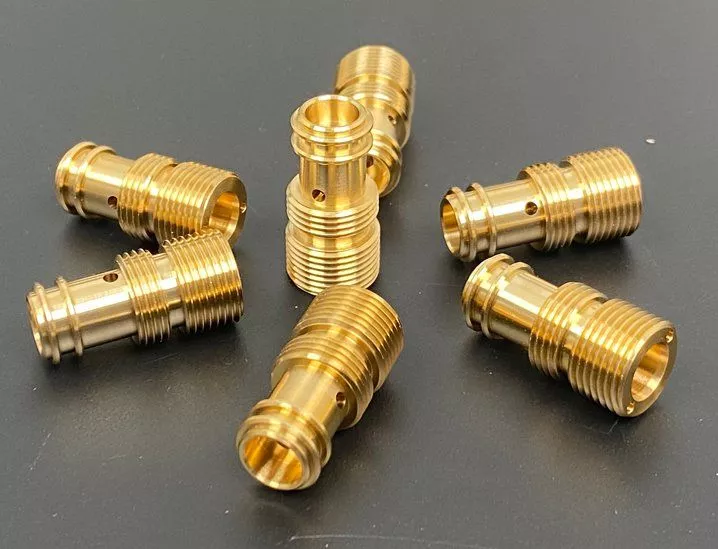
- Function: Do you need excellent machinability, corrosion resistance, or electrical conductivity? Brass is great for parts like electrical connectors, fittings, and valves.
- Environment: Will the part be exposed to moisture or mild corrosive conditions? Brass holds up well without requiring extra coatings.
- Aesthetics: Is appearance important? Brass offers a warm, attractive finish that often requires minimal post-processing.
- Volume: For low-volume runs (typically 1–500 pieces), custom brass parts low volume machining strikes a good balance of cost and quality.
- Budget: Are you aiming for cost-effective precision with fewer tool wear costs and less scrap? Brass machining can reduce overall expenses in prototyping.
Red Flags for Avoiding Brass Machining
There are situations where brass may not be the best choice:
- High Strength Needs: If your prototype requires extreme strength or hardness, steel or stainless may be better.
- Cost Constraints: When material cost dominates and you’re on a tight budget, aluminum or plastic might be more affordable.
- Chemical Exposure: For harsh chemicals or environments causing dezincification, specialized alloys or alternative materials work better.
- Surface Maintenance: If your part will be exposed and needs to avoid tarnish or ongoing upkeep, consider protective coatings or other metals.
When these red flags show up, quick alternatives like aluminum CNC machining or certain plastics can offer better cost or performance. Still, for many projects, brass prototypes deliver a fantastic balance of precision, appearance, and machining economics. For guidance on how CNC machining influences project costs, exploring resources on CNC milling pricing can provide deeper insight.


