
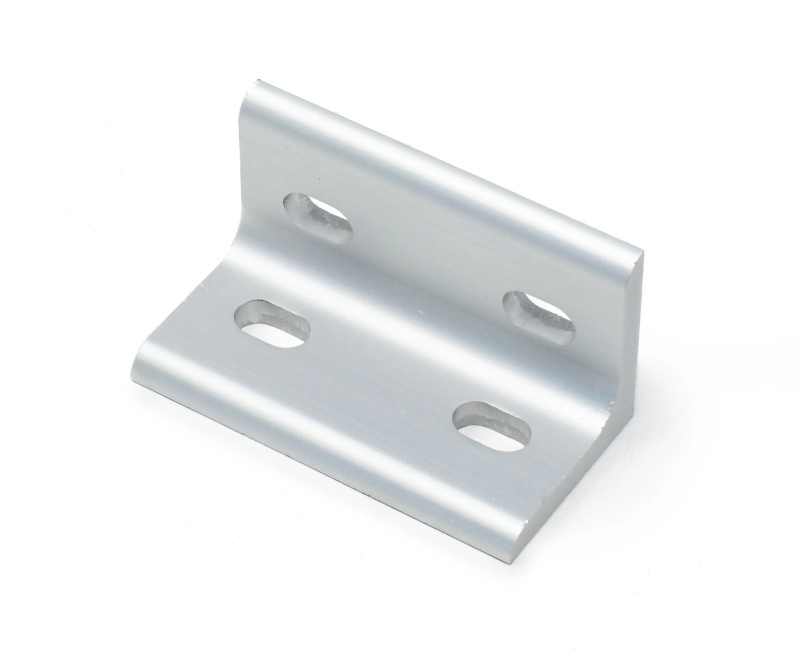
Understanding CNC Brackets: Types, Designs, and Core Specifications
Are you wondering what makes CNC machined brackets essential for your projects? CNC brackets are precision metal parts designed to support, mount, or connect components in countless applications. Whether it’s for industrial machines or custom DIY builds, understanding the types, designs, and key specs of these brackets can save you time and ensure performance.
Common Types of CNC Brackets and Their Uses
| Bracket Type | Description | Typical Use Cases |
|---|---|---|
| L-Brackets | Right-angle supports | Mounting panels, frames |
| Motor Mount Brackets | Holds motors securely | Robotics, automation |
| Extrusion Angle Brackets | Connect aluminum profiles | Industrial framing systems |
| Precision Mounting Brackets | High-accuracy alignment parts | Aerospace, medical devices |
| Custom Metal Brackets | Tailored designs for unique needs | Prototypes, specialty equipment |
MS Machining specializes in manufacturing each type with tight CNC milling tolerances to ensure every bracket fits perfectly in its application.
Key Design Principles Behind CNC Brackets
Designing a CNC bracket isn’t just about shape—it’s about function and durability. Here’s what you should consider:
- Load Capacity: Ensure the bracket withstands the forces it’ll encounter.
- Mounting Points: Optimize hole placement for easy installation.
- Material Thickness: Balance strength and weight for best performance.
- Tolerance Levels: CNC machining precision controls fit and finish.
- Surface Finish: Important for corrosion resistance and aesthetics.
At MS Machining, we adhere to strict CNC design guidelines, combining engineering expertise with advanced CNC capabilities to deliver reliable, precise brackets every time.
Whether you need a simple L-bracket fabrication or complex machined structural parts, understanding these fundamentals equips you to make smarter choices. Let’s explore how material selection and machining processes further enhance your CNC bracket project.
Materials Selection: Choosing the Right Alloy for Your CNC Bracket Project
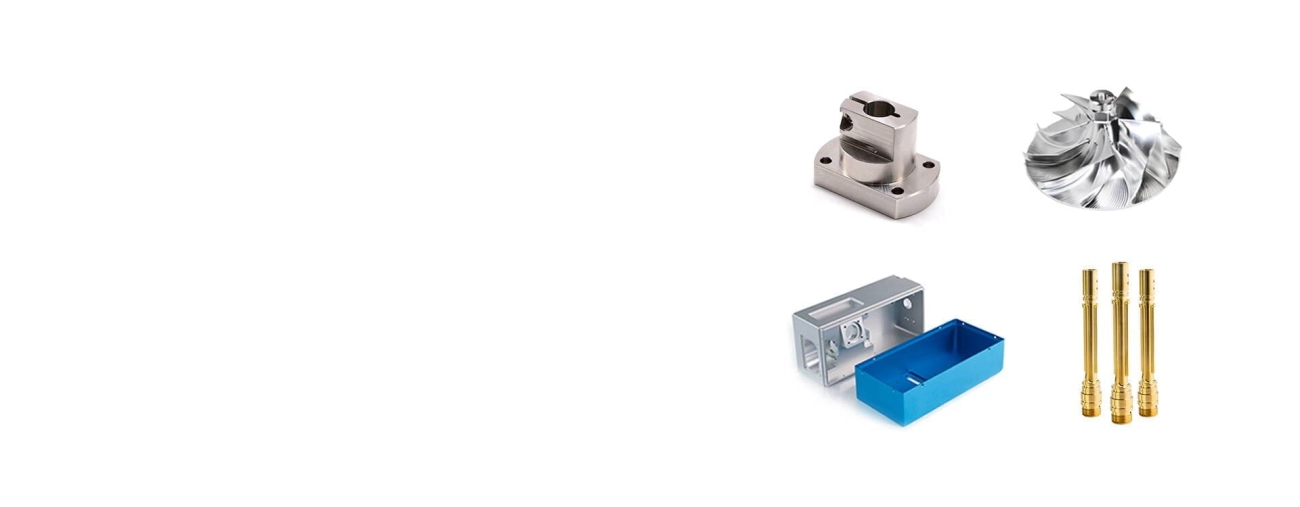
Picking the right material is key for CNC machined brackets, depending on strength, weight, corrosion resistance, and budget. Here’s a quick guide to popular alloys used in bracket fabrication:
| Material Type | Key Features | Common Uses | Notes |
|---|---|---|---|
| Aluminum Alloys | Lightweight, corrosion-resistant, easy to machine | Automotive, aerospace, robotics | Great for precision mounting brackets that need to be light yet strong |
| Steel (Carbon & Alloy) | High strength, durable, cost-effective | Industrial support brackets, motor mounts | Requires good finishing to prevent rust, great for heavy-duty parts |
| Stainless Steel | Corrosion-resistant, strong, aesthetic | Outdoor, marine, medical equipment | More expensive, often used where durability and corrosion resistance matter |
| Advanced Materials (Titanium, Inconel) | Exceptional strength-to-weight, heat resistance | Aerospace, renewable energy | Ideal for high-performance brackets but at a higher cost |
Decision Framework for Your Project
- Load & Stress: Use steel or stainless steel for high-load brackets, aluminum for lighter applications.
- Environment: Stainless steel or aluminum if corrosion is an issue.
- Weight Concern: Aluminum alloys are preferred when weight savings matter.
- Cost Consideration: Steel is generally the most budget-friendly.
- Precision Needs: Aluminum alloys offer excellent machinability for tight CNC milling tolerances.
Our experience at MS Machining ensures we help you select the right alloy for your custom metal brackets, balancing durability, cost, and machining efficiency. We also offer specialized services for manufacturing hardened steel machining parts and precise aluminum bracket machining to match your exact design specs.
Choosing the right material upfront saves time and money while ensuring your CNC bracket delivers the performance your project demands.
The CNC Machining Process: From CAD to Finished Bracket
Creating high-quality CNC machined brackets starts with a solid design and smooth workflow. It all begins with detailed CAD modeling and prototyping, where engineers refine the bracket’s shape and dimensions to fit exact needs, whether that’s a motor mount CNC part or a precision mounting bracket.
Next up is programming and setup. CAM software translates the CAD design into tool paths that control the CNC machines. This step ensures the right milling tolerances and machining strategies, optimizing for speed and accuracy. At MS Machining, we carefully select tooling and machine parameters to match the bracket’s material and complexity.
The machining phase involves cutting, drilling, and milling to bring the bracket into its final form. Whether it’s aluminum bracket machining or stainless steel brackets, we maintain tight CNC milling tolerances for consistent quality. Finishing processes like deburring and surface treatment ensure the bracket not only fits perfectly but also lasts in demanding applications.
Quality assurance is essential—every bracket goes through strict inspection to verify dimensions, strength, and surface finish before shipping. This guarantees that our custom metal brackets meet your exact specifications.
Partnering with MS Machining means leveraging our experience and cutting-edge equipment to get your brackets right the first time. We put precision and efficiency first to give you reliable components ready for any industrial support bracket need. For a closer look at specialized methods, explore our detailed special CNC machining processes.
Applications Across Industries: Real-World Bracket Deployments
CNC machined brackets play a crucial role across a wide range of industries, proving their versatility and precision in real-world settings.
Automotive and Transportation
In automotive manufacturing, precision mounting brackets and motor mount CNC components ensure engine parts, sensors, and structural supports fit perfectly. These custom metal brackets withstand harsh conditions, helping vehicles stay reliable and safe on the road.
Robotics and Automation
Robotics rely heavily on industrial support brackets and robotics mounting components for stability and exact positioning. CNC milled brackets made from aluminum or stainless steel provide the strength and lightweight properties needed for robotic arms and automated systems.
Renewable Energy and Aerospace
In renewable energy, CNC brackets hold solar panels and wind turbines securely. Aerospace applications demand machined structural parts with tight tolerances, where stainless steel brackets often meet strict weight and durability requirements crucial for flight safety.
DIY and Hobbyist Projects
Hobbyists and DIY enthusiasts benefit from affordable prototype bracket manufacturing, especially with aluminum bracket machining. Custom L-bracket fabrication and extrusion angle brackets help build everything from drones to home automation setups with ease.
Emerging Trends
As industries push for smarter, lighter, and more durable solutions, advanced CNC router brackets and precision mounting brackets are evolving. Trends show increased use of hybrid materials and additive manufacturing combined with CNC to optimize performance and reduce costs.
For businesses looking to bridge design and production, MS Machining offers expertise in both aluminum and stainless steel CNC machining services tailored to these diverse applications. Check out our aluminum CNC machining services for lightweight solutions or explore stainless steel casting CNC machining quality for more demanding environments.
Cost Factors, Sourcing, and Optimization Strategies
When it comes to CNC machined brackets, understanding cost drivers is key to getting the best value. Pricing usually breaks down into material costs, machining time, complexity of design, and finishing processes. For example, stainless steel brackets tend to cost more than aluminum options due to material expense and machining difficulty. The tighter the CNC milling tolerances, the higher the price, as precision takes more time and setup.
Sourcing Best Practices
Finding the right supplier can make a huge difference. Look for CNC providers experienced in custom metal brackets who offer transparent quotes and quick turnaround. MS Machining stands out by combining advanced machining setups with reliable materials sourcing, ensuring consistent quality at competitive prices. Checking for certifications and real customer reviews can help weed out less reliable sources.
Cost-Saving Tips
- Optimize your design: Simplify bracket shapes to reduce machine time and avoid unnecessary details.
- Choose materials wisely: Aluminum alloy machining usually costs less than steel or stainless steel.
- Consolidate parts: Where possible, combine bracket components to cut assembly expenses.
- Order in volume: Batch runs benefit from reduced per-piece pricing thanks to setup cost distribution.
Leveraging these strategies can significantly lower your overall spend without sacrificing performance. Partnering with a trusted CNC machining provider like MS Machining, with expertise in steel and aluminum brackets, helps ensure your project stays on budget and meets your quality expectations. For material options, check out our detailed CNC machining materials list to find alloys suited for your specific needs.
Maintenance, Troubleshooting, and Long-Term Performance
Keeping your CNC machined brackets in top shape starts with proper installation. Always use the right fasteners and torque settings to prevent loosening or damage. Make sure brackets are aligned correctly to avoid unnecessary stress that could lead to premature failure.
Common Issues and Fixes
- Warping or bending: Usually caused by improper mounting or overloading. Re-check alignment and load specs.
- Corrosion: Especially with steel brackets, regular inspections and applying protective coatings help prevent rust.
- Wear and tear: Inspect mounting holes and contact points for signs of wear. Replace brackets when excessive play or cracks appear.
Extending Bracket Lifecycle
- Use periodic cleaning to remove dirt and debris, which can cause abrasion.
- Apply corrosion-resistant coatings if the bracket operates in harsh environments.
- Schedule routine checks especially in robotics or automotive setups where vibrations are constant.
For professional advice and support on maintaining your custom metal brackets, MS Machining offers expert guidance tailored to your specific project needs. Their team can also help troubleshoot issues and recommend the best practices for long-term performance. Considering the complexities involved, contacting their CNC engineering services can provide reliable, customized solutions that keep your brackets working flawlessly over time.