
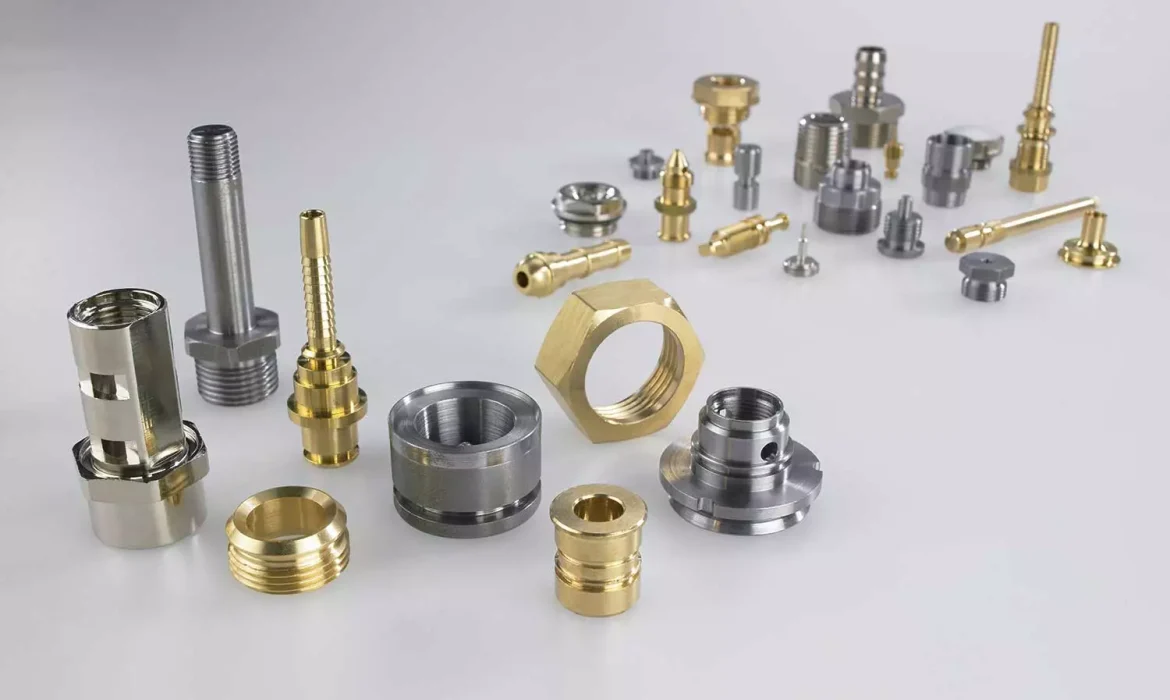
Size & Tolerance Reality Check – What Is Actually Achievable Today
When you’re dealing with small precision turned parts, it’s important to set realistic expectations from the start. The industry has clear standards that define what sizes, tolerances, and finishes we can consistently achieve — nothing less, nothing magically better.
Industry Size Classification & Realistic Diameter Ranges
For small diameter turned parts, the sweet spot typically falls between Ø0.3 mm and Ø12 mm. Below 0.3 mm, you enter the realm of subminiature precision parts, which require specialized micro-turning setups and carry higher costs and risks. Above 12 mm, you’re often better off with standard CNC turning or other processes.
Length-to-Diameter Ratio Limits
A practical length-to-diameter (L/D) ratio for these parts usually tops out at about 5:1 to 7:1. Push beyond this, and you risk chatter, deflection, and compromised surface finish. This ratio depends on material and machine rigidity but is a solid guideline for reliable production.
Achievable Tolerances by Size Category
For most precision small turned parts, tolerances around IT5 to IT7 are common and can be achieved consistently on a production scale. Tighter tolerances like IT4 and occasionally IT3 are possible but demand the right equipment—typically precision Swiss turning or high-end micro machining—and careful process control. Don’t expect these tighter specs on every job without a price premium and longer lead times.
Surface Finish Expectations vs. Diameter
Surface finish naturally correlates with part size. On smaller diameters, achieving finishes below Ra 0.2 µm is challenging but doable with Swiss-type turning and micro-lathes. However, for parts closer to Ø12 mm, finishes around Ra 0.4 to 0.8 µm are industry standard. Trying to push for ultra-smooth finishes on tiny features drives up machining time and cost drastically—know when that finish is truly necessary for your part’s function.
Bottom Line: When specifying small precision turned parts, aim for diameter ranges between 0.3 and 12 mm, keep your L/D ratios practical (under 7:1), and set tolerances around IT5–IT7 unless you’re prepared for higher costs. Surface finish will vary with size—trust the process experts on what’s reasonable to avoid surprises down the line. At MS Machining, we work within these real-world limits every day to deliver precision while keeping production efficient and predictable.
Most Popular Manufacturing Methods for Small Precision Turned Parts
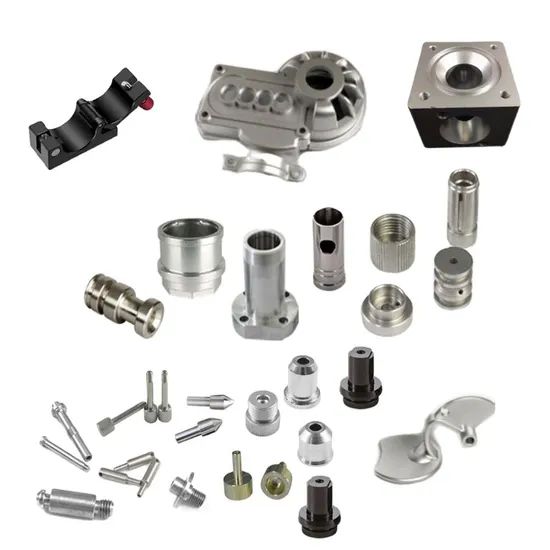
When it comes to manufacturing small precision turned parts, the choice of method impacts quality, cost, and lead time. Here’s a quick look at the main approaches used today:
-
Conventional CNC Turning: Widely used for small CNC machined parts, especially above Ø8 mm diameter. But when diameters drop below 8 mm, challenges arise like tool deflection, chip evacuation, and maintaining tight tolerances. Still, for many medium-precision turned fittings, it’s cost-effective and versatile.
-
Swiss-Type Sliding Headstock Turning: This method shines for parts below Ø8 mm or with complex features. The sliding headstock keeps the bar supported close to the cutting tool, reducing deflection and enabling high accuracy in subminiature precision parts. It’s the go-to for micro precision turning when you need tight tolerance turned parts with excellent surface finish.
-
Micro-Turning / Micro-Lathe Systems: Designed specifically for ultra-small diameter turned parts (down to Ø0.3 mm), micro-turning machines handle mini parts that conventional CNC can’t. These systems use specialized tooling and spindles to deliver precision down to IT3 tolerances, perfect for high accuracy lathe parts in medical or electronics fields.
-
Hybrid CNC + Micro-Machining Approaches: Some manufacturers combine standard CNC turning with micro-machining on the same part. This hybrid process optimizes cycle time and cost by using each technique where it performs best. It’s ideal for complex miniature turned components requiring various features and surface finishes.
Pros and Cons at a Glance:
| Method | Pros | Cons |
|---|---|---|
| Conventional CNC Turning | Cost-effective, flexible for larger small parts | Struggles below Ø8 mm, tool deflection |
| Swiss-Type Sliding Headstock | High precision, supports sub-Ø8 mm parts | Higher equipment cost, setup complexity |
| Micro-Turning Systems | Ultra-small diameters, very tight tolerances | Slower cycles, limited material range |
| Hybrid CNC + Micro-Machining | Balanced precision & efficiency | Requires skilled operators and planning |
Choosing the right process depends largely on part size, complexity, and tolerance needs. For many projects, precision Swiss turning and micro-turning are the clear choices for the smallest and most accurate parts.
For projects that also need complementary processes like laser welding or intricate tooling, consider integrated services such as laser welding services and laser cutting services to streamline your production.
Most Commonly Used Materials for Small Precision Turned Components
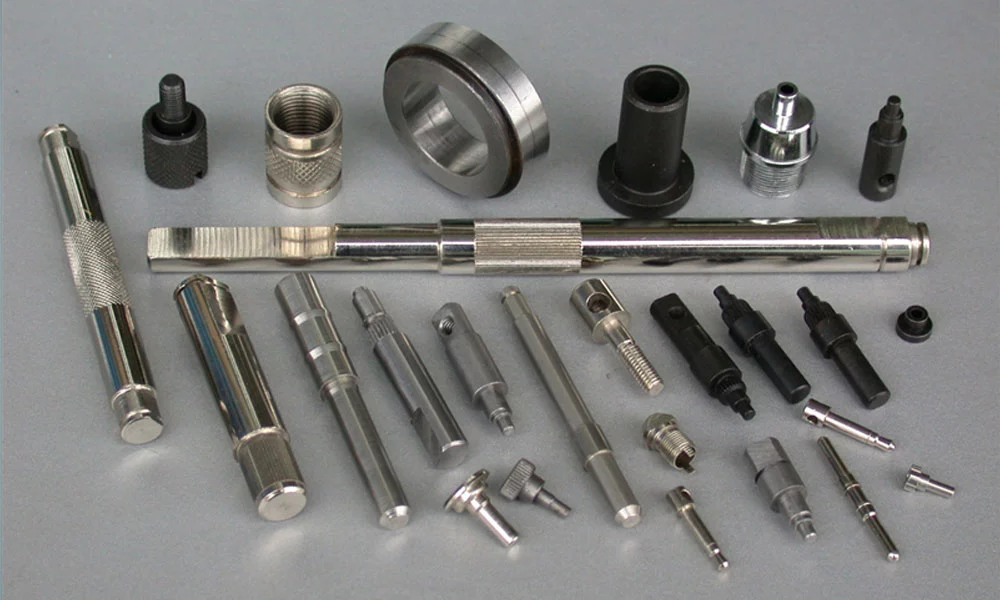
When it comes to small precision turned parts, material choice plays a huge role in manufacturability and performance.
-
Free-cutting steels and stainless steels are top picks for many applications. Grades like 303, 304, 316L, and the European equivalents 1.4305 and 1.4404 offer good machinability and corrosion resistance. These materials support consistent tight tolerance turned parts while keeping costs reasonable.
-
Brass and copper alloys such as CuZn39Pb3, CuZn38Pb2, and C36000 are favorites for precision turned fittings due to their excellent machinability and conductivity. They excel when small diameter turned parts require smooth finishes and tight detail.
-
For lightweight designs, aluminum alloys are a solid choice. Their strength-to-weight ratio makes them great for small CNC machined parts used in aerospace, automotive, and consumer products. You can explore specific aluminum grades suitable for your project in our aluminum alloy die castings guide.
-
Titanium and other difficult-to-machine alloys are possible but push limits in micro precision turning. They require specialized tooling and slower cycle times but offer unique benefits in strength, corrosion resistance, and biocompatibility for demanding industries.
-
Engineering plastics like POM, PEEK, and PEI are increasingly popular for micro turned components where non-metallic parts are required. These materials demand careful size and tolerance planning since plastics behave differently than metals during precision turning.
Selecting the right material upfront will help your supplier hit the precise tolerances and surface finishes you need for successful small precision turned parts production.
Critical Design Features That Make or Break Small Precision Turned Parts Manufacturability
When designing small precision turned parts, certain features can quickly push manufacturing from feasible to difficult or costly. Here’s what you need to keep in mind:
Deep Hole Drilling & Cross-Holes in Miniature Sizes
- Drilling holes smaller than Ø0.5 mm or deep holes with high length-to-diameter ratios can cause tool deflection and breakage.
- Cross-holes add complexity; alignment and burr control become critical.
Very Thin Walls – Practical Limits
- Walls under 0.2 mm thickness often flex or collapse during machining or handling.
- Stable thin walls require slow feeds and optimized cutting conditions.
Small Internal Threads (M0.8–M2) – Reality vs. Drawing
- Threads smaller than M1 require precision threading tools and often multiple passes.
- Drawing threads too small without allowances makes production costly and unreliable.
Micro-Grooves, Undercuts, and Deburring Challenges
- Features like micro-grooves or undercuts demand specialized tooling and increase cycle time.
- Deburring tiny features is labor-intensive and can affect part geometry if done improperly.
Surface Finish Requirements vs. Cycle Time/Cost
- High surface finish specs (Ra < 0.2 µm) on small diameters increase production time and tooling expense.
- Balance required finish against function to optimize cost.
| Design Feature | Practical Limitations | Impact on Manufacturability |
|---|---|---|
| Deep holes (<Ø0.5 mm) | Tool deflection, breakage risk | Higher scrap rate, longer cycle times |
| Thin walls (<0.2 mm) | Flexing, collapse | Difficult handling; may need design revision |
| Internal threads (M0.8) | Precision tooling needed | Increased cost and lead time |
| Micro-grooves/undercuts | Specialized tooling and control | Added complexity and time |
| Surface finish (<Ra0.2 µm) | Longer machining, tool wear | Elevated cost |
Understanding these limits up front can save headaches later. Designing within realistic boundaries keeps your small CNC machined parts efficient and cost-effective without compromising quality. For projects demanding precision with challenging features, incorporating feedback from a trusted supplier experienced in micro precision turning is key.
If your application involves such features, consider working with experts familiar with the full manufacturing implications — check out our detailed CNC machining services to see how we handle these challenges efficiently.
Secondary Operations Typically Needed for Small Precision Turned Parts
Finishing small precision turned parts often requires extra steps to meet strict quality standards. Deburring is a must—here are the common methods:
- Manual deburring: Precise but labor-intensive, suitable for low volumes or complex shapes.
- Thermal deburring: Fast and effective for hard-to-reach edges, but can be expensive and might affect delicate materials.
- Abrasive flow machining: Great for internal finishes and consistent surface smoothing, especially on small diameter turned parts.
Surface treatments like plating can be tricky on small precision turned parts due to their miniature size and thin walls. Uniform coating demands careful process control to avoid warping or clogging features. Specialized plating and surface treatments maintain corrosion resistance and improve wear, essential for medical, optics, or connector components.
Laser marking or engraving is widely used to add traceability or branding on miniature diameters without affecting part integrity. It’s clean, precise, and works well on metals and some plastics.
Finally, cleanliness and packaging can make or break your component’s performance. For industries like medical and optics, maintaining contamination-free handling and packaging is critical. Suppliers must follow strict protocols to ensure parts arrive ready to install or assemble.
For a deeper dive into how small precision turned parts fit into complex fluid control systems, check out our article on manifold components essential elements.
What Procurement & Engineering Teams Should Demand from Suppliers
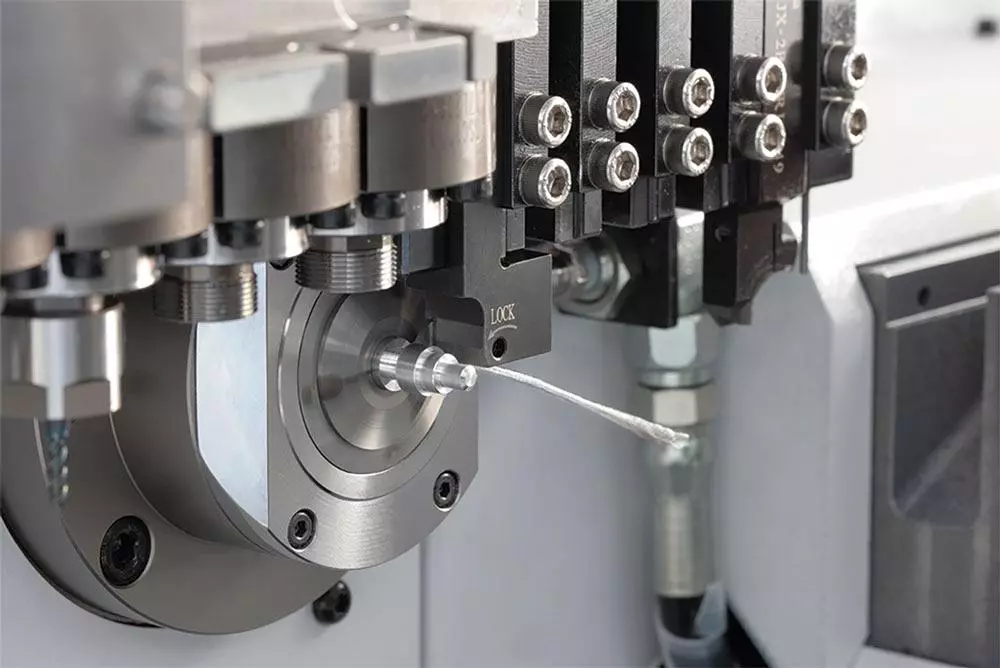
When sourcing small precision turned parts, procurement and engineering teams must set clear expectations to ensure consistent quality and reliability. Here’s what to look for:
-
Realistic Tolerance & CPK Expectations
Tight tolerance turned parts require achievable, documented capability indices (CPK). Don’t expect IT3 tolerances if the supplier’s process can only reliably hold IT6 or IT7 for the specified dimensions.
-
Process Capability Documentation
Ask for evidence of stable and capable manufacturing processes. This includes control charts, historical data, and proof that your small diameter turned parts can be produced within required specs.
-
Traceability & Material Certificates
Full material traceability is crucial, especially if you’re dealing with aerospace, medical, or defense applications. Insist on certifications for material grades like 303 stainless steel or PEEK to guarantee compliance and quality.
-
First Article Inspection (FAI) for Small Parts
Due to the precision involved, request a thorough FAI process tailored for miniature components. Early identification of potential issues saves time and prevents costly reruns.
-
Packaging & Delivery Cleanliness Standards
Small CNC machined parts often serve sensitive industries like optics or medical devices. Suppliers should package parts in contamination-free environments, using anti-static and dust-proof methods to maintain pristine condition on arrival.
Demanding these criteria helps your team secure high precision turned parts that meet application needs without surprises in quality or delivery.
For a deeper dive into material options and industry best practices, check out our insights on why choosing custom metal fabrication matters.
MS Machining – Our Position & Capabilities in Small Precision Turned Parts
At MS Machining, we specialize in manufacturing small precision turned parts with diameters from Ø0.3 mm up to Ø12 mm, confidently handling length-to-diameter (L/D) ratios that meet practical industry demands. Our tight tolerance capabilities generally range from IT5 to IT7, with select projects requiring IT3 or IT4 achievable through advanced micro-machining techniques.
We work primarily with materials well-suited for small precision turned parts, including free-cutting steels, stainless steel grades like 303 and 316L, brass alloys such as C36000, and lightweight aluminum variants. We also support projects using engineering plastics, including POM and PEEK, ensuring realistic size and tolerance expectations are met.
Our in-house capabilities extend beyond precision turning to secondary operations essential for small metal turned parts. This includes expert deburring—manual and abrasive flow methods—plating and surface finishing tuned for miniature components, as well as laser marking on tiny diameters. These add-ons help us deliver fully finished precision small turned parts ready for use.
Quality stands at the core of what we do. Our quality management system is tailored to small precision turned parts, with thorough process capability documentation, strict traceability, and consistent First Article Inspection (FAI) that backs each batch. We also keep cleanliness and packaging standards high, especially for medical and optics sectors.
If you’re exploring precision CNC machined services for small, tight tolerance turned parts that demand expertise and reliable delivery, MS Machining has the experience and equipment to get your project done right. Visit our CNC precision machining services page to see how we meet these needs every day.
Quick Decision Guide: When to Choose Swiss vs. Standard CNC vs. Micro-Turning
Choosing the right manufacturing method for small precision turned parts depends heavily on size, tolerance, and part features. Here’s a simple decision tree to help you decide between Swiss-type, standard CNC, and micro-turning options:
| Factor | Standard CNC Turning | Swiss-Type Turning | Micro-Turning |
|---|---|---|---|
| Diameter Range | Ø3 mm – Ø12 mm | Ø0.3 mm – Ø8 mm | Ø0.1 mm – Ø3 mm |
| Length-to-Diameter Ratio | Up to 5:1 | Up to 10:1 or more | Up to 15:1 |
| Typical Tolerances | IT6 – IT7 | IT4 – IT5 | IT3 – IT4 |
| Part Features | Simple geometries, larger features | Complex parts, multiple operations, deep holes | Ultra-small, high-precision with micro features |
| Production Volume | Low to medium | Medium to high | Low to medium |
| Cost Efficiency | Best for larger diameter, simpler parts | Best for complex, high-volume small parts | Best for ultra-fine detail, specialty parts |
| Examples of Common Use | Basic turned fittings and housings | Precision Swiss watch components, medical plugs | Miniature connectors, micro lenses shafts |
When to Go Standard CNC Turning
- Part diameter is above 3 mm with modest tolerance needs.
- Simple geometry without complicated through-holes or tiny features.
- Lower volume runs or prototypes where tooling costs must be minimized.
When to Choose Swiss-Type Turning
- Diameter below 8 mm, often sub-Ø3 mm.
- Long, slender parts with high length-to-diameter ratios.
- Requires tighter tolerances (IT4–IT5) and complex features like cross-holes or threads.
- Medium to high batch sizes for cost-effective production.
When Micro-Turning Is Right
- Diameters below 1 mm down to 0.1 mm.
- Ultra-high precision needed (IT3–IT4).
- Very fine features like micro-grooves or internal micro-threads.
- Small batch, high-value parts such as medical devices or advanced electronics.
Using this guide helps engineering and procurement teams confidently align small precision turned parts requirements with the ideal machining process—saving time, cost, and improving quality outcomes. For detailed insights on materials and machining capabilities, check our expertise in aluminum CNC machining and manufacturing complex micro components.
This decision tree balances tight tolerance turned parts, achievable sizes, and manufacturing efficiency to fit U.S. market needs and ensure supplier alignment.